
TL;DR:
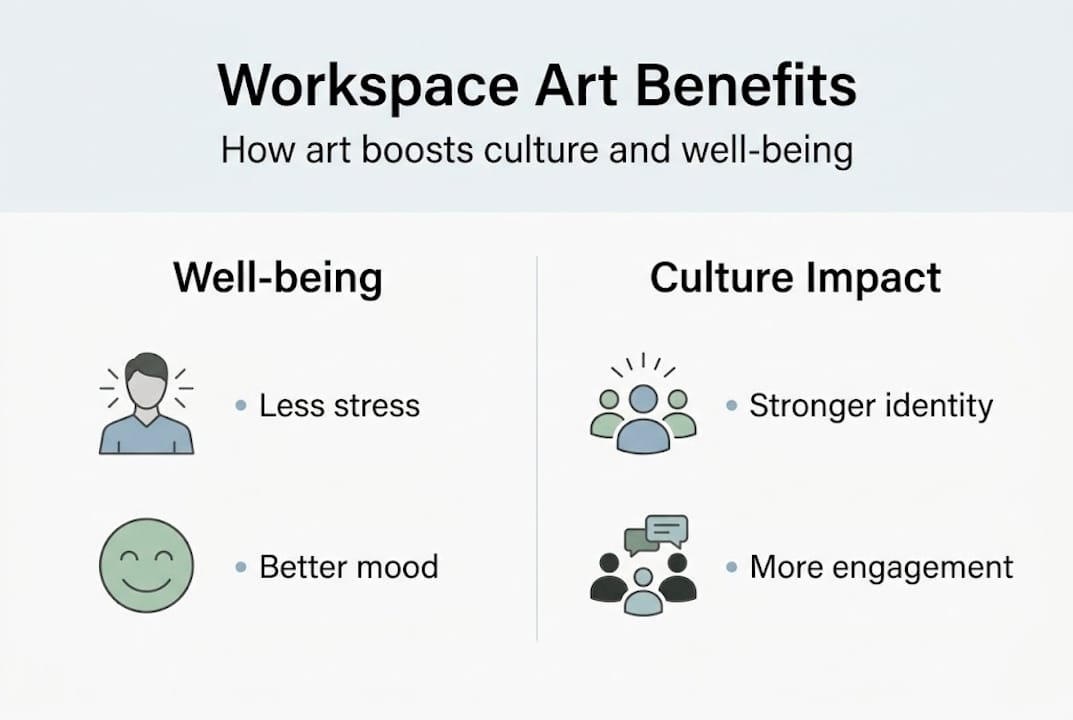
- Art in the workplace reduces stress, boosts productivity, and enhances job satisfaction.
- Strategic art communicates company values and shapes organizational culture effectively.
- Incorporating curated art fosters employee well-being, engagement, and a strong organizational identity.
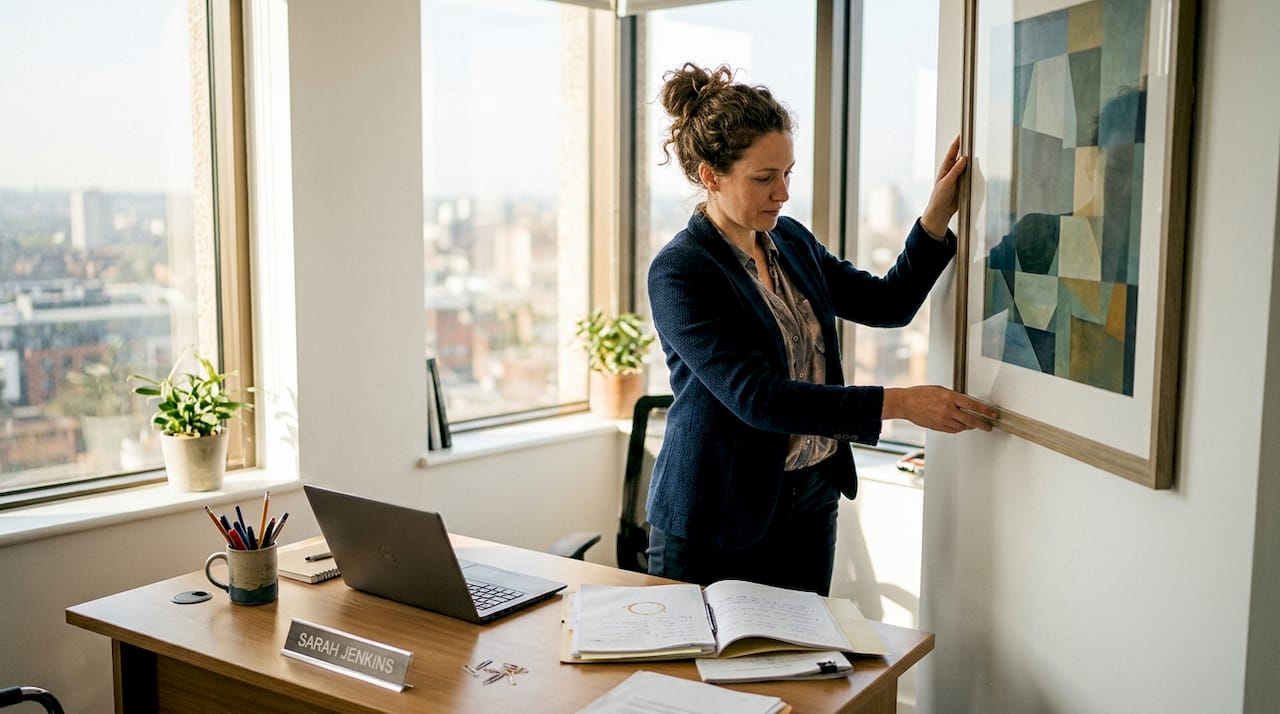
Art in the office is still treated as a finishing touch by most businesses, something added after the real decisions are made. That is a costly mistake. Art therapy and activities in workplaces lead to long-term stress reduction, higher productivity, and better job satisfaction, according to recent research. For company leaders and office managers, this is not a design question. It is a performance and culture question. This guide walks you through the science, the cultural impact, the well-being benefits, and the practical steps to make art work harder in your workspace.
Table of Contents
- The science behind art in the workspace
- How art shapes culture and communication
- The impact of art on employee well-being
- Practical steps for selecting art for your workspace
- Why art is still underused in most British offices
- Bring the benefits of art to your workspace
- Frequently asked questions
Key Takeaways
| Point | Details |
|---|---|
| Evidence-based advantages | Art reduces stress and intensifies productivity, supported by long-term studies. |
| Cultural transformation | Strategic art selection can reshape workplace communication and foster belonging. |
| Staff well-being boost | Curated art leads to higher satisfaction and lower absenteeism among employees. |
| Practical selection tips | Involving staff and aligning with company values maximises the art’s impact. |
The science behind art in the workspace
Most office investment conversations focus on technology, ergonomics, and layout. Art rarely makes the agenda. Yet the evidence for its impact is growing, specific, and directly relevant to the outcomes you care about most.
Art therapy and activities in workplaces are consistently linked to long-term stress reduction, higher productivity, and improved job satisfaction. These are not soft, anecdotal benefits. They are measurable outcomes that affect your bottom line through reduced absenteeism, stronger engagement, and better retention.
The cognitive and emotional effects of art are well documented. Here is what the research tells us:
- Stress reduction: Visual art in shared spaces lowers cortisol levels and creates psychological distance from work pressures, helping employees recover mentally during the day.
- Improved focus: Thoughtfully chosen art reduces cognitive fatigue by giving the brain brief moments of aesthetic engagement, which restores attention.
- Emotional regulation: Art that reflects nature, calm, or positive themes supports emotional stability, particularly in high-pressure environments.
- Creative stimulation: Abstract or thought-provoking pieces activate divergent thinking, which is the kind of thinking that drives innovation and problem-solving.
- Sense of belonging: Art that reflects a company’s identity or values makes employees feel part of something meaningful rather than just occupying a desk.
These effects compound over time. A workspace that art boosts productivity through is not accidental. It is designed with intention.
Scale also matters. Research into large scale art benefits shows that bold, prominent pieces create stronger emotional responses and anchor the mood of an entire room. A single large-format print in a reception area or meeting room can shift how visitors and staff perceive the entire organisation.
Curated arrangements, such as those explored in gallery walls impact, create layered visual environments that sustain interest and encourage conversation. These are not decorative indulgences. They are functional investments in the cognitive and emotional environment your people inhabit every day.
The connection to organisational outcomes is direct. Employees who feel comfortable, stimulated, and valued in their environment are more engaged. Engaged employees stay longer, perform better, and contribute more. Art is one of the most cost-effective levers available to you.
How art shapes culture and communication
Beyond individual well-being, art plays a powerful role in shaping the collective identity of your organisation. It communicates values without a single word being spoken.
Consider the difference between a workspace with and without strategic art:
| Factor | Workspace without strategic art | Workspace with strategic art |
|---|---|---|
| First impressions | Functional but forgettable | Distinctive and values-driven |
| Employee identity | Neutral, transactional | Connected to company culture |
| Creativity cues | Absent | Present and reinforced visually |
| Conversation starters | Rare | Frequent and organic |
| Diversity signals | Unclear | Visible and intentional |
Art communicates what your organisation values. A curated collection featuring diverse artists, local creators, or themes aligned with your mission tells employees and clients that your culture is intentional. Art therapy and activities in workplaces are associated with higher productivity and better job satisfaction, and much of that comes from the sense of meaning and belonging that a thoughtful environment creates.
The subtle culture-shaping effects of art include:
- Acting as natural icebreakers in shared spaces, encouraging spontaneous conversation between colleagues who might not otherwise interact.
- Signalling innovation and creative thinking as core values, particularly in client-facing areas.
- Celebrating diversity through the inclusion of works by artists from varied backgrounds and traditions.
- Reinforcing brand identity in a way that feels organic rather than corporate.
- Creating visual anchors that help employees associate specific spaces with specific modes of thinking, such as calm focus in quiet zones or energetic collaboration in meeting rooms.
The role of art in interior design extends far beyond aesthetics. It is a communication tool. Even art in small spaces can carry significant cultural weight when chosen with purpose.
Pro Tip: Build a curated collection that rotates seasonally or aligns with company milestones. This keeps the environment fresh, signals that the organisation is alive and evolving, and gives employees something new to engage with regularly.
The impact of art on employee well-being
Culture matters at the organisational level, but well-being is personal. It is felt by each individual every time they walk into the office, sit at their desk, or take a break in a shared space.
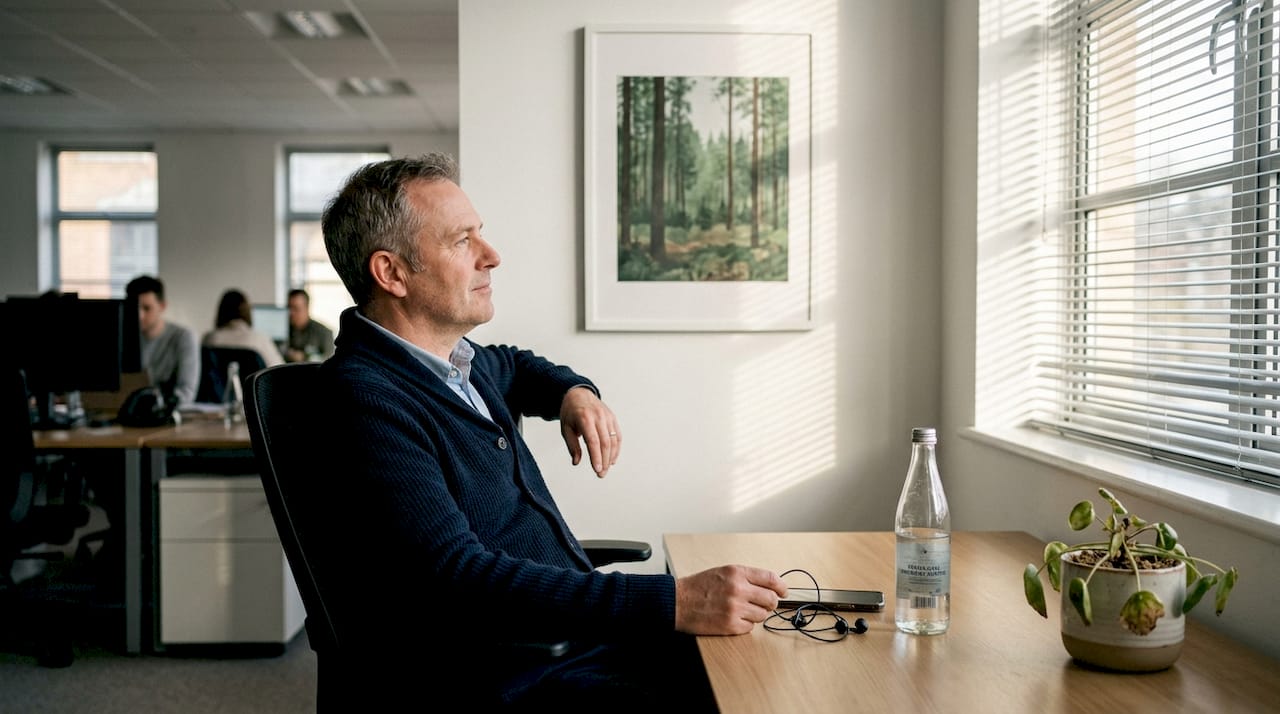
Art therapy and activities in workplaces lead to long-term stress reduction, and the practical implications for office managers are significant. Here is how well-being improvements manifest in real workplaces:
| Well-being indicator | Impact of strategic art |
|---|---|
| Stress levels | Measurably reduced through calming visual environments |
| Absenteeism | Lower in offices with considered aesthetic environments |
| Staff morale | Higher when employees feel their environment is valued |
| Job satisfaction | Improved through a sense of comfort and belonging |
| Creative output | Increased when stimulating art is present in work areas |
To integrate well-being-centred art into your workspace, follow these steps:
- Audit your current environment. Walk through your office as if you were a new employee. Note which areas feel tense, dull, or uninspiring. These are your priority zones.
- Match art to function. Choose calming, nature-inspired pieces for high-stress areas such as open-plan desks and break rooms. Reserve bold, energetic works for creative studios and brainstorming spaces.
- Involve your team. Survey employees on the styles and themes they find most restorative. Participation increases the sense of ownership and belonging.
- Prioritise quality over quantity. A few well-chosen, well-framed pieces carry more emotional weight than walls covered in generic prints.
- Review and refresh. Set a schedule to rotate or update pieces. Stale environments breed stale thinking.
Pro Tip: Nature-inspired and abstract art in muted tones are consistently rated as the most calming by office workers. If your team is under sustained pressure, these styles are your best starting point. You can personalise your workspace further by involving staff in the selection process, which deepens the emotional connection to the space. For a more tailored approach, custom art for wellbeing offers a route to pieces that genuinely reflect your team’s identity.
Practical steps for selecting art for your workspace
Knowing the benefits is one thing. Acting on them is another. Here is a straightforward framework for selecting art that delivers on culture and well-being.
- Define your intent. Are you primarily trying to reduce stress, spark creativity, celebrate diversity, or reinforce brand identity? Your answer shapes every selection decision that follows.
- Assess your spaces. Map each area by its primary function and the mood you want to support. Reception areas benefit from strong first impressions. Meeting rooms need stimulation without distraction. Break spaces need calm.
- Choose a coherent style. You do not need uniformity, but you do need coherence. A mix of styles can work beautifully if they share a common thread, whether that is colour palette, subject matter, or scale. Guidance on matching art with interiors can help you build a visually consistent environment.
- Involve employees early. Share shortlists, run informal votes, or commission pieces that reflect team input. Art therapy and activities in workplaces are associated with higher productivity and better job satisfaction, and employee involvement amplifies those effects.
- Think about art as a design anchor. Rather than placing art as an afterthought, treat it as a structural element of the room. Using art as a design anchor means selecting pieces first and building the room’s colour scheme and furniture around them.
- Plan for rotation. Budget for updating your collection annually. Fresh art signals a living, evolving culture.
Common mistakes to avoid:
- Buying art purely to fill wall space without considering its emotional or cultural effect.
- Ignoring scale, placing small prints in large rooms where they have no visual presence.
- Selecting art based solely on the manager’s taste rather than the team’s collective response.
- Treating art as permanent and never refreshing it, which leads to visual fatigue.
- Overlooking communal spaces such as corridors, stairwells, and kitchens, which are often the most frequently visited areas in the office.
Why art is still underused in most British offices
Here is the uncomfortable truth: most British businesses treat art as cosmetic. It is bought in bulk, installed once, and forgotten. The strategic potential is almost entirely ignored.
This is a missed opportunity of real scale. The ROI of a well-curated art environment, measured in reduced absenteeism, stronger engagement, and better retention, is substantial. Yet art rarely appears in workplace strategy documents or culture investment plans.
The reason is simple. Art is still perceived as a luxury rather than as cultural infrastructure. Leaders who would readily spend thousands on a new coffee machine hesitate to invest the same in pieces that actively shape how their people feel and think every day.
We believe that changes when leaders stop asking “what should we put on the walls?” and start asking “what do we want our people to feel and think in this space?” That shift in framing makes art a strategic tool rather than a decorative one. Personalising spaces with art is not about taste. It is about intention. Art’s value grows through participation, dialogue, and ongoing curation. Start there.
Bring the benefits of art to your workspace
Strategic art curation is more accessible than most office managers realise. At Frametheworld, we work with professional clients to source, customise, and curate collections that serve specific cultural and well-being goals. Whether you are looking for calming pieces that reduce stress in open-plan areas or bold works that energise creative spaces, we have options to suit every brief. Explore our wabi sabi wall art for understated, restorative pieces, browse our colourful wall art for vibrant statement pieces, or use our custom print options to create something entirely unique to your organisation.
Frequently asked questions
What are the main benefits of having art in the office?
Art in workplaces reduces stress, boosts productivity, and increases job satisfaction for employees. These benefits compound over time, contributing to stronger retention and engagement.
How do we choose the right artwork for our workspace?
Consider your company values, involve employees in the selection process, and choose pieces that inspire creativity and calm in the appropriate zones. Guidance on matching art with interiors can help you build a coherent environment.
Does investing in art really improve staff well-being?
Yes. Workplaces with curated art see lasting improvements in stress levels, morale, and job satisfaction, particularly when art is chosen with employee well-being in mind.
Is art a worthwhile investment for workplace culture?
Art strengthens workplace culture by fostering identity, inclusivity, and open communication. Art therapy in workplaces is linked to higher productivity and better job satisfaction, making it one of the more cost-effective culture investments available.


Leave a comment
This site is protected by hCaptcha and the hCaptcha Privacy Policy and Terms of Service apply.