
TL;DR:
- Strategic art enhances property value, attracts tenants, and boosts brand perception.
- Well-curated art creates emotional impact, supports brand messaging, and improves staff and client experiences.
- Overcrowding, lack of rotation, and lack of relevance diminish art’s positive effects and space impact.
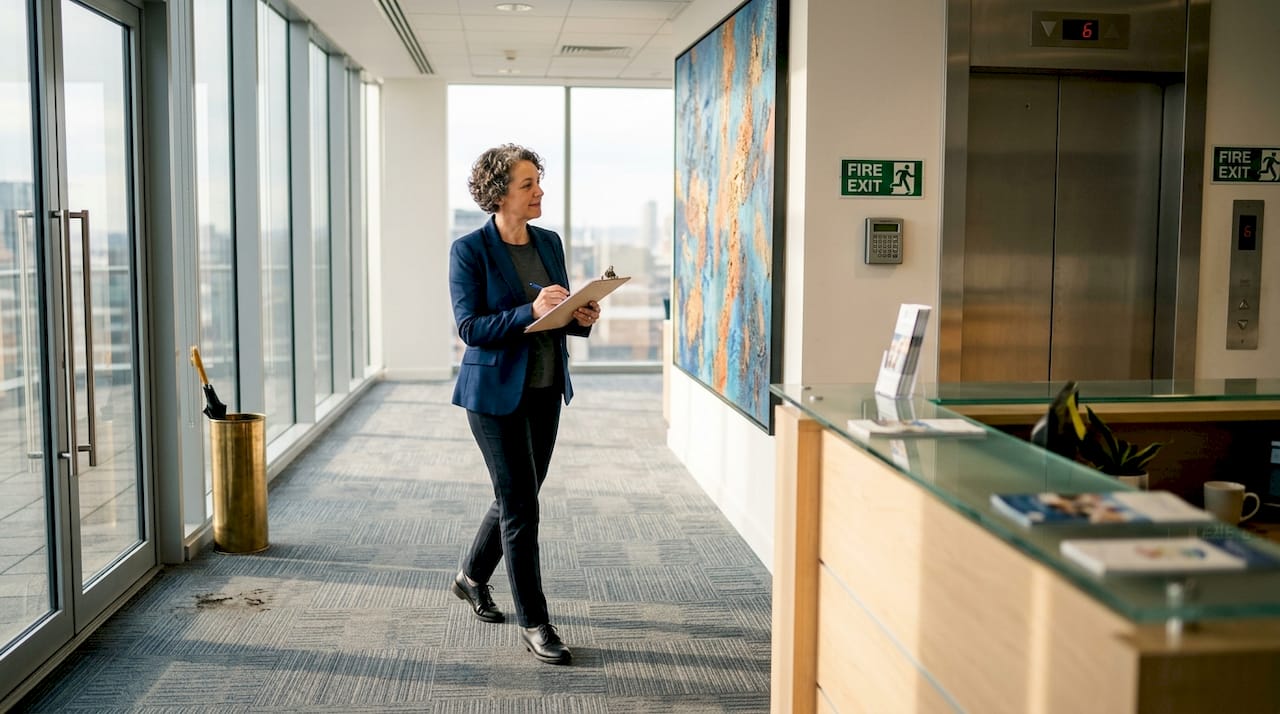
Strategic art installations can boost foot traffic by 30%, yet most property managers still treat art as an afterthought. The assumption that art is purely decorative is one of the most costly misconceptions in commercial design. When chosen with intention, art shapes how clients feel the moment they walk through your door, reinforces your brand without a single word, and directly influences leasing decisions. This guide gives you practical frameworks for selecting and placing art strategically, highlights the pitfalls that undermine impact, and shares a perspective that challenges how most businesses think about art altogether.
Table of Contents
- Why art matters in commercial spaces
- The psychology of art: branding and emotional response
- Common pitfalls: art fatigue, over-decoration, and missed potential
- Curating art for maximum engagement: strategies that work
- Why most businesses miss the mark: a contrarian take on art in commercial design
- Bring your vision to life with curated art solutions
- Frequently asked questions
Key Takeaways
| Point | Details |
|---|---|
| Art boosts business outcomes | Strategic art installations can increase foot traffic and raise property value. |
| Branding through curation | Art aligned with brand and culture elevates client and tenant engagement. |
| Avoid art fatigue | Overuse or repetitive displays can lessen positive impacts—focus on quality over quantity. |
| Leverage local authenticity | Integrating local or original art reinforces distinction and builds stronger community ties. |
| Rotate for freshness | Regularly rotating and refreshing art sustains long-term interest and engagement. |
Why art matters in commercial spaces
Strategic art is not simply hanging something attractive on a wall. It is the deliberate selection, placement, and curation of artworks that align with a space’s function, audience, and brand identity. This distinction matters enormously for commercial property managers and interior designers, because the difference between generic decoration and intentional curation translates directly into measurable business outcomes.
The evidence is clear. Strategic art can increase property value, accelerate lease-ups, and reduce tenant turnover. These are not soft benefits. They are the kind of results that justify investment and inform procurement decisions. Understanding commercial wall art in modern interiors as a business tool rather than a finishing touch is the first shift every property professional needs to make.
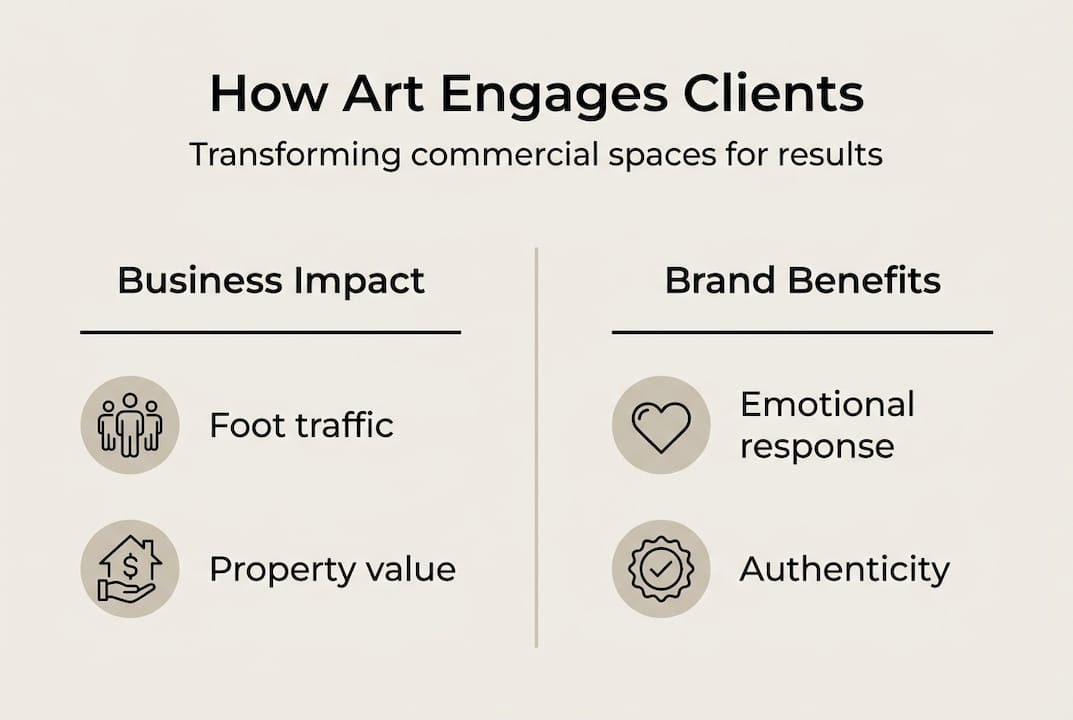
Beyond property metrics, art has well-documented psychological effects. It reduces stress, signals quality, and creates a sense of place that generic office environments simply cannot replicate. For staff, a thoughtfully curated environment supports focus and morale. For visitors and clients, it communicates that the organisation cares about the experience it provides. The role of art in interior design extends far beyond aesthetics into the realm of emotional intelligence.
Here are the primary business outcomes that well-curated art delivers:
- Higher perceived property value, supporting premium rents and faster leasing decisions
- Reduced tenant turnover, as art contributes to environments people want to stay in
- Improved first impressions, particularly in reception areas and client-facing zones
- Stronger brand reinforcement, without relying solely on signage or marketing materials
- Enhanced staff wellbeing, which supports productivity and retention
“Art in commercial spaces is no longer a luxury add-on. It is a strategic asset that drives real estate performance and shapes the human experience of a building.” — Buildings.com
The businesses that treat art as a strategic investment consistently outperform those that treat it as a budget line to cut.
The psychology of art: branding and emotional response
Art does not just fill empty walls. It actively shapes how people feel, what they think of your brand, and whether they trust the environment they are in. For commercial spaces, this psychological dimension is where art earns its keep.
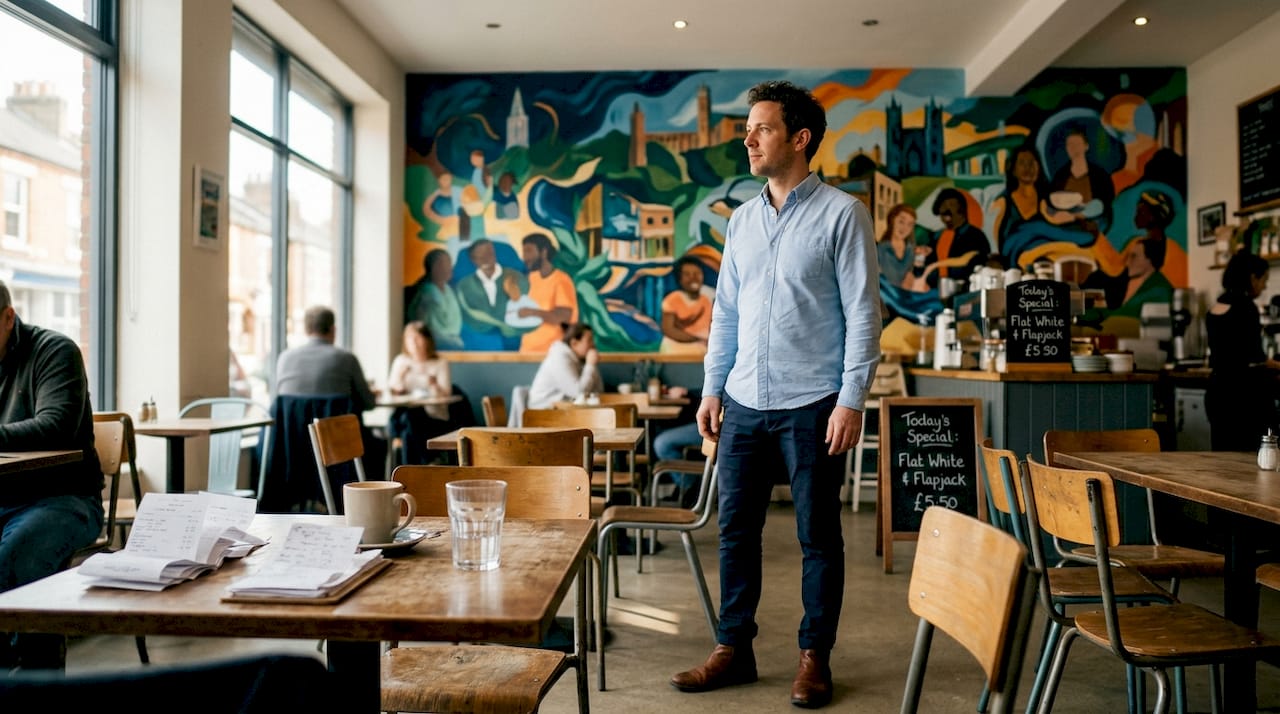
Strategic, original art integrates local culture and authenticity, but it can be overdone. The key is alignment: every piece should reflect something true about the brand, the location, or the people the space serves. Generic stock prints communicate nothing. A commissioned piece from a local artist communicates values, community investment, and originality.
Here is a comparison of how generic versus strategic art performs across key dimensions:
| Dimension | Generic art | Strategic art |
|---|---|---|
| Emotional impact | Neutral or forgettable | Memorable and resonant |
| Brand alignment | None | Reinforces identity |
| Perceived quality | Average | Premium |
| Client engagement | Low | High |
| Staff morale | Minimal effect | Positive and measurable |
To align your art choices with brand messaging, follow these steps:
- Define your brand values in three to five words. These become your creative brief.
- Identify the emotional response you want clients and staff to feel in each zone.
- Select art by theme and palette that supports those emotions without being literal.
- Introduce local or original elements where authenticity matters most, such as reception areas.
- Review the selection against your brand guidelines before committing to installation.
This process also feeds directly into art and workspace productivity, where the right visual environment can meaningfully support focus and creative thinking.
Pro Tip: Commissioning a local artist for a signature piece in your reception or boardroom creates an instant talking point and signals genuine cultural investment to clients and tenants alike.
Common pitfalls: art fatigue, over-decoration, and missed potential
More art is not always better. In fact, one of the most significant risks in commercial art curation is the phenomenon known as art fatigue, where repeated or excessive exposure to art actually diminishes its positive effect.
Multiple exposures to art reduce its positive impact and can lower perceptions of luxury. This finding has direct implications for how you approach density and rotation in commercial spaces. A single, well-chosen large-format piece in a corridor will consistently outperform a wall crowded with ten smaller prints.
Here is how exposure frequency affects perceived value:
| Art exposure frequency | Perceived value | Engagement level |
|---|---|---|
| Single, well-placed piece | High | Strong |
| Moderate rotation (annually) | Sustained | Consistent |
| Frequent, unchanged display | Declining | Habitual |
| Overcrowded, static display | Low | Disengaged |
The most common mistakes property managers and designers make include:
- Overcrowding walls with too many pieces, which creates visual noise rather than impact
- Ignoring cohesion, mixing styles and scales without a unifying concept
- Neglecting local context, choosing art that has no relevance to the building’s location or audience
- Never rotating displays, allowing familiarity to breed indifference
- Prioritising price over purpose, buying cheap prints to fill space rather than investing in fewer, stronger pieces
Understanding the benefits of large-scale art is particularly relevant here. A single oversized piece commands attention and anchors a space in a way that a cluster of small prints never can. Similarly, knowing which types of wall art suit property developers helps you match format and scale to function from the outset.
Pro Tip: Treat art as a focal point, not wallpaper. Ask yourself: if this piece were removed, would the room feel incomplete? If the answer is no, reconsider whether it belongs there at all.
Curating art for maximum engagement: strategies that work
A strong art strategy does not happen by accident. It requires a repeatable framework that aligns selection, placement, and ongoing management with your commercial objectives.
Here is a four-stage framework that works across property types:
- Align: Start with your brand values, target audience, and the emotional tone of each space. A law firm’s reception requires different art than a co-working lounge.
- Curate: Select pieces by theme, palette, and scale. Prioritise original or locally sourced works for high-impact zones. Use planning large-scale art principles to ensure proportions work with your architecture.
- Rotate: Schedule annual or biannual reviews. Swap pieces between locations or introduce new works to sustain engagement and prevent fatigue.
- Evaluate: Gather feedback from staff and visitors. Track whether art choices are supporting the intended atmosphere and adjust accordingly.
For best results, match art to function and location:
- Reception and lobbies: Bold, original pieces that make an immediate impression
- Meeting rooms: Calmer, more focused works that support concentration without distraction
- Breakout and social zones: Colourful, energetic pieces that encourage conversation
- Corridors: Sequential or thematic series that reward attention during movement
Integrating biophilic elements, such as botanical prints or landscape photography, adds another layer of wellbeing benefit. Balancing art volume and integrating biophilic elements enhances wellbeing and prevents the sensory overload that comes from purely abstract or high-contrast selections. For specialist environments, expert tips for large spaces and art in small spaces offer tailored guidance for different architectural contexts.
“The most effective commercial art programmes are living systems, not static installations. They evolve with the brand, the tenants, and the culture of the building.”
Invite feedback actively. A simple quarterly survey or informal conversation with tenants reveals whether your art strategy is landing as intended.
Why most businesses miss the mark: a contrarian take on art in commercial design
Here is the uncomfortable truth: most businesses approach commercial art with the same logic they apply to office furniture. They buy enough to fill the space, stay within budget, and move on. The result is environments that feel complete on paper but forgettable in person.
The instinct to fill every wall comes from a misunderstanding of what art is supposed to do. Art is not insulation for blank surfaces. It is a tool for creating moments, and moments require space around them to breathe.
What we have seen consistently is that the most memorable commercial spaces are defined by restraint. One extraordinary piece in a reception tells a more powerful story than twelve average ones spread across the building. Intentional gaps are not failures of curation. They are part of the design.
The businesses that get this right treat art as a design anchor, not a finishing touch. They invest in fewer, higher-impact pieces, source works with genuine provenance or local relevance, and resist the urge to fill silence with noise. That discipline is what separates spaces people remember from spaces they simply pass through.
Bring your vision to life with curated art solutions
When you are ready to move from strategy to selection, Frametheworld.co.uk offers a range of solutions built for commercial projects. Whether you need a signature piece for a flagship reception or a cohesive collection for multiple floors, the platform makes it straightforward to browse by style, scale, and theme. For projects with specific brand requirements, custom art curation allows you to commission bespoke works tailored to your brief. If you are drawn to understated, textural aesthetics, the wabi sabi wall art collection offers refined options that work beautifully in professional environments. For spaces that call for energy and personality, explore the colourful wall art range to find pieces that command attention without overwhelming the space.
Frequently asked questions
How does art improve commercial property value?
Strategic art installations drive higher rents, faster leasing, and reduced tenant turnover, all of which contribute directly to increased property value. The effect is most pronounced in client-facing zones where first impressions carry financial weight.
How often should art be changed in commercial spaces?
Art should be rotated at least annually to prevent art fatigue from repeated exposure reducing its positive impact. Tenant or client feedback is a useful trigger for earlier rotation if engagement appears to be declining.
What is the risk of over-decorating with art?
Over-decorating reduces perceived luxury and can make a space feel cluttered rather than curated, undermining the brand impression you are trying to create. Restraint and intentionality consistently outperform volume.
Why is local or original art recommended?
Original art integrating local culture delivers authenticity that generic prints cannot replicate, reinforcing a unique brand identity and creating genuine connection with the community the space serves.

Leave a comment
This site is protected by hCaptcha and the hCaptcha Privacy Policy and Terms of Service apply.