

Turning a house into a home often starts with finding wall art that speaks to your style and story. For many British homeowners, empty walls can make rooms feel impersonal or unfinished, but choosing artwork without a plan may leave your space looking cluttered or mismatched. By focusing on a personalised visual story that fits your interior, you can discover practical ways to assess your rooms, define your style, and select wall art that feels truly yours.
Table of Contents
- Step 1: Assess Your Space and Define Your Style
- Step 2: Measure and Plan for Artwork Placement
- Step 3: Browse Collections and Shortlist Favourites
- Step 4: Customise and Select Wall Art Pieces
- Step 5: Review Choices and Confirm Fit
Quick Summary
| Key Point | Explanation |
|---|---|
| 1. Assess Your Space Thoroughly | Evaluate architectural features, lighting, and decor to identify your personal aesthetic. |
| 2. Plan Proper Artwork Placement | Measure wall space accurately and leave breathing room around artwork for a harmonious display. |
| 3. Explore Diverse Art Collections | Use digital platforms to filter artworks by style and theme, considering your room’s palette. |
| 4. Customise Art for Your Space | Tailor artwork dimensions and framing options to reflect your unique style and narrative. |
| 5. Review Selections Carefully | Assess how artworks interact for visual balance, seeking feedback to ensure a cohesive story. |
Step 1: Assess Your Space and Define Your Style
Before selecting wall art, understanding your space and personal aesthetic is crucial. This initial step helps transform blank walls into personalised visual stories that reflect your unique personality and home environment.
To begin, conduct a comprehensive room assessment. Walk through each space with a critical eye, noting architectural features, existing colour palettes, and furniture arrangements. Pay attention to natural light, wall dimensions, and overall room ambience. The interior design style quiz from the Designer Society of America can provide valuable insights into your design preferences, helping you identify whether you lean towards minimalist, eclectic, traditional, or contemporary styles.
Consider the principles of artistic composition as you evaluate your space. Balance, proportion, and visual rhythm are key factors in selecting art that harmonises with your room. Think about how different art pieces might interact with existing decor elements. Do you want your wall art to complement the current style or create a bold statement? Some homeowners prefer art that blends seamlessly, while others seek pieces that provide striking contrast.
Expert Tip: Take photographs of your room and use digital design tools or create a mood board to visualise potential art placements before making final selections.
Step 2: Measure and Plan for Artwork Placement
Precise artwork placement transforms your wall from a blank canvas into a thoughtfully curated visual experience. This critical step ensures your selected pieces not only fit physically but also create a harmonious aesthetic that elevates your entire room.
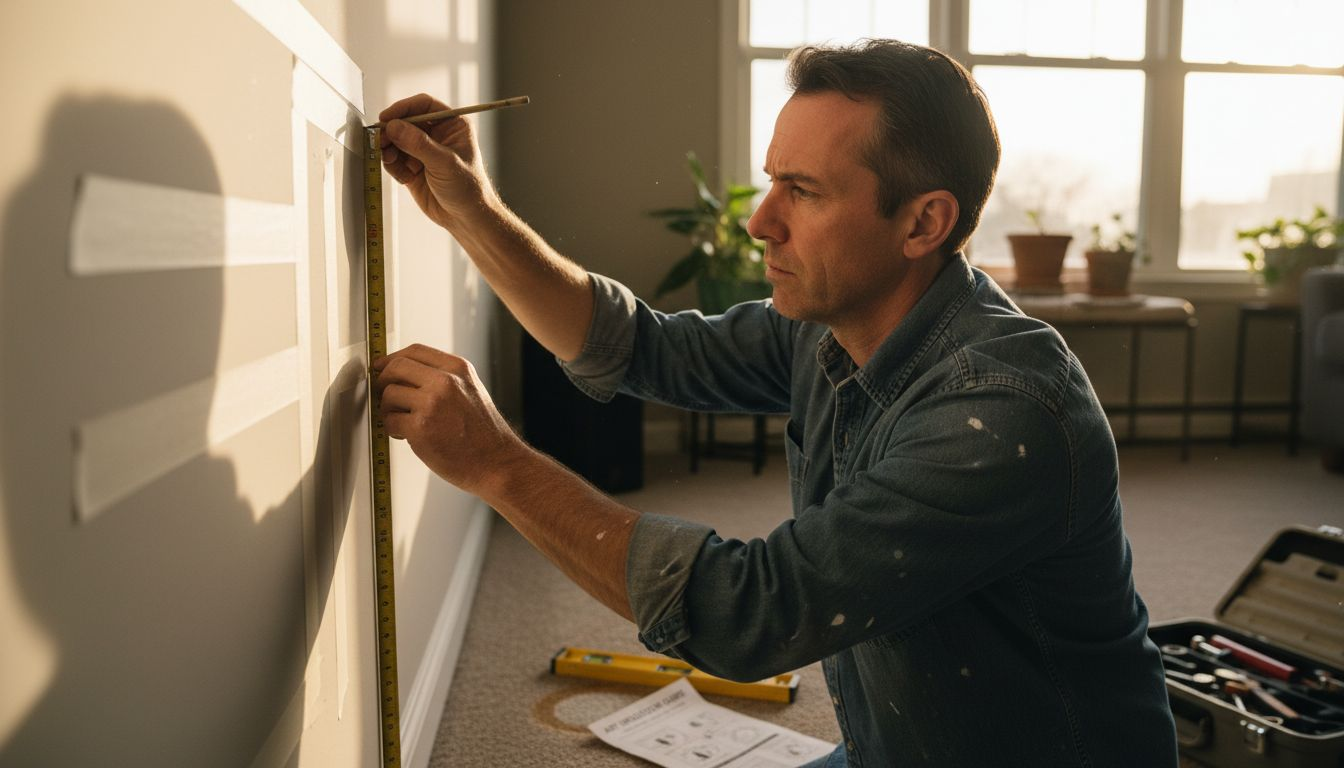
Start by gathering essential tools: a metal measuring tape, pencil, spirit level, and masking tape. Measure your wall space carefully, noting exact width and height dimensions. Consider the exhibition space dynamics that professional curators use when planning art installations. Professional designers recommend leaving approximately 15 centimetres of space between artwork edges and furniture, creating visual breathing room.
When planning multiple art pieces, create a visual layout strategy. Use kraft paper or newspaper cut to the exact size of each artwork to mock up potential arrangements on the wall. This technique allows you to experiment with different configurations without making multiple wall holes. Consider the visual weight of each piece proportion to your wall size. Smaller walls benefit from fewer, more impactful pieces, while larger spaces can accommodate gallery style arrangements with multiple artworks.
Always measure and mark hanging points precisely. For heavier artworks, use wall anchors appropriate to your wall material plaster, brick, or drywall. Centre single pieces at eye level approximately 145 to 152 centimetres from the floor, which creates a natural viewing perspective for most people.
Expert Tip: Use removable adhesive mounting squares for temporary positioning to test artwork placement without risking wall damage.
Step 3: Browse Collections and Shortlist Favourites
Discovering the perfect wall art requires a strategic and enjoyable exploration of diverse artistic collections. This step transforms your art selection from a mundane task into an inspiring journey of personal visual discovery.
Begin your exploration by diving into comprehensive visual art encyclopedias that offer expansive collections spanning multiple artistic periods and styles. These digital platforms allow you to filter artworks by genre, movement, colour palette, and artist, making your browsing experience both efficient and engaging. Consider your room’s existing colour scheme and aesthetic when filtering potential artworks. Look for pieces that either complement your current decor or provide an intentional contrasting statement.
Utilise digital art history resources to broaden your perspective beyond traditional galleries. These online collections from world-class museums provide high-resolution images that allow you to examine artworks in remarkable detail. Create a digital shortlist by saving or bookmarking pieces that resonate with you. Pay attention to how each potential artwork makes you feel. Art selection is deeply personal trust your emotional response as much as your visual assessment.
Narrow down your selections by considering practical factors such as artwork dimensions, framing options, and how each piece might interact with your space. Group similar artworks that share colour tones, artistic styles, or thematic elements to create a cohesive visual narrative across your walls.
Expert Tip: Screenshot and digitally mock up potential artworks in your actual room using augmented reality apps to visualise how they will look before purchasing.
Step 4: Customise and Select Wall Art Pieces
Transforming your curated art selection into personalised wall pieces requires thoughtful consideration of customisation options that reflect your unique aesthetic and space requirements. This stage is about turning potential artworks into meaningful visual statements that truly represent your personal style.
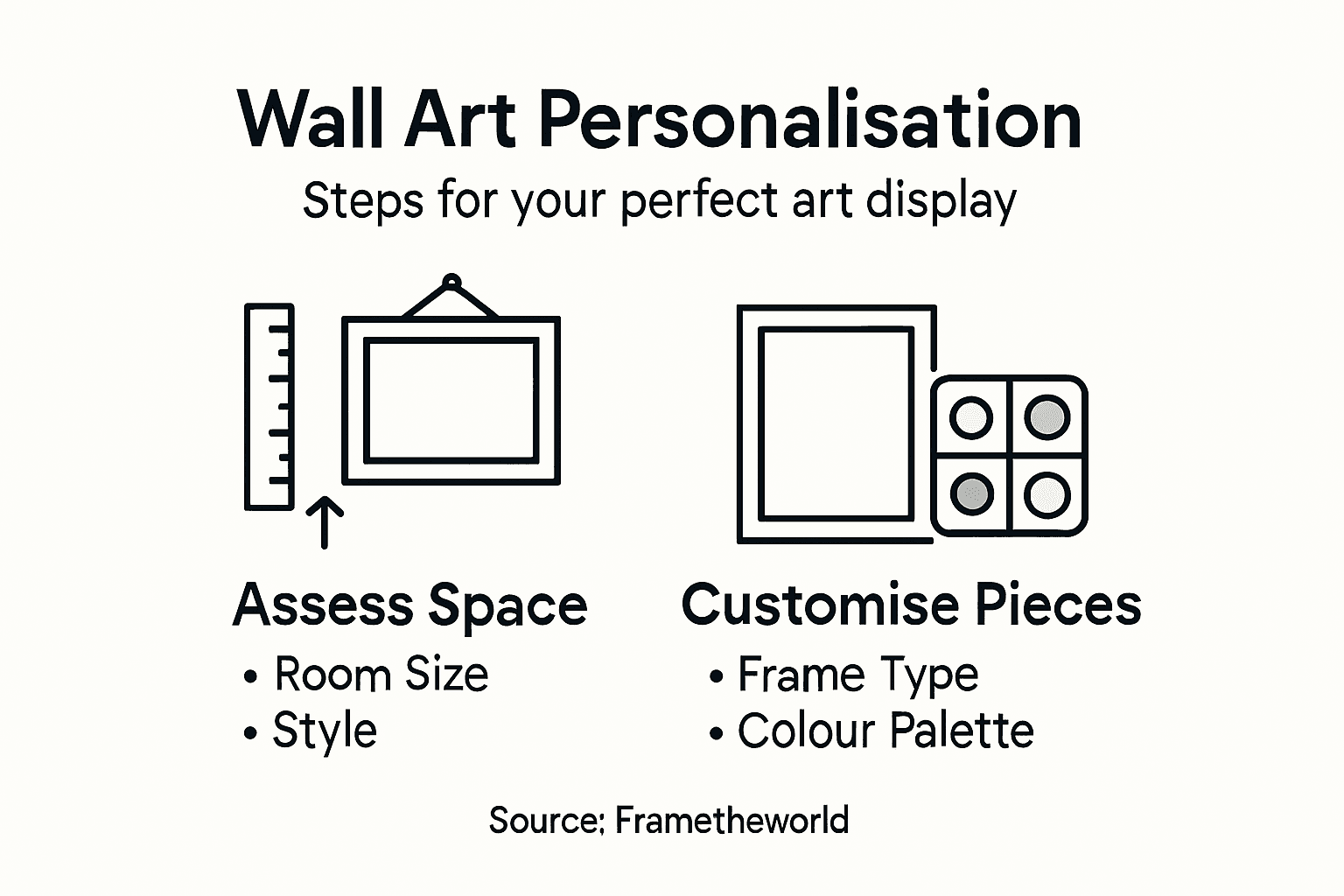
Examine potential artworks through the lens of art portfolio principles, which emphasise personal conceptual integrity. Consider how each piece communicates your individual narrative. Look beyond surface aesthetics to understand the emotional resonance and storytelling potential of your chosen artworks. This might involve selecting pieces that reflect your personal journey, cultural background, or aesthetic preferences.
Customisation options extend far beyond simple frame selection. Explore opportunities to modify artwork scale, colour palette, and presentation style. Some platforms offer digital editing tools that allow you to adjust artwork colours to match your room’s existing palette. Consider framing options that complement both the artwork and your interior design aesthetic. Wooden frames might suit rustic or traditional spaces, while sleek metallic frames work brilliantly in contemporary settings. Consider printing techniques such as canvas, acrylic, or traditional paper prints each offers a different visual and textural experience.
Here is a quick comparison of common wall art framing and presentation options:
| Frame Type | Best For | Visual Impact |
|---|---|---|
| Wooden Frame | Rustic or traditional | Warm, natural, classic finish |
| Metallic Frame | Modern or contemporary | Sleek, reflective, urban appeal |
| Canvas Print | Versatile settings | Textured, artistic gallery look |
| Acrylic Print | Bold, minimalist decor | Glossy, vibrant, modern surface |
| Paper Print | Flexible styling | Matte or glossy, lightweight |
Prioritise artworks that not only look visually appealing but also spark conversation and emotional connection. Your wall art should feel like an extension of your personality an intentional curation that tells a story about who you are and what you value.
Expert Tip: Request digital proofs or sample prints before final purchase to ensure the artwork matches your vision precisely.
Step 5: Review Choices and Confirm Fit
The final stage of your wall art selection journey involves a critical and thoughtful evaluation of your chosen pieces. This is where your curated collection transforms from potential selections to a cohesive visual narrative that truly represents your personal style and space.
Apply rigorous principles of artistic composition when reviewing your selections. Assess how each artwork contributes to the overall visual balance, rhythm, and emphasis within your room. Consider how the pieces interact with one another and with your existing decor. Look for subtle connections in colour, theme, or emotional tone that will create a harmonious display. Some artworks might work beautifully as standalone pieces, while others might shine when grouped strategically.
Seek external perspectives by consulting art portfolio evaluation techniques. Share your selections with trusted friends, family members, or design professionals who can offer objective insights. They might notice visual nuances or potential challenges you have overlooked. Pay special attention to how the artworks communicate with each other and the space. Are they creating a unified story or do they feel disjointed? The goal is to curate a collection that feels intentional and personal rather than random or cluttered.
Remember that your wall art is not just about aesthetics but about creating an environment that resonates with your personality and brings you joy every time you look at it.
The following table summarises key steps to ensure your wall art fits perfectly in your space:
| Step | Core Action | Essential Benefit |
|---|---|---|
| Assess Your Space | Evaluate light, scale, and palette | Establishes a strong visual base |
| Plan Artwork Placement | Measure, layout, and mark positions | Achieves balanced, harmonious walls |
| Shortlist & Customise Pieces | Filter and adjust for synergy | Ensures cohesive aesthetic |
| Review & Confirm | Seek feedback and visualise arrangement | Guarantees satisfaction and unity |
Expert Tip: Take high-resolution digital photographs of your space and digitally place your selected artworks to get a precise preview of the final arrangement.
Elevate Your Space with Expertly Curated Wall Art Solutions
Choosing the perfect wall art involves careful assessment, measurement, and personalisation to create a space that truly reflects your style and story. Common challenges include selecting pieces that harmonise with your existing décor, ensuring correct scale and placement, and finding artworks that resonate emotionally. At Frametheworld.co.uk we understand these key pain points and offer a seamless solution to help you navigate every step of the wall art selection process.
Explore our broad collection where you can browse by style, theme, size, and format to find the ideal pieces that fit your vision. Take advantage of our customisation options to adjust colour palettes, framing styles, or request bespoke artworks that truly personalise your space. Whether you are working on a cosy home project or a larger commercial design, our platform supports your journey from inspiration to installation with ease and expert care.
Ready to transform your walls with art that speaks to you instinctively and fits perfectly? Discover how at Frametheworld.co.uk and start crafting your personalised art story today.
Frequently Asked Questions
How do I assess my space for wall art selection?
To assess your space, observe architectural features, colour palettes, and furniture arrangements. Take measurements of wall dimensions and consider the natural light; this will help you determine which art pieces will best enhance your environment. Create a detailed overview of your space to guide your art selections effectively.
What should I consider when planning for artwork placement?
When planning for artwork placement, account for the dimensions of your wall and existing furniture. Leave approximately 15 centimetres of space around the artwork edges to create visual breathing room. Use tools like masking tape to mark potential positions on the wall, facilitating an optimal arrangement before hanging.
How can I shortlist the best wall art for my home?
Shortlist wall art by browsing through diverse collections and saving pieces that resonate with you emotionally. Consider the dimensions, colour palette, and framing options that will best suit your space. Narrow down your choices to focus on artworks that share similar themes or colours for a cohesive display.
What customisation options should I explore for wall art?
Explore customisation options such as adjusting artwork scale and colour palettes to ensure they align with your aesthetic. Consider different framing styles—such as wooden or metallic frames—to complement both the art and the room decor. This will enhance your art pieces, making them feel personal and intentional within your space.
How do I review and confirm the fit of my selected artworks?
Review your selected artworks by assessing their visual balance and how they interact with one another and your existing decor. Seek feedback from friends or family to gain fresh perspectives on the arrangement. Aim for a collection that feels unified and carefully curated, reflecting your personal style and narrative.


Leave a comment
This site is protected by hCaptcha and the hCaptcha Privacy Policy and Terms of Service apply.