
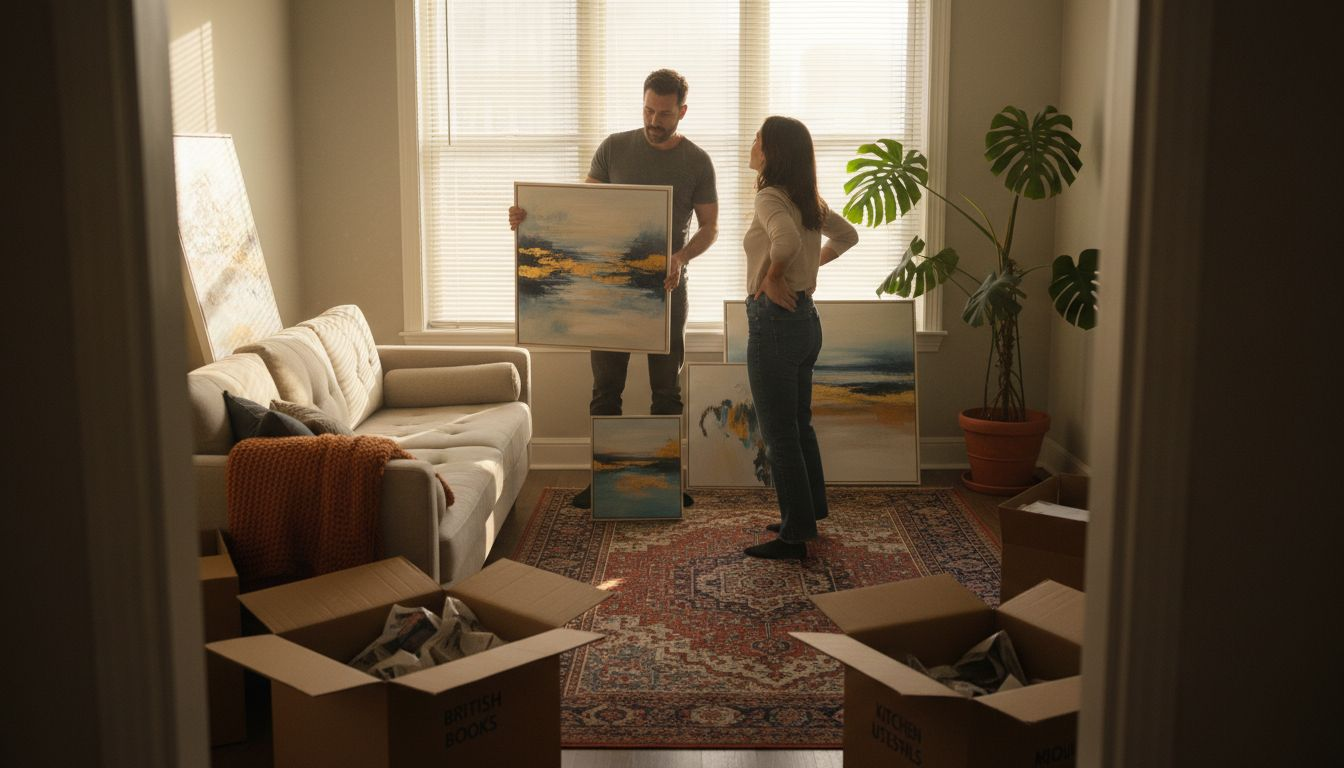
Redecorating your home in a busy UK city often feels like balancing style, personality, and comfort all at once. The choices you make for wall art do far more than decorate empty surfaces. Research shows that the visual identity of your space expresses both personal and collective identity, shaped by social influences and cultural capital. Discover how thoughtful art selection creates a deeper connection, transforms ambience, and brings your unique story to modern interiors.
Table of Contents
- Defining Art’s Influence on Home Style
- Types of Wall Art for Contemporary Homes
- How Art Shapes Ambience and Mood
- 2026 Trends: Art and Home Design Harmony
- Personalising Decor with Custom Artwork
- Mistakes to Avoid When Selecting Art
Key Takeaways
| Point | Details |
|---|---|
| Art Represents Identity | Artwork chosen for the home serves as an expression of personal values and experiences. Selecting pieces that resonate with one’s story elevates decor beyond mere aesthetics. |
| Emotional Influence of Art | Art significantly impacts the ambience of a space, with specific styles and colours evoking particular feelings. Thoughtful selection can create desired emotional landscapes within the home. |
| Integration of Technology | Digital innovations facilitate dynamic art experiences, allowing for customisable and adaptable wall displays. This promotes personalisation in contemporary interior design. |
| Avoid Common Mistakes | Be mindful of scale, emotional resonance, and thematic coherence when selecting artworks, as neglecting these factors can lead to a disjointed visual narrative in your home. |
Defining Art’s Influence on Home Style
Home decoration transcends mere aesthetic arrangement. It represents a profound narrative of personal identity, social connections, and cultural expression. Visual spaces within our homes articulate complex emotional landscapes that go far beyond simple decorative choices.
Artwork functions as a powerful medium through which individuals communicate their inner worlds. Each selected piece becomes more than a visual element - it transforms into a deliberate statement about personal values, experiences, and aspirations. Cultural heritage, emotional memories, and individual perspectives converge within these curated visual representations, turning walls into deeply personal narratives.
The sociological significance of home art extends beyond individual expression. Research demonstrates that home decor serves as a nuanced platform for understanding social dynamics, material culture, and collective identity. Artwork becomes a sophisticated language of status, ideology, and social positioning, silently communicating layers of meaning through strategic visual selections.
Pro tip: When selecting artwork, choose pieces that genuinely resonate with your personal story rather than following transient design trends.
Types of Wall Art for Contemporary Homes
Contemporary home styling embraces a diverse range of wall art expressions that transform living spaces into personalised visual narratives. Contemporary wall art types span traditional and innovative mediums, offering homeowners unprecedented creative flexibility in decorating their interiors.
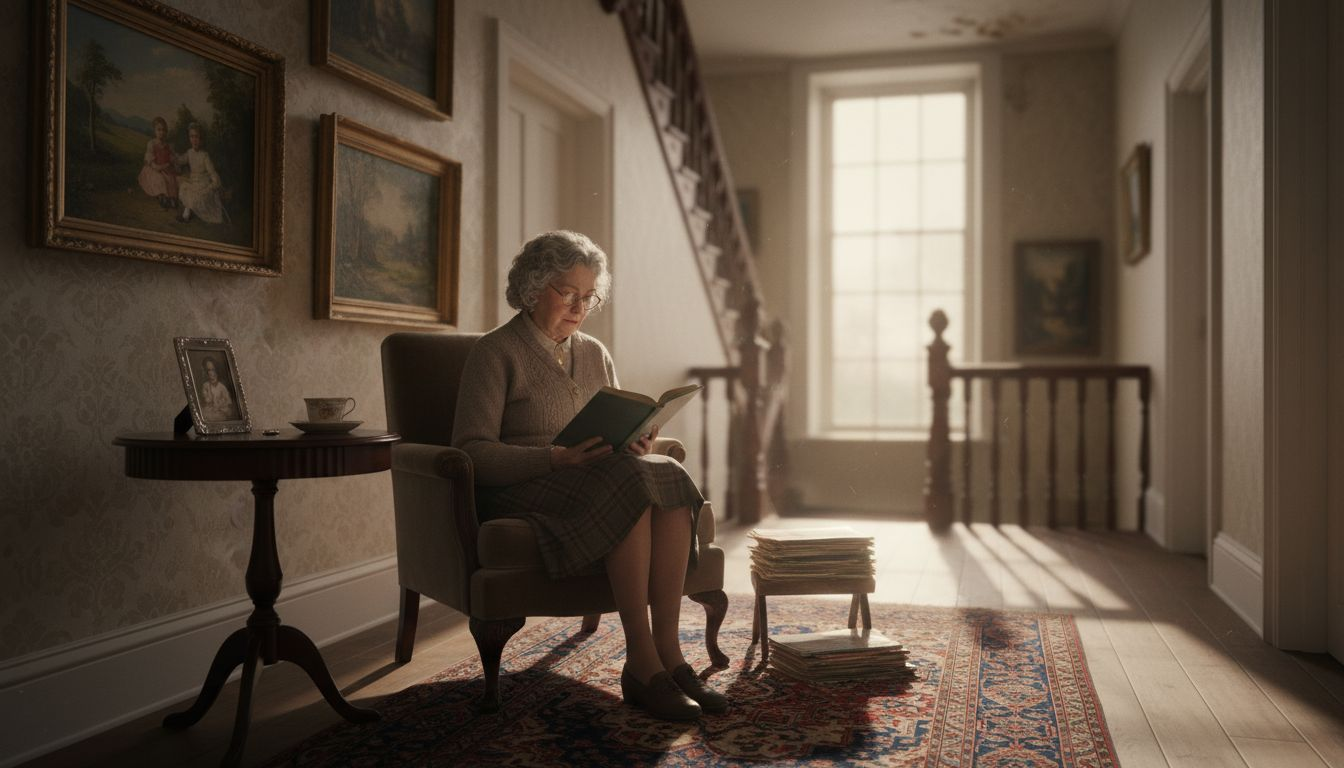
Traditional artwork remains a cornerstone of home decoration, with framed prints and canvas paintings providing timeless elegance. These pieces range from minimalist abstract compositions to intricate landscape representations, allowing individuals to curate spaces that reflect their aesthetic sensibilities. Decorative wall paintings have evolved beyond static representations, incorporating dynamic techniques that engage viewers and create immersive visual experiences.
Digital and interactive art technologies are revolutionising home decor, introducing innovative wall display options. Electronic tiles, digital art screens, and projection-based artworks enable homeowners to transform their walls into dynamic canvases that can change appearance, mood, and visual narrative at the touch of a button. This technological integration allows for unprecedented personalisation and adaptability in contemporary interior design.
Here is a comparison of traditional and digital wall art features in contemporary homes:
| Feature | Traditional Wall Art | Digital/Interactive Art |
|---|---|---|
| Customisation | Limited to framing and size | Highly customisable, dynamic |
| Maintenance | Requires cleaning/conservation | Often software or hardware updates |
| Visual Impact | Static and enduring style | Versatile, changes on demand |
| Installation | Straightforward, fixed place | May require tech setup or wiring |
Pro tip: When selecting wall art, consider the room’s natural lighting, existing colour palette, and architectural features to ensure seamless visual integration.
How Art Shapes Ambience and Mood
Art serves as a powerful psychological tool in home design, transcending mere decorative function to actively influence emotional landscapes. Environmental psychology research reveals that artworks fundamentally transform living spaces by modulating cognitive and emotional experiences.
Colour palettes and artistic styles play a critical role in emotional manipulation within interior spaces. Warm-toned artworks can evoke feelings of cosiness and comfort, while cool-toned pieces introduce tranquillity and calm. Art influences home ambience by strategically triggering specific psychological responses, allowing homeowners to curate precise emotional atmospheres through careful art selection.
Beyond visual aesthetics, meaningful art pieces create profound connections within living environments. Each artwork becomes a narrative element, generating feelings of belonging, intimacy, and personal expression. The psychological impact extends beyond visual pleasure, transforming walls into dynamic emotional landscapes that reflect individual experiences, cultural backgrounds, and personal aspirations.
Pro tip: Select artworks that genuinely resonate with your emotional state and desired room ambience, considering how specific colour tones and visual themes can subtly influence psychological well-being.
2026 Trends: Art and Home Design Harmony
Digital innovation is transforming home art integration, moving beyond traditional decorative approaches. Emerging home design trends reveal a profound shift towards dynamic, technologically enhanced artistic experiences that blend architectural elements with interactive visual narratives.
Technological advancements are enabling homeowners to create highly personalised living environments. Digital art displays, programmable lighting systems, and adaptive wall surfaces now allow instantaneous mood transformations. These innovations permit real-time art customisation, enabling spaces to reflect changing emotional landscapes and personal aesthetic preferences with unprecedented flexibility.
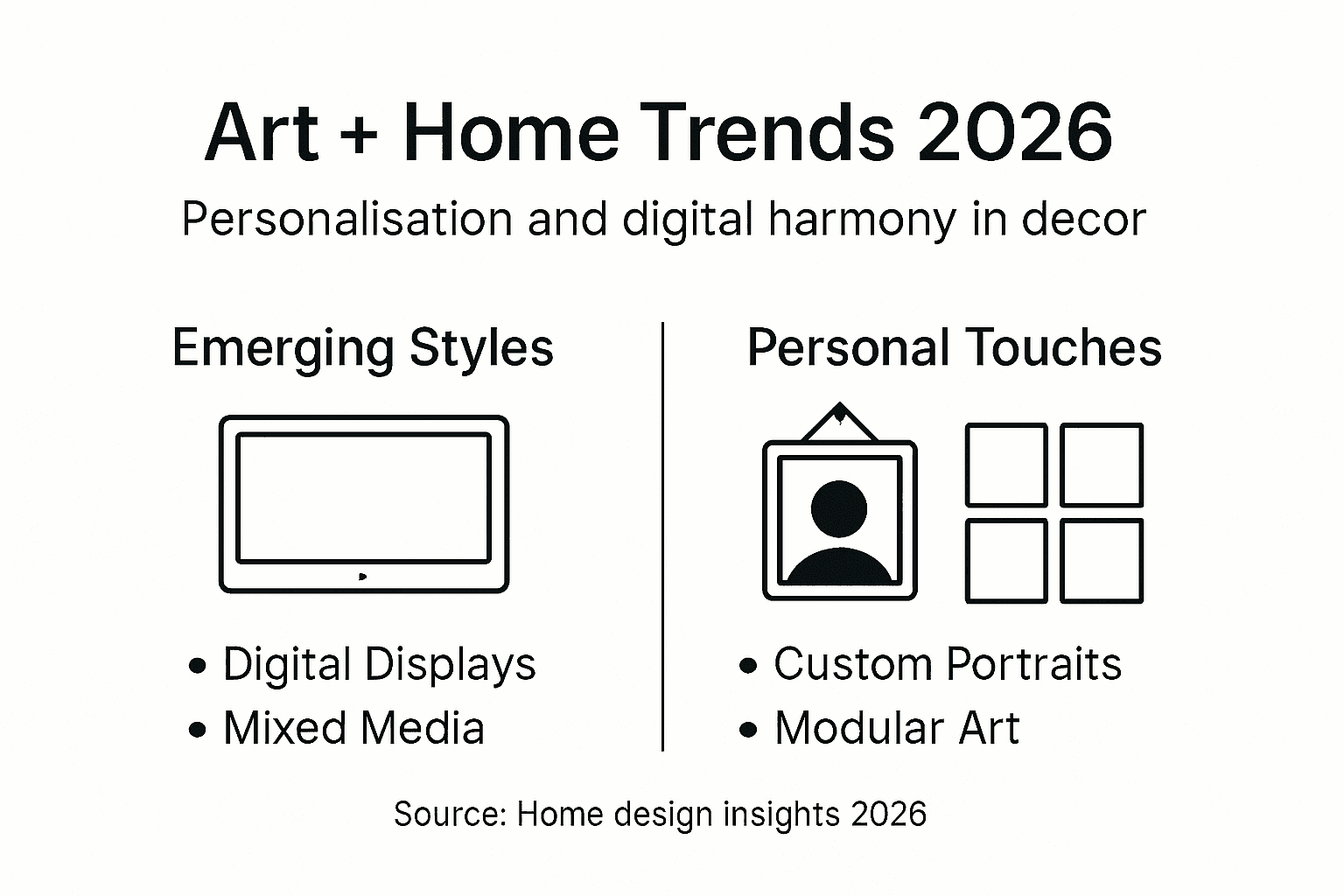
Media-inspired home décor represents a significant cultural trend where personal identity and artistic expression converge. Consumers are increasingly selecting artworks that communicate individual narratives, cultural connections, and emotional resonances. This approach transcends mere decoration, positioning art as a fundamental mechanism for creating meaningful, responsive living spaces that evolve alongside personal experiences.
Pro tip: Invest in versatile digital art platforms that allow seamless aesthetic transitions, ensuring your home’s visual language remains dynamic and personally responsive.
Personalising Decor with Custom Artwork
Custom artwork represents far more than simple decoration. Personalising home décor transforms living spaces into profound expressions of individual identity, converting walls into intimate narrative canvases that reflect personal histories and emotional landscapes.
Strategic artwork selection involves understanding the intricate relationship between personal aesthetics and spatial functionality. Custom art strategies enable homeowners to curate environments that authentically represent their unique perspectives. This might involve commissioning original pieces, integrating family heritage artefacts, or selecting artworks that resonate with specific emotional frequencies and design intentions.
Personalised art goes beyond visual appeal, serving as a powerful psychological tool for creating meaningful living environments. By carefully selecting pieces that align with personal values, cultural background, and emotional narratives, individuals can transform their homes into dynamic, responsive spaces that evolve alongside their personal journeys. Each artwork becomes a deliberate statement, communicating complex layers of individual experience and creative expression.
Pro tip: Create a curated art collection by selecting pieces that tell a cohesive story, focusing on emotional resonance rather than purely aesthetic matching.
Mistakes to Avoid When Selecting Art
Art selection is a nuanced process that extends far beyond aesthetic preferences. Common art selection mistakes can undermine the entire visual narrative of a living space, transforming potential masterpieces into decorative missteps that disrupt rather than enhance home design.
Homeowners frequently fall into predictable traps when curating their art collections. Selecting pieces that clash with existing décor, ignoring critical scale and placement considerations, or choosing artworks purely based on transient design trends can diminish a room’s overall aesthetic integrity. The most significant error lies in neglecting the emotional resonance and personal connection that truly meaningful art should evoke.
Understanding the psychological dimensions of art selection requires moving beyond superficial visual appeal. Each artwork should serve as a deliberate storytelling element, communicating personal values, cultural experiences, and emotional landscapes. Overcrowding walls, selecting disconnected pieces, or prioritising trend compliance over authentic expression can transform potentially powerful visual statements into generic, impersonal decorations.
Below is a summary of key mistakes to avoid when selecting art for your home:
| Mistake | Impact on Home Aesthetics | How to Prevent |
|---|---|---|
| Ignoring scale and placement | Creates imbalance and disarray | Assess wall size before purchase |
| Following fleeting trends | Leads to impersonal interior style | Choose pieces with lasting meaning |
| Overcrowding with artworks | Produces cluttered appearance | Prioritise space and coherence |
| Neglecting emotional connection | Results in a bland atmosphere | Select pieces with personal value |
Pro tip: Before purchasing artwork, photograph your space and digitally experiment with potential pieces to assess scale, colour harmony, and emotional impact.
Transform Your Home into a Personal Art Sanctuary
The article highlights a common challenge: how to authentically personalise your living space with art that truly resonates with your emotional and aesthetic identity. Many homeowners struggle with selecting artworks that connect on a deeper level rather than just filling walls. Whether it is finding the right balance between visual impact and emotional meaning or avoiding décor mistakes like overcrowding and mismatched styles, the goal remains clear: to create a cohesive and meaningful ambience that reflects you.
At Frametheworld.co.uk, we understand these emotional triggers and design needs. Our extensive collection of high-quality wall art and decorative prints offers a wide range of styles, themes and formats that allow you to embrace personalised storytelling in your home. Beyond ready-made art, our customisation options empower you to commission bespoke pieces tailored exactly to your space and personal narrative. Explore our solutions to experience how expertly curated art can harmonise your interiors and transform your walls into intimate, dynamic expressions of identity.
Ready to bring your unique story to life through art Select from our collection or start your customisation journey today at Frametheworld.co.uk and discover how authentic personalisation can elevate your home style with lasting meaning.
Frequently Asked Questions
What is the significance of art in home decoration?
Art plays a crucial role in home decoration by expressing personal identity, emotional landscapes, and cultural heritage. It transforms spaces into narratives that reflect individual values and aspirations.
How can I select the right artwork for my home?
When selecting artwork, focus on pieces that resonate with your personal story, complement your home’s colour palette, and enhance the desired ambience. Consider the size, scale, and placement of the artworks to ensure visual harmony.
What are the differences between traditional and digital wall art?
Traditional wall art typically includes framed prints and canvas paintings that offer a static and enduring style, while digital wall art is dynamic, highly customisable, and can change in appearance or mood at the touch of a button, providing a modern flexibility in decorating.
How can artwork influence the mood and ambience of a room?
Artwork can significantly influence the mood of a room through its colour palette and artistic style. Warm tones tend to evoke cosiness, while cool tones can promote calmness. Meaningful art enhances personal connections, creating intimate and reflective living environments.

Leave a comment
This site is protected by hCaptcha and the hCaptcha Privacy Policy and Terms of Service apply.