
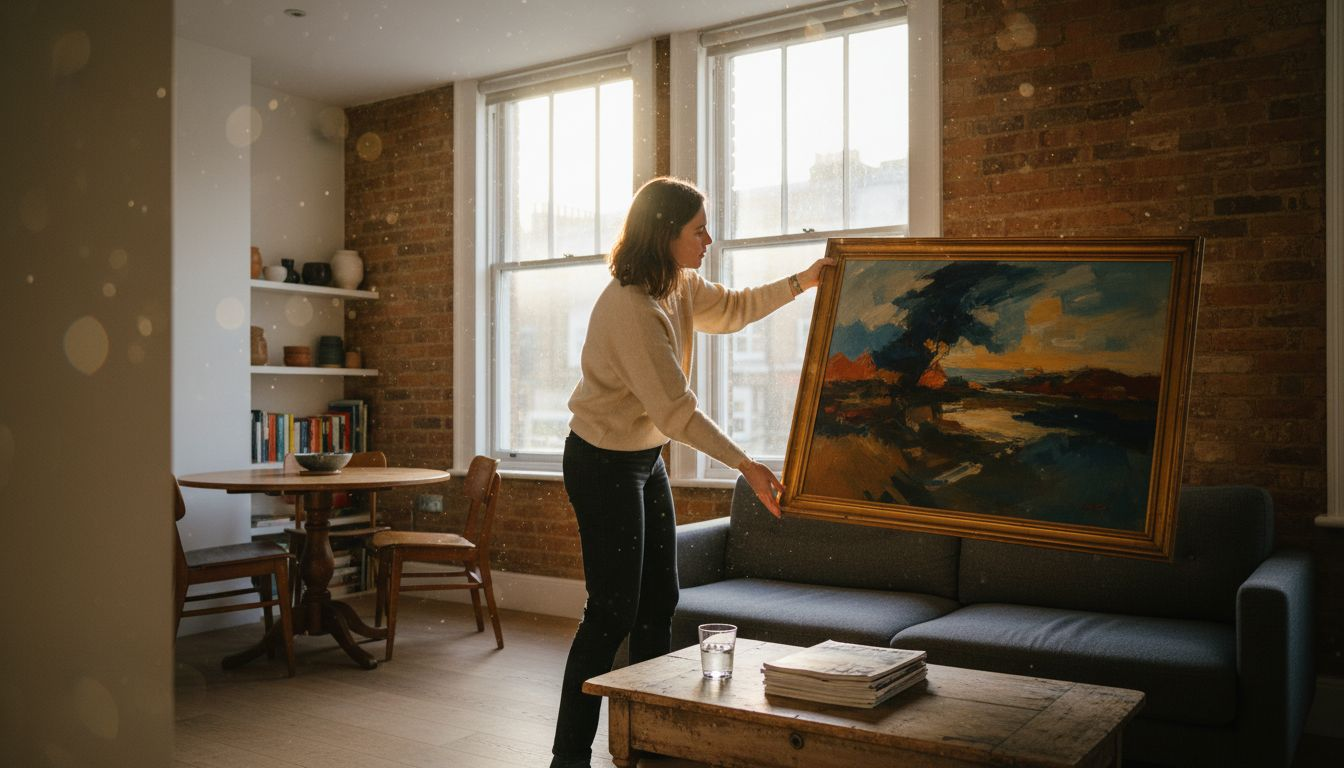
Did you know that strategically placed wall art can increase the perceived size of a small room by up to 30%? For urban homeowners navigating compact living spaces, this fact changes everything. Many believe small rooms require tiny artworks, but this common misconception often leads to cluttered, cramped interiors. This guide reveals practical strategies for selecting the right size, placement, color, and personalization options to transform your small urban home into a visually expansive, emotionally resonant space.
Table of Contents
- Understanding How Art Influences Spatial Perception
- Common Misconceptions About Art Size in Small Rooms
- Color, Style, And Material Choices For Small Spaces
- Practical Art Placement Tips For Maximizing Space
- Benefits Of Customization And Personalization In Small Spaces
- Bringing It All Together: Decorating Small Urban Spaces With Art
- Discover Customizable Wall Art To Transform Your Space
Key Takeaways
| Point | Details |
|---|---|
| Art expands perception | Strategic placement increases perceived room size by up to 30%. |
| Larger is often better | Fewer, well-placed large pieces feel less cluttered than many small works. |
| Light tones enhance space | Pale colors and vertical placement boost brightness and openness. |
| Customization fits perfectly | Bespoke art matches exact dimensions and expresses personal style. |
| Focal points matter | Strategic placement creates impact without overcrowding walls. |
Understanding How Art Influences Spatial Perception
When you enter a room, your brain instantly processes visual information to judge its size and feel. Art plays a powerful role in this automatic assessment. A well-chosen piece creates a focal point that gives your eyes a place to rest, reducing the chaotic visual noise that makes spaces feel cramped.
Research shows that art placement can increase perceived room size by up to 30%. This dramatic shift happens because art directs attention and creates visual breathing room. When you look at a compelling artwork, your brain focuses on the piece rather than measuring every cramped corner.
The concept of visual weight matters here. Heavy, dark artworks pull your attention and make walls feel closer. Light, airy pieces push boundaries outward. Art also influences depth perception through techniques like perspective lines and layered compositions. A landscape with a distant horizon tricks your brain into perceiving more space than physically exists.
Think of art as a window rather than a wall decoration. Windows make rooms feel larger because they suggest space beyond the physical boundaries. Art functions similarly, especially pieces with depth, light tones, or expansive subjects. Exploring innovative wall art ideas for urban homes reveals how artists and designers harness these principles.
Key factors that determine how art affects spatial perception include:
- Focal point creation that reduces visual clutter
- Color temperature and tone influencing emotional spaciousness
- Compositional depth suggesting areas beyond walls
- Light reflection and diffusion from artwork surfaces
- Scale relationships between art, furniture, and architecture
Pro Tip: Choose artwork with a single, clear focal point rather than busy, detailed compositions. Your eye needs a place to land and rest, which creates the psychological sense of space.
Common Misconceptions About Art Size in Small Rooms
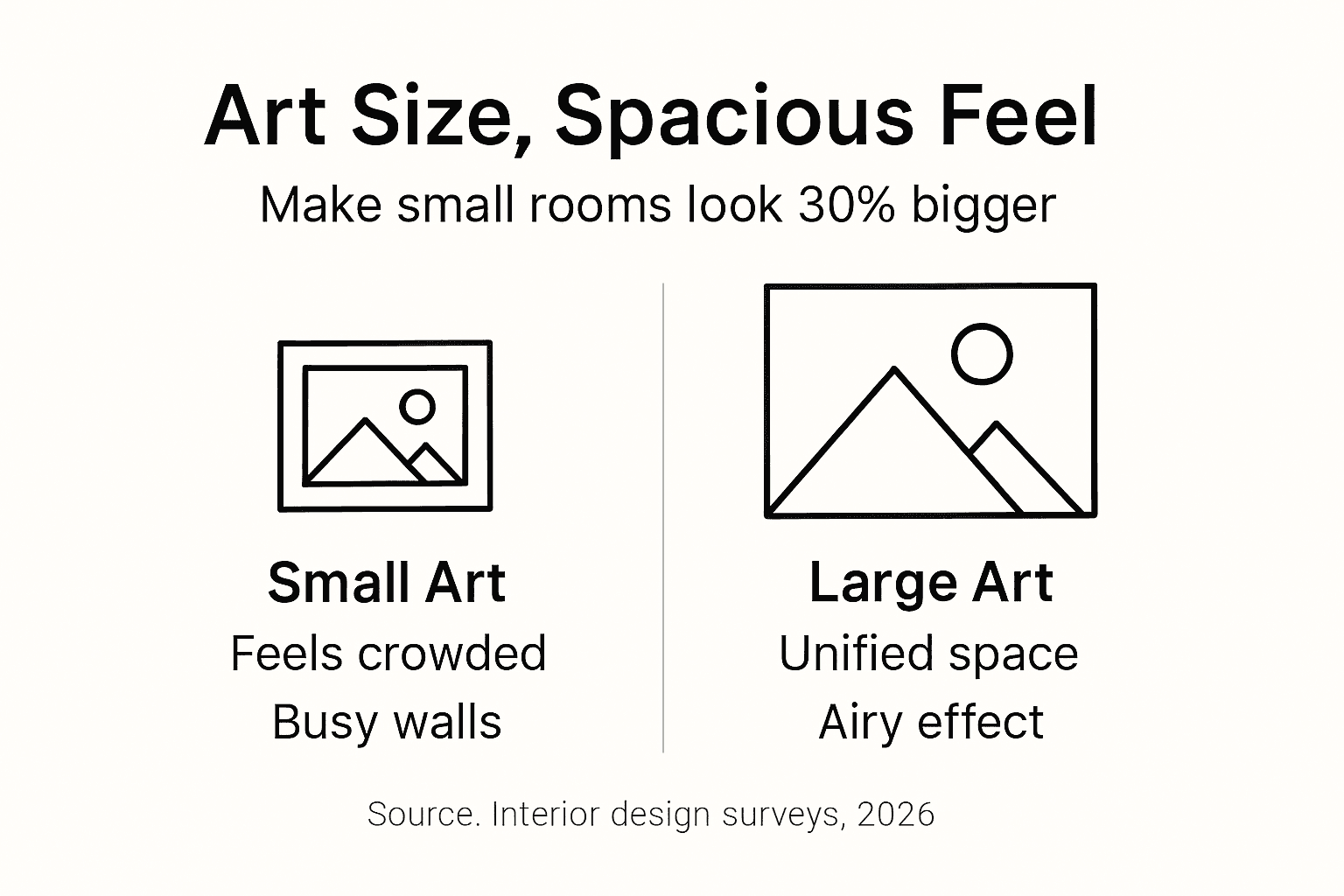
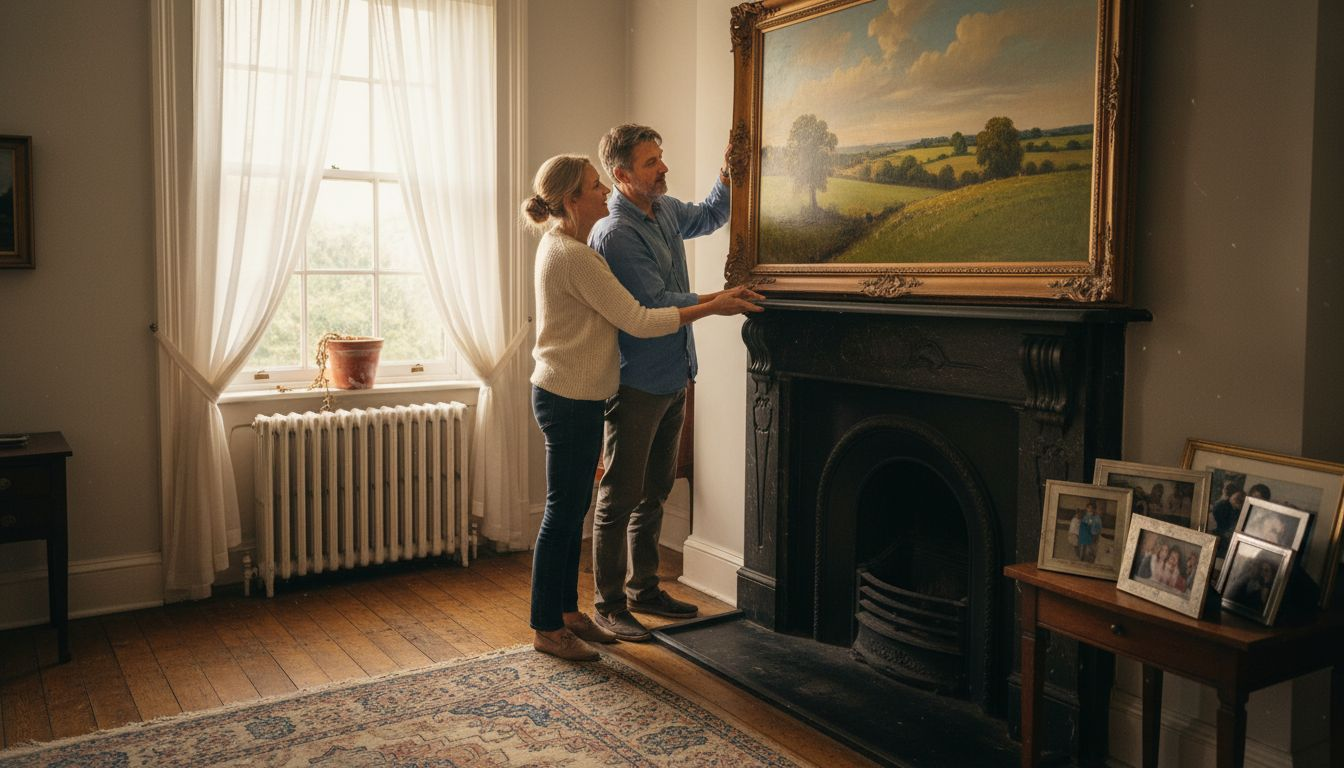
The biggest mistake homeowners make is assuming small rooms need small art. This intuitive logic backfires spectacularly. Multiple small pieces create visual fragmentation, making your eye jump from spot to spot without rest. The result feels busy and cramped.
Research indicates that 70% of homeowners initially misunderstand art sizing for small spaces. Larger artworks actually make rooms feel more spacious by creating unified focal points. When you hang one substantial piece, you give the room a clear visual anchor. Your brain interprets this unity as order and spaciousness.
Another myth involves hanging height. Many believe art must hang at exact eye level, typically 57 inches from the floor. In small rooms with lower ceilings, this guideline can waste valuable vertical space. Placing art slightly higher draws the eye upward, creating the illusion of taller walls.
The table below compares common approaches:
| Approach | Visual Impact | Best For |
|---|---|---|
| Many small pieces | Cluttered, busy feel | Large gallery walls only |
| Single large piece | Unified, spacious feel | Small to medium rooms |
| Vertical arrangement | Enhanced height perception | Rooms with low ceilings |
| Horizontal arrangement | Enhanced width perception | Narrow spaces |
Size proportions matter more than absolute dimensions. A piece that covers 50% to 75% of available wall space creates presence without overwhelming. In a small room, this might mean a 36-inch by 48-inch canvas on your main wall. This feels counterintuitive but works because it establishes clear visual hierarchy.
Pro Tip: Before buying art, tape newspaper sheets on your wall in the dimensions you are considering. Live with this mockup for a few days to see how the scale feels in your daily life.
Understanding proper styling of large wall art in small spaces transforms decorating from guesswork into intentional design.
Color, Style, and Material Choices for Small Spaces
Color psychology profoundly affects how spacious a room feels. Light-toned artwork reflects more illumination, brightening the entire space and pushing walls visually outward. Studies confirm that light-toned art brightens small spaces while textured, three-dimensional art adds depth to compact rooms.
Cool colors like blues, greens, and soft grays recede visually, making walls appear farther away. Warm colors like reds, oranges, and deep yellows advance toward you, claiming space. In tiny rooms, cool-toned art creates breathing room. Save warm, bold colors for accent pieces or rooms where you want intimacy rather than spaciousness.
Material choices add another dimension. Textured canvases, mixed media pieces, and works with subtle three-dimensional elements create visual interest without requiring more wall space. A textured abstract piece catches light differently throughout the day, adding dynamic movement that prevents monotony.
Style coherence matters for spatial perception. When your art harmonizes with your interior design style, the room feels intentional and organized. Mixing too many conflicting styles creates the visual chaos that makes spaces feel smaller. This does not mean everything must match perfectly, but there should be connecting threads in color palette, era, or mood.
Consider these guidelines:
- Choose art with at least 40% light tones for maximum spaciousness
- Limit dominant warm colors to prevent visual crowding
- Select pieces with subtle texture for added dimensionality
- Match art style to overall interior design aesthetic
- Avoid heavy, dark frames that add visual weight
Pro Tip: If you love a dark or bold piece, balance it with lighter surrounding elements. The contrast can actually enhance the sense of space by creating visual rhythm.
Exploring resources for choosing art color and style for small spaces helps you make confident decisions aligned with both aesthetic preferences and spatial goals.
Practical Art Placement Tips for Maximizing Space
Placement transforms good art into great spatial design. Placing art above standard eye level increases perceived room height and spaciousness. In rooms with eight-foot ceilings, hanging art with its center at 60 to 62 inches creates upward visual movement.
Follow these strategic placement steps:
- Identify your primary sight line when entering the room. This wall deserves your boldest, most impactful piece.
- Measure your wall space and choose art that fills 50% to 75% of the available width for proper scale.
- Hang the piece slightly above traditional eye level, with the center at 60 to 65 inches from the floor.
- Step back and view from multiple angles, including doorways and seating areas, to ensure the placement works from all perspectives.
- Leave adequate breathing room around the piece, at least 6 to 8 inches from furniture edges and other artworks.
Vertical placement strategies work wonders in rooms with low ceilings. A tall, narrow piece or a vertical arrangement of two or three works draws eyes upward. This simple trick makes ceilings feel higher than they actually are.
Consider the furniture relationship carefully. Art hung above a sofa should span two-thirds to three-quarters of the furniture width. Too narrow looks unbalanced and lost. Too wide overwhelms and makes the furniture look small, which paradoxically makes the room feel cramped.
Corner placement offers an unexpected solution for awkward spaces. A single piece in a corner creates depth and suggests the room extends beyond visible boundaries. This works especially well in studio apartments or open-plan spaces where defining zones matters.
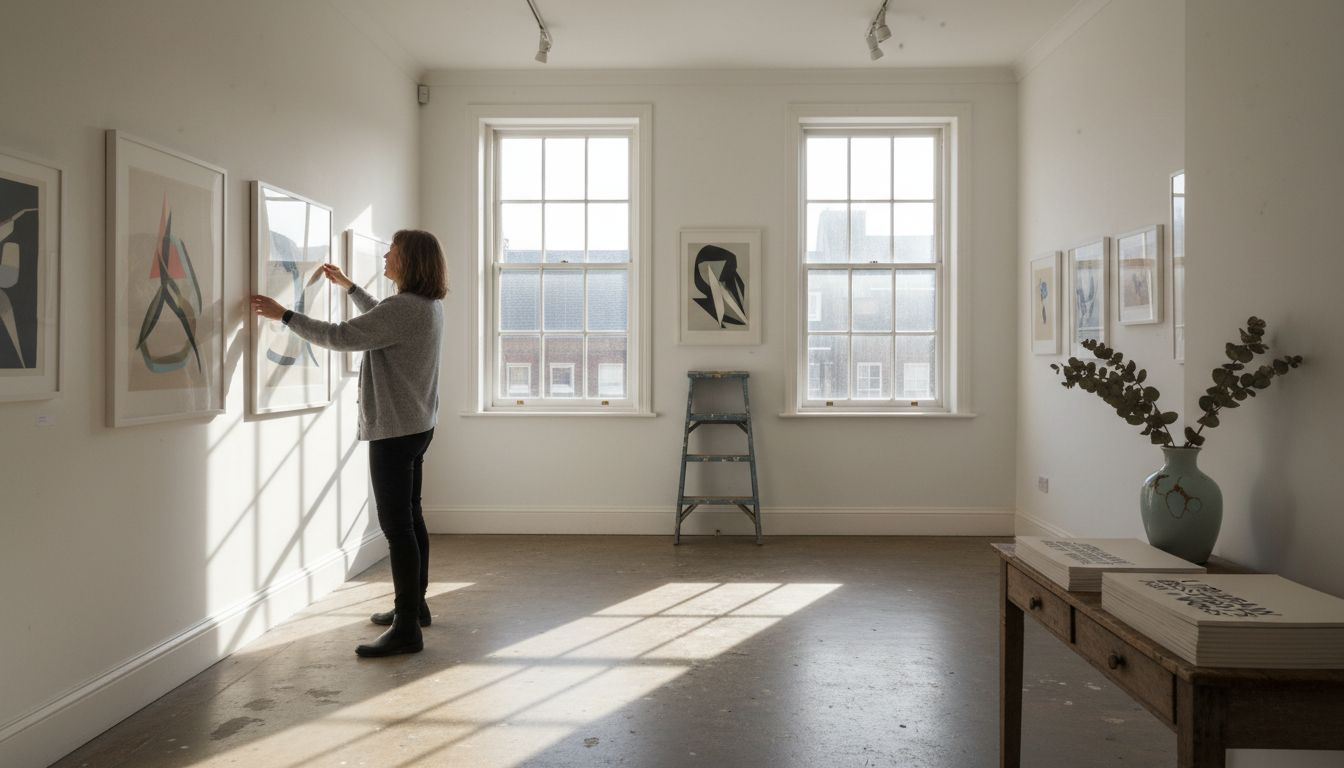
Avoid the gallery wall trap in truly small rooms. While popular, gallery walls with multiple pieces require significant visual processing. In compact spaces, this creates the busy, cluttered feeling you want to avoid. Save gallery walls for larger areas or single expansive walls where they can breathe.
For detailed guidance, review these expert art placement tips specifically designed for space optimization.
Benefits of Customization and Personalization in Small Spaces
Customization solves the fit problem that plagues small space decorating. Standard art sizes rarely match your exact wall dimensions, leaving awkward gaps or requiring compromises. Customizable art tailors size, color, and style to overcome small space limitations while boosting your personal connection to the piece.
Bespoke art offers several practical advantages:
- Perfect dimensional fit for unusual wall spaces
- Color coordination with existing décor and furnishings
- Subject matter reflecting personal interests and identity
- Exact style matching to interior design aesthetic
- Integration of functional elements like concealed storage
Personalization creates emotional resonance that transforms a house into a home. When art reflects your experiences, travels, values, or aspirations, you connect with your space on a deeper level. This emotional investment makes even small rooms feel welcoming rather than limiting.
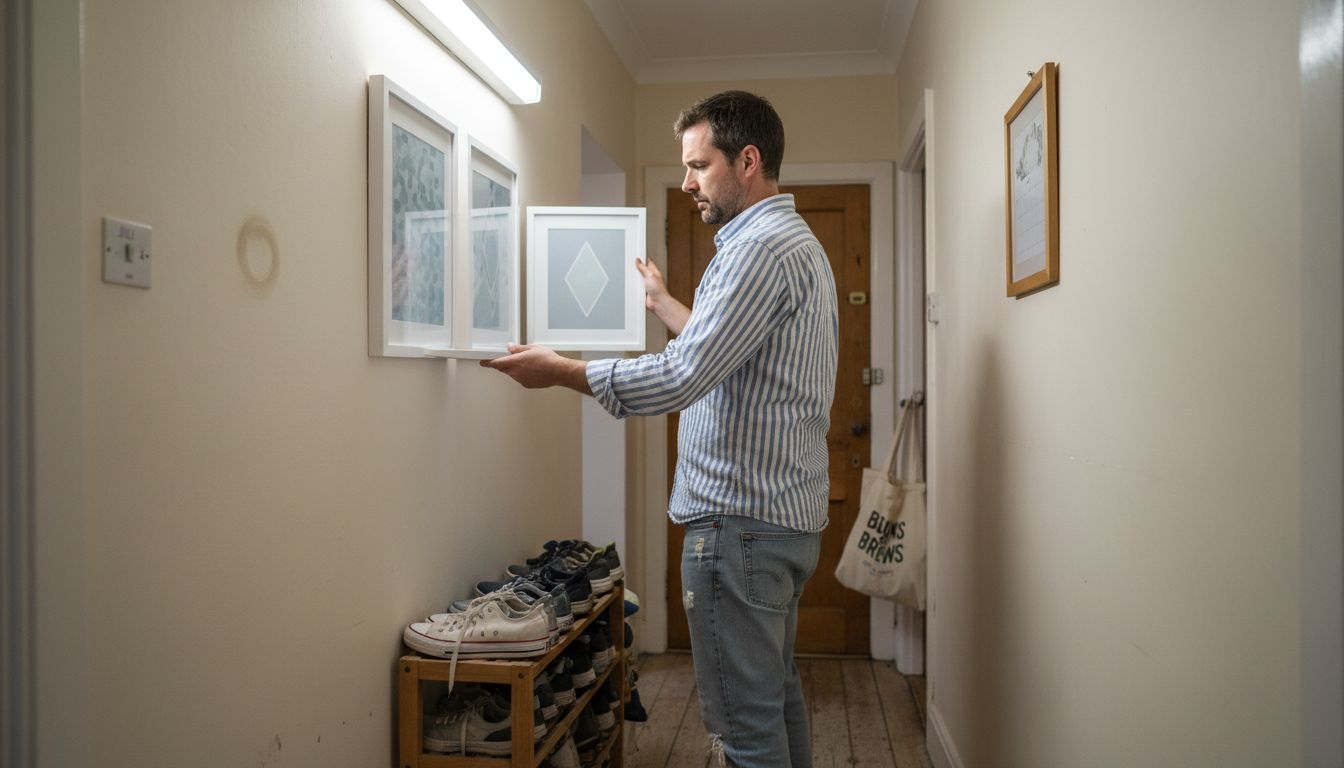
Custom prints allow you to choose images meaningful to you, then size and format them perfectly for your walls. A photo from a memorable trip, sized precisely for that narrow hallway, becomes both decoration and daily inspiration. This beats generic store-bought pieces that millions of other homes display.
Commissioned artwork takes personalization further. Working with an artist to create something unique ensures no sizing compromises. You specify dimensions, colors, and themes that solve your exact spatial challenges while expressing your personality. The investment often costs less than you might expect, especially for digital or print-based custom work.
For urban homeowners facing space constraints, customization eliminates the frustration of searching for that perfect-sized piece. You start with your space requirements, then create art to match rather than forcing standard sizes into incompatible areas.
Learn more about the benefits of customizing wall art to make informed decisions about personalization options.
Bringing It All Together: Decorating Small Urban Spaces with Art
Transforming a small urban home with art requires integrating everything you have learned about scale, color, placement, and personalization. Start by assessing your space honestly. Measure walls, note ceiling heights, identify primary sight lines, and understand your lighting conditions.
Create a cohesive strategy rather than buying pieces impulsively. Choose a color palette that enhances spaciousness, typically featuring light, cool tones with strategic warm accents. Select one or two substantial pieces for your main living areas rather than scattering many small works. Position these statement pieces to create focal points that guide attention and reduce visual clutter.
Key principles for success include:
- Prioritize quality and impact over quantity of pieces
- Maintain visual consistency through coordinated colors and styles
- Use vertical arrangements to enhance perceived ceiling height
- Leave adequate negative space around artworks for breathing room
- Leverage customization to solve unique spatial challenges
- Consider sight lines from multiple positions within each room
Art functions as more than decoration in small spaces. It becomes a tool for psychological well-being, helping you feel calm, inspired, and connected to your environment. A carefully chosen piece that resonates with you personally transforms daily life, making your compact home feel like a sanctuary rather than a compromise.
Remember that less truly means more in small rooms. A single stunning piece that perfectly fits your space and reflects your personality accomplishes more than a dozen mediocre works. Invest your budget wisely in fewer, better pieces that solve spatial challenges while expressing who you are.
As you develop your approach, explore comprehensive wall art selection strategies designed to help you navigate the decision-making process with confidence.
The transformation happens gradually. Start with one room and one perfect piece. Live with it, observe how it changes your perception and mood, then expand to other areas using the same thoughtful approach. Your small urban home has tremendous potential for beauty and spaciousness when you understand how to harness the power of art.
Discover Customizable Wall Art to Transform Your Space
Ready to put these principles into practice? Frametheworld offers extensive options for both ready-made and customizable wall art perfectly suited to small urban spaces. Browse collections organized by style, theme, size, and format to find pieces that match your vision. The platform makes it simple to personalise your space with art tailored to your exact requirements. Explore custom print options to bring your own images or ideas to life in the perfect dimensions for your walls. Professional guidance helps you navigate the selection process, and the wall art selection guide provides additional insights to ensure you choose pieces that maximize both aesthetics and perceived spaciousness.
Frequently Asked Questions
What is the best size of art for a small room?
Choose pieces that cover 50% to 75% of your available wall width. Larger artworks create unified focal points that make rooms feel more spacious than multiple small pieces, which cause visual fragmentation.
How does art color affect mood in small spaces?
Light, cool colors like soft blues and grays make spaces feel larger and calmer by reflecting light and visually receding. Warm, dark colors create intimacy but can make small rooms feel more confined.
Can I use multiple small pieces instead of one large piece?
Multiple small pieces work better in larger rooms with dedicated gallery walls. In truly small spaces, they create visual clutter that makes the area feel cramped and disorganized compared to a single statement piece.
What are easy ways to customize art for my home?
Custom print services let you select personal photos or images and specify exact dimensions for your walls. Many platforms offer online tools to preview how different sizes and frames look before ordering.
Where is the ideal height to hang art in compact rooms?
Hang art with its center at 60 to 65 inches from the floor, slightly above traditional eye level. This placement draws eyes upward and enhances perceived ceiling height in rooms with low ceilings.

Leave a comment
This site is protected by hCaptcha and the hCaptcha Privacy Policy and Terms of Service apply.