
TL;DR:
- Art style influences a room’s emotional tone, personality, and perceived space size.
- Choosing art based on existing colors, textures, and mood helps achieve cohesive interiors.
- Proper framing and placement enhance artwork impact and complement room design.
Choosing wall art feels deceptively simple until you’re standing in a room that looks completely wrong despite your best efforts. Most people focus on colour or size, yet overlook the single most powerful factor: art style. The style you choose doesn’t just fill a blank wall. It sets the emotional tone of an entire room, communicates your personality, and can make a small space feel expansive or a large one feel intimate. This guide walks you through the core criteria for selecting art styles, introduces the most impactful options for contemporary interiors, compares them side by side, and gives you room-by-room advice to make confident, lasting choices.
Table of Contents
- How to choose the right art style for your space
- Top art styles for contemporary interiors
- Comparing art styles: which suits your interiors best?
- Room-by-room recommendations and practical tips
- Framing, size, and placement: making your chosen art shine
- Why curating art for interiors is more than just decoration
- Bring your vision to life with bespoke art and expert advice
- Frequently asked questions
Key Takeaways
| Point | Details |
|---|---|
| Start with room context | Consider each space’s colour, function, and lighting before selecting art styles. |
| Mix and match thoughtfully | Combining styles works if you unify with colour or framing for a cohesive look. |
| Prioritise quality and placement | Professional framing and strategic placement make even simple art striking. |
| Let art reflect personality | Choose pieces that express your identity and enhance atmosphere, not just trends. |
How to choose the right art style for your space
Before browsing collections or falling for the first striking print you see, it pays to assess your space with fresh eyes. The right art style emerges from a clear understanding of what you already have and what you want to feel.
Start by looking at your room’s existing elements:
- Colour palette: Identify your dominant and accent colours. Warm tones like terracotta and ochre pair naturally with earthy, organic art styles, while cool greys and whites open up possibilities for bold abstract or monochrome work.
- Materials and textures: A room with exposed brick and raw wood calls for something different than a sleek, lacquered space. Matching art with interiors means reading these material cues carefully.
- Scale and viewing distance: A large wall viewed from across the room demands a statement piece. A narrow hallway suits something intimate and detailed.
- The role of art: Decide whether you want art to serve as the room’s focal point or as a quiet accent that supports the overall scheme. The role of art in home style is often underestimated, yet it shapes how every other element reads.
- Mood and personality: Think about how you want to feel in the space. Energised? Calm? Inspired? Art style is the fastest way to shift a room’s emotional register.
“Selecting art that harmonises with your interior’s palette delivers a cohesive, sophisticated look.”
Pro Tip: Take a photo of your room in natural light before shopping for art. Reviewing the image on a screen makes it far easier to spot dominant colours and gaps that a new piece could fill.
Finally, balance trend with timelessness. Chasing what’s fashionable right now can leave you with a piece that feels dated in three years. Choosing something that resonates personally tends to age far better.
Top art styles for contemporary interiors
With your criteria established, it’s time to explore the styles most suited to modern residential and commercial spaces. Art trends for homeowners show that a variety of approaches can genuinely rejuvenate and personalise any living space, so there’s no single correct answer.
Here are the five styles making the greatest impact right now:
- Abstract: Loose forms, gestural marks, and non-representational compositions add life and intrigue without competing with furniture or architecture. Abstract art works brilliantly in minimal, Scandi-influenced spaces where it provides the room’s only visual complexity.
- Pop Art: Bold outlines, flat colour, and retro cultural references inject energy and humour. If your interior leans playful or eclectic, a strong pop art print creates instant personality.
- Wabi Sabi: Rooted in Japanese philosophy, this style celebrates imperfection, natural textures, and quiet beauty. Earthy tones, organic shapes, and subtle compositions make it ideal for spaces where calm is the priority.
- Figurative and portraiture: A well-chosen portrait or figurative work creates narrative and drama. These pieces invite the eye and spark conversation, making them particularly powerful in living rooms and reception areas.
- Nature-inspired: Botanical prints, landscape photography, and organic motifs support biophilic design, which is the practice of connecting interior spaces to the natural world. Research consistently links nature-inspired environments to reduced stress and improved wellbeing.
Pro Tip: If you’re unsure where to start, explore modern wall art styles to see how each looks in real interior settings before committing.
Each of these styles carries a distinct mood. Understanding that mood is the key to making a choice you’ll love for years.
Comparing art styles: which suits your interiors best?
Seeing styles listed individually is useful, but a direct comparison makes the decision far clearer. As art styles explained notes, different styles work optimally in particular settings, affecting a space’s energy and perceived size.
| Art style | Colour intensity | Mood | Best room | Ease of pairing |
|---|---|---|---|---|
| Abstract | Variable | Dynamic, open | Living room, office | High |
| Pop Art | High | Bold, playful | Kitchen, studio | Medium |
| Wabi Sabi | Low to medium | Calm, grounded | Bedroom, bathroom | Very high |
| Figurative | Variable | Dramatic, personal | Living room, hallway | Medium |
| Nature-inspired | Low to medium | Serene, fresh | Any room | Very high |
A few key observations from this comparison:
- Wabi Sabi and nature-inspired styles are the most versatile. They pair easily with almost any existing decor and work across every room type.
- Pop Art is room-specific. It thrives where energy is welcome but can overwhelm quieter, more restrained spaces.
- Abstract art offers the widest creative range. A monochrome abstract suits a minimal bedroom just as well as a colourful piece energises a corporate lobby.
- For large walls, consider the large scale art guide to understand how scale interacts with style choices.
Pro Tip: When in doubt between two styles, choose the one that reflects how you want to feel in the room rather than how it currently feels. Art is one of the few elements that can shift a room’s atmosphere without structural changes.
Room-by-room recommendations and practical tips
Knowing which style suits which space is only half the work. Applying that knowledge practically, room by room, is where real transformation happens. As the art selection for each room guide makes clear, room context and function matter greatly when selecting art styles for best effect.
Living room: This is your primary statement space. Go expressive. Large-scale abstract, bold figurative work, or a curated gallery wall all work well here. Choose something that sparks conversation and anchors the seating area. For more specific ideas, the living room wall decor guide offers practical layout advice.
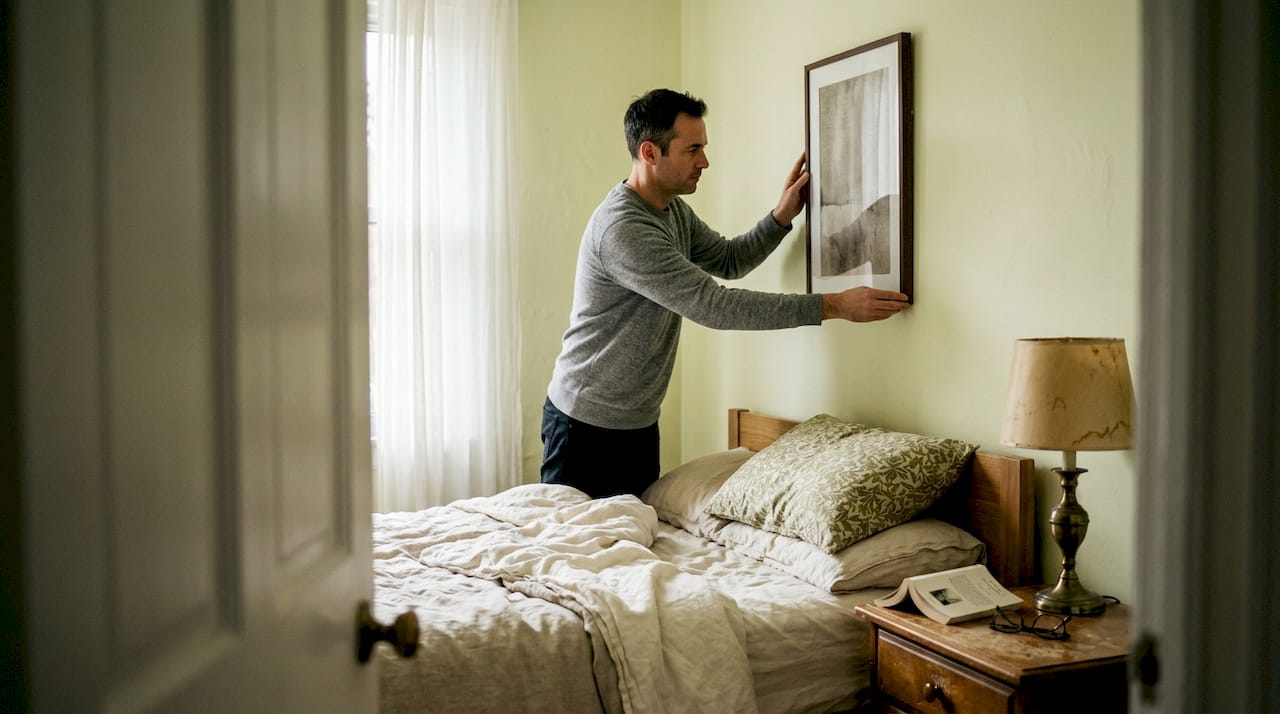
Bedroom: Prioritise calm. Wabi Sabi, soft botanicals, or muted abstract compositions support rest and relaxation. Avoid high-contrast or visually busy pieces directly opposite the bed.
Kitchen: This is the room where playful and motivational themes shine. Food-related illustration, pop art prints, or typographic work adds warmth and personality without overwhelming a functional space.
Hallway: A series of related prints or a cohesive set creates a strong visual journey. Consistent framing and a unified colour story tie the sequence together.
Commercial spaces: Art should align with brand values and the experience you want clients or guests to have. For hospitality projects, the art for hotels tips resource covers how to use art to guide mood from entrance to suite.
A simple process for room-by-room selection:
- Identify the room’s primary function and desired mood.
- Match that mood to the style comparison table above.
- Shortlist two or three pieces in the right scale.
- Assess against your existing colour palette.
- Commit to the piece that feels most authentic to the space and its occupants.
“The best art for any room is the piece that makes you pause every time you walk past it.”
Framing, size, and placement: making your chosen art shine
Once you’ve selected your art style and identified the right room, the finishing details determine whether the piece truly elevates the space or simply occupies it. Professional framing and considered placement elevate the impact of any artwork significantly.
Choosing a frame: Frame material and colour should complement both the artwork and the room’s existing materials. A slim black metal frame suits contemporary and industrial interiors. A natural oak or walnut frame works beautifully with organic, Wabi Sabi, or Scandi styles. Ornate gilded frames are best reserved for classical or maximalist spaces.
| Room | Recommended art width | Hanging height |
|---|---|---|
| Living room (above sofa) | 60 to 80% of sofa width | 145 to 152 cm from floor to centre |
| Bedroom (above bed) | 50 to 70% of headboard width | 15 to 20 cm above headboard |
| Hallway | 30 to 50 cm wide per piece | Eye level, approx. 150 cm to centre |
| Large feature wall | 80 cm or wider | Centred to wall |
Key placement principles:
- Eye level is everything. The centre of a piece should sit at approximately 145 to 152 cm from the floor, which is average eye level for a standing adult.
- Above furniture: Leave 15 to 20 cm of space between the top of a sofa or headboard and the bottom of the frame.
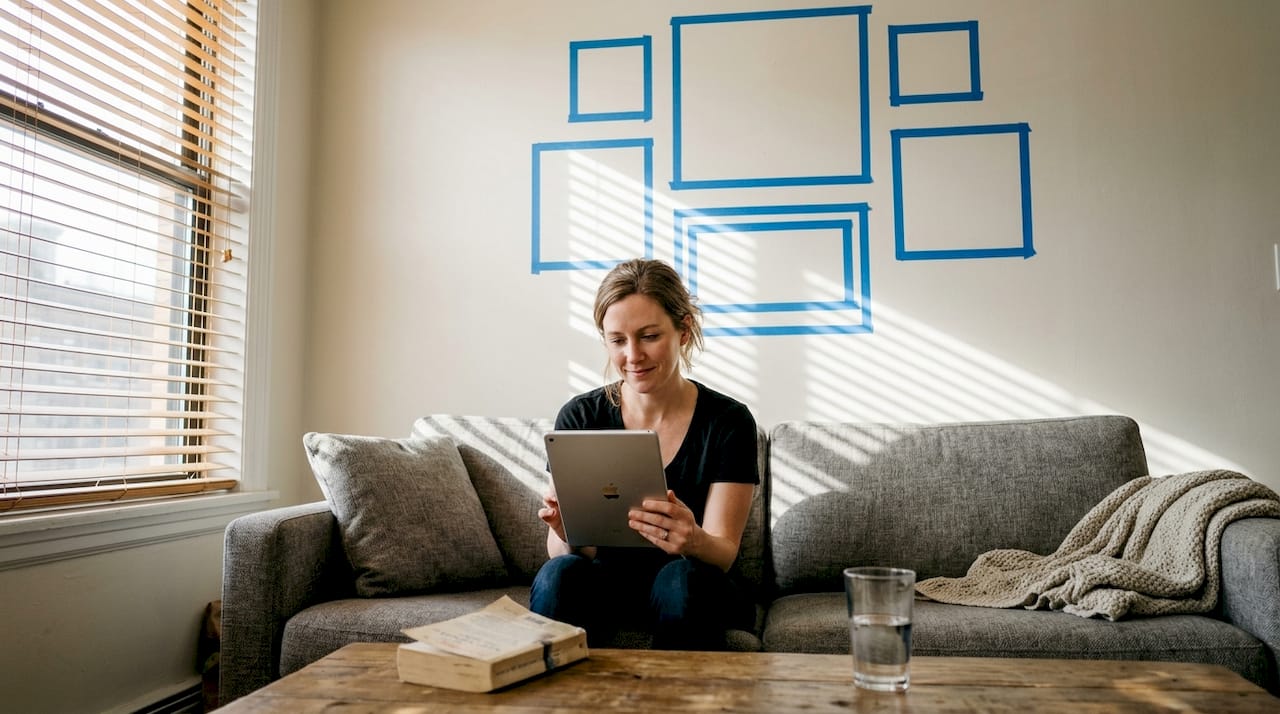
- Gallery walls: Use paper templates taped to the wall before hammering anything. This lets you adjust the arrangement without damage.
Pro Tip: For gallery walls, start with the largest piece at the centre and build outward. Keeping consistent spacing of 5 to 8 cm between frames creates a polished, intentional look. The framing art guide covers this in detail.
Why curating art for interiors is more than just decoration
There’s a tendency to treat wall art as the final item on a decorating checklist, something you add once the furniture is in place and the paint has dried. We’d push back on that entirely. Art isn’t a finishing touch. It’s a foundational choice that shapes how a room feels to everyone who enters it.
The most memorable interiors we encounter aren’t the ones with the most expensive furniture or the most fashionable colour palette. They’re the ones where the art tells you something true about the person who lives or works there. A carefully chosen piece of art as personal expression communicates values, sensibility, and character in a way that no paint colour or sofa ever can.
Chasing trends is tempting, but it produces interiors that feel borrowed rather than owned. The most powerful approach is to select art that you genuinely respond to, then build the surrounding space to support it. That inversion, starting with art rather than ending with it, consistently produces spaces with real soul and lasting appeal.
Bring your vision to life with bespoke art and expert advice
Feeling inspired to transform your spaces? At Frametheworld, we offer curated collections and fully tailored solutions to help you find exactly the right piece for any room or project. Whether you’re drawn to the calm of Wabi Sabi wall art, the bold energy of our pop art collection, or something entirely unique, our custom print service lets you create bespoke artwork matched precisely to your space, palette, and brief. We work with both homeowners and professional interior designers on projects of every scale. Get in touch to discuss your vision and we’ll help you make it a reality.
Frequently asked questions
How do I determine which art style fits my living room?
Look at your existing colour tones, the mood you want to create, and whether you need a statement focal point or a subtle complement. Selecting art that harmonises with your interior’s palette consistently delivers the most cohesive result.
Are certain art styles better for commercial interiors?
Abstract, nature-inspired, and brand-aligned styles tend to work best in commercial settings because they evoke specific atmospheres without being divisive. Room context and function matter greatly when selecting art styles for professional environments.
Is it okay to mix different art styles in one room?
Yes, mixing styles can add genuine depth and personality, but you need a unifying thread. Consistent framing, a shared colour palette, or a common subject matter keeps the arrangement feeling intentional. Balancing trends with timelessness ensures the mix doesn’t date quickly.
What size should my wall art be?
As a general rule, art above furniture should fill two-thirds to three-quarters of the width of that furniture. For standalone walls, aim for a piece that commands attention without crowding the space. The framing art guide includes specific sizing recommendations for different room types.


Leave a comment
This site is protected by hCaptcha and the hCaptcha Privacy Policy and Terms of Service apply.