
Choosing the right wall decor can feel overwhelming when you’re faced with endless options and conflicting design advice. The wrong choice disrupts your room’s harmony, whilst the perfect theme elevates your entire space and reflects your personality. This guide explores the most impactful wall decor themes for 2026, packed with expert insights on proportion, placement, and styling to help you create interiors that truly inspire.
Table of Contents
- How To Evaluate Wall Decor Themes For Your Space
- Personal Gallery Walls: Storytelling With Curated Art
- Oversized And Statement Pieces: Bold Focal Points
- Nature-Inspired And Biophilic Designs For Wellness
- Comparison Of Top Wall Decor Themes For Different Needs
- Explore Unique Wall Art Collections To Enhance Your Home
Key takeaways
| Point | Details |
|---|---|
| Personal gallery walls | Curated collections of photos, prints, and souvenirs tell your unique story through thoughtful arrangement |
| Oversized statement pieces | Bold singular artworks create dramatic focal points when paired with minimal surrounding decor |
| Nature-inspired designs | Botanical prints and living elements promote wellness whilst enhancing aesthetic appeal |
| Proportion matters | Matching artwork scale to wall size prevents visual clutter and maintains spatial balance |
How to evaluate wall decor themes for your space
Before diving into specific themes, you need a framework for assessing what works in your home. Start by examining your room’s existing style, colour palette, and furniture pieces. Choosing wall decor that clashes with furniture and colour disrupts harmony, creating visual confusion rather than cohesion.
Consider your wall dimensions and natural lighting conditions next. Large walls with abundant light can handle bold, dark pieces, whilst smaller or dimly lit spaces benefit from lighter tones and modest sizing. Personal expression should guide your choices, but balance this with room function. A serene bedroom demands different themes than an energetic living area.
Proportion and scale determine success or failure in wall decor. Oversized art on tiny walls creates a cramped feeling, whilst small pieces scattered across expansive walls appear lost and insignificant. Proper placement at eye level grounds your room and creates visual flow.
Pro tip: Measure your wall space before shopping and use painter’s tape to outline potential artwork positions, helping you visualise scale and placement before committing to purchases.
Your wall art selection guide perfect art home journey becomes simpler when you apply these evaluation criteria systematically. Create a checklist covering style compatibility, size requirements, lighting conditions, and functional needs. This structured approach prevents impulse purchases that clash with your existing decor.
Personal gallery walls: storytelling with curated art
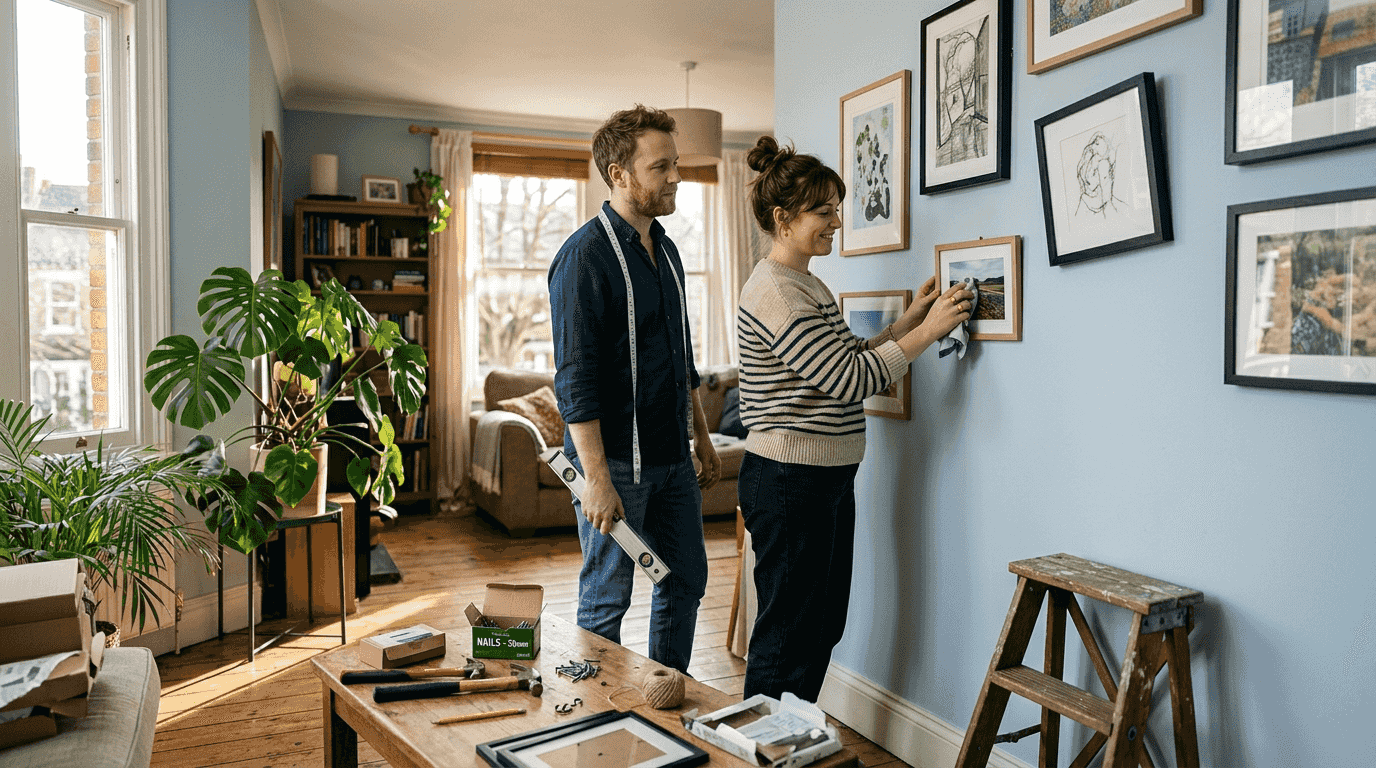
Gallery walls have evolved beyond symmetrical grids into dynamic personal narratives. This theme lets you blend family photos, artistic prints, travel souvenirs, and meaningful objects into a cohesive display that reflects your experiences and values. The shift from symmetrical gallery walls to curated personal storytelling represents one of 2026’s most significant design movements.
Mixing frame sizes, materials, and artwork types creates visual texture and depth. Combine canvas prints with framed photographs, add small sculptural elements, and incorporate varied frame finishes from matte black to natural wood. This eclectic approach feels intentional rather than chaotic when you maintain consistent spacing between pieces.
Personal galleries excel in living rooms, hallways, and study areas where you want to spark conversation and showcase individuality. They work brilliantly in contemporary, eclectic, and transitional interiors but require careful planning to avoid visual clutter.
Pro tip: Lay out your entire gallery arrangement on the floor before hanging anything, photographing the layout to reference during installation and ensuring balanced visual weight across the display.
Avoid common pitfalls by maintaining 5 to 8 centimetres of consistent spacing between frames. Start with your largest or most significant piece as an anchor, then build outward. Your wall art selection process personalise space becomes more manageable when you work from a central focal point.
Consider professional framing for cherished items to elevate the overall presentation. Quality frames protect your memories whilst adding polish to the arrangement. Master the wall art framing process techniques ensure your personal gallery maintains its impact for years.
Oversized and statement pieces: bold focal points
Oversized artwork transforms rooms through sheer visual impact, serving as the primary focal point that anchors your entire design scheme. A single large piece creates more drama than multiple small artworks scattered across the same wall space. However, using oversized art carefully to avoid visual clutter requires restraint in surrounding decor.
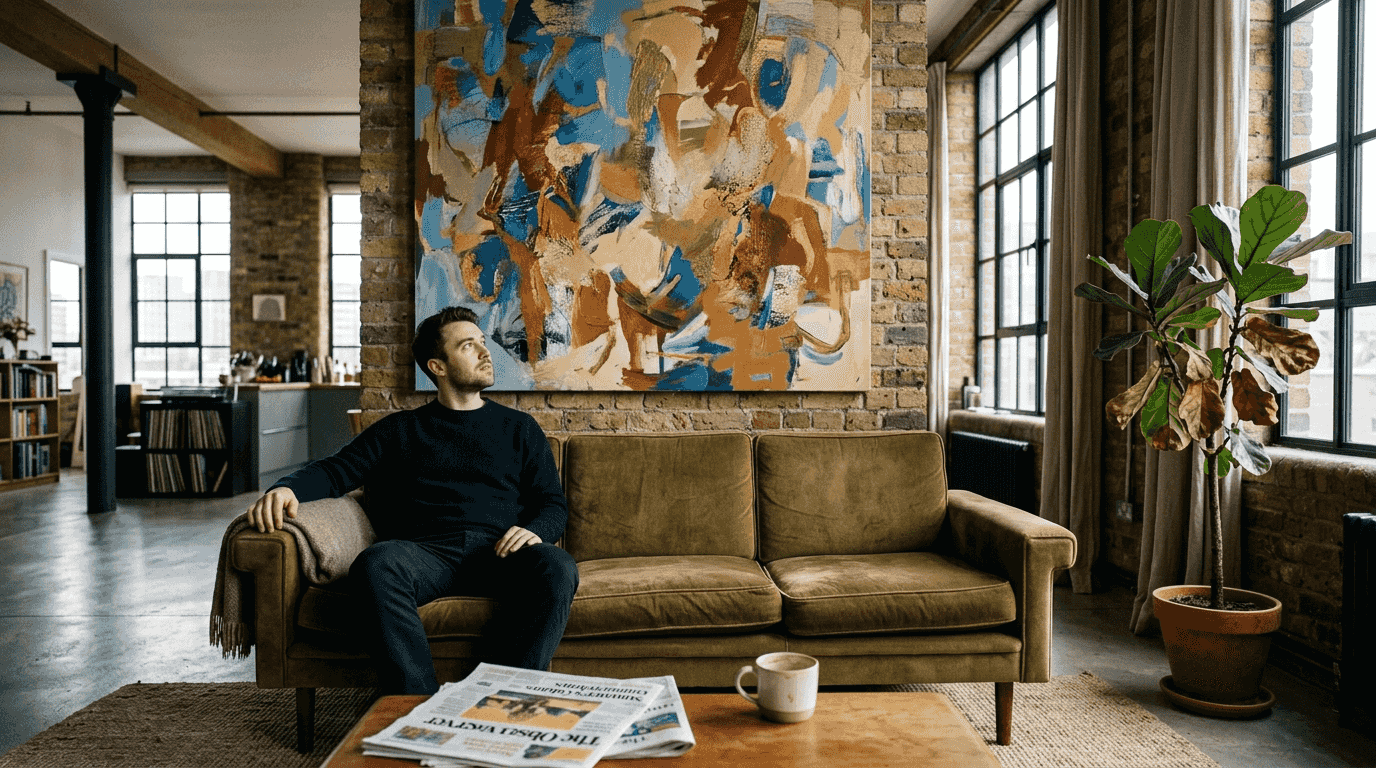
Pair statement pieces with minimal furniture and accessories to let the artwork breathe. Overcrowding the space dilutes impact and creates competition for attention. Choose pieces that complement your colour scheme without overwhelming it, using artwork to introduce accent colours rather than clashing tones.
Proper sizing prevents the cramped feeling that occurs when artwork dwarfs the wall. Aim for pieces that occupy 60 to 75 percent of your available wall width for balanced proportions. Placement at eye level, typically 145 to 152 centimetres from floor to centre, grounds the composition and ensures comfortable viewing.
| Aspect | Oversized Art | Multiple Small Pieces |
|---|---|---|
| Visual impact | Immediate focal point | Distributed interest |
| Room perception | Makes spaces feel larger | Can fragment visual flow |
| Styling complexity | Minimal surrounding decor needed | Requires careful arrangement |
| Best for | Modern, minimalist interiors | Eclectic, traditional spaces |
| Maintenance | Single piece to clean and maintain | Multiple frames require attention |
Pro tip: Test oversized art placement using large paper templates cut to exact dimensions, taping them to your wall to assess scale and position before making holes.
Your styling large wall art blog resources provide specific techniques for different room types. Living rooms benefit from horizontal orientations that complement sofa lines, whilst vertical pieces suit narrow walls in hallways or beside doorways.
Commercial and residential projects both embrace statement art for its transformative power. Expert tips large space art solutions address common challenges in open-plan layouts where oversized pieces define zones without physical barriers.
Nature-inspired and biophilic designs for wellness
Botanical prints, living plant walls, and nature photography bring the outdoors inside, creating calming environments that support mental wellbeing. Biophilic design boosts aesthetics and promotes healthier environment through connections with natural elements, making this theme increasingly popular in both homes and workplaces.
This approach works beautifully in contemporary minimalist spaces and traditional country interiors alike. Pair botanical prints with neutral colour palettes and natural materials like wood, stone, and linen for cohesive schemes. The versatility of nature-inspired themes means you can adapt intensity from subtle leaf prints to dramatic living walls.
Living walls require more maintenance than prints but deliver unmatched visual and air quality benefits. Preserved moss panels offer a low-maintenance alternative that maintains the organic aesthetic without watering needs. Combine framed botanical illustrations with potted plants on shelves for layered natural interest.
Seasonality adds another dimension to nature-inspired decor. Rotate artwork to reflect changing seasons, swapping spring blossoms for autumn foliage or winter landscapes. This keeps your space feeling fresh and connected to the natural world outside.
Nature themes particularly suit bedrooms, bathrooms, and wellness spaces where relaxation is paramount. The calming greens and earth tones reduce stress and promote restful environments. Your top trends wall art 2026 stylish homes exploration reveals growing demand for sustainable, nature-connected interiors.
Comparison of top wall decor themes for different needs
Understanding how different themes suit various spaces helps you make informed decisions aligned with your lifestyle and aesthetic preferences. Popularity of wall decor themes fluctuates with trends and preferences, but certain principles remain constant across changing fashions.
| Theme | Best room types | Style compatibility | Key advantages | Considerations |
|---|---|---|---|---|
| Personal gallery walls | Living rooms, hallways, studies | Eclectic, transitional, contemporary | Highly personalised, flexible, tells your story | Requires planning, risk of clutter |
| Oversized statement art | Living rooms, dining rooms, bedrooms | Modern, minimalist, industrial | Immediate impact, simplifies decor | Needs large walls, significant investment |
| Nature-inspired designs | Bedrooms, bathrooms, wellness spaces | Contemporary, traditional, Scandinavian | Promotes wellbeing, versatile, calming | May feel dated if overly literal |
Choose personal galleries when you value storytelling and have diverse collections to display. This theme offers maximum flexibility for adding pieces over time and changing arrangements seasonally. It works brilliantly in family homes where memories and experiences deserve prominent display.
Oversized art suits minimalists who prefer bold simplicity over complexity. This approach demands confidence in your choices since replacing large pieces involves greater expense and effort. It excels in open-plan spaces where defining focal points proves challenging.
Nature-inspired themes appeal to wellness-focused individuals seeking calming, restorative environments. This option offers the widest style compatibility, adapting from rustic farmhouse to sleek contemporary through artwork selection and framing choices.
Consider your commitment level too. Gallery walls evolve easily with new additions, oversized pieces represent longer-term commitments, and nature themes can shift from prints to living elements as your confidence grows.
Explore unique wall art collections to enhance your home
FrametheWorld offers curated collections that bring these wall decor themes to life in your space. Whether you’re drawn to the serene simplicity of wabi sabi wall art or the vibrant energy of pop art wall art, you’ll find distinctive pieces that elevate your interiors.
Our custom print service lets you personalise artwork to match your exact specifications, ensuring perfect integration with your chosen theme. Browse varied styles from abstract to photographic prints, all available in multiple sizes to suit any wall dimension. Professional quality printing and framing options guarantee gallery-worthy results that transform your vision into reality.
FAQ
What size wall art is best for small rooms?
Smaller rooms benefit from singular mid-sized pieces rather than multiple small artworks that fragment visual space. Aim for artwork that occupies 50 to 60 percent of your wall width to maintain balance without overwhelming the room. Proper spacing from furniture and ceiling creates breathing room that enhances perceived openness. Your art in small spaces spacious feel 2026 strategy should prioritise vertical orientations that draw the eye upward, making ceilings appear higher.
How do I create a balanced gallery wall?
Start by selecting a central anchor piece, then arrange smaller items around it whilst maintaining 5 to 8 centimetres of consistent spacing between all frames. Mix frame sizes and orientations thoughtfully, ensuring visual weight distributes evenly across the entire arrangement. Include elements meaningful to your personal story for authentic cohesion rather than purely aesthetic choices. Your wall art selection process personalise space becomes more intuitive when you prioritise pieces that resonate emotionally.
What is biophilic design and why is it popular?
Biophilic design integrates natural elements into interiors, connecting occupants with nature through botanical prints, living walls, natural materials, and organic forms. It’s popular because research demonstrates measurable benefits including reduced stress, improved air quality, and enhanced creativity. This approach suits any interior style from minimalist contemporary to traditional country, adapting through your choice of natural elements and their presentation intensity.
Can I mix different wall decor themes in one home?
Absolutely, mixing themes across different rooms creates variety whilst maintaining cohesion through consistent framing styles, colour palettes, or materials. Use personal galleries in social spaces, oversized art in formal areas, and nature-inspired pieces in private retreats. Ensure transitions between rooms feel intentional rather than random by carrying through at least one unifying element like frame finish or dominant colour. This layered approach reflects how real homes evolve organically over time.

Leave a comment
This site is protected by hCaptcha and the hCaptcha Privacy Policy and Terms of Service apply.