

Wall decor in 2026 is undergoing a revolutionary shift towards print layering and tactile storytelling. Forget the dated notion that wallpaper belongs in the past. This year, homes reflect personal personas through curated textures, oversized statement art, and intentional collections that blur the line between minimalism and meaningful expression. You’ll discover how to transform your spaces with confidence using these accessible, trend-forward approaches.
Table of Contents
- Understanding The 2026 Wall Decor Landscape
- Wallpaper Trends Shaping Contemporary Interiors
- Wall Art And Galleries: Personal Storytelling And Bold Statements
- Blended Expression, Curated Nostalgia And Intentional Clutter
- Explore Custom Wall Art To Bring 2026 Trends Home
- Frequently Asked Questions About Wall Decor Trends 2026
Key takeaways
| Point | Details |
|---|---|
| Layered textures dominate | Combining tactile wallpapers with mixed-media art creates depth and personality without structural changes. |
| Biophilic design enhances wellbeing | Natural fibres and organic motifs bring calming outdoor elements into interior spaces. |
| Personal storytelling replaces perfection | Curated nostalgia and intentional displays celebrate lived-in authenticity over staged minimalism. |
| Statement art defines rooms | Oversized pieces become focal points that anchor design schemes and express bold individuality. |
| Wallpaper expands creatively | Applications now extend to ceilings, kitchen backsplashes, and furniture, offering endless transformation possibilities. |
Understanding the 2026 wall decor landscape
The design world has pivoted dramatically from stark minimalism towards richer, more personal interiors. This transformation centres on texture, layering, and authentic storytelling that makes each home uniquely yours.
Walls have evolved into narrative canvases rather than blank backdrops. The latest trend involves mixing patterns and textures to create spaces that feel curated over time rather than designed overnight. You’ll notice this approach in everything from gallery walls that combine family photos with botanical prints to wallpapers that mimic natural materials like linen or stone.
What’s driving this change? People crave connection and warmth after years of cold, impersonal aesthetics. Homes should extend our personas, reflecting individual journeys rather than following rigid design rules. This philosophy manifests in walls adorned with collected treasures, handmade pieces, and artworks that spark genuine emotion.
The move towards tactile surfaces represents a fundamental shift in how we experience our spaces:
- Wallpapers now replicate plaster, concrete, and weathered wood, adding architectural interest without renovation
- Gallery walls embrace asymmetry and mixed media, prioritising personal meaning over coordinated perfection
- Natural textures like sisal and grasscloth bring organic warmth that paint alone cannot achieve
- Artwork serves as both decoration and conversation starter, revealing your interests and travels
“Your walls tell your story. In 2026, we’re celebrating imperfection, memory, and the beautiful chaos of real life rather than pursuing magazine-perfect sterility.”
This landscape rewards experimentation and personal expression. You’re no longer bound by matching sets or predetermined colour schemes. Instead, successful wall art trends for 2026 encourage mixing eras, styles, and materials to create spaces that feel authentically yours. The key is intentionality, choosing each element for its personal significance rather than simply filling empty space.
Wallpaper trends shaping contemporary interiors
Wallpaper has shed its reputation as a permanent commitment that dates quickly. Today’s options offer transformative power with surprising versatility and removable formats that make experimentation risk-free.
Wallpapers mimicking 3-D surfaces create architectural drama without construction costs or dust. These faux finishes have reached stunning levels of realism, allowing you to achieve the grandeur of Venetian plaster or the rustic charm of reclaimed wood through simple application. The texture plays beautifully with light throughout the day, adding dynamic visual interest that flat paint cannot match.
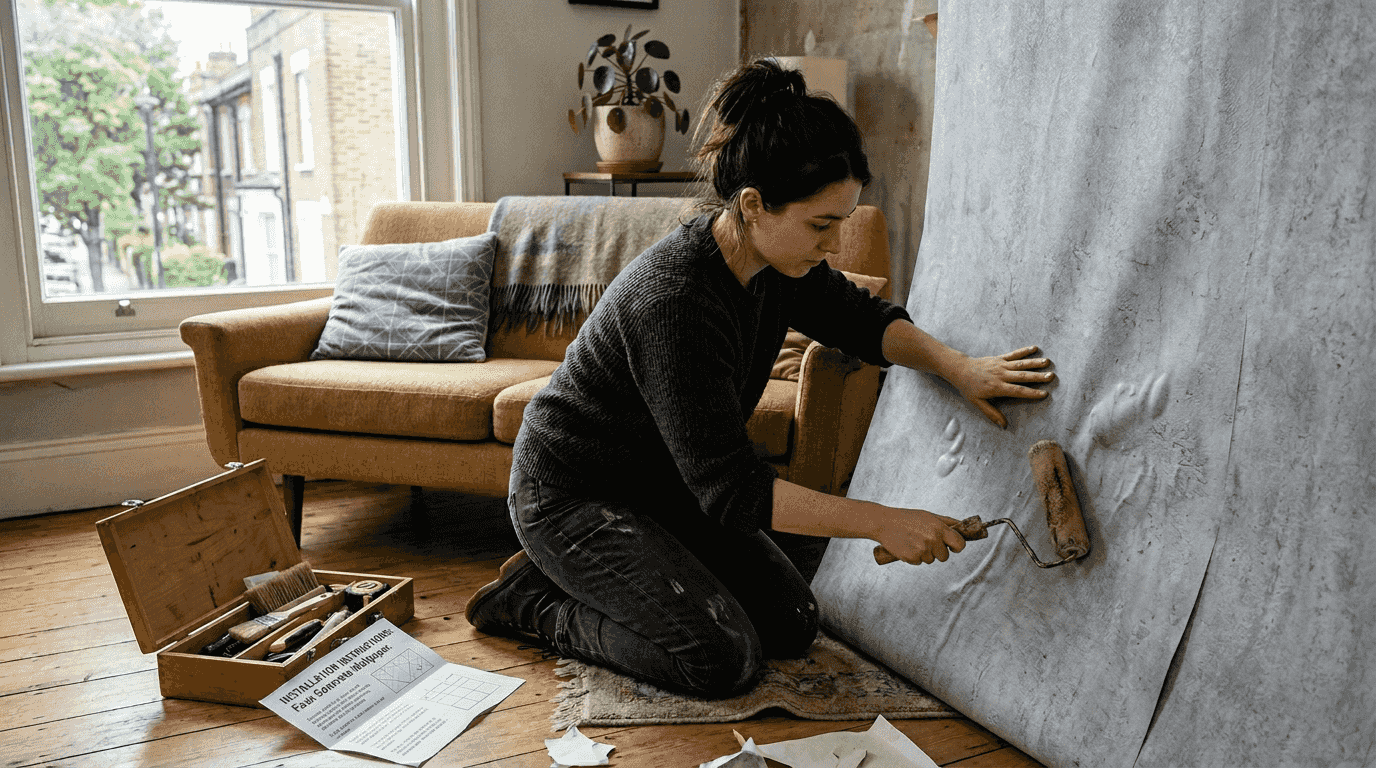
Natural fibre wallpapers represent another major movement. Materials like linen and sisal bring biophilic design principles directly to your walls, creating subtle texture that soothes and grounds. These organic surfaces work particularly well in bedrooms and living areas where you want to promote relaxation and connection to nature.
The most exciting shift involves creative applications beyond traditional walls:
- Ceiling treatments that draw the eye upward and make rooms feel more expansive
- Kitchen backsplashes protected with glass panels, offering pattern without tile installation
- Furniture transformations, giving dated pieces new life with contemporary patterns
- Accent panels that frame artwork or architectural features
- Bathroom feature walls that add personality to often-overlooked spaces
These installations typically require fewer materials than full-room coverage, making bold patterns more accessible and budget-friendly. You can create significant impact in a weekend without overwhelming your space or your wallet.
Faux plaster wallpapers deserve special attention for their versatility. Unlike busy patterns that compete for attention, these textured neutrals provide sophisticated backdrops that enhance rather than distract from your 2026 interior design art choices. The subtle variation creates depth whilst allowing statement pieces to shine.
Pro tip: Layer faux plaster wallpaper with mixed-media artwork featuring natural materials like pressed botanicals or handmade paper. The textural dialogue between wall and art creates gallery-worthy sophistication that feels collected rather than coordinated.
When selecting wallpaper, consider how it will interact with your lighting. Textured surfaces cast micro-shadows that change throughout the day, effectively giving you multiple looks from a single installation. This dynamic quality makes spaces feel alive and responsive rather than static.
Wall art and galleries: personal storytelling and bold statements
The rigid, symmetrical gallery wall has given way to more organic, personal arrangements that reflect your unique journey. This evolution prioritises meaning over matching, allowing you to display what you love without conforming to predetermined layouts.
Personal gallery walls emphasise storytelling through curated collections that mix acquired treasures with intentional art purchases. You might combine holiday snapshots from Morocco with vintage botanical prints and a contemporary abstract piece, creating visual layers that reward closer inspection. This approach transforms walls into evolving exhibitions that change as you collect new meaningful pieces.
The power of oversized art cannot be overstated. Large artwork creates focal points that immediately establish room character and mood. A single substantial piece can anchor an entire space more effectively than multiple smaller works, particularly in open-plan areas where you need to define distinct zones without physical barriers.
Compare these approaches to understand which suits your space:
| Approach | Best For | Key Benefit | Consideration |
|---|---|---|---|
| Oversized statement piece | Living rooms, above sofas, dining areas | Instant impact, simplified styling | Requires wall space of at least 150cm wide |
| Curated gallery wall | Hallways, stairwells, bedroom walls | Personal storytelling, evolving display | Takes time to develop, needs planning |
| Salon-style hanging | Studies, creative spaces, maximalist rooms | Rich visual texture, displays collections | Can overwhelm small or already-busy spaces |
| Diptych or triptych | Above beds, long narrow walls | Architectural balance, modern elegance | Pieces must relate cohesively |
When working with statement wall art, embrace the principle of breathing room. Surrounding your hero piece with minimal decor allows it to command attention without competing for visual dominance. This doesn’t mean empty walls everywhere, rather deliberate editing that lets your chosen artwork shine.
Mixing styles and materials creates dynamic interest:
- Combine photography with illustration to juxtapose realism and imagination
- Layer framed pieces with three-dimensional objects like sculptural shelving or woven wall hangings
- Mix colour and monochrome work to create rhythm and visual rest points
- Incorporate different frame styles for collected-over-time authenticity
Pro tip: When styling large wall art, hang the centre point at 145-150cm from the floor, roughly eye level for most people. This placement ensures comfortable viewing whether you’re standing or seated, making the artwork an integral part of your living experience rather than something you strain to see.
Don’t fear blank space. Strategic emptiness around statement pieces creates visual breathing room that actually amplifies impact. Your eye needs rest between visual stimuli, and that negative space guides attention exactly where you want it. This principle applies whether you’re working with a single dramatic piece or building a gallery wall over time.
Blended expression, curated nostalgia and intentional clutter
The pendulum has swung decisively away from the cold perfection of strict minimalism towards warmer, more human interiors that celebrate lived experience. This shift embraces three interconnected philosophies that value authenticity over aspirational perfection.
Curated nostalgia fills spaces with sentimental objects and memory-rich pieces that tell your story. Rather than hiding personal collections in cupboards, this approach displays them proudly, whether vintage cameras, inherited ceramics, or children’s artwork. The key word is curated, which means thoughtful selection and arrangement rather than indiscriminate accumulation.
Blended expression takes this further by actively mixing design eras, cultural influences, and material types. You might pair sleek contemporary furniture with ornate vintage mirrors, or display minimalist photography alongside maximalist textile art. This approach rejects the notion that everything must match, instead celebrating the visual richness that comes from thoughtful diversity.
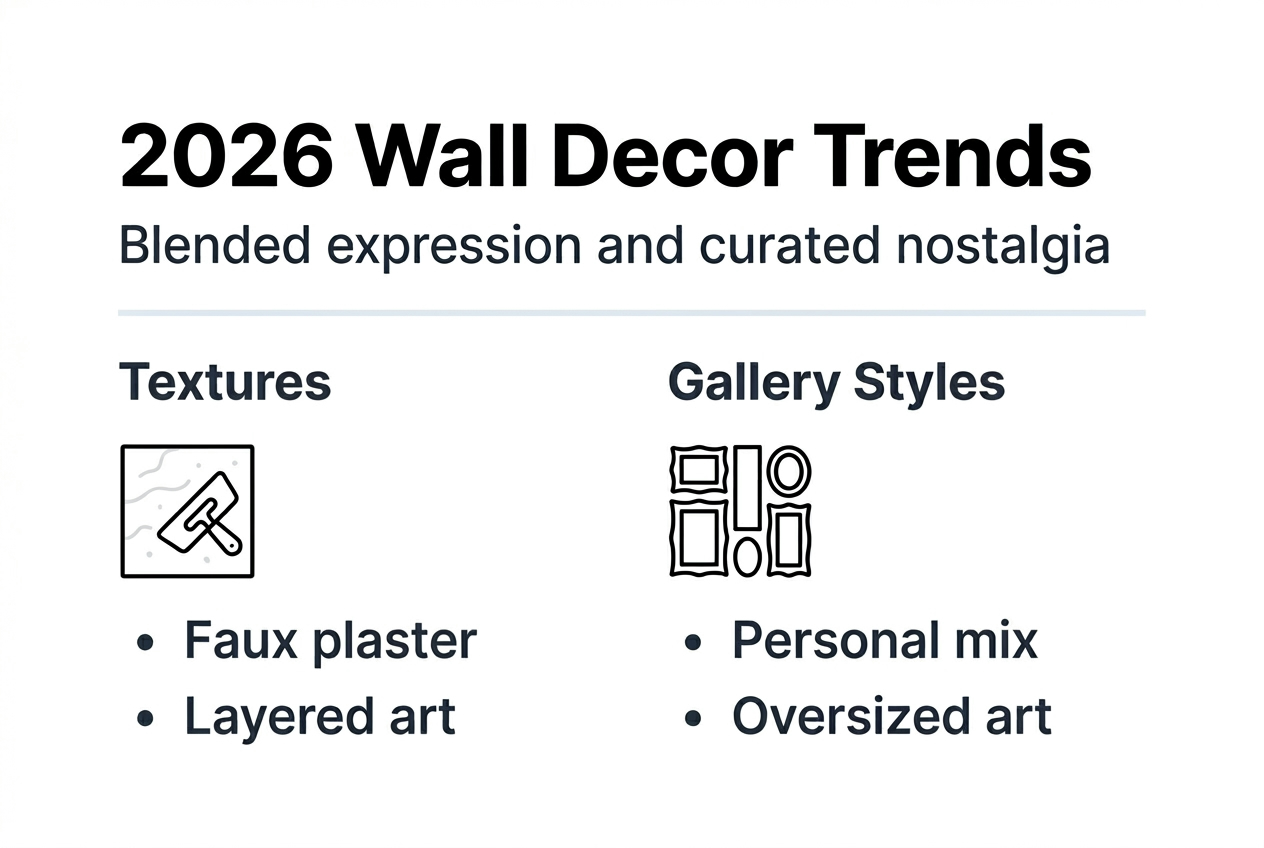
Intentional clutter balances minimalism and maximalism, creating spaces that feel genuinely inhabited rather than staged for photography. This doesn’t mean mess or chaos. Rather, it’s the deliberate display of books you’re actually reading, current creative projects, or seasonal flowers that bring life and spontaneity to carefully designed rooms.
How to implement these philosophies effectively:
- Start with a cohesive colour palette that ties diverse elements together visually
- Group similar items in odd numbers (3, 5, 7) for pleasing asymmetry
- Mix scales by pairing large anchor pieces with smaller supporting objects
- Rotate displays seasonally to keep spaces feeling fresh and responsive
- Include handmade or artisanal pieces that show evidence of human touch
- Layer textures through textiles, ceramics, wood, and metal
The artisanal movement supports these trends beautifully. Mass-produced items lack the soul and story that handcrafted pieces inherently possess. When you choose pottery thrown by a local maker or prints pulled by hand, you’re investing in art that transforms living spaces through genuine connection rather than just filling visual gaps.
Incorporating nostalgic elements requires balance:
- Limit inherited or vintage pieces to 30-40% of your overall decor to avoid museum vibes
- Pair antiques with contemporary elements to ground them in the present
- Display nostalgic items in modern ways, such as vintage maps in acrylic frames
- Edit ruthlessly, keeping only pieces with genuine emotional resonance
“The most beautiful rooms aren’t perfectly coordinated. They’re the ones where you can see evidence of real life, curiosity, and personal passion woven into every corner.”
This approach requires confidence in your own taste rather than deferring to design rules. Trust your instincts about what brings you joy and creates the atmosphere you crave. Your home should feel like you, not like a hotel lobby or showroom, no matter how beautiful those spaces might be.
Explore custom wall art to bring 2026 trends home
Transforming your understanding of trends into reality requires finding pieces that resonate with your personal vision whilst reflecting current design movements. Frametheworld offers solutions that bridge this gap beautifully.
Custom print services empower you to create truly personalised wall statements that embody the storytelling emphasis of 2026 design. Whether you want to showcase your own photography, commission bespoke artwork, or resize existing pieces to fit your specific space, customisation ensures your walls reflect your unique narrative rather than generic mass-market offerings.
The Wabi Sabi wall art collection perfectly captures the curated nostalgia and intentional imperfection that defines contemporary taste. These pieces celebrate organic forms, natural textures, and the beauty of weathering and age, aligning seamlessly with the move towards authentic, human-centred design. The neutral tones and tactile qualities work beautifully as anchor pieces or supporting elements in layered displays.
For those drawn to bold statement art, the colourful paintings collection offers oversized options that create instant focal points. These vibrant pieces inject personality and energy whilst maintaining the sophisticated edge that modern interiors demand. Whether you’re creating a gallery wall or need a single hero piece, you’ll find artwork that speaks to your aesthetic whilst embodying 2026’s emphasis on individual expression.
Frequently asked questions about wall decor trends 2026
How do I successfully mix wallpaper patterns without creating visual chaos?
Start with a common colour thread running through all patterns, even if the designs differ dramatically. Keep busier patterns to accent walls or smaller areas, balancing them with simpler textures elsewhere. Vary the scale, pairing large florals with small geometrics rather than competing similar-sized patterns.
What are the practical benefits of textured wallpapers compared to paint?
Textured wallpapers hide wall imperfections that paint would highlight, saving on preparation costs. They add acoustic dampening in busy homes, reducing echo and noise. The tactile quality creates warmth that flat paint cannot replicate, whilst many modern options are now wipeable and more durable than traditional wallpapers.
How can I create a personal gallery wall that looks cohesive?
Identify a unifying element such as frame colour, subject matter, or colour palette that connects diverse pieces. Plan your layout on the floor before hanging, allowing 5-8cm between frames. Mix frame sizes and orientations, but keep the overall arrangement balanced with visual weight distributed evenly across the display.
What size statement piece works for different room dimensions?
For walls 3-4 metres wide, choose artwork 100-120cm wide to create impact without overwhelming. In smaller spaces of 2-3 metres, opt for 60-80cm pieces. Above furniture, artwork should span two-thirds to three-quarters of the furniture width for pleasing proportion and visual anchoring.
How do I combine nostalgic and modern decor without looking dated?
Use vintage pieces as accents rather than dominant features, limiting them to 30% of visible items. Frame nostalgic items in contemporary ways, such as vintage textiles in sleek acrylic boxes. Pair antiques with clean-lined modern furniture, and ensure excellent lighting to keep spaces feeling fresh rather than dusty or outdated. Follow choosing wall art guidance to balance old and new effectively.


Leave a comment
This site is protected by hCaptcha and the hCaptcha Privacy Policy and Terms of Service apply.