

Choosing the right wall art for property developments is no longer optional if you want to accelerate sales and maximise buyer appeal. The art you select directly shapes how potential buyers perceive a space within their critical first impression window, influencing both emotional connection and perceived value. This article provides a practical framework and explores specific wall art types that property developers can deploy in 2026 to enhance aesthetics, attract target demographics, and ultimately close sales faster.
Table of Contents
- Criteria For Selecting Wall Art In Property Development
- Top Types Of Wall Art For Enhancing Property Appeal
- Comparing Wall Art Types: Impact On Buyer Engagement And Sale Speed
- Choosing The Right Wall Art For Your Property Type And Budget
- Enhance Your Property With Bespoke Wall Art From Frametheworld
Key takeaways
| Point | Details |
|---|---|
| Strategic art selection accelerates sales | Well-matched wall art increases buyer inquiries and reduces time on market significantly |
| Art must align with architecture and buyers | Style compatibility with property type and target demographic drives emotional engagement |
| Value uplift potential is substantial | The right artwork can increase property value by thousands |
| Virtual staging offers cost-effective impact | Digital art integration boosts marketing outcomes whilst controlling staging budgets |
Criteria for selecting wall art in property development
Before exploring specific art types, establish clear selection criteria that align with your commercial objectives. Art choices should match architectural style, target demographic preferences, and the overall design narrative you’re presenting. This strategic alignment creates visual coherence that resonates with prospective buyers and supports their aspirational vision.
Timing matters enormously in property sales. Buyers make decisions within 90 seconds of entering a property, triggering an emotional reflex that often determines whether they’ll pursue a purchase. Your wall art must work within this narrow window, creating immediate visual impact whilst supporting the lifestyle narrative your property represents.
Consider these essential criteria when evaluating wall art options:
- Architectural compatibility: Modern developments demand contemporary pieces whilst period properties benefit from classical or heritage-inspired works
- Target buyer psychographics: Young professionals respond to bold, energetic art; families prefer calming, relatable imagery; luxury buyers expect statement pieces
- Space and lighting dynamics: Large open-plan areas require substantial focal pieces; intimate rooms suit smaller, detailed works
- Colour harmony: Art should complement your interior palette whilst adding visual interest without overwhelming the space
- Scalability and budget: Balance artistic impact with project economics, considering both purchase costs and potential value uplift
Pro Tip: Always view potential art pieces in similar lighting conditions to your property. Natural light versus artificial illumination dramatically changes how colours and textures appear, affecting buyer perception.
When you personalise wall art to match specific property characteristics, you create unique selling points that differentiate your development from competitors. This strategic approach transforms generic spaces into memorable environments that buyers can emotionally connect with during viewings.
Top types of wall art for enhancing property appeal
Understanding which art types work best for different property styles helps you make confident, commercially sound decisions. High-quality wall art enhances aesthetics and accelerates sales by creating aspirational living environments that buyers can immediately envision themselves inhabiting.
Abstract and minimalist art
Abstract pieces work brilliantly in contemporary developments, particularly new-build apartments and modern townhouses. These works create visual interest without imposing specific narratives, allowing buyers to project their own interpretations. Geometric abstracts suit professional buyers seeking sophisticated, uncluttered aesthetics. Fluid, organic abstracts appeal to creative professionals and younger demographics who value artistic expression.
Minimalist art amplifies the sense of space in compact urban properties. Clean lines and restrained colour palettes enhance rather than compete with architectural features. This approach particularly resonates with buyers prioritising wellness and mindful living trends prevalent in 2026.
Classical and landscape paintings
Traditional properties, period conversions, and rural developments benefit enormously from classical art approaches. Landscape paintings create calming, familiar atmospheres that appeal to family buyers and those seeking retreat from urban intensity. Pastoral scenes, coastal vistas, and seasonal landscapes trigger positive emotional responses and lifestyle associations.
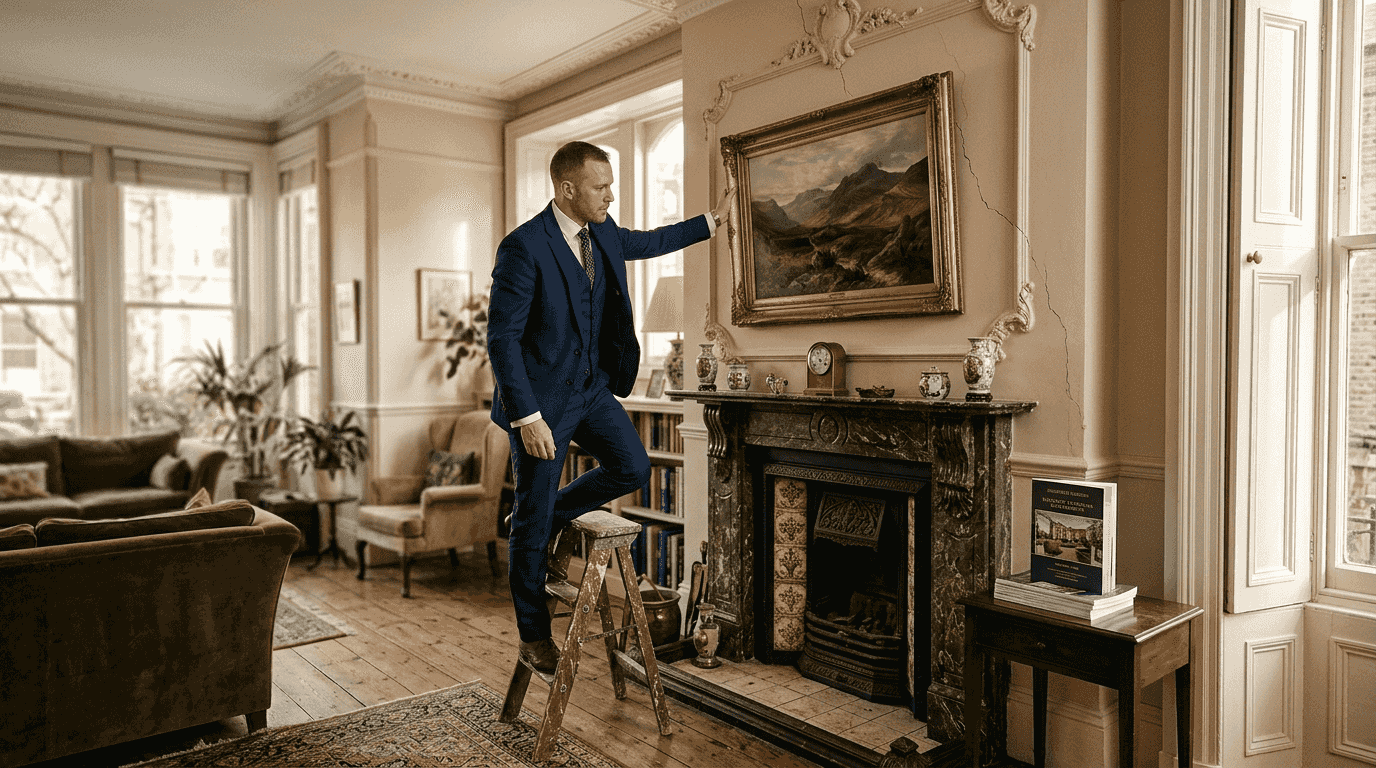
Classical portraiture and still life works add gravitas to formal reception rooms and entrance halls in premium properties. These pieces signal heritage, quality, and permanence, values that resonate with established buyers seeking long-term family homes.
Pop art and colourful contemporary pieces
Vibrant, energetic artworks attract younger, affluent buyers in urban locations. Pop art references contemporary culture whilst adding playful sophistication to living spaces. Colourful statement pieces work exceptionally well in modern interiors where they create focal points and Instagram-worthy moments that enhance word-of-mouth marketing.
These bold choices particularly suit:
- City centre apartments targeting professionals aged 25 to 40
- Luxury developments with distinctive architectural features
- Properties marketed towards creative industries and entrepreneurs
- Flexible living spaces designed for entertainment and social gatherings
Custom prints and bespoke pieces
Personalisation offers competitive advantage in crowded markets. Custom prints allow you to incorporate local landmarks, historical references, or architectural details specific to your development’s location and heritage. This localisation creates authentic connections between property and place, particularly valuable for regeneration projects and community-focused developments.
Bespoke commissioning demonstrates attention to quality and uniqueness that luxury buyers expect. Original works or limited editions position premium properties as exclusive acquisitions rather than commodities.
Large statement pieces for open-plan spaces
Contemporary developments increasingly feature expansive open-plan living areas that demand substantial statement wall art to anchor the space visually. Oversized canvases, triptychs, or gallery walls create dramatic focal points that define zones within flowing layouts. These pieces prevent large walls from feeling empty whilst adding personality and visual weight proportional to room volume.
Comparing wall art types: impact on buyer engagement and sale speed
Data-driven decisions deliver better commercial outcomes. Understanding how different art approaches influence buyer behaviour helps you allocate staging budgets strategically and maximise return on investment across your portfolio.
| Art Type | Target Demographic | Buyer Engagement Impact | Sale Speed Effect | Value Uplift Potential |
|---|---|---|---|---|
| Abstract/Minimalist | Young professionals, 25 to 45 | High inquiry rates for modern properties | 15 to 25 days faster | £3,000 to £5,000 |
| Classical/Landscape | Families, established buyers | Strong emotional connection, longer viewings | 10 to 20 days faster | £4,000 to £7,000 |
| Pop Art/Contemporary | Urban professionals, under 40 | Increased social sharing, multiple viewings | 20 to 30 days faster | £2,500 to £4,500 |
| Custom/Bespoke | Luxury buyers, unique properties | Premium positioning, exclusive appeal | 25 to 35 days faster | £5,000 to £10,000+ |
| Statement Pieces | Open-plan, modern developments | Memorable viewings, strong recall | 18 to 28 days faster | £3,500 to £6,000 |
Research demonstrates that strategically matched staging receives 31% more inquiries in week one and sells an average of 22 days faster than mismatched alternatives. These metrics translate directly to reduced holding costs, lower marketing expenditure, and improved project economics.
When evaluating wall art ideas, consider cumulative effects across your entire development. Consistent artistic direction creates brand identity for multi-unit projects whilst allowing variation that prevents monotony. This balance demonstrates professional curation that sophisticated buyers recognise and value.
Choosing the right wall art for your property type and budget
Aligning art selection with specific property characteristics and financial parameters ensures optimal commercial outcomes. Different development types demand tailored approaches that maximise appeal within realistic budget constraints.
Modern apartments and new builds thrive with contemporary abstract works and minimalist pieces that complement clean architectural lines. Allocate £500 to £1,500 per unit for impactful staging art in standard developments, scaling to £2,000 to £5,000 for premium properties. These investments typically deliver strong returns given that art can increase value by £7,000 when chosen strategically.
Period properties and conversions require sensitive art selection that respects architectural heritage whilst appealing to contemporary buyers. Classical landscapes, botanical prints, and heritage-inspired pieces create continuity between historical features and modern living requirements. Budget £800 to £2,500 per property depending on scale and target market positioning.
Luxury developments justify premium art investments that signal exclusivity and quality. Original artworks, limited edition prints, or commissioned pieces position properties as unique acquisitions. Expect to allocate £3,000 to £10,000 or more per unit, with value uplift often exceeding investment significantly.
Key budget considerations include:
- Photography and marketing multiplication: staged properties generate superior marketing assets that work across all channels
- Reusability: quality pieces can be relocated between properties, amortising costs across multiple projects
- Virtual staging alternatives: digital art integration offers cost-effective solutions for online marketing whilst controlling physical staging expenses
- Rental versus purchase: short-term projects may benefit from art rental services that reduce capital outlay
Pro Tip: Build relationships with local artists and galleries for portfolio discounts and access to emerging talent at accessible price points. Supporting local creatives also generates positive PR and community engagement opportunities.
When you customise wall art, you create unique visual narratives that differentiate properties in competitive markets. This personalisation signals attention to detail and quality that discerning buyers recognise, supporting premium positioning and faster sales cycles.
Enhance your property with bespoke wall art from Frametheworld
Transforming properties from empty shells into aspirational homes requires carefully curated art that resonates with your target buyers. Frametheworld offers extensive collections spanning contemporary abstracts, classical landscapes, and bold statement pieces that suit diverse property styles and buyer demographics.
Explore the wabi sabi wall art collection for organic, calming pieces perfect for wellness-focused developments. The pop art collection delivers vibrant energy ideal for urban properties targeting younger professionals. For truly unique solutions, custom print services enable personalised artwork that reflects your development’s distinctive character and local context. High-quality, professionally curated art accelerates sales whilst elevating your brand’s reputation for quality and attention to detail.
FAQ
What types of wall art are most popular with property buyers?
Abstract and minimalist pieces attract younger professionals seeking contemporary aesthetics, whilst classical landscapes appeal to families and traditional buyers. Colourful statement works increasingly resonate with urban buyers in modern developments who value bold, Instagram-worthy interiors.
How does wall art affect property resale value?
Strategically selected art increases property value by up to £7,000 by enhancing perceived quality and creating emotional connections. Well-staged properties generate higher buyer engagement, faster sales, and often achieve asking prices or above through competitive interest.
Can virtual staging with wall art improve marketing outcomes?
Virtual staging delivers exceptional results, with matched staging receiving 31% more inquiries in week one and selling 22 days faster on average. This approach allows precise targeting of buyer aspirations whilst controlling staging costs and enabling rapid iteration based on market feedback.
Should I use the same art style throughout a multi-unit development?
Maintain consistent artistic direction to build brand identity, but introduce variation to prevent monotony and appeal to diverse buyer preferences. Use a cohesive colour palette or theme with different pieces that suit individual unit characteristics and target demographics.
How do I balance art investment with staging budget constraints?
Prioritise high-impact spaces like entrance halls and primary living areas where buyers form crucial first impressions. Consider art rental for short-term projects, reuse quality pieces across developments, and leverage virtual staging for online marketing to maximise reach whilst controlling physical staging costs.


Leave a comment
This site is protected by hCaptcha and the hCaptcha Privacy Policy and Terms of Service apply.