
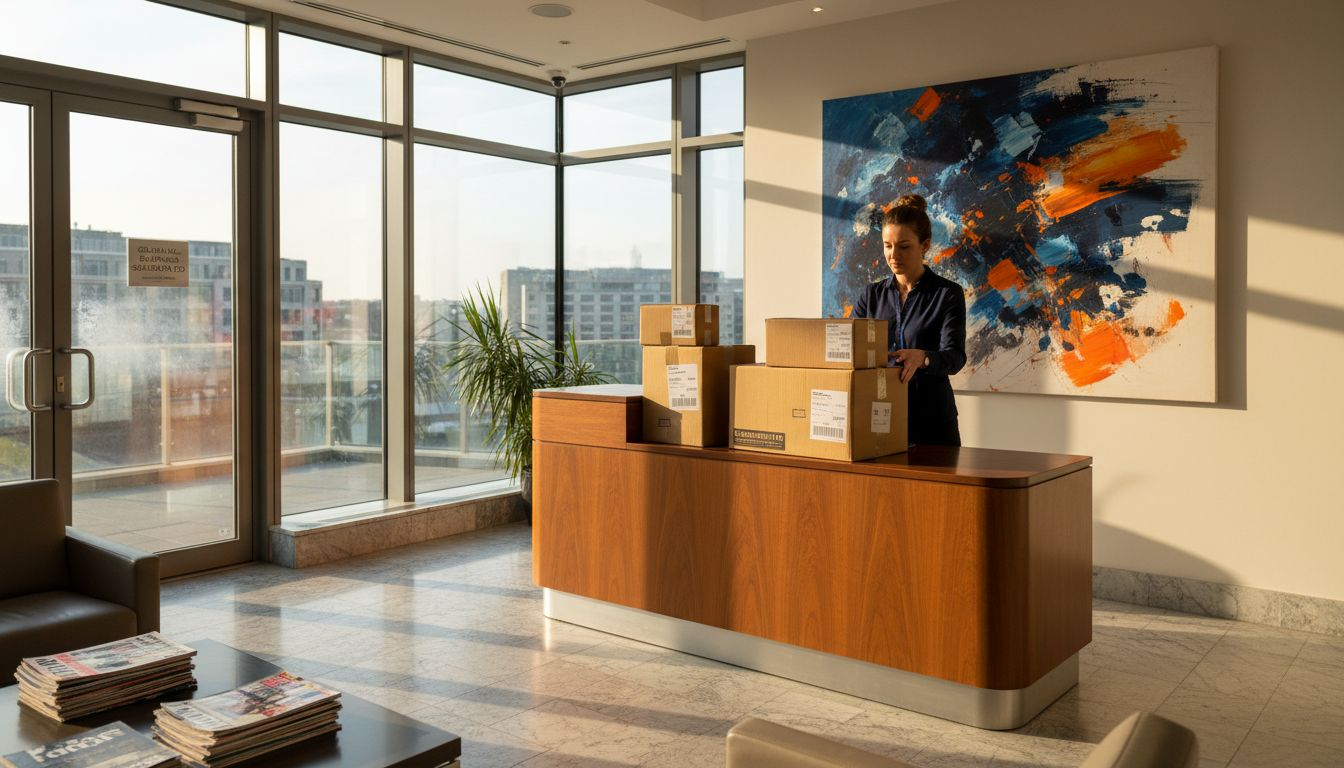
Finding commercial wall art that blends branding, visual impact, and flexibility can challenge even the most seasoned interior designer. Urban corporate clients across the United Kingdom demand more than basic decoration, seeking art that strengthens employee morale and reflects their organisational identity. This guide highlights professional environments where strategic wall art reshapes spaces, addresses psychological responses, and meets evolving legal and sourcing expectations for complex UK design projects.
Table of Contents
- Defining Commercial Wall Art and Its Uses
- Major Types of Commercial Wall Art Available
- Selecting Art: Size, Style, and Customisation Options
- How Wall Art Shapes Commercial Environments
- Legal, Sourcing, and Installation Considerations
Key Takeaways
| Point | Details |
|---|---|
| Purpose of Commercial Wall Art | Commercial wall art serves as a vital communication tool, enhancing professional environments while reflecting organisational identity and culture. |
| Types of Commercial Wall Art | Organisations can choose from various options, such as branded murals and motivational typography, tailored to meet specific business objectives. |
| Impact on Space and Culture | Strategically selected wall art can significantly influence employee motivation and client impressions, making spaces more engaging and representative of company values. |
| Legal and Installation Considerations | Proper legal planning and compliance in sourcing and installing art are essential to protect both organisations and artists and ensure successful project outcomes. |
Defining Commercial Wall Art and Its Uses
Commercial wall art represents a strategic visual communication tool designed to transform professional environments beyond simple decoration. Commercial art serves multiple critical functions in contemporary workplace and commercial settings, offering far more than aesthetic embellishment.
At its core, commercial wall art encompasses visual designs created specifically to support business objectives, communicate brand narratives, and influence viewer perception. These artistic installations can take multiple forms:
- Branded murals that reinforce corporate identity
- Large-scale photographic displays highlighting company achievements
- Abstract designs that reflect organisational values
- Motivational graphic elements supporting workplace culture
The strategic deployment of commercial wall art goes beyond mere visual appeal. Professional environments leverage these artistic elements to create specific psychological and emotional responses among employees and visitors. For instance, a tech startup might choose dynamic, innovative artwork that communicates creativity, while a financial institution could opt for more subdued, classic pieces suggesting stability and trustworthiness.

Commercial art applications extend across diverse sectors, enabling organisations to craft immersive brand experiences through visual storytelling. By carefully selecting wall art that aligns with architectural design and corporate messaging, businesses can transform bland spaces into compelling narrative environments.
Pro tip: When selecting commercial wall art, prioritise pieces that authentically reflect your organisational culture and strategic vision rather than choosing purely decorative elements.
Major Types of Commercial Wall Art Available
Commercial wall art offers diverse options for organisations seeking to transform their professional spaces. Modern wall art styles provide dynamic solutions that go far beyond traditional decorative approaches, enabling businesses to communicate their unique brand narrative visually.
The primary categories of commercial wall art include:
- Branded Graphic Murals: Large-scale designs incorporating company logos, colour schemes, and core messaging
- Photographic Installations: High-resolution images representing company history, achievements, or industry landscape
- Abstract Contemporary Pieces: Minimalist artworks that create sophisticated workplace atmospheres
- Motivational Typography: Text-based designs featuring inspirational quotes or company values
- Custom Commissioned Artwork: Bespoke pieces specifically created to reflect organisational identity
Each type of commercial wall art serves distinct strategic purposes. Photographic installations, for instance, can document corporate milestones, while abstract pieces can create environments that stimulate creativity and innovative thinking. The visual language chosen communicates subtle yet powerful messages about organisational culture and professional ethos.
Large-scale statement wall art installations have emerged as particularly transformative design elements. These substantial pieces can dramatically alter spatial perceptions, making smaller offices feel more expansive and creating focal points that draw attention and spark conversation among employees and visitors.
Pro tip: Select commercial wall art that authentically represents your organisation’s personality and strategic vision, ensuring the artwork resonates with both internal team members and external stakeholders.
Here’s a summary of how different types of commercial wall art align with various organisational needs:
| Type of Art | Best Suited Organisations | Key Business Impact |
|---|---|---|
| Branded Murals | Corporations wishing to reinforce identity | Encourages brand loyalty and recognition |
| Photographic Installations | Firms highlighting achievements/history | Creates trust and showcases success |
| Abstract Contemporary Pieces | Creative and tech companies | Sparks innovation and fresh perspectives |
| Motivational Typography | Workplaces focusing on core values | Boosts morale and motivates employees |
| Custom Commissioned Artwork | Unique brands with distinct vision | Delivers targeted messaging and exclusivity |
Selecting Art: Size, Style, and Customisation Options
Artwork sizing principles represent a critical consideration for commercial interior design, where visual impact and spatial harmony must work in perfect synchronicity. Selecting the right art involves understanding how scale, proportion, and positioning interact within professional environments.
When considering commercial wall art, organisations must evaluate several key dimensions:
- Wall Dimensions: Measuring available space precisely
- Viewing Distance: Understanding how artwork will be perceived from different angles
- Lighting Conditions: Assessing natural and artificial light interactions
- Brand Alignment: Ensuring visual style matches organisational identity
- Budget Constraints: Balancing artistic quality with financial limitations
Style selection demands careful strategic thinking. Contemporary workspaces require artworks that communicate organisational values while creating engaging visual narratives. Abstract pieces might suit innovative tech companies, whereas traditional photographic installations could complement more conservative professional settings.
Customisation options have become increasingly sophisticated, allowing businesses to create bespoke artwork solutions that precisely reflect their unique brand personality. These tailored approaches enable organisations to transform standard wall coverings into powerful communication tools that resonate with employees and visitors alike.
Pro tip: Collaborate directly with artists or design professionals who understand corporate branding to ensure your commercial wall art delivers both aesthetic and strategic value.
How Wall Art Shapes Commercial Environments
Commercial environments are profoundly transformed by strategic wall art selections that go far beyond mere decorative elements. Large format art installations can dramatically alter spatial perceptions, creating immersive experiences that communicate organisational identity and values.
The psychological impact of wall art in commercial spaces encompasses multiple critical dimensions:
- Emotional Resonance: Creating specific mood and energy within workspace
- Brand Communication: Visually representing organisational culture and ethos
- Spatial Perception: Manipulating visual depth and architectural experience
- Employee Motivation: Inspiring creativity and psychological engagement
- Client Impression: Establishing professional credibility and aesthetic sophistication
Different architectural contexts demand nuanced artistic approaches. Open-plan offices might benefit from minimalist wall art that creates visual breathing room, while more traditional corporate environments could leverage classic photographic displays that underscore institutional heritage and stability.
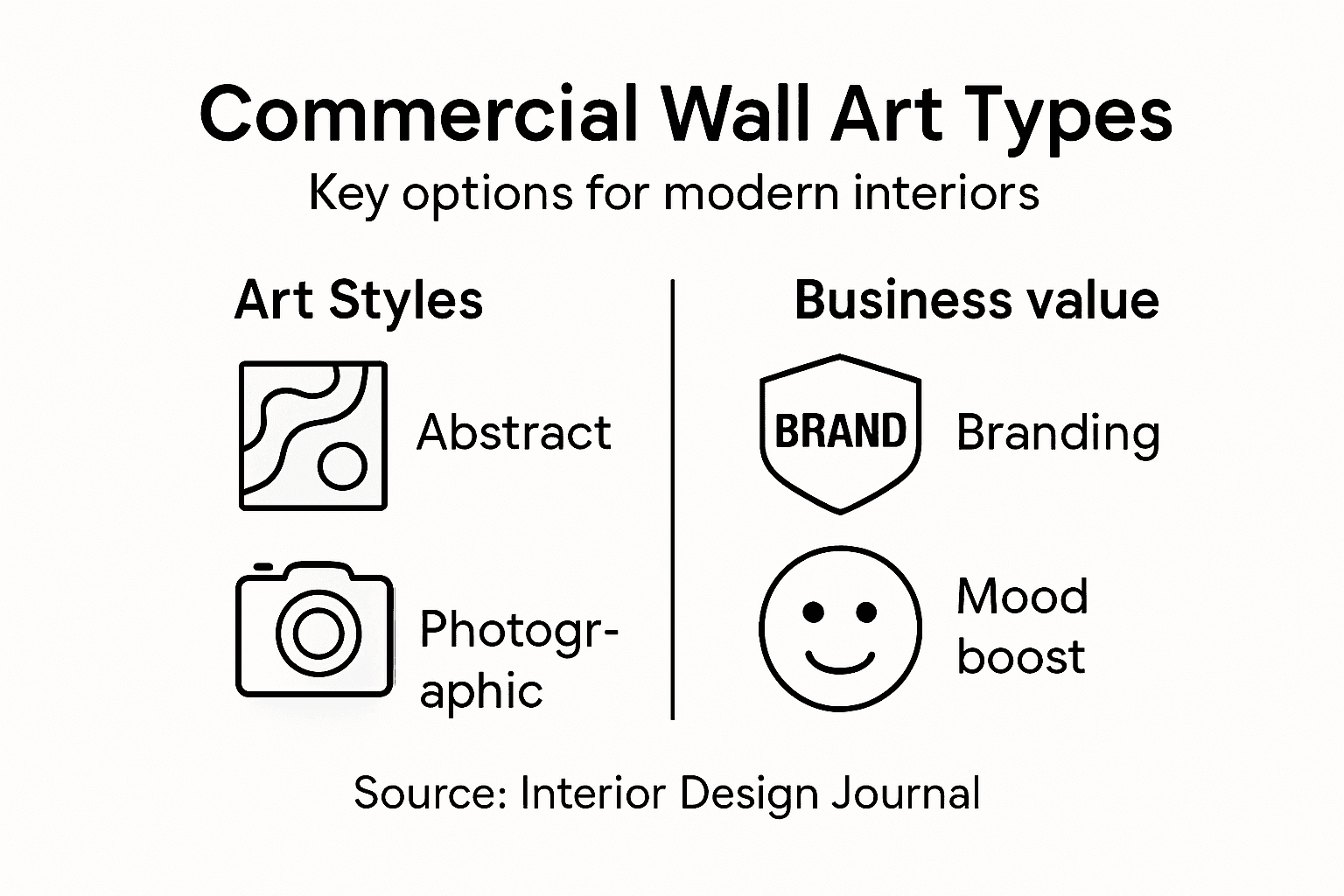
Design professionals recognise that wall art functions as a sophisticated communication tool, capable of influencing workplace dynamics, employee performance, and organisational perception. The strategic selection of artwork can transform mundane spaces into dynamic, inspiring environments that reflect contemporary design principles and corporate vision.
Pro tip: Select wall art that tells a narrative about your organisation, considering not just aesthetic appeal but the psychological and cultural messages your chosen artwork communicates.
Legal, Sourcing, and Installation Considerations
Legal considerations for commercial art require meticulous planning and comprehensive documentation to protect both organisations and artists. Navigating the complex landscape of intellectual property rights, permissions, and contractual obligations demands a strategic approach that goes beyond simple aesthetic selection.
Key legal and administrative considerations include:
- Property Rights: Securing explicit permissions for artwork installation
- Copyright Protection: Ensuring proper artist attribution and usage rights
- Content Restrictions: Verifying compliance with workplace and public space regulations
- Contractual Clarity: Defining ownership, maintenance, and potential modification terms
- Installation Compliance: Meeting health and safety standards
The sourcing process for commercial wall art involves careful evaluation of multiple critical factors. Organisations must balance artistic integrity, brand alignment, and budgetary constraints while maintaining a comprehensive understanding of potential legal implications.
Professional art installation standards require specialised hardware selection and precise mounting techniques to ensure artwork longevity and safety. Accessibility considerations are paramount, particularly for public and commercial spaces that must accommodate diverse user needs.
Pro tip: Always draft comprehensive written agreements with artists and installation professionals that explicitly outline ownership rights, usage permissions, and maintenance responsibilities.
Below is a reference table outlining essential legal and installation factors for commercial wall art projects:
| Consideration Area | Details | Business Importance |
|---|---|---|
| Copyright & Attribution | Artist’s rights and legal usage | Prevents disputes and protects reputation |
| Installation Safety | Professional mounting and standards | Ensures longevity and safety for staff |
| Ownership & Maintenance | Clear contractual terms | Secures future modifications and maintenance |
| Accessibility Compliance | Meeting physical access standards | Facilitates inclusivity for all visitors |
Elevate Your Commercial Space with Strategic Wall Art
Navigating the challenge of choosing commercial wall art that both energises your work environment and reflects your brand identity can be complex. This article highlights how well-curated pieces influence employee motivation, client impressions, and spatial perception. If your goal is to transform sterile walls into immersive, narrative-driven spaces that enhance organisational culture and communicate your values visually, finding art that resonates on multiple levels is essential.
At Frametheworld.co.uk, we understand the importance of art that blends aesthetic appeal with strategic impact. Explore our Wall Art 2 Piece – Unique Wall Art for Modern Interiors collection for dynamic and balanced compositions that suit corporate environments aiming for sophistication without overwhelming space. Alternatively, our Vertical Wall Art – Hand-Painted Modern Art Pieces provides striking format options to maximise impact in narrow or open-plan areas. For customised artistic expressions that echo subtle imperfection and texture, the Wabi Sabi Wall Art – Hand‑Painted Abstract Texture & Imperfection category offers thoughtful choices that inspire creativity and calm.
Bring your commercial interiors to life with purposeful art that supports your brand story and workspace culture. Visit Frametheworld.co.uk today to find the perfect pieces or discuss bespoke options tailored to your organisational vision. Begin your journey now and create an inspiring environment that speaks volumes without words.
Frequently Asked Questions
What is commercial wall art?
Commercial wall art refers to visual designs created specifically to support business objectives and communicate brand narratives in professional environments, going beyond mere decoration.
How does commercial wall art impact workplace culture?
Commercial wall art can influence the psychological and emotional responses of employees and visitors, enhancing workplace culture by reflecting organisational values and motivating individuals through carefully chosen designs.
What are the different types of commercial wall art?
The main types include branded graphic murals, photographic installations, abstract contemporary pieces, motivational typography, and custom commissioned artwork, each serving distinct purposes to enhance brand identity and workplace atmosphere.
What factors should be considered when selecting commercial wall art?
Key considerations include wall dimensions, viewing distance, lighting conditions, brand alignment, and budget constraints, ensuring that the selected artwork effectively communicates the organisation’s identity and fits the space appropriately.


Leave a comment
This site is protected by hCaptcha and the hCaptcha Privacy Policy and Terms of Service apply.