
TL;DR:
- Limited edition prints are reproductions with a fixed, finite quantity that creates scarcity and potential value.
- Smaller edition sizes generally enhance rarity and investment potential, especially when combined with provenance and condition.
- Proper authentication, archival materials, and careful display practices are essential for preserving value and enjoyment.
The phrase “limited edition” gets thrown around so freely in the art market that its meaning has become blurred. A print described as limited edition might be one of 10 or one of 10,000, and that difference matters enormously. The global limited-edition print market was valued at $5.2 billion in 2024 and is projected to reach $8.8 billion by 2033, driven by collectors and interior design trends alike. Whether you’re choosing art for your walls or building a collection with long-term value in mind, understanding what limited edition prints truly are will help you spend wisely and collect with confidence.
Table of Contents
- Defining the limited edition print
- How limited edition prints are made
- Edition size, rarity and market value
- How to select and care for limited edition prints
- Our perspective: what most collectors miss about limited editions
- Find your next limited edition print
- Frequently asked questions
Key Takeaways
| Point | Details |
|---|---|
| Limited edition print defined | A limited edition print is produced in a set quantity, signed and numbered to guarantee exclusivity. |
| Edition size affects value | The smaller the edition, the greater the scarcity and, often, the higher the potential value. |
| Archival quality matters | Prints made with premium, archival materials will better preserve their value and appearance over time. |
| Proper care essential | Correct storage, display, and framing are key to maintaining your print’s beauty and worth. |
Defining the limited edition print
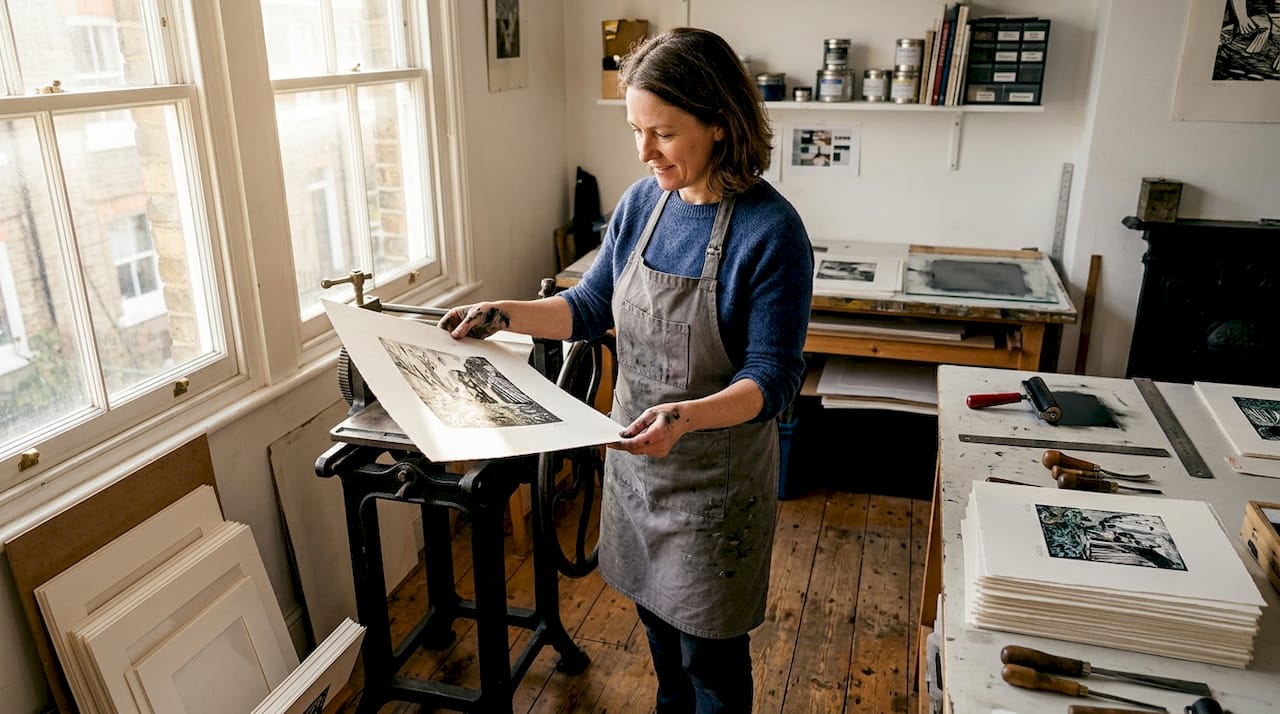
A limited edition print is a reproduction of an artwork produced in a pre-set, fixed quantity. Once that number is reached, no more prints from that edition are made. This is the core promise: scarcity by design. Each print is typically signed by the artist and numbered, confirming its place within the edition.
The numbering system is straightforward once you know it. If a print reads 23/50, it means this is the 23rd print from an edition of 50. Smaller numbers do not necessarily mean greater value, but a smaller total run generally does. You may also encounter proof markings such as A/P (artist’s proof) or P/P (printer’s proof), which are prints produced outside the numbered edition, often considered more desirable by experienced collectors.
It is important to distinguish between open and limited editions. An open edition print has no fixed quantity and can be reproduced indefinitely, making it less likely to appreciate in value. A limited edition print, by contrast, carries a finite ceiling that creates genuine scarcity.
Common printing methods) include giclée (high-resolution inkjet), lithography, and screen printing, each using archival materials designed for longevity. These are not all equal in terms of tactile quality or collector prestige, but all three can produce museum-standard results when executed carefully.
Here is a quick overview of the main formats you will encounter:
| Format | Typical edition size | Collector notes |
|---|---|---|
| Giclée print | 10 to 500 | High colour fidelity, archival inks |
| Lithograph | 20 to 200 | Traditional process, valued by purists |
| Screen print | 10 to 150 | Bold and tactile, popular with contemporary artists |
| Open edition | Unlimited | Accessible price, lower investment potential |
Key things to look for when buying:
- Signature: Hand-signed by the artist, ideally in pencil
- Edition number: Clearly stated (e.g., 15/75)
- Certificate of authenticity: Issued by the artist or publisher
- Printer details: Named print studio adds credibility
“A print without provenance is a picture on a wall. A print with provenance is a piece of history.”
Legal frameworks support this rigour. Edition disclosure laws) in some US states require sellers to provide full edition details, helping prevent deception. Even where laws differ, understanding these standards helps you ask the right questions of any seller. If you are weighing up the broader case for prints as art, why choose art prints is a useful read.
How limited edition prints are made
Production quality is what separates a limited edition print worth owning from one that merely carries the label. Understanding the process helps you judge whether a print lives up to its description.
The three main processes:
Giclée printing uses high-resolution digital files output through professional inkjet printers with pigment-based inks. The result is exceptional colour accuracy and fine detail. Prints are produced on acid-free cotton or fine-art paper, which resists yellowing and deterioration over decades.
Lithography is a traditional process in which the image is drawn onto a stone or metal plate, then transferred to paper through a chemical reaction. It is labour-intensive and produces a distinctive, slightly textured result that collectors of classical and contemporary works both prize.
Screen printing (also called serigraphy) uses stencils to layer ink directly onto the surface. Bold, flat colour areas and a tactile finish are its hallmarks. Artists such as Andy Warhol made screen printing famous, and it remains central to street art and pop art collecting.
The step-by-step creation process typically looks like this:
- The artist finalises the original artwork or approved digital file
- The master print or plate is prepared by a specialist print studio
- A proof run is approved by the artist before the edition begins
- Each print in the numbered edition is produced under controlled conditions
- The artist signs each print individually, often in pencil
- Prints are numbered, wrapped in acid-free tissue, and documented
Archival materials are not optional if you care about longevity. The use of archival materials) in giclée, lithography, and screen printing is standard practice for reputable editions, protecting against fading, moisture damage, and paper degradation for 75 to 100 years or more.
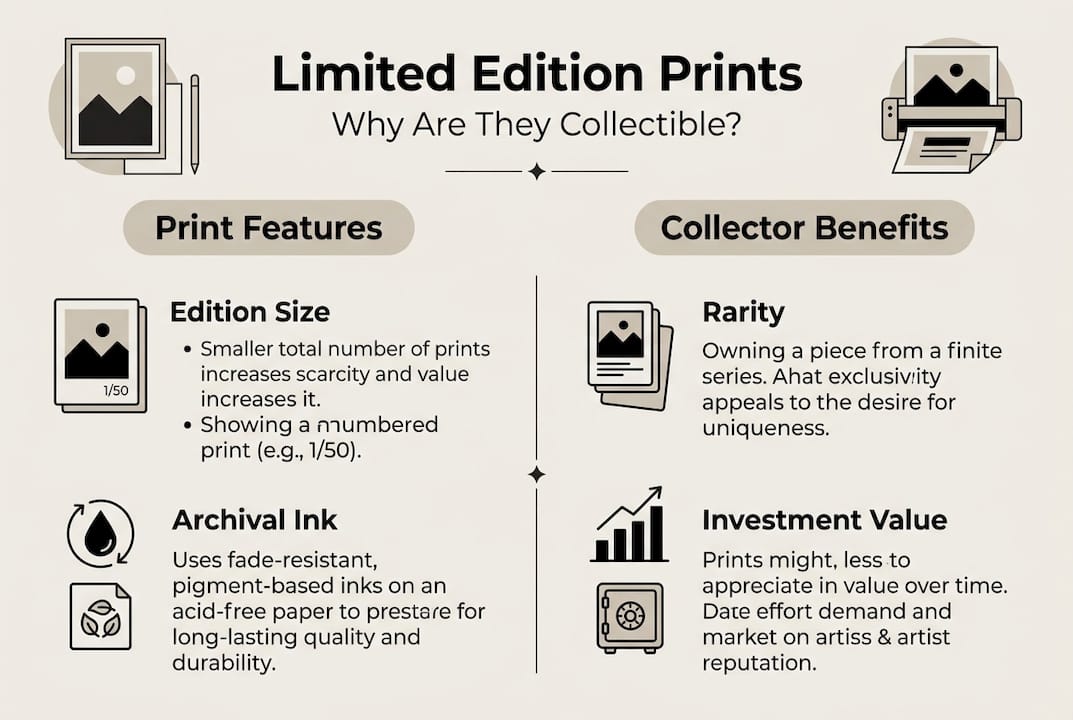
Pro Tip: Always ask the print studio or gallery which specific paper and ink brand were used. Hahnemühle, Canson, and Epson UltraChrome inks are reliable indicators of genuine archival quality.
Authentication is equally important. When an artist signs a print, they are personally certifying it as part of the edition. Some artists also include thumb prints, wax seals, or holographic stickers as additional verification. If you want to explore how customising prints can give you something genuinely personalised, that is also worth considering alongside buying existing editions.
Edition size, rarity and market value
Edition size is the single most influential factor in how a limited edition print performs as a collectible. The logic is simple: fewer prints means more competition among buyers, which drives desirability and price.
Smaller editions, particularly those of fewer than 50 prints, tend to appreciate more over time due to scarcity. An edition of 500 from an emerging artist is accessible and enjoyable, but it is unlikely to grow significantly in value. An edition of 10 from the same artist, once that artist’s reputation builds, is a different proposition entirely.
| Edition size | Rarity level | Investment potential |
|---|---|---|
| 1 to 10 | Extremely rare | High |
| 11 to 50 | Very rare | Strong |
| 51 to 150 | Moderately rare | Moderate |
| 151 to 500 | Limited | Lower |
| 500+ | Low rarity | Decorative value primarily |
Factors that matter most when assessing market value:
- Edition size: Smaller is generally stronger for investment
- Artist profile: Established or rising reputation drives demand
- Condition: Mint condition preserves value; any damage reduces it sharply
- Provenance: Clear ownership history adds trust and price support
- Subject matter: Some themes and periods command sustained collector interest
The growth of the limited edition print market also reflects broader home décor trends. Buyers increasingly want pieces that are meaningful and distinctive, not mass-produced. This is good news for collectors because demand is structural, not just seasonal.
Pro Tip: Before buying, research the artist’s recent auction results on platforms like Artsy or Invaluable. If prices have been rising steadily, a new edition may be worth acquiring early. You can read more about art print investing to sharpen your thinking on this.
Understanding edition size and value in relation to display also matters practically. A very small print in a large edition may be priced attractively, but if it does not work aesthetically in your space, you will not enjoy living with it regardless of its financials.
How to select and care for limited edition prints
Choosing a limited edition print is both an aesthetic and a practical decision. Getting it right means balancing what you love visually with what makes sense for your space and long-term goals.
Selecting prints that work for your home:
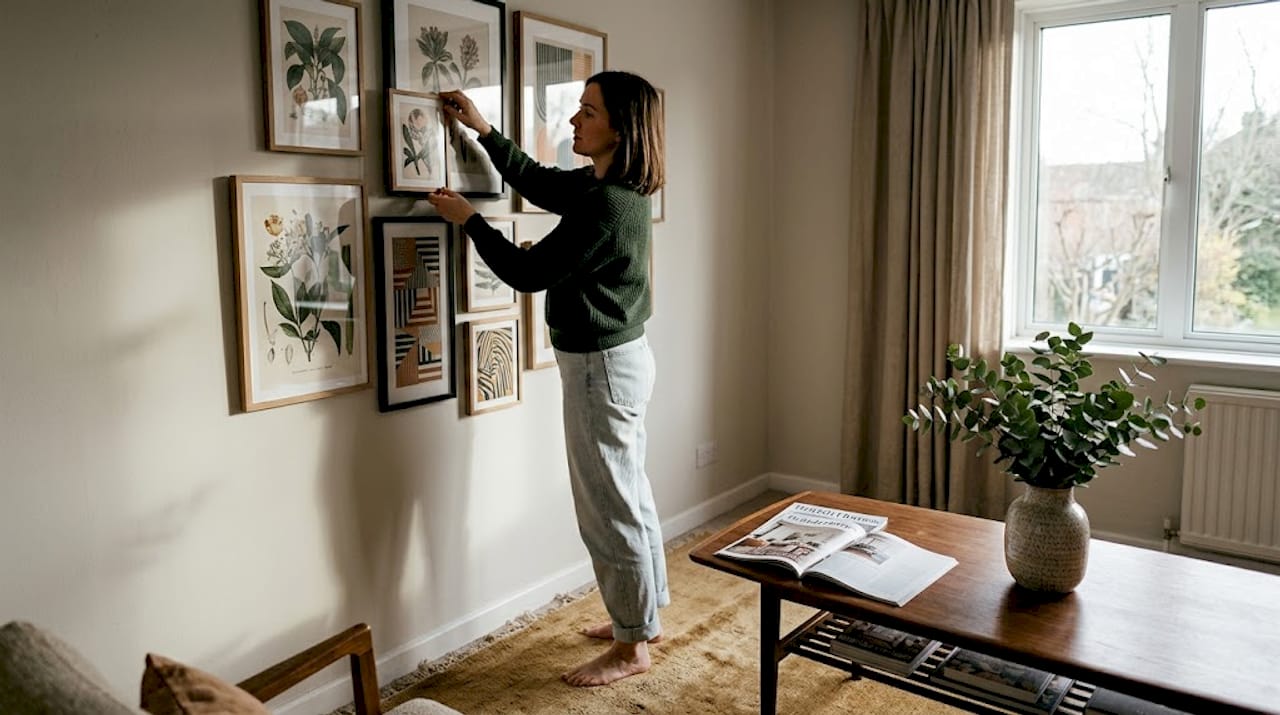
- Consider your room’s dominant colour palette and choose prints that complement rather than clash
- Think about scale; a small print can be lost on a large wall, and an oversized piece can overwhelm a modest room
- Look at inspiring print trends to see how leading collectors are displaying their pieces
- Assess how the print’s subject and mood align with how you use the room
Authenticity checks before purchasing:
- Request a certificate of authenticity from the seller
- Confirm the edition size and number in writing
- Verify the artist’s signature matches known examples
- Ask for provenance documentation if buying a secondary market piece
- Purchase from galleries or sellers with verifiable reputations
Once you own a print, preserving it properly protects both your enjoyment and its value. Archival quality materials) matter not just in production but in how you display and store your print after purchase.
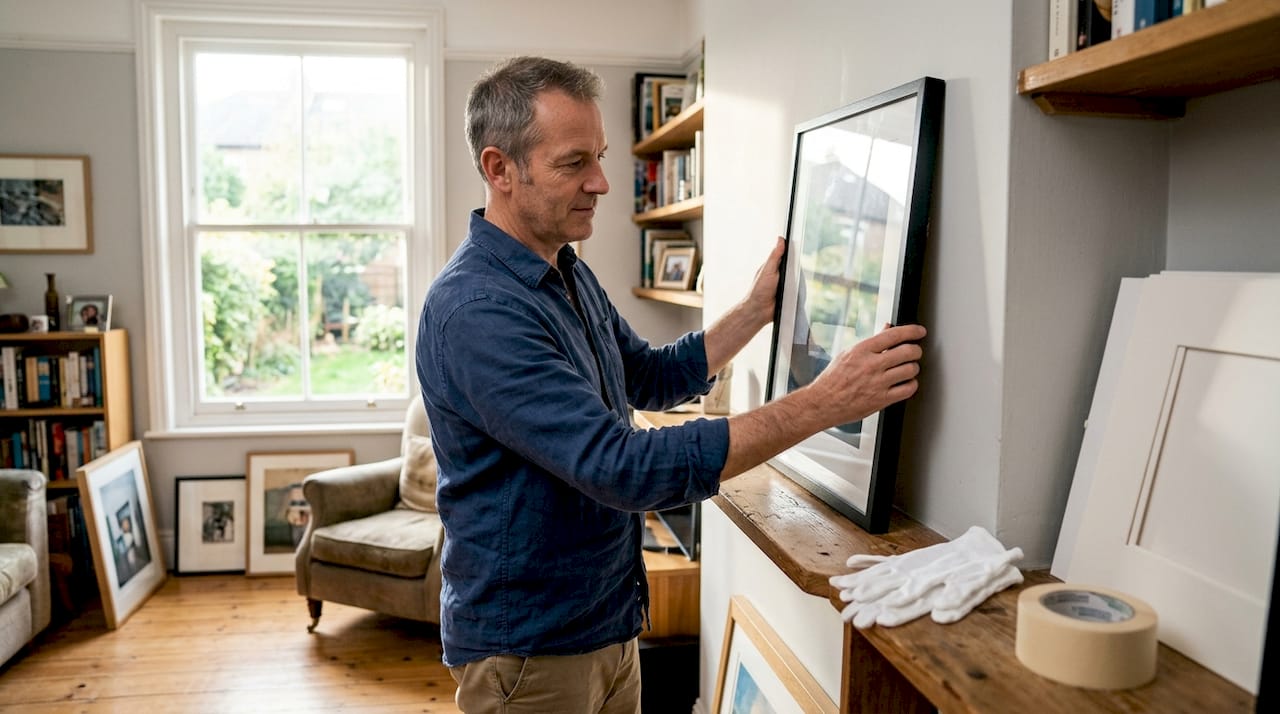
Pro Tip: Frame prints using UV-protective glass and acid-free mountboard. These two steps alone can prevent decades of fading and discolouration, keeping your print in gallery condition for years.
Common mistakes collectors make include:
- Hanging prints in direct sunlight, which degrades pigments rapidly
- Using standard glass without UV protection
- Rolling prints for storage without acid-free tissue protection
- Buying without documentation and then struggling to prove authenticity later
If you are thinking about matching art with interiors more broadly, getting the framing and placement right can be just as impactful as the print itself.
Our perspective: what most collectors miss about limited editions
Here is something we have observed consistently: new collectors often fixate on edition size and potential resale value, and in doing so, they miss the point of collecting altogether.
Scarcity matters. Smaller editions of fewer than 50 prints do appreciate more over time. That is real. But a print you bought purely as an asset and never truly connected with is a hollow experience. You live with your collection every day. The pieces on your walls shape your mood, your conversations, your sense of home.
The collectors who tend to build the most satisfying and ultimately valuable collections are those who let genuine aesthetic response lead, then apply the practical filters of edition size, provenance, and condition. Not the other way around.
There is also something to be said for discovering artists before they are famous. The best finds rarely come from following the hype. They come from trusting your own eye and doing the research. Explore decorative print investing with that balance in mind.
Find your next limited edition print
If this guide has helped you think more clearly about limited edition prints, the natural next step is to start looking with fresh eyes. At Frametheworld, we bring together curated wall art that spans a range of styles, sizes, and formats, making it easier to find pieces that genuinely suit your home. Whether you are drawn to the calm of Wabi Sabi wall art or the energy of colourful paintings, there is something here for every aesthetic. If you have something more personal in mind, our custom print options let you create a piece that is entirely your own.
Frequently asked questions
Are limited edition prints a good investment?
Smaller edition prints of fewer than 50 can appreciate meaningfully over time, particularly as the artist’s reputation grows and available prints become scarce.
How do I verify the authenticity of a limited edition print?
Look for a hand-signed artist signature, a clear edition number, a certificate of authenticity, and a reputable seller. Edition disclosure laws) in several US states, such as California’s 1971 Print Law, set a useful benchmark for what full disclosure should include.
What materials are best for limited edition prints?
Archival materials including acid-free paper and pigment-based inks are the standard for quality limited editions. Archival printing methods) such as giclée, lithography, and screen printing use these materials to ensure longevity measured in decades.
Can I request a custom limited edition print?
Yes. Many artists, galleries, and print services offer custom editions or bespoke commissions, giving you a piece that is both personal and limited in its own right.


Leave a comment
This site is protected by hCaptcha and the hCaptcha Privacy Policy and Terms of Service apply.