

Finding wall art that feels personal and truly reflects your style can seem overwhelming with so many choices out there. Art prints offer a unique solution by making original artistic expression more accessible through expert printing techniques. Unlike mass-produced posters, professional art prints are carefully crafted to capture the detail, colour, and emotion of the original artwork. If you want your home to stand out with personality and quality, exploring art prints can open new doors in stylish, affordable decoration.
Table of Contents
- What Are Art Prints? Core Meanings And Myths
- Types Of Art Prints And How They Differ
- Why Art Prints Hold Value And Appeal
- Key Financial And Practical Implications
- Avoiding Pitfalls In Art Print Investment
Key Takeaways
| Point | Details |
|---|---|
| Understanding Art Prints | Art prints are high-quality reproductions that maintain artistic integrity, created through advanced printing techniques. |
| Types of Printmaking Techniques | Various printmaking methods, such as lithography and screen printing, offer unique visual qualities appealing to different collectors. |
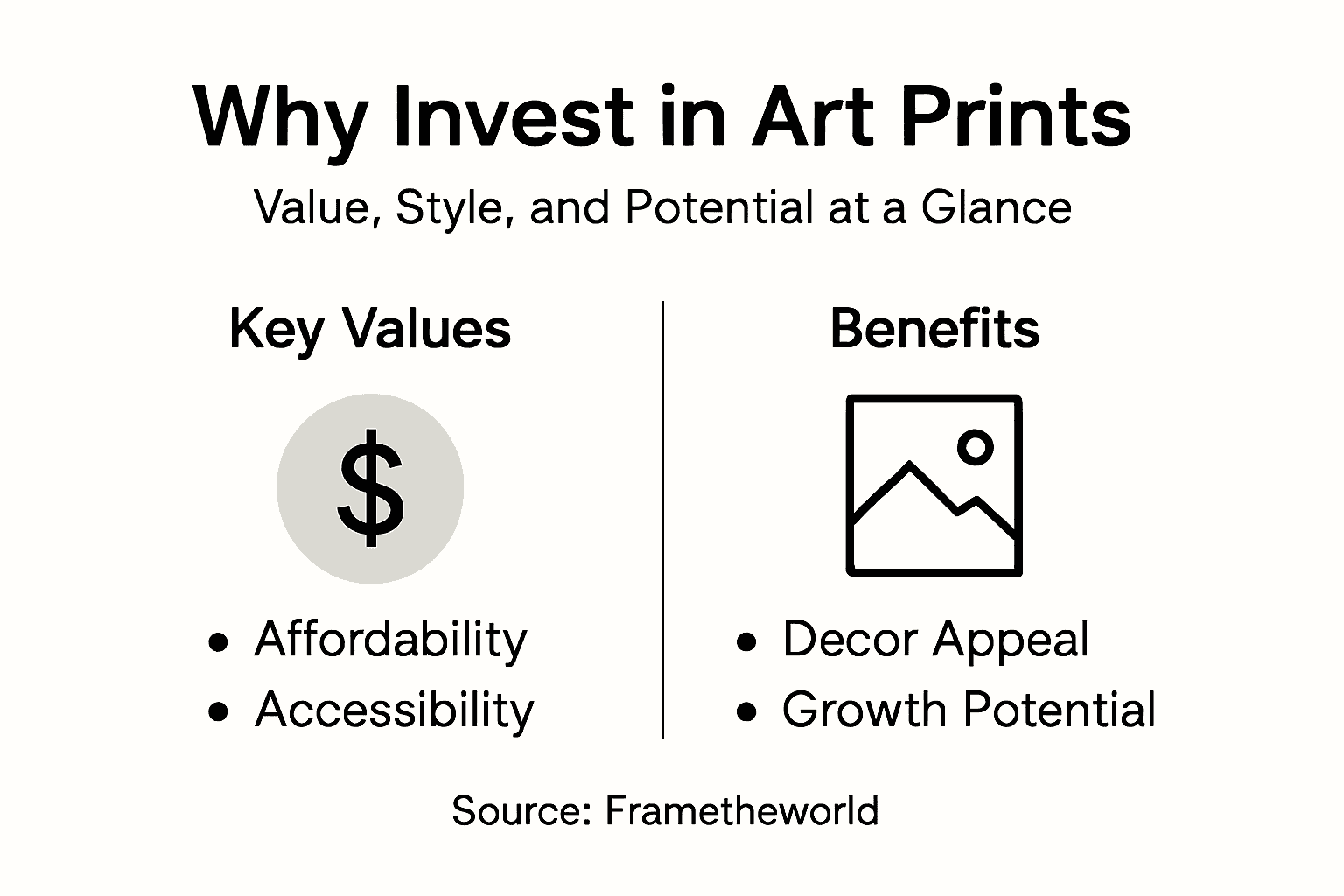
| Investment Value of Art Prints | Limited edition art prints can appreciate in value, making them both decorative items and potential financial assets. |
| Avoiding Investment Pitfalls | Successful investment in art prints requires thorough research to avoid common mistakes like impulse purchasing and neglecting authenticity. |
What Are Art Prints? Core Meanings and Myths
Art prints represent a fascinating intersection between artistic expression and accessible reproduction technology. At their core, a print is a carefully crafted reproduction of an original artwork, created through specialised printing techniques that allow artists to share their vision with a broader audience.
Understanding the fundamental nature of art prints requires dispelling some common misconceptions. Professional art prints are not mere cheap copies, but sophisticated reproductions that maintain significant artistic integrity. The printmaking process involves intricate methods designed to capture the nuanced details, colours, and emotional essence of the original artwork.
Key characteristics of art prints include:
- High-quality reproduction using advanced printing technologies
- Limited edition runs that maintain artistic value
- Carefully calibrated colour matching and detail preservation
- Accessible pricing compared to original artworks
- Ability to democratise art ownership and appreciation
Professional printmaking techniques ensure that each reproduction is not simply a mechanical duplicate, but a carefully crafted artistic interpretation. Artists and printmakers collaborate to select the most appropriate printing method, whether that’s screen printing, lithography, etching, or digital fine art printing.
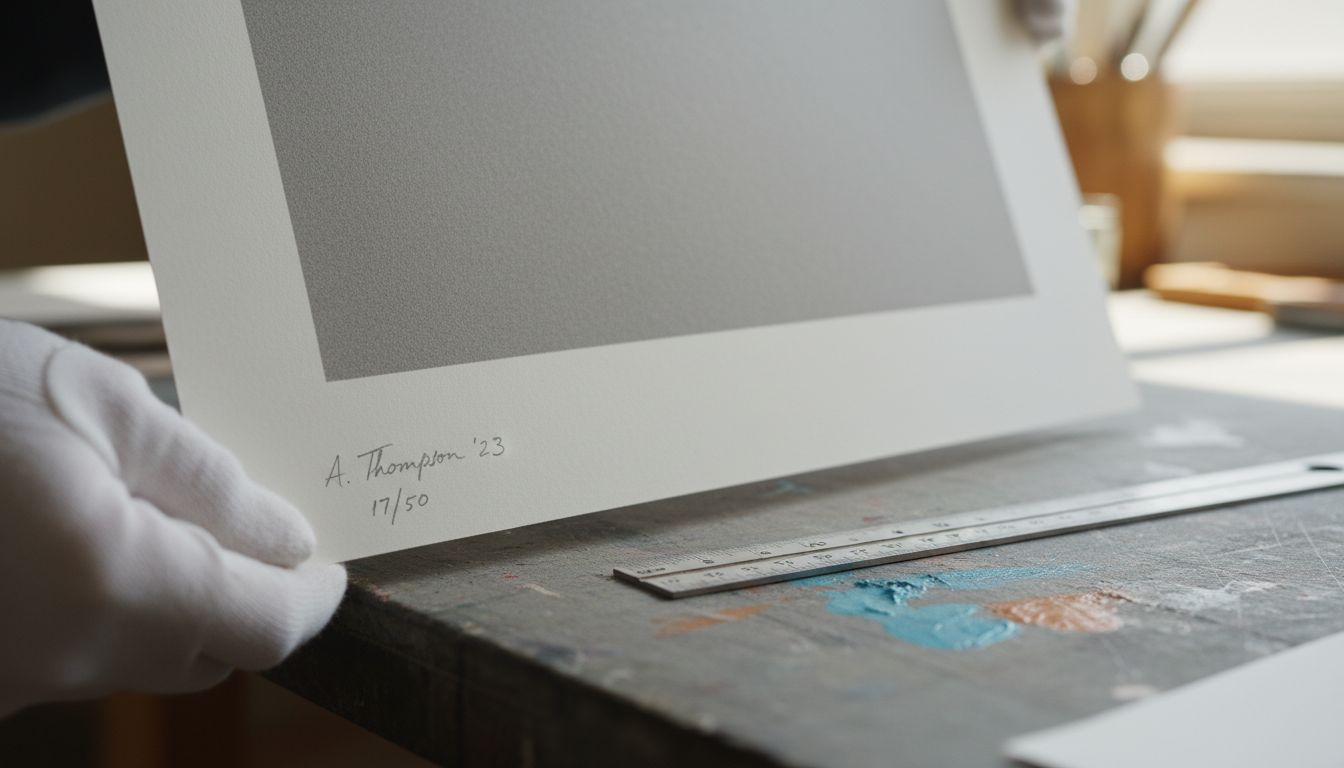
Pro tip: When selecting art prints, examine the print method, edition size, and artist’s signature to understand the artwork’s unique value and authenticity.
Types of Art Prints and How They Differ
Art prints represent a diverse world of creative reproduction, with each technique offering unique characteristics and artistic expressions. Traditional printmaking methods encompass a rich variety of techniques that transform original artworks into accessible, collectible pieces.
The landscape of art prints includes several distinctive categories:
- Lithography: Using the repulsion between oil and water on stone or metal plates
- Etching: Involving acid exposure on metal plates to create intricate designs
- Screenprinting: Pushing ink through mesh stencils to create layered images
- Linocut: Carving designs into linoleum surfaces and transferring with ink
- Giclée: Modern digital printing technique producing high-resolution reproductions
Each printmaking method creates unique visual qualities that appeal to different collectors and art enthusiasts. For instance, relief prints like woodcuts offer bold, graphic representations, while lithographs provide subtle, nuanced colour gradations.
Professional artists and printmakers carefully select specific techniques based on the artwork’s intended emotional impact, level of detail, and desired aesthetic. Some prints are created as limited editions, which increases their value and collectibility, making them not just decorative items but potential investment pieces.
Pro tip: When collecting art prints, research the specific printmaking technique to understand the artwork’s unique craftsmanship and potential long-term value.
Here’s a side-by-side comparison of popular art print techniques and their typical visual outcomes:
| Printmaking Method | Typical Visual Qualities | Suitable Artwork Types |
|---|---|---|
| Lithography | Smooth colour gradients | Subtle, detailed works |
| Etching | Fine lines, rich texture | Intricate designs |
| Screenprinting | Bold colours, sharp edges | Graphic compositions |
| Linocut | Strong contrast, simple forms | Stylised imagery |
| Giclée | High-resolution detail | Contemporary art |
Why Art Prints Hold Value and Appeal
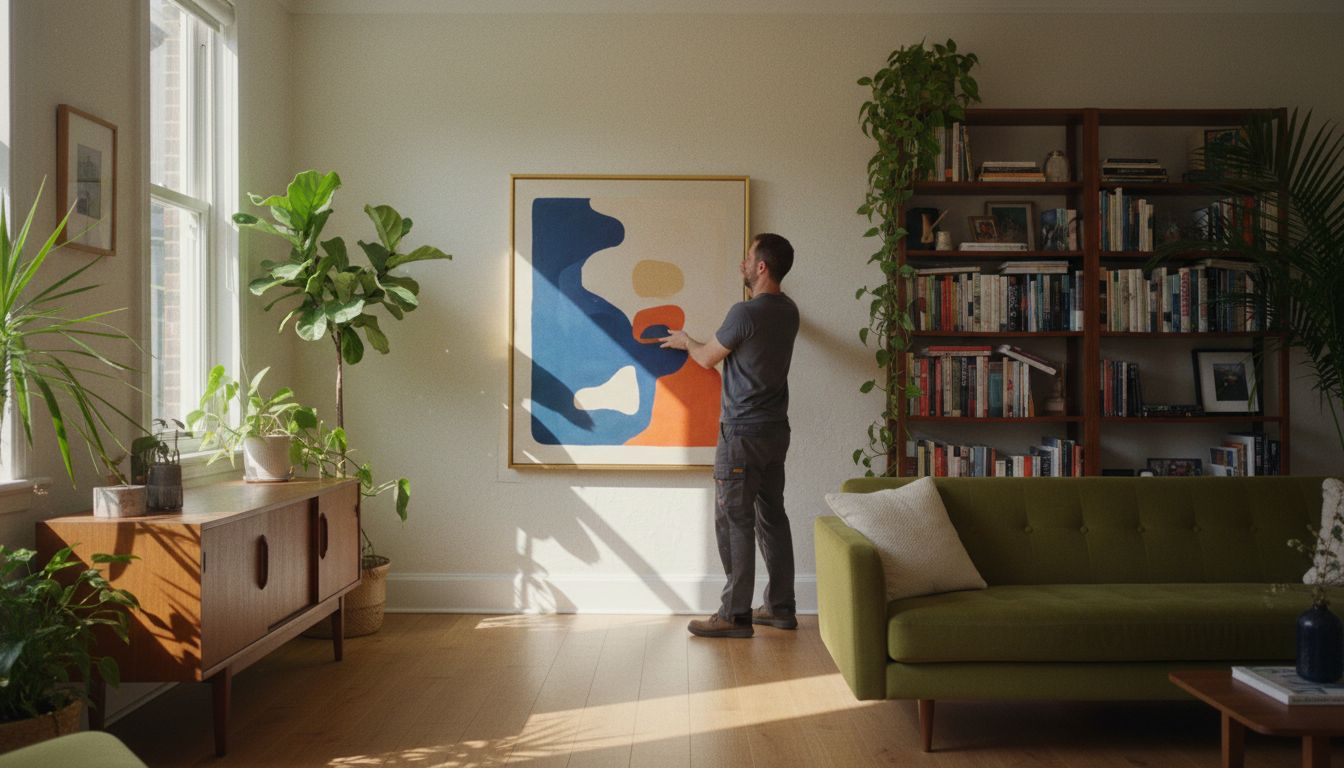
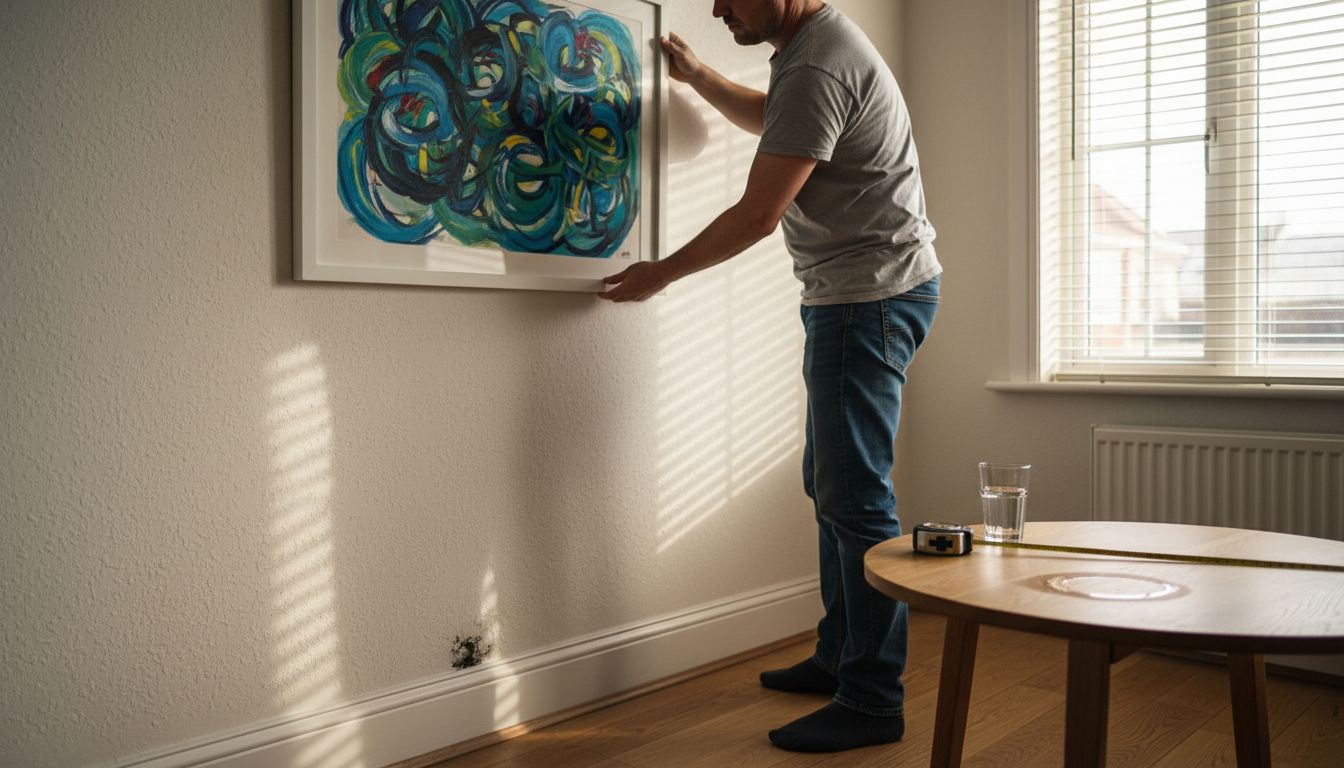
Art prints have emerged as a compelling investment option that bridges aesthetic appreciation with financial potential. Stylish home decor transcends mere decoration, offering homeowners a unique opportunity to curate personal spaces while potentially building a valuable collection.
The appeal of art prints stems from multiple compelling dimensions:
- Accessibility: More affordable than original artworks
- Versatility: Adaptable to various interior design styles
- Collectibility: Limited editions increase potential value
- Personal Expression: Reflects individual taste and personality
- Cultural Significance: Provides insight into artistic movements
Unlike mass-produced posters, quality art prints represent carefully crafted reproductions that capture the essence of original artworks. Professional artists and printmakers collaborate to ensure each piece maintains artistic integrity, creating nuanced reproductions that resonate with discerning collectors.
Furthermore, art prints offer an democratic approach to art ownership. They enable individuals to own high-quality artistic representations without the substantial financial investment required for original pieces. Some limited edition prints can appreciate in value over time, making them not just decorative items but potential financial assets.
Pro tip: Research the artist’s reputation and the print’s edition size to make informed investment decisions about potential long-term value.
Key Financial and Practical Implications
Investing in art prints represents a nuanced strategy that balances aesthetic enjoyment with potential financial returns. Investment considerations extend far beyond traditional monetary metrics, offering a unique blend of cultural appreciation and economic potential.
Key financial implications for art print investors include:
- Portfolio Diversification: Alternative investment option
- Cultural Capital: Tangible asset with intrinsic value
- Potential Appreciation: Limited editions can increase in value
- Lower Entry Barrier: More accessible than original artworks
- Emotional Return: Personal satisfaction beyond monetary gains
Practical considerations are equally important when approaching art print investments. Serious collectors must develop a sophisticated understanding of market dynamics, artist reputation, and preservation techniques. The value of an art print is not solely determined by its initial purchase price, but by complex factors including the artist’s prominence, print condition, and edition scarcity.
Unlike purely financial investments, art prints offer a dual-purpose asset. They provide aesthetic pleasure while maintaining potential economic value, making them an attractive option for individuals seeking more than traditional investment vehicles. Careful research, strategic selection, and proper maintenance can transform art prints from decorative items into meaningful financial assets.
Pro tip: Maintain detailed documentation of your art print collection, including provenance, edition details, and condition reports to support potential future valuation.
The following table summarises investment factors to consider when acquiring art prints:
| Consideration | Impact on Value | Collector Benefit |
|---|---|---|
| Edition Size | Rarity increases worth | Enhanced collectibility |
| Artist Reputation | Influences market demand | Likely better appreciation |
| Print Condition | Preservation affects price | Long-term value retention |
| Documentation | Provenance adds credibility | Supports future resale |
Avoiding Pitfalls in Art Print Investment
Successful art print investment requires more than financial acumen; it demands strategic insight and careful navigation. Art investment challenges demand a nuanced approach that balances enthusiasm with critical evaluation.
Common pitfalls for art print investors include:
- Impulse Purchasing: Buying without thorough research
- Trend Chasing: Following short-term market fluctuations
- Authenticity Risks: Failing to verify print origins
- Condition Neglect: Overlooking artwork preservation requirements
- Overvaluation: Misunderstanding true market worth
Professional collectors understand that due diligence is paramount. Collector’s strategic approach involves deep research into artist provenance, market trends, and potential long-term value. Understanding an artwork’s context, technical quality, and historical significance goes far beyond surface-level aesthetic appreciation.
Navigating the complex art print market requires patience, expertise, and a disciplined investment mindset. Successful collectors develop networks with reputable dealers, attend specialised auctions, and continuously educate themselves about emerging artists and established market dynamics.
Pro tip: Always request and verify comprehensive documentation, including certificate of authenticity, print edition details, and professional condition assessment before finalising any art print purchase.
Elevate Your Space with Valuable Art Prints from Frametheworld
Investing in art prints involves balancing style, value, and personal expression as highlighted in this article. Whether you seek limited edition works with authentic provenance or timeless designs that reflect your unique taste, navigating the complexities of print quality and collectibility can be challenging. At Frametheworld, we simplify this process by offering a curated selection of premium artworks that meet the highest standards of craftsmanship and artistic integrity.
Explore our Bestselling Wall Art | Most Loved Hand Painted Canvas Art collection to find exceptional pieces that combine aesthetic pleasure with potential long-term value. Stay ahead of trends while investing wisely by browsing New Arrivals – Fresh Hand-Painted Artworks which feature contemporary creations perfect for both private and professional spaces. Begin your journey to owning meaningful art today by visiting Frametheworld where quality meets personalisation, ensuring each print is a reflection of your individual style and investment goals.
Frequently Asked Questions
What are art prints and how are they created?
Art prints are high-quality reproductions of original artworks created using specialised printing techniques. These methods ensure that the prints capture the details, colours, and essence of the original piece, making them not just copies, but artistically crafted interpretations.
Why do art prints hold value?
Art prints hold value due to their limited edition runs, accessibility compared to original artworks, and the potential for appreciation over time. Their collectibility is enhanced by factors such as the artist’s reputation, print condition, and documentation.
What should I consider when investing in art prints?
When investing in art prints, consider the edition size, artist’s reputation, print condition, and documentation. Understanding these factors helps assess the artwork’s long-term value and authenticity, making informed investment decisions.
How can I avoid pitfalls when investing in art prints?
To avoid pitfalls in art print investment, conduct thorough research before purchasing, verify authenticity, and maintain proper documentation. It’s essential to be patient and strategic, avoiding impulse buying and trendy market fluctuations.

Leave a comment
This site is protected by hCaptcha and the hCaptcha Privacy Policy and Terms of Service apply.