
TL;DR:
- Limited edition prints are finite, numbered, and often signed reproductions of original artworks.
- Scarcity and exclusivity enhance their value, status, and investment potential in the art market.
- Careful evaluation of edition size, authenticity, and materials is essential before purchasing.
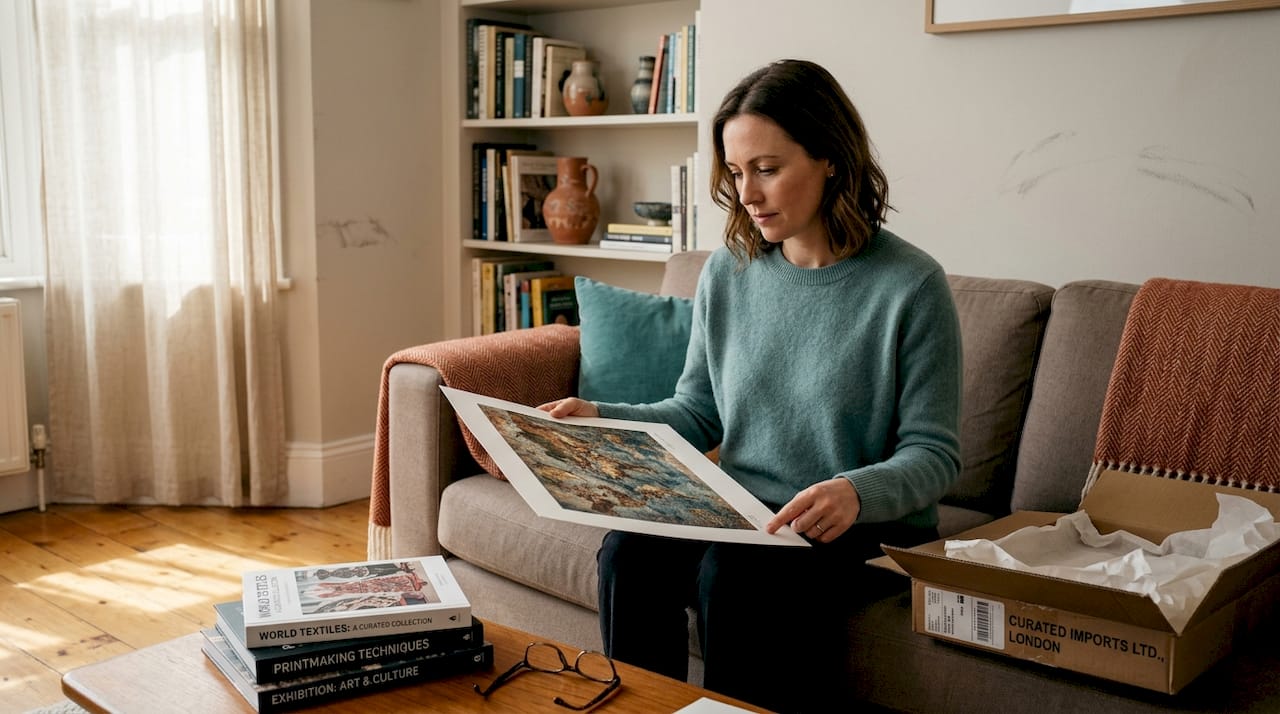
Most people assume a print is simply a print. Cheap to reproduce, easy to replace, and unlikely to hold any real significance beyond decoration. That assumption costs collectors dearly. Scarcity drives desirability and genuine value in ways that open editions simply cannot replicate. Limited edition prints sit at a fascinating intersection of art, psychology, and investment, offering something that mass-produced alternatives never can: the certainty that what you own is genuinely rare. This guide walks you through everything you need to know, from the mechanics of how editions work to the surprisingly nuanced debate around whether limits are always the right choice.
Table of Contents
- What are limited edition prints and how do they work?
- Why scarcity and exclusivity matter in the art world
- What to look for when purchasing limited edition prints
- How to display and care for your limited edition prints
- The truth about collecting limited edition prints: what most enthusiasts miss
- Discover unique limited edition art for your home
- Frequently asked questions
Key Takeaways
| Point | Details |
|---|---|
| Exclusivity drives value | Limited edition prints appeal due to their rarity, status, and potential for appreciation. |
| Authentication is crucial | Verify provenance with certificates or blockchain to ensure your investment is genuine. |
| Presentation matters | Professional framing and display preserve both beauty and long-term worth. |
| Personal enjoyment first | Owning art you love can be as rewarding as any financial return. |
What are limited edition prints and how do they work?
Understanding editions is the first step towards making confident decisions as a collector or decorator. Put simply, a limited edition print is a reproduction of an original artwork produced in a fixed, predetermined number of copies. Once that number is reached, no more prints are made from that edition. Each individual print is numbered using a fraction notation, for example 1/100, where the first number identifies the specific print and the second identifies the total edition size.
This notation matters more than it might appear. Print number 1/100 and print number 100/100 from the same edition are technically identical in quality, but collectors often place additional value on lower numbers, particularly artist’s proofs (often labelled AP) which are traditionally held back by the artist outside of the main edition run.
Understanding what limited editions are helps clarify why the numbering system is taken so seriously. It is a form of contract between the artist and the collector, a guarantee that the artwork’s rarity will be preserved.
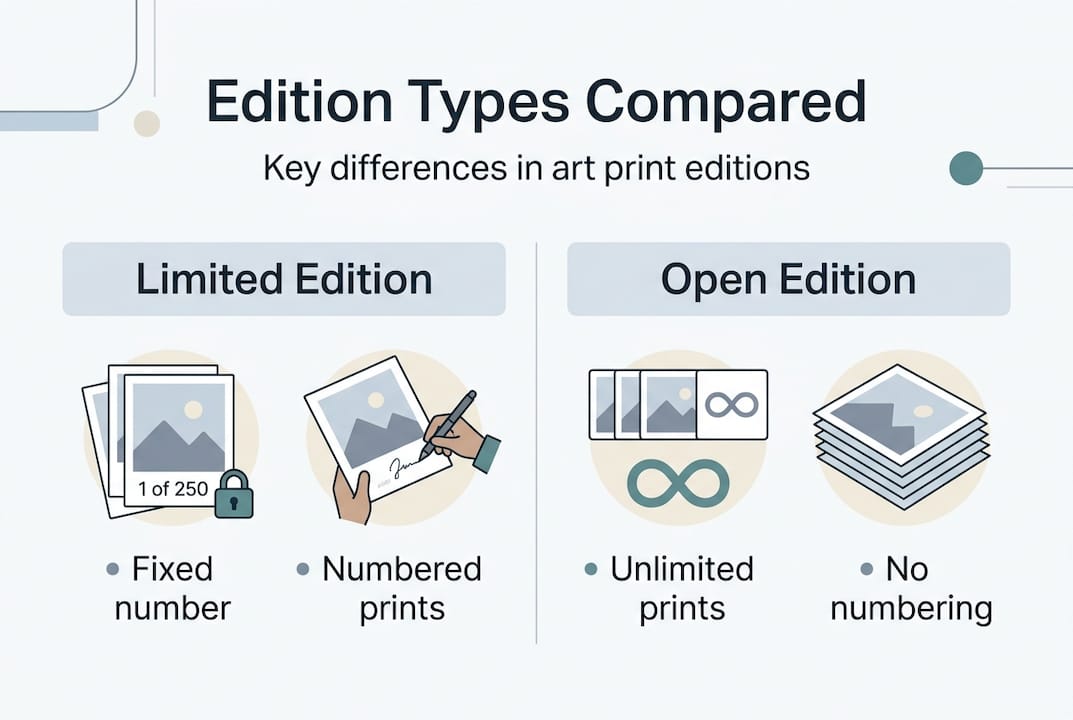
Open editions, by contrast, have no such ceiling. They can be printed on demand, indefinitely, meaning theoretically thousands of identical copies could exist. The debate between the two models is genuinely interesting. Open editions offer accessibility, no artificial scarcity, and uncapped earning potential for artists. Some critics argue that edition limits are a marketing strategy rather than an artistic statement, and there is merit to that view.
Here is a direct comparison to help clarify the practical differences:
| Feature | Limited edition | Open edition |
|---|---|---|
| Total copies | Fixed and finite | Unlimited |
| Numbering | Yes, individually numbered | No |
| Artist signature | Common | Less common |
| Resale value potential | Higher | Lower |
| Price point | Generally higher | More accessible |
| Collector appeal | Strong | Moderate |
Key characteristics of limited edition prints include:
- Numbered notation on each individual print (e.g., 45/200)
- Artist signature, typically in pencil beneath the image
- Certificate of Authenticity confirming the edition details
- Fixed print run, meaning production ceases once the edition is complete
- Often produced using archival materials to ensure longevity
For collectors and decorators alike, understanding these fundamentals changes how you evaluate any print you encounter. A numbered, signed piece from a respected artist is a fundamentally different object from a poster run produced in unlimited quantities.
Why scarcity and exclusivity matter in the art world
Rarity has always been at the heart of collecting culture. Whether it is a first edition novel, a vintage watch, or a limited print run, the knowledge that very few others can own the same thing creates a powerful emotional and psychological pull.
This is not mere sentiment. The scarcity principle, well established in both economics and consumer psychology, holds that people assign greater value to things that are harder to obtain. In the art market, this translates directly into pricing, desirability, and long-term appreciation.
“Scarcity drives desirability and value via the scarcity principle, providing exclusivity and status for collectors.”
Limited editions amplify this by making the finite nature of the artwork explicit and verifiable. You are not guessing whether something is rare. You know it is, because the edition number tells you exactly how many others exist.
For decorators and home collectors, this exclusivity carries aesthetic weight too. Knowing that your wall displays one of only 50 prints in existence changes how you relate to the piece. It moves from background decoration into something with genuine presence and meaning. This is why collectors and interior designers seek out benefits of custom wall art and limited pieces rather than widely available reproductions.
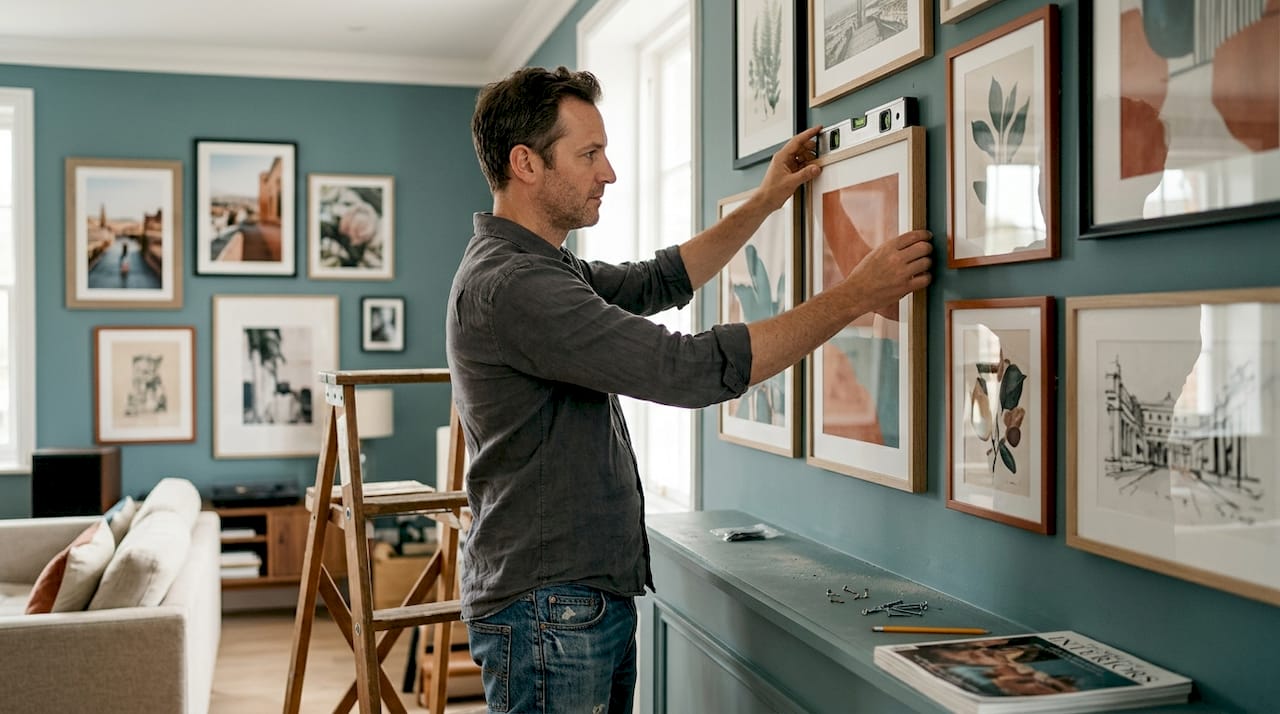
The status element is real and should not be underestimated. Collectors who display verified limited edition prints signal something about their taste, discernment, and knowledge of the market. This matters in both private homes and commercial or hospitality settings, where art is used to communicate brand values and cultural sophistication.
Reasons collectors and decorators prioritise limited editions include:
- Investment potential, as scarcity tends to support price stability and appreciation over time
- Prestige and status, knowing very few others share ownership of the same piece
- Stronger emotional connection to artwork that feels genuinely personal and rare
- Greater alignment with artistic intent, as limited runs often represent the artist’s deliberate creative choices
- Resale market access, as limited editions with provenance are far easier to sell than open editions
For those who want pieces that feel genuinely personal and unique, the option to customise wall art adds another layer of exclusivity, blending the collector mindset with genuine creative personalisation.
What to look for when purchasing limited edition prints
Buying a limited edition print without understanding what to evaluate is how collectors make expensive mistakes. The good news is that a handful of clear criteria make the selection process much more straightforward.
Here is a step-by-step approach to evaluating any limited edition print before purchase:
- Check the edition size. Smaller editions carry more scarcity and, consequently, stronger investment potential. For serious collectors, small editions of 25 to 150 from artists with auction history represent the most reliable options for long-term value.
- Research the artist. Reputation, exhibition history, and auction records all signal market confidence. An artist with a consistent track record provides more security than an unknown with a compelling story.
- Verify the Certificate of Authenticity. A COA should include the edition number, total edition size, title, date, medium, and the artist’s signature. Without this documentation, a print’s provenance is unverifiable.
- Look for blockchain authentication. Increasingly, reputable galleries and publishers are using blockchain technology to create immutable records of provenance, making forgery significantly harder. This is particularly important for digital prints and contemporary works.
- Consider the medium and materials. Archival inks, acid-free paper, and quality substrates ensure the print remains in excellent condition over decades. Inferior materials degrade regardless of artistic merit.
- Think about display context. A limited edition print should work beautifully within your existing space, not fight against it. Consider scale, colour palette, and framing before committing to a purchase.
| Criterion | Why it matters | What to look for |
|---|---|---|
| Edition size | Determines scarcity | Smaller is rarer |
| Artist reputation | Affects long-term value | Auction and exhibition history |
| COA | Verifies authenticity | Signed, detailed documentation |
| Blockchain record | Protects provenance | Digital certificate linked to print |
| Materials | Affects longevity | Archival paper and inks |
| Display fit | Affects enjoyment | Scale, colour, and framing harmony |
Pro Tip: Before purchasing, search the artist’s name alongside “auction results” on platforms such as Artnet or Invaluable. This gives you a realistic picture of how their work performs in the secondary market and whether the edition size is genuinely rare or simply marketed as exclusive.
For those interested in both aesthetic quality and long-term value, exploring custom art prints for unique spaces offers an interesting alternative, particularly where a bespoke piece aligns precisely with both decor requirements and personal taste.
If you are approaching prints from a purely investment perspective, take time to understand the dynamics outlined in resources covering investing in decorative prints before committing significant budget to any single piece.
How to display and care for your limited edition prints
Acquiring a limited edition print is only part of the story. How you display and care for it determines whether it retains its beauty and value over time. Poor handling and inappropriate display conditions can damage a print within years, dramatically reducing its condition rating and, by extension, its market value.
Best practices for care and display include:
- Frame with UV-protective glazing. Standard glass allows ultraviolet light to degrade pigments over time. Museum-quality acrylic or UV-filtering glass protects colour vibrancy and paper integrity for decades.
- Use acid-free mounting materials. Regular cardboard and adhesives contain acids that migrate into paper, causing yellowing and brittleness. Always use acid-free or conservation-grade matting and backing.
- Avoid direct sunlight. Even UV-protective glazing has limits. Position prints away from windows where sustained direct sunlight falls throughout the day.
- Control humidity and temperature. Excessive moisture causes paper to expand, warp, and eventually mould. Aim for stable conditions between 45 and 55 percent relative humidity and temperatures below 22 degrees Celsius.
- Handle prints with clean cotton gloves. The natural oils and acids from skin transfer onto paper and cause lasting damage over time.
- Store unframed prints flat in acid-free portfolios. Never roll prints for storage unless the paper is specifically designed for it, as rolling creates crease stress along the paper fibres.
Lighting choice also deserves careful thought. Framing art for display is not simply an aesthetic decision; it is a conservation decision. Warm LED lighting positioned to illuminate without creating glare is ideal. Avoid halogen spotlights directly above prints, as these generate significant heat that dries paper and accelerates pigment fading.
Expert framing advice consistently highlights that the framing choice affects both perception and preservation. A frame that complements the artwork without overwhelming it keeps the visual focus where it belongs, while quality framing materials form the first line of defence against environmental damage.
Pro Tip: When hanging a print in a room, consider the wall surface temperature. Exterior-facing walls in older properties can have cold spots that cause condensation behind frames. Use small spacers or picture bumpers to create an air gap between the frame and the wall.
The condition in which you maintain a limited edition print directly reflects on its value. Scarcity and exclusivity are only half the equation; condition is the other half. A poorly preserved print from a small edition is worth significantly less than an identical print in pristine condition with full documentation.
Exploring professional framing benefits is worthwhile if you are serious about both the aesthetic presentation and long-term preservation of your collection.
The truth about collecting limited edition prints: what most enthusiasts miss
Here is something that tends to get glossed over in most articles on this topic: not all limited editions are worth collecting, and not all collectors should prioritise limited editions at all.
The market is saturated with prints described as “limited” that are limited in name only. An edition of 5,000 is technically limited. It is also practically indistinguishable from an open edition in terms of scarcity. Some publishers release multiple editions of the same image, each “limited” separately, which effectively circumvents the entire point of the model. The label alone guarantees nothing.
This connects to the criticism that edition limits are sometimes a marketing strategy rather than a genuine artistic commitment. That criticism is valid. Collectors who buy based on the word “limited” without scrutinising the actual edition size, artist credibility, and authentication documentation are often paying a premium for very little genuine scarcity.
The more uncomfortable truth is that most limited edition prints never appreciate meaningfully in financial terms. The collectors who do well financially tend to combine genuine art knowledge with patience, a willingness to research deeply, and access to primary market sources. They are not simply buying because something is numbered.
What this means in practice is that personal enjoyment should be weighted far more heavily in your purchasing decisions than most financial-first advice suggests. If a print moves you, works brilliantly in your space, and is well made with archival materials, it delivers real value regardless of whether it appreciates on the secondary market. Many collectors who chase investment returns end up with pieces they do not particularly enjoy living with, while those who prioritise beauty and meaning tend to build genuinely satisfying collections.
The decorative prints for interiors perspective deserves equal respect alongside the investment perspective. A well-chosen print that lifts a room, reflects your taste, and brings daily pleasure has delivered on its purpose entirely. Whether it doubles in value is a secondary consideration.
Collect what resonates. Research what you buy. And be appropriately sceptical of any seller who leads with “limited edition” without immediately being able to demonstrate exactly what that means in specific, verifiable terms.
Discover unique limited edition art for your home
If this guide has sparked the desire to find genuinely distinctive prints for your collection or your interior, Frame the World offers a thoughtfully curated range that goes well beyond the standard reproduction market. Browse the Wabi Sabi wall art collection for pieces that bring considered, understated elegance to any space, or explore the bold and characterful pop art prints range for something with real visual impact. For collectors and decorators who want something entirely their own, the custom print service makes it straightforward to commission bespoke artwork tailored precisely to your space, palette, and vision. Whether you are building a collection or transforming a single wall, the options are genuinely exciting.
Frequently asked questions
What defines a limited edition print?
A limited edition print is a work reproduced in a set number of copies, with each print individually numbered and often signed by the artist, guaranteeing its rarity and authenticity.
Why do collectors value limited edition prints?
Collectors value them because scarcity drives desirability and provides both exclusivity and the potential for financial appreciation over time.
Are limited edition prints a good investment?
They can be, particularly when sourced from small editions of 25 to 150 by established artists with auction history, provided authentication documentation is in place.
What is the difference between open and limited edition art prints?
Open editions can be produced in unlimited quantities, while limited editions have a set run, directly affecting their scarcity, collectibility, and long-term value potential.
How can you verify the authenticity of a limited edition print?
Look for a Certificate of Authenticity, the artist’s signature, and edition numbering, and consider blockchain authentication for contemporary works where digital provenance records are available.


Leave a comment
This site is protected by hCaptcha and the hCaptcha Privacy Policy and Terms of Service apply.