
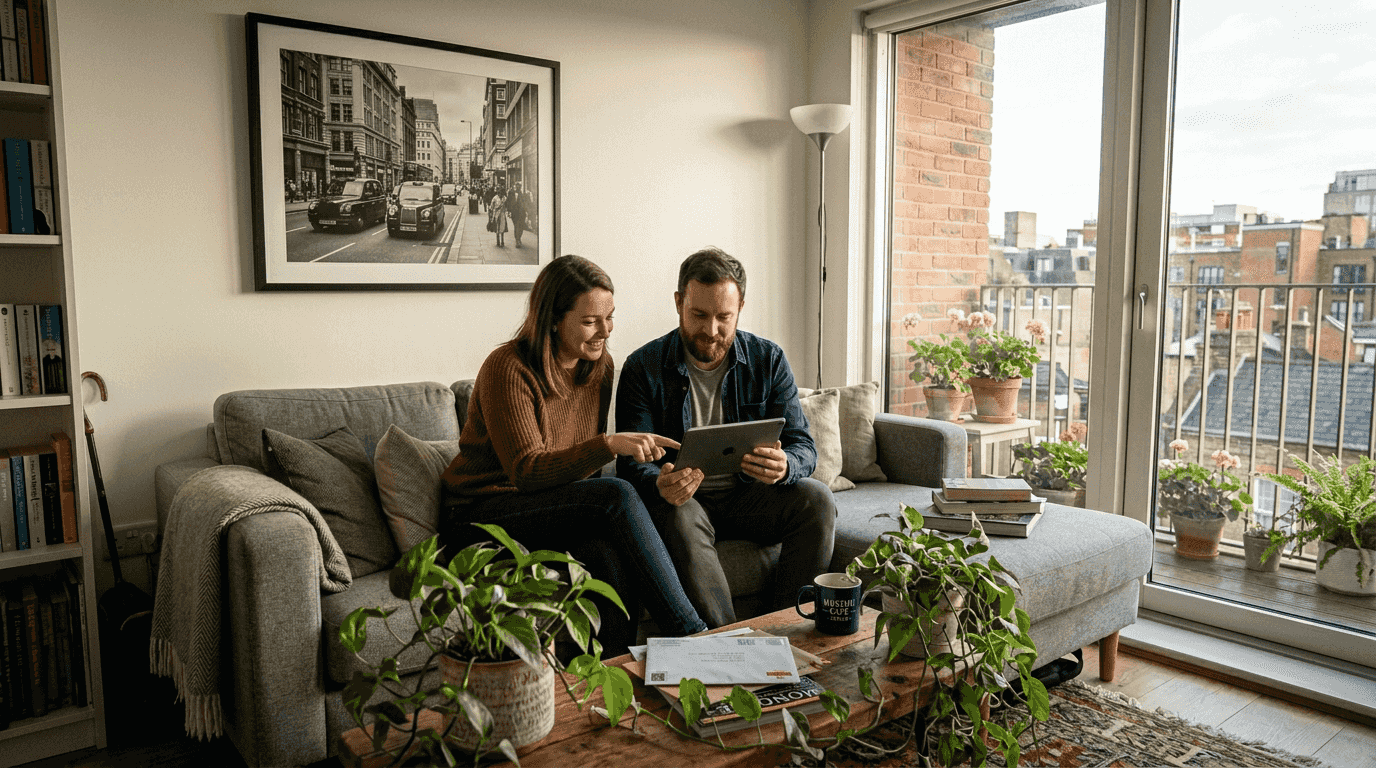
Photographic wall art can reduce stress levels by up to 15%, transforming your home into a calming sanctuary. Yet many homeowners and designers overlook this powerful decorative tool, unsure about materials, installation, or customisation possibilities. This guide clarifies what photographic wall art truly is, explores material choices, examines emotional and spatial impact, and reveals how bespoke options unlock personalised interior expression.
Table of Contents
- Introduction To Photographic Wall Art
- Materials And Types Of Photographic Wall Art
- How Photographic Wall Art Transforms Interior Spaces
- Customisation And Personalised Photographic Wall Art
- Common Misconceptions About Photographic Wall Art
- Photographic Wall Art Compared To Other Art Forms
- Practical Tips For Displaying Photographic Wall Art
- Conclusion: Choosing Photographic Wall Art For Your Space
- Discover Custom Photographic Wall Art At FrameTheWorld
- Frequently Asked Questions
Key takeaways
| Point | Details |
|---|---|
| Definition and evolution | Photographic wall art encompasses images printed on diverse substrates, evolving from traditional paper to advanced metal and acrylic formats. |
| Material impacts quality | Canvas offers warmth, metal provides durability and antimicrobial properties, acrylic enhances colour vibrancy, and paper remains affordable. |
| Emotional transformation | Art influences mood, spatial perception, and wellbeing, with studies showing measurable stress reduction benefits. |
| Customisation enables expression | Bespoke options allow tailored size, material, and imagery selection, with over 50% more choices than ready-made alternatives. |
| Display techniques matter | Proper framing, lighting, sizing, and placement maximise visual impact and harmony within interiors. |
Introduction to photographic wall art
Photographic wall art is visual artwork created using photographic images printed on various substrates specifically for wall display. This art form has transformed dramatically over recent decades. What began as simple paper prints in basic frames has evolved into sophisticated offerings including canvas wraps, metal prints, and acrylic-mounted images.
The evolution from traditional formats to modern materials reflects advances in printing technology and growing consumer demand for durable, vibrant wall decor. Today’s photographic wall art serves multiple purposes beyond mere decoration. It acts as a mood enhancer, personal statement piece, and spatial transformer within residential and commercial environments.
Modern interiors increasingly rely on photographic wall art because it bridges personal expression with professional design aesthetics. Homeowners use it to reflect their travels, passions, and memories. Designers leverage it to establish atmosphere and visual focal points. Commercial spaces employ it to reinforce brand identity and create welcoming environments.
Common applications include:
- Residential living rooms and bedrooms for personalisation and ambience
- Commercial offices and reception areas to convey professionalism and brand values
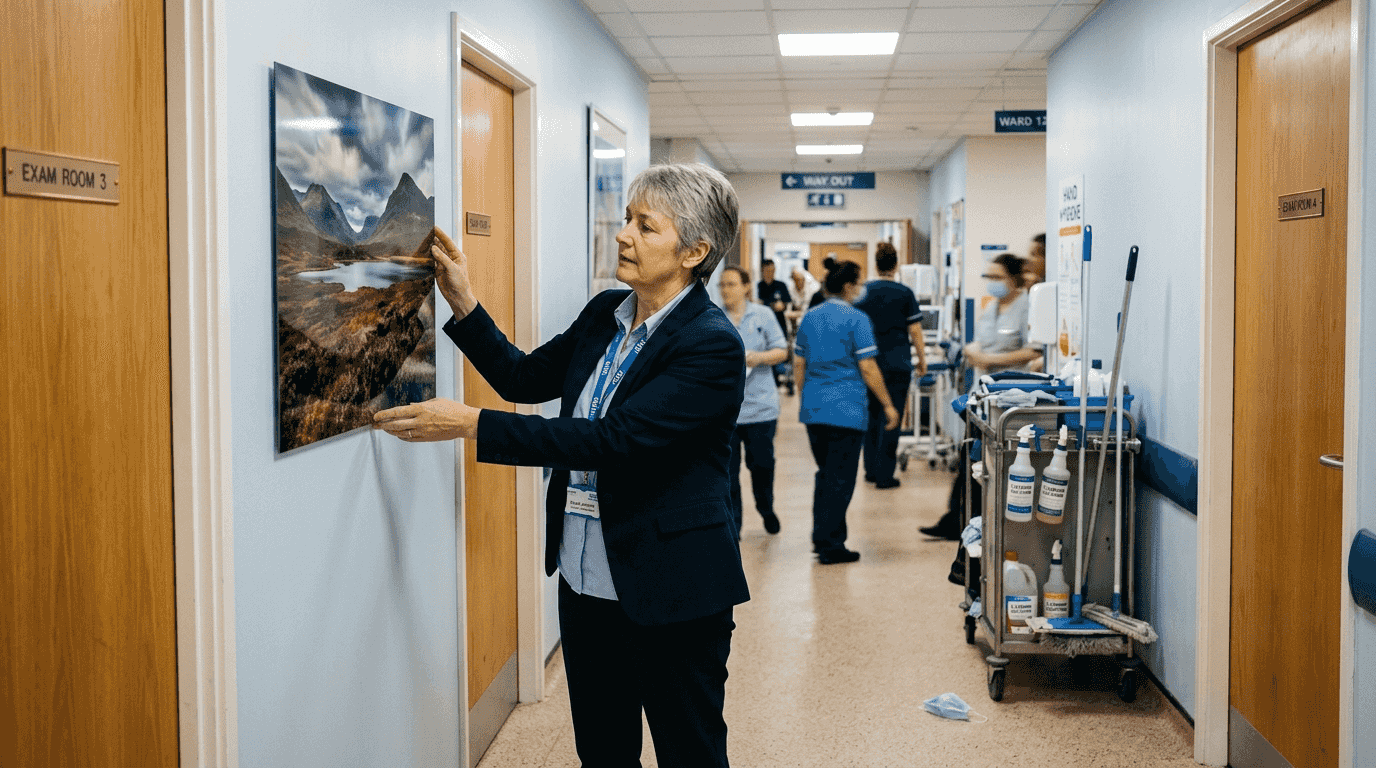
- Healthcare facilities utilising calming imagery to reduce patient anxiety
- Hospitality venues creating immersive thematic experiences
- Retail spaces establishing visual interest and product context
The versatility of photographic wall art lies in its ability to adapt to any aesthetic, from minimalist monochrome to bold, colourful statements. Understanding its foundations helps you make informed choices that enhance your specific interior goals.
Materials and types of photographic wall art
Material selection fundamentally shapes how your photographic wall art looks, performs, and endures. Each substrate offers distinct visual qualities and practical advantages suited to different environments and design intentions.
Canvas prints deliver texture and warmth, mimicking traditional paintings whilst remaining lightweight and affordable. The fabric surface softens images, creating a classic gallery aesthetic that suits traditional and contemporary interiors. Canvas works particularly well for landscapes, portraits, and artistic photography where slight texture enhances visual interest.
Metal prints provide exceptional durability and antimicrobial properties, making them ideal for healthcare facilities, kitchens, and bathrooms. The aluminium surface produces vibrant colours with stunning depth and a modern, sleek appearance. Images appear to float within the metal, creating a three-dimensional quality that captivates viewers.
Acrylic prints offer maximum colour vibrancy and depth through light refraction. The protective acrylic layer shields the image whilst amplifying colours, resulting in gallery-quality displays. These prints excel in high-traffic areas due to scratch resistance and easy cleaning. However, they carry more weight than canvas or paper options.
Paper prints remain the most affordable and traditional choice. Quality archival paper paired with proper framing creates stunning results whilst offering budget flexibility. Paper suits any imagery style and allows easy replacement or rotation of artwork.
| Material | Durability | Colour Vibrancy | Weight | Best Use |
|---|---|---|---|---|
| Canvas | Moderate | Good | Light | Traditional spaces, portraits |
| Metal | Excellent | Outstanding | Moderate | Modern interiors, hygiene-critical areas |
| Acrylic | Excellent | Outstanding | Heavy | High-traffic areas, statement pieces |
| Paper | Moderate | Good | Very light | Budget-conscious projects, frequent rotation |
Printing techniques also influence final quality. Giclée printing produces museum-grade results with archival inks that resist fading for decades. Direct-to-substrate printing on metal and acrylic creates seamless, contemporary finishes. Understanding these distinctions empowers confident material selection aligned with your vision and practical requirements.
Pro Tip: For clinical environments like medical practices or dental surgeries, metal prints offer superior hygiene benefits due to their antimicrobial surface and easy sanitisation, whilst maintaining professional aesthetics.
How photographic wall art transforms interior spaces
Photographic wall art extends far beyond decoration, actively shaping emotional experiences and spatial perception within interiors. The psychological impact can reduce stress by up to 15%, making material and imagery choices genuinely important for wellbeing.
Art influences emotional tone through colour psychology and subject matter. Coastal landscapes in blues and greens promote tranquillity and relaxation, ideal for bedrooms and meditation spaces. Bold abstract pieces in warm oranges and reds energise creative studios and social areas. Nature photography connects urban dwellers to outdoor environments, reducing stress even in city apartments.
Visual storytelling through photographic art creates personal narratives that define space identity. Family travel photographs tell stories of shared adventures. Local landscape images anchor homes to their regional context. Abstract or conceptual photography expresses individual artistic sensibilities. These narratives transform generic rooms into spaces reflecting inhabitant values and experiences.
Spatial perception shifts dramatically based on photographic content and presentation:
- Horizon lines and perspective draw the eye, making rooms feel larger or more intimate
- Light, bright imagery opens up small spaces, whilst dark, moody photographs create cosy atmospheres
- Vertical compositions emphasise ceiling height, horizontal formats expand perceived width
- Large-scale prints command attention and establish focal points
Environmental design increasingly recognises art as a wellbeing tool. Healthcare facilities use calming imagery to reduce patient anxiety before procedures. Corporate offices employ inspirational photography to boost employee morale and creativity. Residential designers specify art strategically to support intended room functions, from energising home gyms to relaxing reading nooks.
“The right photographic wall art doesn’t just decorate a space, it fundamentally alters how inhabitants experience and interact with their environment, supporting both aesthetic goals and measurable wellbeing outcomes.”
Understanding these transformative effects helps you select photographic wall art that serves both visual and functional purposes within your interior design strategy.
Customisation and personalised photographic wall art
Bespoke photographic wall art unlocks possibilities impossible with ready-made options, allowing precise alignment with your design vision and spatial requirements. The customisation options available have expanded dramatically, with over 50% more bespoke choices compared to standard alternatives.
Customisation encompasses multiple dimensions beyond simple image selection. Size tailoring ensures perfect proportions for your specific wall dimensions, avoiding the compromise of standard sizes. Material selection matches your environmental needs and aesthetic preferences, whether that’s metal for a modern kitchen or canvas for a traditional study. Framing options range from frameless contemporary presentations to ornate traditional borders.
Finish choices further personalise your art. Matte surfaces minimise glare in brightly lit rooms, whilst glossy finishes enhance colour saturation and create dynamic reflections. Textured finishes add tactile interest. These seemingly small decisions significantly impact final appearance and how art interacts with room lighting.
The market trend towards personalisation reflects broader consumer desires for unique, meaningful interiors rather than mass-produced decor. Homeowners increasingly want spaces that tell their personal stories. Designers seek exclusive pieces that differentiate their projects. Bespoke photographic wall art satisfies both needs.
Benefits of customisation include:
- Deep emotional connection through personally meaningful imagery
- Exact dimensional fit eliminating awkward gaps or proportional mismatches
- Material selection optimised for specific environmental conditions
- Exclusivity ensuring your art remains unique rather than mass-produced
- Creative control over every aesthetic element from image to frame
Options span from printing your own photography to commissioning professional photographers for specific subjects. Artist collaborations blend photographic and painted elements. Mixed media approaches combine photography with typography or graphic elements. Digital manipulation creates surreal or enhanced versions of original photographs.
Pro Tip: Before finalising custom photographic wall art, photograph your wall at different times of day to assess natural lighting conditions. Bring these images when discussing customisation to ensure your chosen materials and finishes will harmonise with actual room lighting rather than idealised conditions.
Common misconceptions about photographic wall art
Several persistent myths discourage homeowners and designers from fully embracing photographic wall art. Clarifying these misconceptions opens creative possibilities and encourages confident decision-making.
Myth: Photographic wall art always carries premium pricing, making it inaccessible for average budgets. Reality challenges this assumption. Quality photographic prints on paper or canvas offer affordability comparable to mass-produced poster art, whilst delivering superior visual impact and longevity. Investment scales with customisation and material choices, allowing budget flexibility. Entry-level options provide genuine artistic value without financial strain.
Myth: Bigger prints always create better impact, leading buyers to over-scale artwork for their spaces. Reality requires proportional thinking. Oversized prints overwhelm small rooms, creating visual chaos rather than harmony. Properly sized art maintains balance, with ideal dimensions typically spanning 60 to 75% of wall width. Multiple smaller prints often achieve greater impact than one massive piece in compact spaces.
Myth: Only professional photography qualifies as legitimate photographic wall art, excluding amateur efforts. Reality celebrates creative vision over technical credentials. Amateur photographs printed on premium materials using professional techniques achieve stunning artistic results. Personal photography often carries deeper emotional resonance than generic professional stock images. The printing quality and presentation matter more than photographer status.
Myth: Photographic wall art suits only modern or contemporary interiors. Reality demonstrates versatility across all design styles. Black and white photography complements traditional spaces beautifully. Vintage photographic styles enhance period properties. Nature photography works universally. Subject matter and framing choices determine style compatibility, not the photographic medium itself.
These misconceptions limit creative expression and cause missed opportunities for interior enhancement. Education about actual costs, appropriate sizing, amateur artistic validity, and style versatility empowers more adventurous, personalised choices. Understanding reality versus myth helps you select photographic wall art confidently, whether working with modest budgets, small spaces, personal photographs, or traditional design schemes.
Photographic wall art compared to other art forms
Understanding how photographic wall art positions against paintings and other wall decor clarifies when each option best serves your interior goals. Each art form offers distinct advantages depending on budget, aesthetic preferences, and practical considerations.
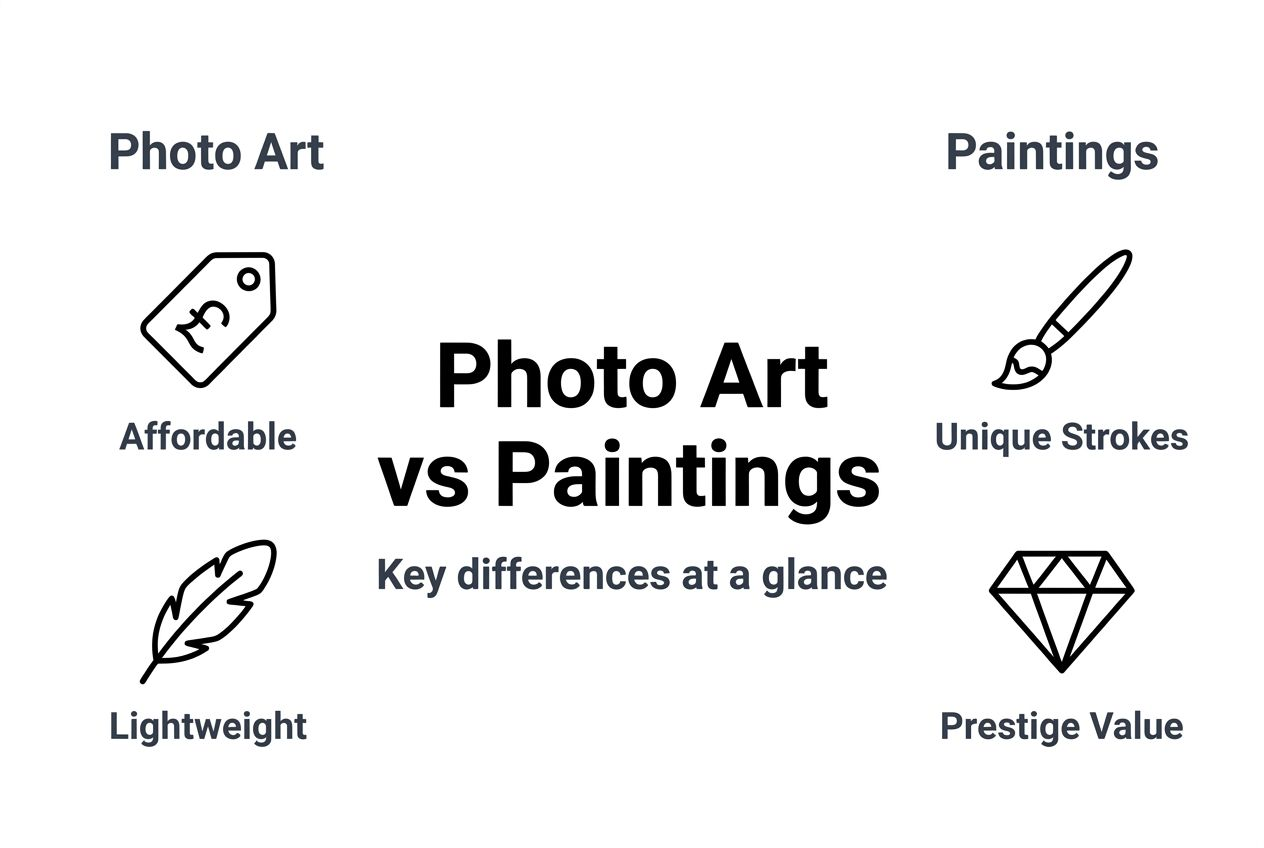
Cost represents a significant differentiator. Photographic wall art generally costs less than original paintings whilst delivering comparable visual impact. Limited edition photographic prints offer exclusivity at accessible prices. Mass-produced paintings often lack the authenticity and detail that quality photographic prints provide at similar price points.
Installation logistics favour photographic art. Prints on canvas, metal, or acrylic weigh substantially less than framed paintings, simplifying hanging and reducing wall stress. This lightness enables flexible arrangements and frequent repositioning without professional assistance. Paintings, particularly oil on canvas with heavy frames, require secure mounting and careful handling.
Versatility in available themes and styles tilts towards photography. The photographic medium captures any subject from microscopic details to cosmic phenomena. Style ranges from photojournalistic realism to heavily manipulated abstract compositions. This breadth exceeds what painters can practically offer, particularly for specific subjects like rare wildlife or remote locations.
| Aspect | Photographic Wall Art | Paintings |
|---|---|---|
| Cost | Moderate to affordable | High for originals |
| Installation | Lightweight, easy mounting | Heavier, may need professional help |
| Style range | Extremely broad | Limited by artist skill and medium |
| Reproduction | Easy to replicate | Difficult, loses originality |
| Tactile quality | Smooth or textured substrate | Visible brushstrokes, texture |
Artistic expression differs fundamentally between mediums. Paintings showcase hand-crafted uniqueness through visible brushwork and layered paint. Each painting becomes truly one of a kind, even when artists attempt replication. Photographic art captures real moments, preserving authenticity that paintings can only approximate. This reality-based quality resonates with viewers seeking genuine connection to places, people, or moments.
Paintings excel when tactile, hand-made qualities matter most to your design vision. Original paintings carry prestige and investment value. However, photographic wall art serves most residential and commercial needs more practically through lower costs, easier installation, broader subject availability, and authentic moment capture. Understanding these trade-offs helps you allocate budget and select art forms strategically based on room-specific priorities.
Practical tips for displaying photographic wall art
Even exceptional photographic wall art fails to impress without thoughtful display. Strategic framing, lighting, sizing, and placement transform good art into stunning focal points that enhance entire rooms.
Framing choices should complement both artwork and surrounding decor. Modern spaces benefit from frameless presentations or slim metal frames that emphasise clean lines. Traditional interiors suit ornate wooden frames matching existing furniture finishes. The frame colour should either match dominant room colours for cohesion or provide deliberate contrast for dramatic effect. Proper framing significantly enhances photographic wall art’s impact within interiors.
Lighting requires careful consideration to prevent glare whilst highlighting colours and details. Position artwork away from direct sunlight, which causes fading regardless of material quality. Install adjustable picture lights for evening illumination, angling them to eliminate reflections on glass or acrylic surfaces. LED strips behind metal or acrylic prints create stunning backlit effects. Natural light from windows perpendicular to walls provides ideal daytime illumination without glare.
Sizing follows proportional guidelines ensuring visual balance:
- Measure your wall width and multiply by 0.60 to 0.75 to determine ideal artwork width
- For walls above furniture, ensure art spans at least two-thirds the furniture width
- In gallery walls, maintain consistent spacing between pieces, typically 5 to 8 centimetres
- Leave breathing room, avoid filling every centimetre of available wall space
- Consider viewing distance, larger rooms accommodate larger prints effectively
Placement depends on room function and traffic patterns. Hang art at eye level, approximately 145 to 155 centimetres from floor to artwork centre. In dining rooms, account for seated viewing heights. Hallways accommodate multiple pieces in linear arrangements. Living rooms benefit from focal point placement above sofas or fireplaces.
Consider room purpose when selecting imagery and placement. Calming landscapes suit bedrooms for relaxation. Energetic abstracts enhance creative workspaces. Social areas benefit from conversation-starting pieces positioned where guests naturally gather.
Pro Tip: Create dynamic visual interest in large spaces by grouping odd numbers of complementary prints (three, five, or seven pieces) rather than symmetrical pairs. Arrange pieces on the floor first, photographing various layouts before committing to wall holes, ensuring optimal composition before installation.
Conclusion: choosing photographic wall art for your space
Photographic wall art offers accessible, versatile solutions for transforming interiors through meaningful visual expression. You’ve learned its definition as photographic images printed on diverse materials for wall display, explored material options from traditional canvas to modern metal and acrylic, and discovered its measurable emotional and spatial impacts.
Effective selection requires understanding your specific needs. Assess room function, existing decor, lighting conditions, and budget parameters. Match materials to environmental demands and aesthetic goals. Size artwork proportionally for balanced visual weight. Consider customisation for perfect dimensional fit and personal imagery.
Display techniques amplify your investment. Frame thoughtfully, light carefully, and position strategically at appropriate heights and locations. These practical steps ensure your photographic wall art achieves maximum impact.
Bespoke options provide ultimate creative freedom. Personal photographs, commissioned work, and fully customised presentations create truly unique interiors reflecting your individual story and style. The expanded customisation options available in 2026 make personalised photographic wall art more accessible than ever.
Photographic wall art succeeds because it balances artistic expression with practical advantages including affordability, easy installation, and incredible subject versatility. Whether enhancing residential comfort or establishing commercial brand identity, photographic wall art transforms blank walls into compelling visual narratives that elevate daily experiences within your spaces.
Discover custom photographic wall art at FrameTheWorld
Ready to transform your interiors with photographic wall art tailored precisely to your vision? FrameTheWorld specialises in bespoke photographic prints crafted to your exact specifications. Whether you’re seeking statement pieces for residential spaces or cohesive collections for commercial projects, our custom print options deliver professional quality with personal touches.
Explore distinctive styles that add character and depth to any room. Our wabi sabi wall art collection embraces organic textures and natural imperfection for serene, contemplative spaces. Alternatively, bold pop art wall art injects vibrant energy into contemporary interiors.
Benefit from expert craftsmanship, premium materials, and personalised guidance throughout your selection process. Let FrameTheWorld help you discover photographic wall art that doesn’t just decorate your walls but genuinely enhances how you experience your space daily.
Frequently asked questions
What exactly defines photographic wall art?
Photographic wall art comprises images captured through photography and printed onto various substrates including canvas, metal, acrylic, or paper specifically for wall display. It transforms photographic images into permanent decorative pieces that enhance interior aesthetics and atmosphere.
Which materials offer the best durability and colour vibrancy?
Metal and acrylic prints deliver superior durability and colour vibrancy compared to traditional options. Metal provides antimicrobial properties and excellent fade resistance, whilst acrylic enhances colour depth through light refraction and offers scratch-resistant surfaces ideal for high-traffic areas.
How do I determine the right size photographic wall art for my space?
Calculate ideal width by multiplying your wall width by 0.60 to 0.75 for proportional balance. Ensure artwork above furniture spans at least two-thirds the furniture width. Account for viewing distance, as larger rooms accommodate bigger prints more effectively without overwhelming viewers.
Are expensive professional photographs necessary for quality wall art?
No, professional photographer credentials aren’t essential for stunning photographic wall art. Amateur photographs printed using quality materials and professional techniques achieve excellent artistic results. Personal imagery often provides deeper emotional resonance than generic professional stock photos, making it more meaningful for your space.
What are the best practices for displaying photographic wall art effectively?
Hang artwork at eye level, approximately 145 to 155 centimetres from floor to centre. Choose framing that complements room style and prevents glare through proper angling. Light strategically using adjustable picture lights or natural perpendicular window light. Size proportionally to wall dimensions, maintaining breathing room rather than filling every available centimetre.


Leave a comment
This site is protected by hCaptcha and the hCaptcha Privacy Policy and Terms of Service apply.