

Many homeowners believe original artworks are essential for sophisticated interiors, yet prints offer affordability without sacrificing impact, transforming spaces at a fraction of the cost. Decorative prints provide unprecedented flexibility, allowing you to experiment with diverse styles, patterns, and scales whilst supporting independent artists. This guide reveals how strategic print selection and placement creates visually compelling environments that reflect your unique personality and design vision.
Table of Contents
- The Benefits Of Using Prints In Interior Design
- How Patterns And Prints Transform Space And Mood
- Mastering Mix And Balance: Pattern Layering And Print Cohesion
- Quality Considerations And Artistic Impact Of Prints
- Explore Curated Print Collections To Transform Your Space
- Why Use Prints In Design: Frequently Asked Questions
Key takeaways
| Point | Details |
|---|---|
| Cost-effective transformation | Prints deliver gallery-worthy aesthetics without the premium price of original artworks, enabling large-scale decorating across multiple rooms. |
| Style flexibility and experimentation | Mixing print mediums and styles creates layered, personalised spaces that evolve with your tastes without significant financial commitment. |
| Supporting artistic communities | Purchasing quality prints directly contributes to emerging and independent artists, fostering creative ecosystems. |
| Pattern psychology matters | Different pattern types fundamentally alter spatial perception and emotional atmosphere, from geometric structure to floral softness. |
| Balance creates cohesion | Anchor pieces and deliberate layering prevent visual chaos whilst establishing harmonious, professionally curated aesthetics. |
The benefits of using prints in interior design
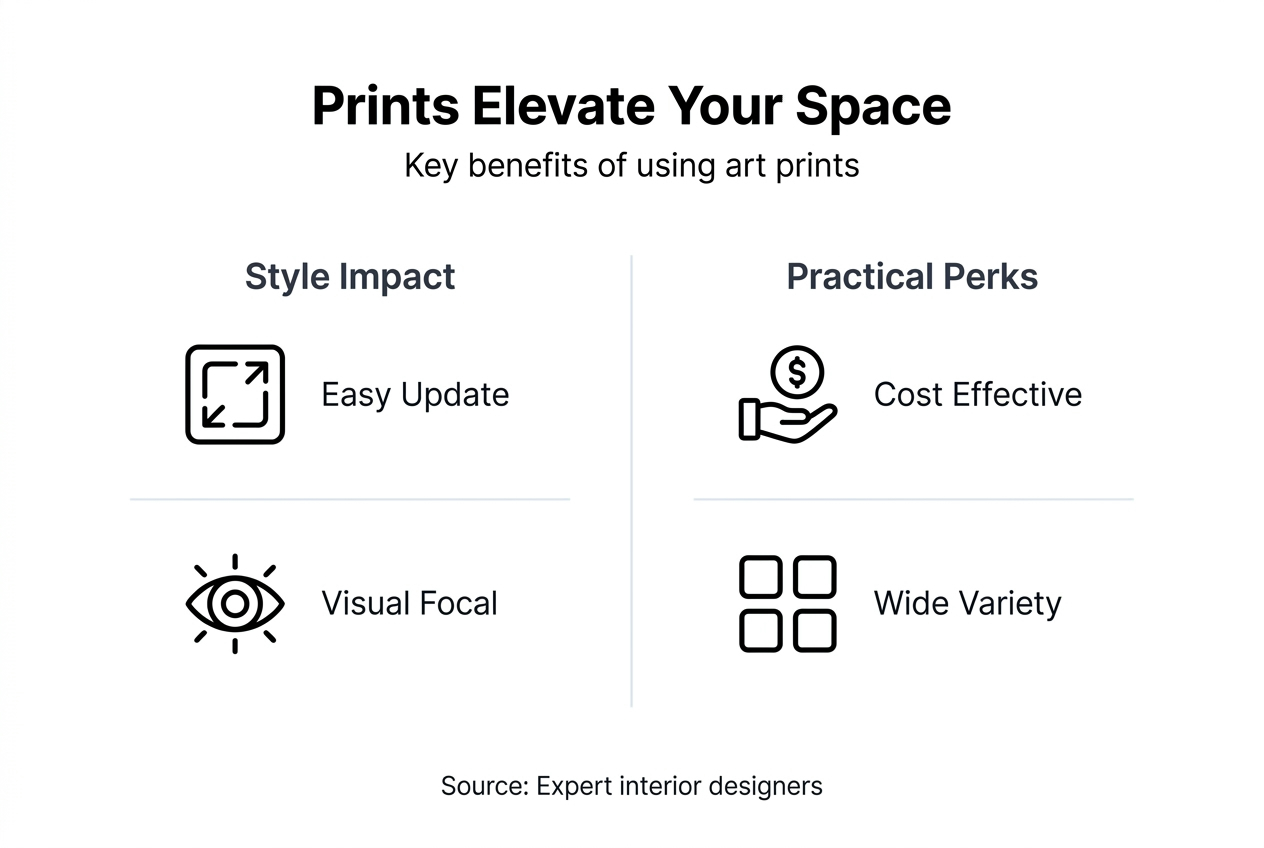
Prints revolutionise interior design by democratising access to compelling visual art. Where original paintings might cost thousands, large-scale pieces at a fraction of the cost enable homeowners to create gallery walls, statement focal points, and coordinated schemes throughout entire homes. This affordability transforms decorating from a luxury investment into an accessible creative outlet.
The true power lies in stylistic freedom. Mixing styles and mediums allows you to layer abstract compositions with vintage photography and botanical illustrations, achieving depth impossible with single-medium collections. You can test bold colour palettes in your dining room whilst maintaining serene neutrals in bedrooms, adapting each space to its function without decorative constraints.
Key advantages include:
- Rapid style evolution as your preferences develop
- Risk-free experimentation with emerging design movements
- Coordinated aesthetics across open-plan living areas
- Budget allocation flexibility for other furnishing priorities
Beyond personal benefits, your purchases matter ethically. Supporting artists through reputable print vendors sustains creative professionals, enabling them to continue producing work that enriches our visual culture. When you choose prints from platforms prioritising artist partnerships, you participate in a sustainable creative economy whilst beautifying your environment.
“Prints provide the perfect entry point for art collectors and design enthusiasts alike, offering museum-quality reproductions that honour the original whilst remaining accessible to broader audiences.”
Understanding why choose art prints fundamentally shifts how you approach interior styling, opening possibilities previously reserved for significant budgets.
How patterns and prints transform space and mood
Pattern selection profoundly influences how you experience rooms emotionally and spatially. Different pattern types influence mood, with geometrics conveying structure and order, florals introducing organic softness, stripes creating vertical or horizontal elongation, and abstracts generating dynamic movement. This psychological dimension means your print choices actively shape daily experiences within your home.
Consider how patterns manipulate perception:
- Vertical stripes elevate ceiling height in compact spaces
- Large-scale florals make generous rooms feel intimate
- Geometric repetition establishes rhythm and visual flow
- Abstract compositions draw focus to architectural features
Integration approaches vary dramatically in impact. Patterns can be integrated through subtle accents like cushion prints and small framed pieces, or as bold statements via wallpaper, oversized canvases, and upholstered furniture. Starting with movable accent pieces provides flexibility whilst you develop confidence with pattern density.
Prints excel as experimental tools because you can:
- Test colour combinations before committing to permanent finishes
- Rotate seasonal prints to refresh atmospheres economically
- Layer complementary patterns gradually, assessing visual balance
- Introduce trending motifs without renovation commitments
This transformative capacity extends beyond aesthetics into functional improvements. Strategically placed prints direct attention, define zones in open layouts, and soften hard architectural lines. The role of art in home style encompasses both decorative beauty and spatial problem-solving, making prints invaluable design instruments.
Mastering mix and balance: pattern layering and print cohesion
Successful pattern mixing requires deliberate strategy rather than intuitive assembly. Balance prevents patterns from competing, ensuring each element contributes to cohesive harmony rather than visual chaos. The fundamental principle involves varying scale, maintaining colour connections, and establishing clear hierarchies amongst competing designs.
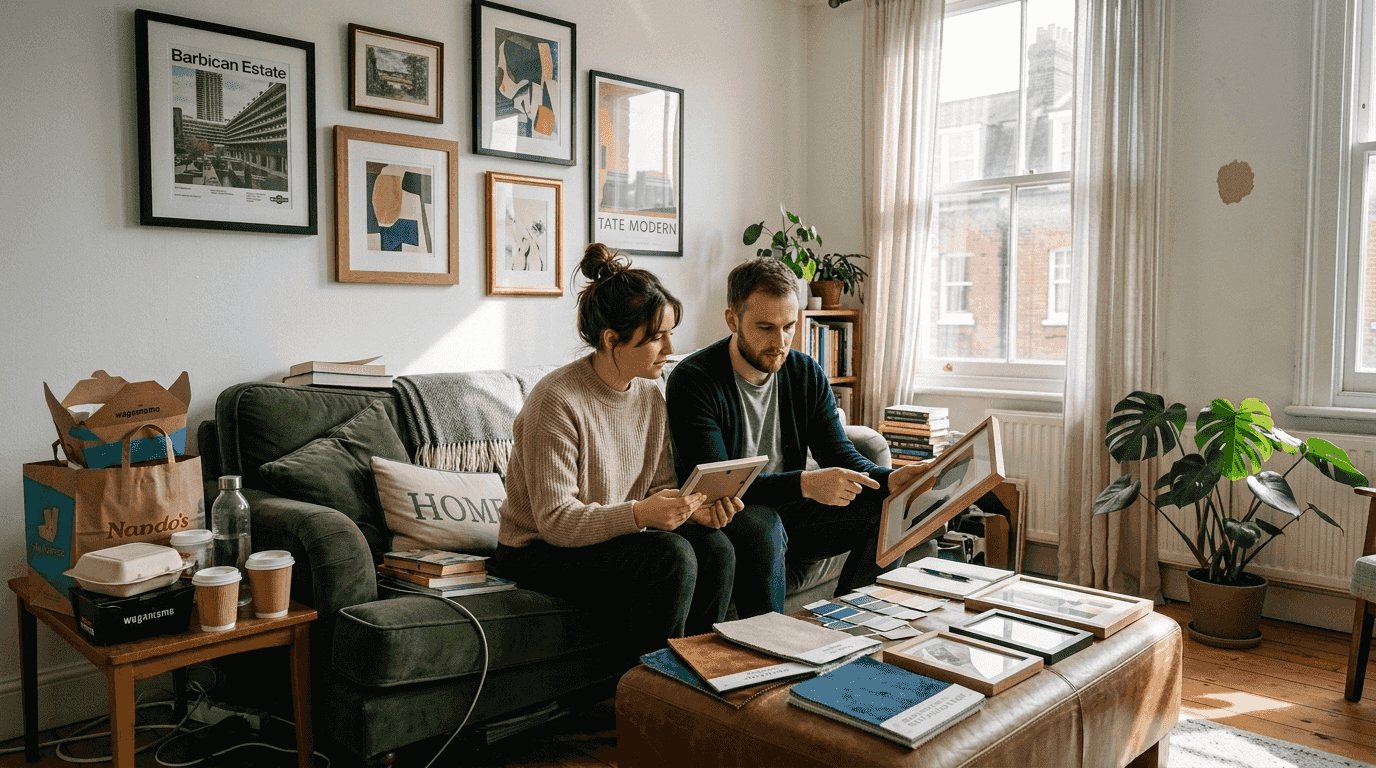
Anchor pieces form the foundation of sophisticated schemes. Choose one dominant print featuring your preferred colour palette and stylistic direction, then select supporting patterns that echo those characteristics at different scales. This anchoring creates subconscious visual threads that unify diverse elements, preventing the disjointed appearance common in poorly planned spaces.
Pro Tip: Limit colour palettes to four core shades plus neutrals when combining multiple patterns. This restriction creates cohesion whilst allowing abundant pattern variation.
Pattern drenching represents an advanced technique gaining popularity in 2026. Pattern drenching creates rich eclectic looks through deliberate layering, but beginners should start with small, movable items like cushions, throws, and framed prints before committing to permanent installations. This incremental approach prevents costly mistakes whilst developing your pattern intuition.
| Mixing approach | Best for | Potential pitfall |
|---|---|---|
| Monochromatic patterns | Beginners seeking sophistication | Can feel flat without tonal variation |
| Complementary scales | Layered, curated aesthetics | Requires careful proportion balancing |
| Theme-based cohesion | Personality-driven spaces | May limit flexibility for style evolution |
| Neutral grounding | Pattern-dense schemes | Risks blandness if neutrals dominate |
Avoid pairing bold, saturated prints with stark white backgrounds, as this combination creates harsh visual contrast that fatigues eyes. Instead, use warm neutrals like cream, greige, or soft grey as foundations, allowing patterns to shine without jarring intensity. These subtle backgrounds also prevent your prints from appearing disconnected or floating awkwardly.
Exploring current art trends for homeowners reveals how contemporary designers layer organic shapes with geometric precision, achieving dynamic tension that energises interiors whilst maintaining visual rest areas.
Quality considerations and artistic impact of prints
Print quality directly determines longevity and visual satisfaction. Giclée or archival-quality prints on matte or textured paper preserve colour fidelity and resist fading, ensuring your investment maintains impact for decades. Inferior printing techniques using acidic papers and unstable inks degrade rapidly, yellowing within years and undermining your design efforts.
Material selection influences both aesthetics and durability:
- Cotton rag paper offers museum-quality archival properties
- Textured finishes add tactile dimension complementing contemporary interiors
- Canvas prints suit casual, relaxed environments
- Metallic papers create luminous effects for modern schemes
Framing choices profoundly affect presentation and protection. Quality frames with UV-protective glazing shield prints from light damage whilst enhancing perceived value. Consider how frame profiles interact with your print style; minimalist metals suit abstracts and photography, whilst ornate wood frames complement classical botanical studies and vintage reproductions.
Pro Tip: Request acid-free mounting and matting when framing prints to prevent chemical degradation over time. This small investment preserves both artistic and monetary value.
When selected thoughtfully, prints can be stunning forever pieces rather than temporary placeholders. Prioritise quality over quantity, investing in fewer exceptional prints rather than numerous mediocre examples. This curatorial approach builds collections with enduring appeal that transcend fleeting trends.
Understanding why choose UK art prints reveals how local production supports superior quality control whilst reducing environmental impact through shortened supply chains, aligning aesthetic goals with ethical consumption.
Explore curated print collections to transform your space
FrametheWorld offers thoughtfully curated collections that simplify achieving cohesive, professionally styled interiors. The Wabi Sabi wall art collection embraces imperfection and organic beauty, perfect for creating serene, minimalist environments that celebrate natural textures and muted palettes. These prints bring calm sophistication to bedrooms, meditation spaces, and contemporary living areas.
For vibrant energy and cultural commentary, explore Pop Art wall art featuring bold graphics and saturated colours that inject personality into dining rooms, home offices, and creative studios. This collection proves how strategic print placement transforms neutral backdrops into dynamic, conversation-starting environments.
When standard collections don’t match your vision, custom print services enable complete personalisation. Upload personal photography, commission bespoke designs, or request specific sizing to fit awkward architectural features. This flexibility ensures every print serves both aesthetic and functional purposes within your unique space.
Why use prints in design: frequently asked questions
How durable are art prints compared to originals?
Archival-quality prints using pigment-based inks on acid-free paper match original durability when properly framed and displayed away from direct sunlight. UV-protective glazing and climate-controlled environments extend longevity to museum standards, often exceeding 100 years without noticeable fading.
Can different print styles be mixed effectively?
Absolutely, provided you maintain colour palette cohesion and vary pattern scales. Anchor your scheme with one dominant style, then introduce complementary pieces that echo core colours at different scales. This layering creates sophisticated depth rather than chaotic clutter.
What are simple ways to integrate prints without overwhelming a space?
Start with a single statement piece in your focal area, then add supporting prints gradually. Use the two-thirds rule: allow two-thirds of wall space to remain clear, concentrating prints in deliberate groupings. Repeat colours from existing furnishings to create visual connections.
How to maintain prints to keep them looking fresh?
Dust frames monthly with microfibre cloths, avoiding glass cleaners that might seep beneath glazing. Rotate prints annually to prevent uneven light exposure, and maintain consistent humidity levels between 40-50% to prevent paper warping. Never hang prints in direct sunlight or above heat sources.
Are prints a good investment for home style?
Prints offer exceptional return on investment by enabling frequent style updates without renovation costs. Quality prints from established artists often appreciate in value, whilst their flexibility allows you to refresh aesthetics as design preferences evolve. This combination of affordability, beauty, and adaptability makes prints fundamentally wise investments.


Leave a comment
This site is protected by hCaptcha and the hCaptcha Privacy Policy and Terms of Service apply.