
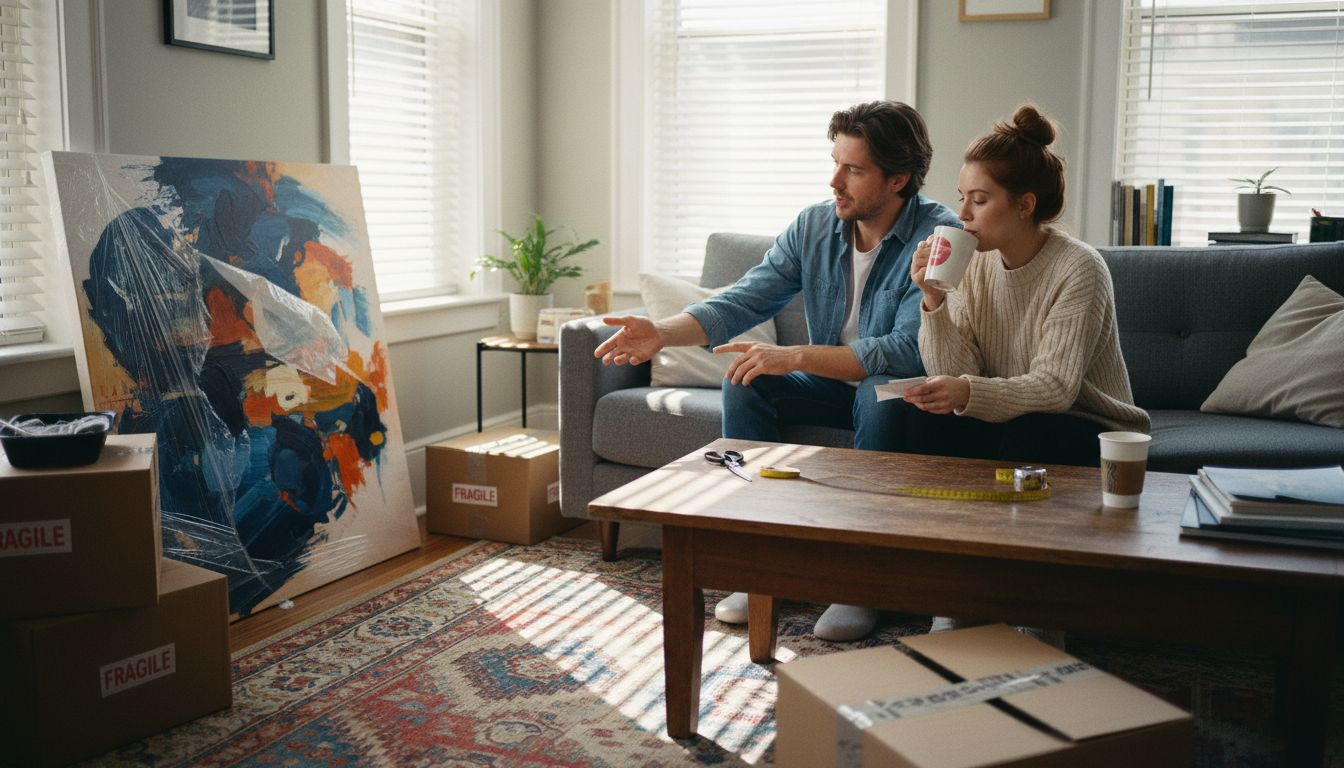
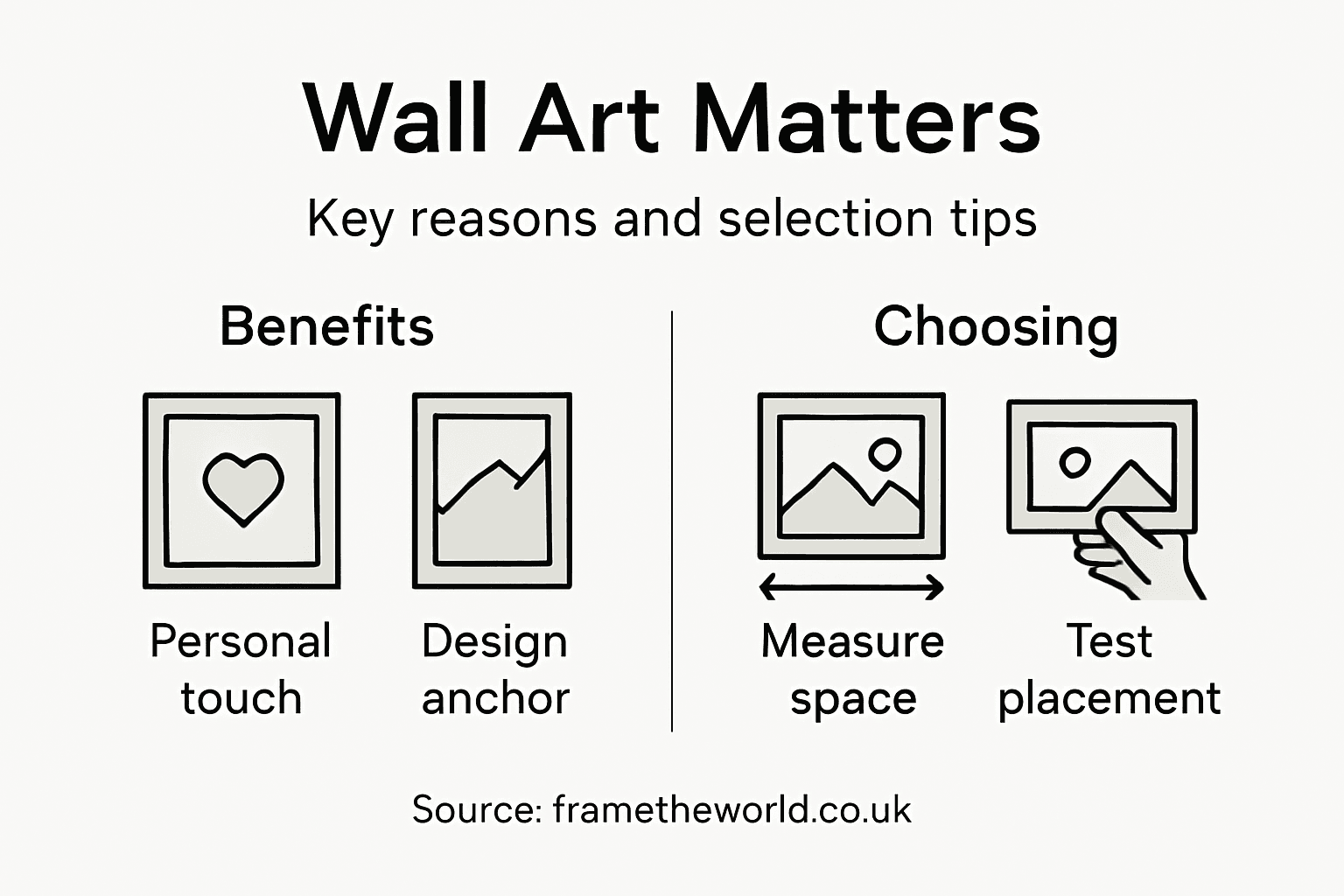
Choosing the right wall art means more than simply filling empty walls. For British homeowners and interior designers, it is an opportunity to express personal taste and create a unique atmosphere that feels authentically yours. Wall art functions as a design anchor, influencing how each room looks, feels, and tells your story. This guide will help you select, customise, and display artwork that matches your space and truly reflects your identity.
Table of Contents
- Wall Art Defined: Core Concepts And Role
- Main Types And Popular Styles In 2026
- How Wall Art Shapes Interior Spaces
- Choosing, Customising, And Displaying Art
- Key Mistakes And How To Avoid Them
Key Takeaways
| Point | Details |
|---|---|
| Purpose of Wall Art | Wall art serves as a personal expression and a design anchor, transforming spaces by creating focal points and defining atmospheres. |
| Types and Trends | The current wall art landscape encompasses various forms including large-scale paintings and gallery walls, with an emphasis on personal authenticity and cultural narratives. |
| Choosing Art | It is crucial to consider scale, colour, and the room’s purpose when selecting wall art to ensure cohesiveness and enhance the overall ambiance. |
| Common Mistakes | Avoid mismatched scales, inappropriate colour selections, and random arrangements by measuring spaces and planning layouts before committing to permanent displays. |
Wall Art Defined: Core Concepts and Role
Wall art is far more than decoration pinned to your walls. It’s a purposeful expression of your personal style, a reflection of who you are, and a powerful design tool that transforms empty space into something meaningful. At its core, wall art encompasses any visual work displayed on walls, including paintings, prints, photographs, canvas pieces, framed artworks, and sculptural elements. Unlike furniture that serves a functional purpose, wall art exists primarily to engage the eye, evoke emotion, and set the tone for an entire room. When you choose to display wall art, you’re making a statement about your aesthetic preferences and the atmosphere you want to create within your home.
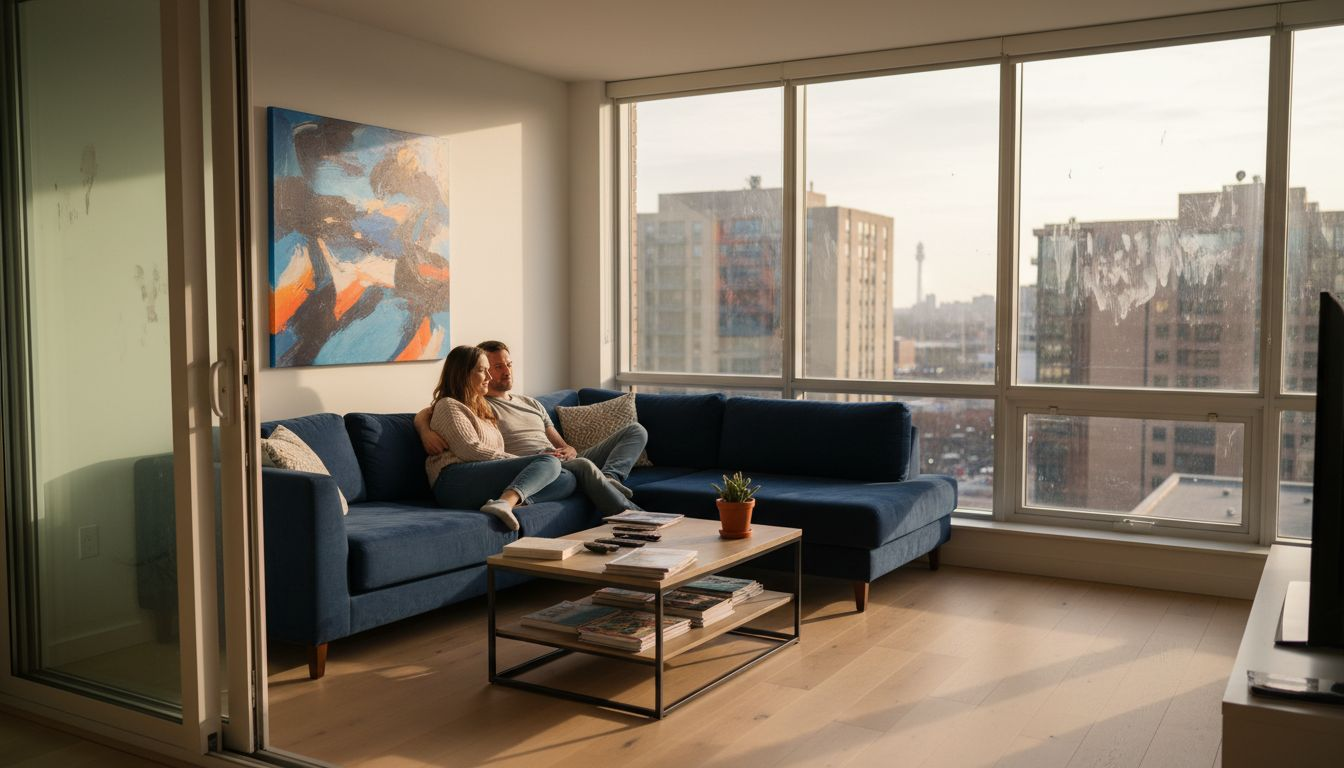
The role of wall art in interior design extends beyond simple beautification. Wall art functions as a design anchor, establishing visual focal points that draw attention and organise the space around them. Consider a plain living room with bare walls. The moment you introduce a carefully selected piece of artwork, that room gains purpose and personality. The right artwork can tie together a colour scheme, complement your furniture choices, and create visual balance. For instance, a bold abstract print might echo the accent colours in your cushions, whilst a landscape photography piece could introduce natural elements that soften the overall aesthetic. Art as a design anchor demonstrates how strategic placement transforms both perception and function of a space. This is particularly important for homeowners and interior designers who understand that thoughtful wall art selection elevates a room from ordinary to intentional.
What makes wall art matter is its accessibility and versatility. Unlike major renovations or expensive furniture pieces, wall art offers flexibility and affordability. You can change it seasonally, swap it out as your tastes evolve, or rotate pieces to keep spaces feeling fresh without committing to permanent changes. Wall art works across different design styles, from minimalist Scandinavian aesthetics to maximalist eclectic schemes, and everything in between. The beauty of contemporary wall art solutions lies in customisation options that allow you to match pieces exactly to your space, dimensions, and vision. Whether you’re seeking a single statement piece or a gallery wall arrangement, wall art provides creative freedom that few other design elements offer.
Pro tip: Measure your wall space and furniture scale before selecting artwork. A piece that’s too small disappears against large walls, whilst oversized art in compact rooms feels overwhelming. Match artwork proportions to the furniture or space it will anchor for maximum visual impact.
Main Types and Popular Styles in 2026
The world of wall art has expanded dramatically, offering homeowners and interior designers more choices than ever before. Today’s wall art landscape encompasses far more than traditional paintings. You can choose from large scale paintings that command attention, gallery walls that tell a curated story through multiple pieces, accent walls painted or wallpapered for dramatic effect, fabric hangings that add texture and warmth, murals that transform entire spaces, sculptural pieces that extend into three dimensions, metal art installations, photographs ranging from fine art to personal memories, and abstract styles that spark conversation. Each type influences your space differently, allowing you to personalise your home according to your specific design vision. The key is understanding which formats resonate with your aesthetic and fit your space’s requirements.
In 2026, wall art trends reflect a shift towards personal authenticity and cultural narratives. Contemporary styles now emphasise creativity and innovation, moving beyond purely decorative purposes to become meaningful expressions of identity. Botanical and nature-inspired prints continue to gain momentum among British homeowners seeking biophilic design elements that connect indoor spaces with the natural world. Minimalist black and white photography appeals to those preferring understated elegance, whilst bold abstract compositions attract people wanting dramatic focal points. Vintage and retro styles have resurged as nostalgia drives design choices, and geometric patterns offer sophisticated visual interest without overwhelming spaces. Gallery walls and various display types demonstrate how different formats create distinct atmospheres, from intimate collections of small prints to commanding single statement pieces. What’s particularly exciting is how customisation allows you to blend these trends with your personal brand identity, ensuring your wall art feels authentically yours rather than following trends blindly.
Beyond aesthetics, wall art in 2026 serves strategic purposes in shaping ambience and emotional response. Colours and compositions are selected to influence mood, motivation, and how people perceive your space. Warm tones create intimate, inviting atmospheres perfect for living rooms and bedrooms, whilst cool tones promote calm and concentration ideal for home offices. Vibrant paintings, illustrations and photographic pieces work together to communicate your values and lifestyle choices. The real shift is understanding that wall art isn’t merely filling empty space anymore; it’s an intentional design decision that shapes how you and your guests experience your home. Whether you’re selecting a single statement artwork or creating an elaborate gallery wall, each choice contributes to the overall narrative of your interior.
Here’s a summary of popular wall art types and their design impact:
| Wall Art Type | Visual Impact | Suitability | Texture/Depth |
|---|---|---|---|
| Canvas Paintings | Bold and expressive | Living rooms, halls | High |
| Gallery Wall | Storytelling display | Corridors, stairways | Varies |
| Fabric Hangings | Warm and tactile | Bedrooms, lounges | Soft |
| Metal Installations | Contemporary, striking | Modern offices, study | Strong |
| Photographs | Personal or artistic | Any room | Moderate |
| Sculptural Elements | Dimensional interest | Feature walls | Very high |
Pro tip: Start with one statement piece rather than committing to an entire gallery wall at once. This allows you to test how different styles and colours work in your space before making larger design investments. You can always expand your collection as your confidence and vision develop.
How Wall Art Shapes Interior Spaces
Wall art wields remarkable influence over how you experience your home. Every piece you hang doesn’t simply occupy wall space; it actively transforms the atmosphere, visual flow, and emotional resonance of your entire room. Think about entering a space with bare white walls versus one featuring a striking piece of art. The difference is immediate and unmistakable. Artistic wall painting and decoration enhance emotional expression, allowing you to communicate your personality whilst simultaneously personalising environments that feel uniquely yours. When you select artwork intentionally, you’re not decorating—you’re curating an experience. The colour palette, composition, subject matter, and scale of your wall art all contribute to how occupants perceive and interact with their surroundings. A warm, earthy abstract painting generates an entirely different mood than a cool-toned minimalist photograph, even if both occupy the same wall space.
The impact of wall art extends far beyond mere aesthetics. Strategic placement and selection directly influence how a room functions and feels. Pale, airy artwork with soft tones makes compact spaces feel more expansive and breathable, whilst bold, saturated pieces create focal points that anchor furniture arrangements and draw the eye through a room with purpose. How art shapes the mood of a room illustrates how thoughtful selection creates specific atmospheric effects. Vertical artwork on feature walls creates height and grandeur, making ceilings feel higher and rooms feel grander. Gallery walls, conversely, create rhythm and movement, guiding viewers through a carefully composed narrative. The psychology behind these effects is straightforward: humans respond viscerally to visual information, and wall art is often the first thing that registers in a room’s visual hierarchy.
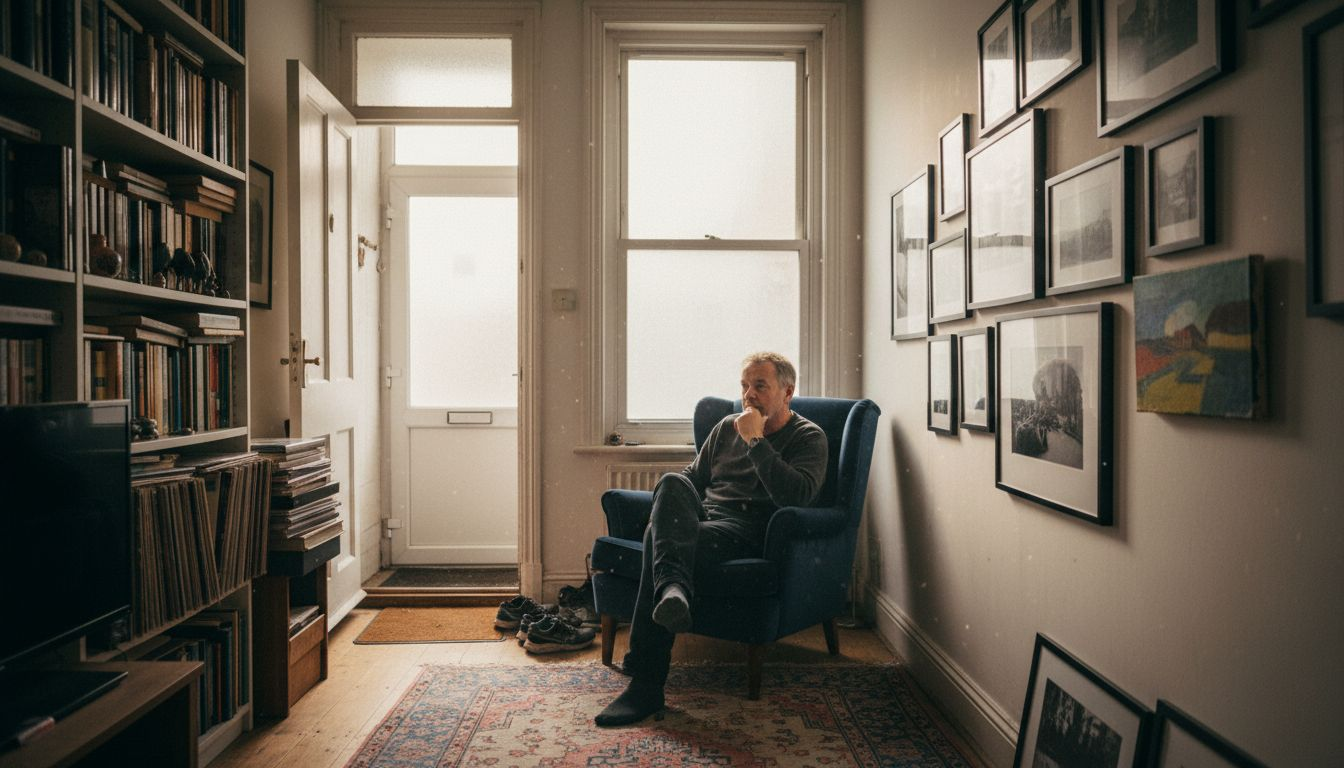
What makes wall art particularly powerful is its ability to disseminate cultural ideas and personal values throughout your living space. Your artwork choices communicate who you are to yourself and your guests. A curated collection reflecting your travels tells a different story than abstract pieces celebrating contemporary design movements or botanical prints emphasising your commitment to biophilic design. This personalisation elevates overall space quality, directly influencing residents’ appreciation for their homes and their satisfaction living within them. The relationship between artwork selection and wellbeing is now well documented; spaces featuring meaningful, beautiful wall art report higher levels of contentment and pride in their homes. Whether you’re drawn to vintage prints, contemporary photography, or bold abstract works, your choices shape not just how your space looks, but how it makes you feel every single day.
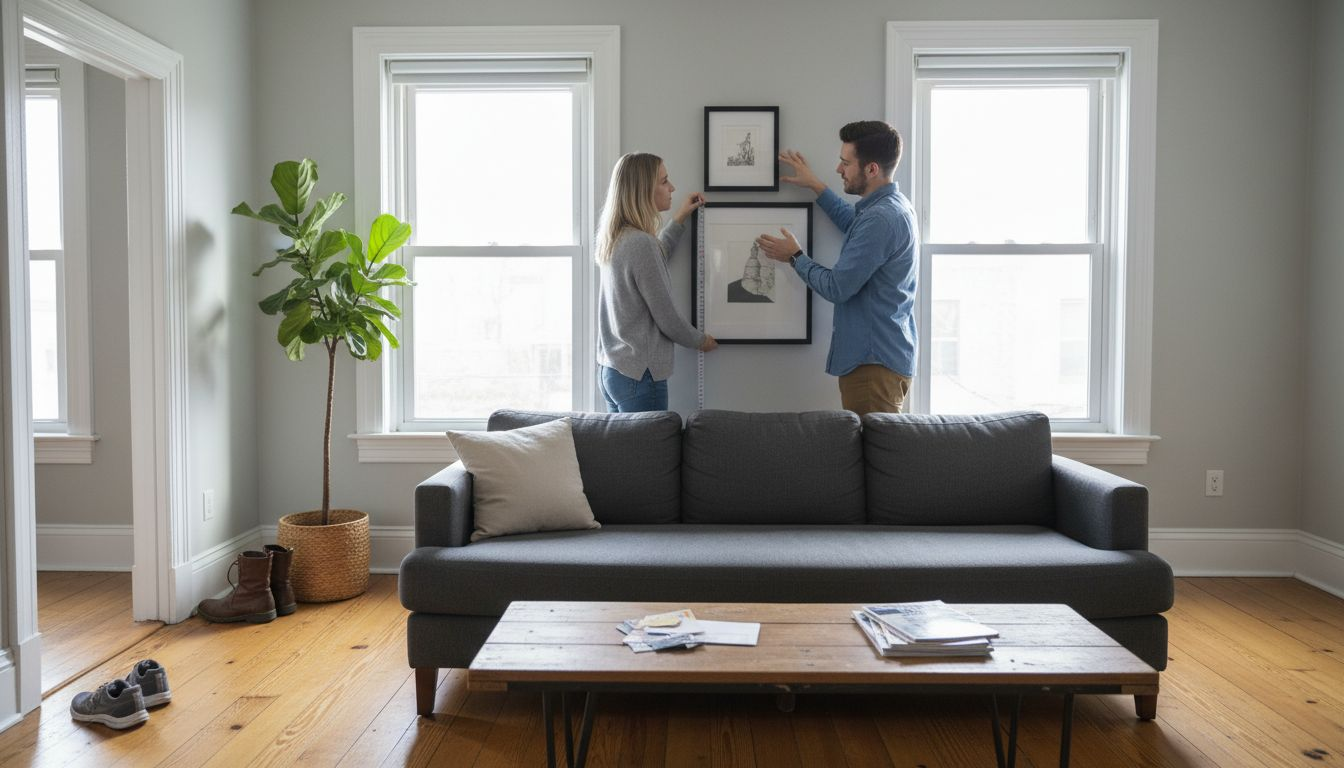
Pro tip: Before committing to permanent placement, use removable adhesive strips to temporarily hang artwork and live with it for a few days. This simple step reveals whether a piece truly enhances your space or simply fills wall area without adding meaningful impact.
Choosing, Customising, and Displaying Art
Selecting the right wall art for your space requires balancing practical considerations with personal preferences. Start by thinking about your room’s purpose and the atmosphere you want to create. A bedroom calls for calming artwork that promotes relaxation, whilst a home office benefits from pieces that inspire focus and motivation. Scale matters enormously when choosing wall art. A small delicate print disappears on expansive living room walls, leaving the space feeling disconnected and sparse. Conversely, oversized artwork in compact rooms overwhelms the visual field and creates tension. Measure your wall space and furniture proportions before selecting pieces. Colour and style are equally critical factors; your artwork should either complement your existing palette or deliberately contrast with intention. If your room features neutral tones and minimal decoration, a bold abstract piece becomes a powerful focal point. If your space already contains pattern and colour, you might opt for understated work that harmonises rather than competes.
Customisation transforms wall art from generic decoration into deeply personal expressions of your identity. Rather than settling for mass-produced pieces that hundreds of others own, you can commission bespoke artwork or personalise existing designs to match your specific vision. Selecting wall art that aligns with space purpose and style whilst reflecting personality ensures your choices feel authentically yours. Consider your preferred format: canvas creates texture and depth, framed prints offer polished sophistication, and metal art installations bring industrial edge. Size customisation allows perfect proportions for your walls, whether you need a statement piece or a collection of smaller works. Material choices affect both aesthetics and durability. Canvas works beautifully in living spaces and bedrooms, whilst framed prints suit hallways and offices. Some clients prefer the contemporary edge of acrylic or metal finishes for modern interiors. Think about whether you want vibrant colours or muted tones, figurative subjects or abstract compositions, vintage character or contemporary boldness.
Display strategy determines whether your artwork enhances or simply occupies wall space. Display techniques ranging from gallery walls to large-scale installations offer distinct visual benefits depending on your objectives. A single statement piece commands attention and creates a clear focal point, perfect for feature walls. Gallery walls combine multiple artworks into cohesive arrangements, telling layered stories through curated collections. Accent walls paint or wallpaper entire surfaces for dramatic transformation without cluttering. Thoughtful placement, colour balancing, and strategic combination of different styles create visual harmony and emotional resonance. Spacing matters; too tightly packed and your wall feels chaotic, too spread out and pieces feel isolated. Professional interior designers often suggest hanging artwork at eye level, approximately 1.5 metres from the floor. Lighting transforms how artwork appears; natural daylight reveals different qualities than artificial lighting, so observe your space throughout the day. When combining multiple pieces, maintain visual flow by repeating colours or themes across the collection. The goal is orchestrating your displays so they communicate rather than simply decorate.
Pro tip: Create a scaled floor plan of your wall and sketch different arrangement options before hanging anything permanent. Use painter’s tape to outline artwork positions on your actual wall, allowing you to visualise impact before making holes or permanent decisions.
Key Mistakes and How to Avoid Them
Wall art selection is deceptively simple until it isn’t. Many homeowners and interior designers make predictable mistakes that undermine their design intentions. The most common error? Choosing artwork that’s dramatically mismatched to your space’s scale. Picture a petite watercolour print hanging alone on a sprawling living room wall. It doesn’t anchor the space; it vanishes into insignificance, leaving walls feeling barren and the room lacking focus. Conversely, oversized pieces in compact bedrooms or hallways create visual claustrophobia, making spaces feel cramped and uncomfortable. Scale and proportion directly determine whether artwork complements or overwhelms your interior. Before purchasing anything, measure your wall dimensions and furniture scale. A helpful benchmark involves filling approximately 60 to 75 percent of wall space visually without creating a chaotic impression. Too small and your artwork becomes decorative filler. Too large and it dominates rather than balances.
Another frequent mistake involves ignoring your room’s existing colour scheme. You fall in love with a stunning piece featuring vibrant teal and coral tones, then bring it home only to discover it clashes violently with your warm neutral palette. This disconnect creates visual discord that diminishes both the artwork and your room’s overall harmony. Avoiding poor arrangement and colour coordination mistakes requires planning before purchasing. Examine your room’s dominant colours, accent tones, and lighting conditions. Does your artwork need to echo these existing tones or provide intentional contrast? A cohesive approach pulls colours from your room into your artwork selections or ensures your pieces provide deliberate visual counterpoint that feels purposeful rather than accidental. Collect paint chips, fabric samples, and photos of your space when shopping for art. Compare these references directly against potential pieces to ensure compatibility.
Poor arrangement and layout planning represent the third major pitfall. Many people hang individual pieces randomly across walls, creating disconnected visual fragments rather than intentional compositions. A gallery wall executed haphazardly looks chaotic rather than curated. Unbalanced spacing makes rooms feel disorganised. Pieces arranged without considering sight lines create awkward focal points. Before hanging anything permanently, sketch your arrangement on paper or use painter’s tape to outline positions on your walls. Step back frequently to assess balance and flow. Consider traffic patterns and how your eye naturally travels through the space. Artwork should guide viewers through intentional visual journeys, not feel randomly distributed. Group pieces using consistent spacing, balanced proportions, and complementary styles. If combining multiple artworks, maintain visual coherence through repeated colours, compatible frames, or thematic connections. The difference between a polished gallery wall and a cluttered wall of random art lies entirely in deliberate planning and execution.
This comparison highlights key wall art mistakes and how to prevent them:
| Common Mistake | Resulting Issue | Prevention Strategy |
|---|---|---|
| Inappropriate scale | Overwhelming or lost art | Measure wall and furniture first |
| Poor colour selection | Visual disharmony | Match artwork with room palette |
| Random arrangement | Disjointed look | Plan layout before hanging |
Pro tip: Take photographs of your arranged artwork using painter’s tape before making permanent holes, then send these images to trusted friends or family for feedback. Fresh eyes often spot balance issues or colour conflicts that your trained eye has started accepting.
Transform Your Space with Thoughtful Wall Art Choices
Understanding that wall art is not just decoration but a powerful design tool to anchor your interiors and express your identity is the first step towards creating a space that truly feels like home. If you struggle with finding artwork that fits your wall size, complements your colour scheme or reflects your personal style without overwhelming your room, you are not alone. Many homeowners face the challenge of balancing scale, colour and arrangement while wanting to avoid common pitfalls like mismatched pieces or chaotic displays.
At Frametheworld.co.uk, we offer a wide selection of high-quality wall art and decorative prints that cater to your unique needs. Whether you seek customised artworks tailored to your space and taste or ready-to-buy pieces across various styles and formats, we provide the flexibility and expertise to help you build a curated collection that enhances mood and harmony in your home. Start by exploring our diverse gallery and experience how intentional wall art selection can transform your rooms today. Visit Frametheworld.co.uk to find your perfect statement piece or create your own bespoke design now.
Frequently Asked Questions
What is wall art?
Wall art refers to any visual work displayed on walls, including paintings, prints, photographs, and sculptural elements. It serves as an expressive medium to reflect personal style and enhance interior spaces.
How can wall art transform a room?
Wall art acts as a design anchor, creating visual focal points that draw attention and organise the space. It can complement colour schemes, tie together furniture choices, and significantly enhance the mood and atmosphere of a room.
What are the main types of wall art?
Common types of wall art include canvas paintings, gallery walls, fabric hangings, metal installations, photographs, and sculptural pieces. Each type offers unique visual and emotional impacts suited for different spaces.
How do I choose the right wall art for my space?
Consider the purpose of the room, the desired atmosphere, and the scale of both the artwork and the space. Matching the colour and style of your artwork to your existing decor creates harmony and enhances the overall aesthetic.
Recommended
- Styling Large Wall Art | FrameTheWorld
- How to Choose Art as a Gift | FrameTheWorld
- Wabi Sabi Wall Art – The Beauty of Imperfection | FrameTheWorld
- Finding the Painting That Feels Like Home | FrameTheWorld
- Wallpaper And Paint, Together At Last
- Round Interior Window Shutters – A Deep Dive into Design Choices and Aesthetic Impact | Shutter World

Leave a comment
This site is protected by hCaptcha and the hCaptcha Privacy Policy and Terms of Service apply.