
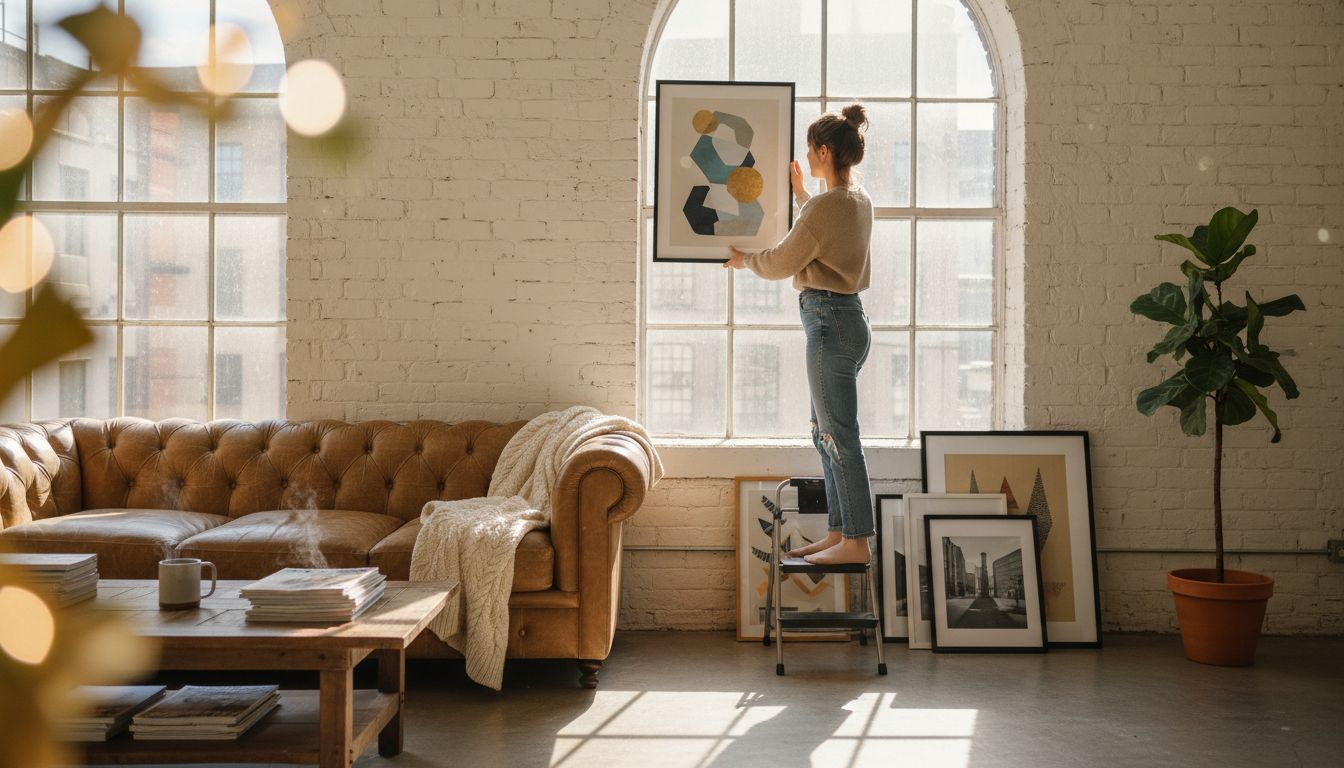
Selecting art that complements 2026’s warm, personal interiors can feel overwhelming when faced with countless styles and colour palettes. This article explains the key selection criteria and dominant art trends shaping contemporary residential and commercial spaces, from earthy colour drenching to sustainable vintage pieces. You’ll gain practical insight to confidently choose artworks that enhance character, harmony and emotional resonance in any interior.
Table of Contents
- How To Choose Art In 2026: Key Selection Criteria
- Embrace Earthy And Warm Colour Drenching In Art
- Layered And Lived-In Art Styles For Personality And Comfort
- Natural And Sustainable Art Materials
- Vintage And Recycled Art As Trend-Forward Choices
- Maximalist And Statement Art Styles
- Summary Comparison Of 2026 Interior Design Art Trends
- Situational Recommendations: Choosing Art Based On Your Design Needs
- Explore Bespoke And Trend-Led Wall Art At FrameTheWorld
- What Are The Main Interior Design Art Trends In 2026?
- How Do I Choose Art That Fits Warm, Monochromatic Interiors In 2026?
- What Role Does Sustainability Play In 2026 Interior Design Art?
- How Can Custom Art Enhance My Interior Design In 2026?
Key takeaways
| Point | Details |
|---|---|
| Warm earthy palettes dominate | Terracotta, ochre, deep browns and olive greens create immersive colour drenched interiors in 2026. |
| Layered personal styles add comfort | Authentic, eclectic art collections with mixed media and texture replace minimalist aesthetics. |
| Sustainable materials gain value | Natural woods, recycled metals and vintage pieces align with eco-conscious design principles. |
| Maximalist statement art suits luxury spaces | Bold geometric and Art Deco revival pieces create dramatic focal points for commercial and high-end residential projects. |
| Custom art enables unique identities | Bespoke pieces allow perfect colour matching and personal or brand expression. |
How to choose art in 2026: key selection criteria
Successful art selection in 2026 requires evaluating pieces against five essential criteria that align with current interior design priorities. Understanding these benchmarks helps you avoid costly mismatches and ensures artwork enhances rather than disrupts your space.
Colour harmony stands as the primary consideration. Selecting art with colour harmony, style compatibility, sustainability, customisation, and use case fit is essential in 2026 interiors. Your chosen piece should either complement warm earthy palettes or provide intentional contrast that feels deliberate rather than jarring.
Style compatibility determines whether artwork supports your interior’s emotional tone. Layered, lived-in spaces benefit from textured or eclectic pieces, while maximalist commercial environments need bold geometric statements. Check our how to choose wall art UK guide for detailed style matching frameworks.
Material sustainability increasingly influences purchasing decisions. Eco-friendly substrates, natural frames and recycled elements appeal to environmentally conscious clients whilst adding authenticity and durability.
Customisation options allow precise tailoring to unique colour schemes, dimensions or branding requirements. This flexibility proves especially valuable for commercial projects requiring cohesive visual identities.
Pro Tip: Consider your space’s primary function before finalising art choices. Residential areas prioritise comfort and personal expression, whilst commercial spaces often require statement pieces that project brand values and create memorable impressions.
Key selection factors:
- Colour palette alignment with warm or contrasting tones
- Style support for layered, maximalist or minimalist aesthetics
- Material sustainability and environmental impact
- Customisation flexibility for unique requirements
- Appropriate scale and impact for residential versus commercial use
Embrace earthy and warm colour drenching in art
Colour drenching has emerged as 2026’s defining interior trend, with 76% of designers preferring immersive colour drenching with deep browns and ochres over traditional accent walls. This technique envelops rooms in unified warm hues, extending across walls, trims, ceilings and architectural details for cohesive emotional impact.
The dominant palette centres on earthy tones that evoke natural landscapes and materials. Colours like Benjamin Moore’s Silhouette and Sherwin Williams’ Universal Khaki exemplify the warm, moody ranges preferred by designers and homeowners seeking grounding, comforting environments.
Artwork functions strategically within drenched spaces in two distinct ways. Pieces can provide subtle tonal variation, featuring similar earthy hues that add depth without disrupting unity. Alternatively, artwork becomes a deliberate focal point through contrasting colours or bold textures that pop against monochromatic backgrounds.
“The shift towards warm colour drenching reflects a desire for spaces that feel emotionally resonant and cocoon-like, countering external uncertainty with internal warmth and security.”
Our colour in wall art transforms living spaces guide explores how strategic colour choices amplify spatial perception and mood.
Colour drenching advantages versus accent walls:
| Aspect | Colour Drenching | Accent Walls |
|---|---|---|
| Visual cohesion | High unified flow | Moderate segmentation |
| Perceived warmth | 76% designer preference | Lower emotional impact |
| Art integration | Focal or subtle complement | Competes for attention |
| Spatial harmony | Continuous enveloping effect | Creates visual breaks |
Popular 2026 earthy art palette choices:
- Terracotta and burnt sienna for Mediterranean warmth
- Deep chocolate browns and espresso tones
- Olive green and sage for botanical connections
- Ochre and mustard yellows for vintage character
- Clay and sandstone neutrals for subtle grounding
Layered and lived-in art styles for personality and comfort
The 2026 interior landscape marks a decisive shift away from stark minimalism towards authentic, emotionally rich environments. Over 73% of designers favour authentic, lived-in styles with collected and textured artworks that tell personal stories and create welcoming atmospheres.
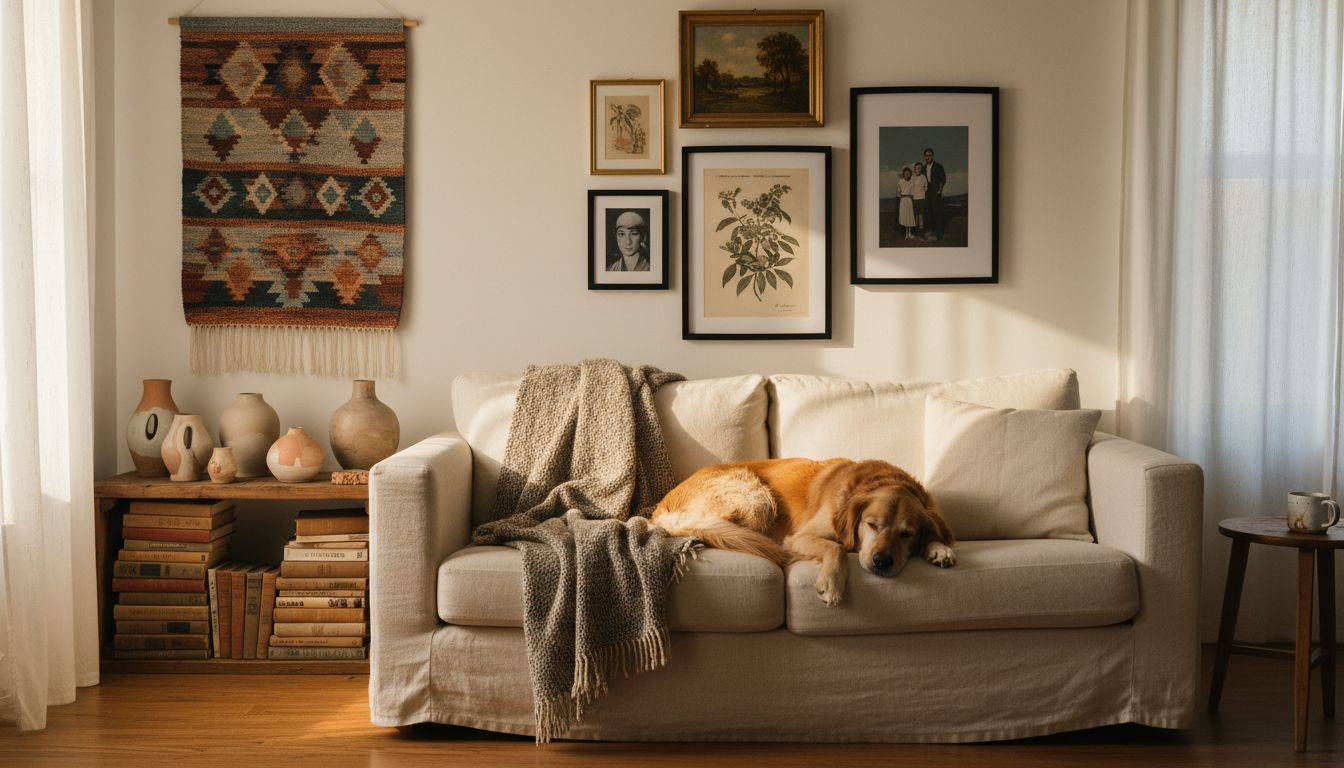
This maximalist approach embraces curated collections rather than single statement pieces. Mixed media artworks, textured canvases, sculptural elements and layered frames build visual interest through deliberate variety. The goal is balanced abundance that feels intentional rather than cluttered.
Textile art, woven wall hangings, and three-dimensional pieces add tactile depth that invites interaction. These elements transform walls from passive backgrounds into engaging surfaces that reward closer inspection. The result is spaces that feel inhabited and loved rather than staged for photography.
Personal curation matters more than matching sets. Combining vintage finds with contemporary prints, family photographs with abstract paintings, and handcrafted pieces with digital art creates unique narratives that reflect genuine tastes rather than catalogue styling.
Explore the role of art in home style to understand how layered collections shape interior character and emotional resonance.
Pro Tip: Start with three to five pieces in varying sizes and orientations, then gradually add complementary works. This organic growth approach prevents overwhelming spaces whilst allowing collections to evolve with your tastes and life changes.
Layered art collection principles:
- Mix framed and unframed pieces for textural contrast
- Vary heights and sizes to create dynamic wall compositions
- Include three-dimensional elements like sculptural art or shelves
- Balance colour intensity across the collection
- Leave intentional negative space to prevent visual chaos
- Rotate seasonal or thematic pieces to refresh displays
Natural and sustainable art materials
Sustainability has progressed from niche preference to mainstream expectation in 2026 interior design. Natural materials like wood, unlacquered metals and handmade tiles feature in 60 to 70% of new interior art projects, reflecting consumer demand for environmentally responsible choices that don’t compromise aesthetic quality.
Natural wood frames, whether reclaimed or sustainably harvested, bring organic warmth and texture that synthetic alternatives cannot replicate. Unlacquered brass and copper develop rich patinas over time, adding evolving character that enhances rather than diminishes value.
Handcrafted art using natural pigments, plant-based inks and recycled substrates appeals to clients seeking authenticity and reduced environmental footprints. These materials often improve longevity compared to mass-produced alternatives whilst supporting artisan communities and traditional techniques.
The shift extends beyond frames to artwork itself. Botanical prints on recycled paper, canvas made from organic cotton, and sculptures crafted from salvaged materials align interior aesthetics with personal environmental values.
Discover what is sustainable wall art for comprehensive guidance on eco-friendly art selection and materials.
Sustainable art material benefits:
- Reduced carbon footprint through local sourcing and recycled content
- Enhanced durability and ageing characteristics
- Support for ethical production and fair labour practices
- Unique textures and finishes unavailable in synthetic alternatives
- Alignment with broader sustainable interior design principles
- Potential for biodegradability or responsible end-of-life disposal
Vintage and recycled art as trend-forward choices
Vintage and second-hand artworks have transitioned from budget alternatives to prestigious choices in 2026 interiors. More than 55% of designers recommend vintage art pieces to add personality and support sustainability, recognising their dual value as environmental solutions and character-rich focal points.
Authentic vintage pieces carry histories and patinas that new artworks cannot replicate. These marks of time add emotional depth and storytelling potential, transforming walls into conversation starters rather than mere decoration. The imperfections become features, celebrating craftsmanship and endurance.
Recycled art extends sustainability beyond vintage finds. Artists increasingly create works from discarded materials, industrial offcuts and reclaimed objects, producing contemporary pieces with strong environmental credentials. This approach appeals particularly to commercial clients seeking to communicate sustainability commitments through tangible design choices.
Durability proves another advantage. Vintage artworks that survived decades demonstrate quality construction and materials, offering longevity that justifies investment. This contrasts with fast-fashion art that requires frequent replacement.
Browse wall art trends 2026 inspiring ideas for current applications of vintage and recycled art in contemporary interiors.
Vintage and recycled art advantages:
- Unique character and storytelling potential unavailable in new pieces
- Environmental benefits through reuse and waste reduction
- Often superior craftsmanship and material quality
- Complements layered, authentic interior aesthetics
- Supports circular economy principles
- Investment value potential for collectible pieces
Maximalist and statement art styles
Whilst earthy minimalism dominates residential spaces, bold maximalist art has surged in commercial and luxury residential projects. Art Deco revival is embraced by over 50% of UK interior designers, bringing geometric drama, metallic finishes and sophisticated glamour back to contemporary interiors.
Statement art in this category features strong lines, symmetrical patterns and luxurious materials like lacquered brass, polished marble and high-gloss finishes. These pieces command attention, functioning as architectural focal points rather than decorative accents. Scale matters, with oversized works creating maximum impact in lobbies, reception areas and dining spaces.
The aesthetic balances opulence with restraint. Rich materials and bold forms are tempered by thoughtful placement and complementary neutral surroundings that prevent overwhelming viewers. This measured maximalism suits brands seeking to project confidence, sophistication and distinctive identity.
Geometric abstracts, metallic sculptures and bold typography artworks exemplify the style’s versatility. These pieces translate across contexts from boutique hotels to executive offices, corporate lobbies to luxury residential penthouses.
Explore art for hotels from lobby to suite for commercial art selection strategies and statement piece integration.
Maximalist versus layered art comparison:
| Feature | Maximalist Statement Art | Layered Lived-In Collections |
|---|---|---|
| Scale | Oversized single pieces | Multiple varied sizes |
| Material | Luxe metals, gloss finishes | Mixed textures, natural materials |
| Placement | Architectural focal points | Organic wall arrangements |
| Aesthetic | Bold geometric drama | Eclectic personal curation |
| Best suited for | Commercial and luxury residential | Residential and boutique commercial |
Maximalist art characteristics:
- Strong geometric patterns and symmetrical compositions
- Metallic elements including brass, copper and chrome
- High-contrast colour schemes or monochromatic drama
- Oversized scale for architectural impact
- Art Deco influences with contemporary updates
Summary comparison of 2026 interior design art trends
Comparing the major 2026 art trends reveals distinct characteristics that guide selection based on space requirements, aesthetic preferences and functional needs. This table consolidates key differentiators for quick evaluation.
| Trend | Dominant Colours | Materials | Best Use Cases | Customisation Potential | Sustainability |
|---|---|---|---|---|---|
| Earthy Colour Drenching | Terracotta, ochre, deep browns, olive | Natural pigments, organic substrates | Residential living areas, wellness spaces | High for colour matching | Moderate to high |
| Layered Lived-In | Varied warm tones, personal palette | Mixed media, textiles, vintage frames | Residential collections, boutique commercial | Moderate for curation | High with vintage/recycled |
| Sustainable Natural | Earth tones, botanical greens | Reclaimed wood, unlacquered metals, organic materials | Eco-conscious residential and commercial | Moderate for materials | Very high |
| Vintage Recycled | Varied aged palettes, patinas | Reclaimed frames, second-hand artworks | Character-focused residential, unique commercial | Low for originals, high for reproductions | Very high |
| Maximalist Statement | Bold metallics, high-contrast, monochrome | Lacquered brass, polished stone, high-gloss | Luxury residential, commercial lobbies, hotels | High for bespoke commissions | Low to moderate |
This comparison highlights how different trends serve distinct design priorities. Residential projects prioritising warmth and personality lean towards earthy, layered or vintage options. Commercial spaces seeking impact and brand projection favour maximalist statement pieces. Sustainability-focused clients find natural materials and vintage art most aligned with their values.
Situational recommendations: choosing art based on your design needs
Matching art trends to specific interior scenarios ensures selections enhance rather than conflict with design goals. These situational recommendations provide actionable guidance for common contexts.
-
Warm monochromatic residential interiors: Choose earthy colour drenched art that either complements your wall tones for seamless flow or provides deliberate contrast as a focal point. Textured pieces add depth without disrupting colour unity.
-
Wellness-focused spaces including spas, clinics and meditation rooms: Select calming botanicals, abstract water-inspired pieces or minimalist natural landscapes. Sustainable materials reinforce health and environmental values.
-
Luxury residential and boutique commercial projects: Invest in maximalist statement pieces featuring geometric drama, metallic finishes or Art Deco influences. Scale up for architectural impact in double-height spaces.
-
Eco-conscious residential and progressive commercial brands: Prioritise vintage art, recycled materials and natural substrates that visibly demonstrate sustainability commitments. Transparent sourcing adds credibility.
-
Personal residential collections seeking character: Build layered, lived-in displays mixing vintage finds, family pieces and contemporary artworks. Embrace textural variety and organic curation over matching sets.
-
Brand-aligned commercial interiors: Commission custom art incorporating brand colours, values and messaging. Bespoke pieces ensure perfect alignment and memorable distinctiveness.
View 7 art trends for homeowners transform living spaces for residential trend applications, and explore why customise wall art for bespoke project benefits.
Pro Tip: Create a mood board combining photos of your space, fabric swatches and saved art examples before purchasing. This visual reference prevents impulse buys that clash with existing elements and helps articulate preferences when working with custom art services.
Explore bespoke and trend-led wall art at FrameTheWorld
Transform your understanding of 2026 art trends into reality with FrameTheWorld’s curated collections and bespoke services. Our wabi sabi wall art collection perfectly captures the layered, authentic aesthetic dominating residential interiors, whilst pop art wall art provides bold statement options for maximalist commercial projects.
Our custom print service enables precise colour matching, scale adjustment and personalisation for unique spaces requiring perfect alignment with existing palettes or brand identities. Whether enhancing a warm colour drenched living room or creating cohesive art programmes for commercial developments, expert curation ensures selections support your design vision whilst embracing current trends.
What are the main interior design art trends in 2026?
The main art trends in 2026 centre on warmth, authenticity and sustainability. Earthy colour drenching with terracotta, ochre and deep browns creates immersive monochromatic spaces where art functions as subtle complement or bold focal point. Layered, lived-in collections replace minimalism, featuring mixed media, textured surfaces and curated personal pieces that add character and emotional resonance. Sustainable and vintage materials gain prominence, with natural woods, unlacquered metals and recycled artworks appealing to eco-conscious clients. Maximalist statement art, particularly Art Deco revival pieces, suits luxury residential and commercial spaces seeking drama and sophistication. Custom art rises in importance for achieving perfect colour harmony and expressing unique personal or brand identities. These trends reflect broader desires for comforting, authentic interiors that balance environmental responsibility with visual impact. Visit wall art trends 2026 inspiring ideas for visual examples and application guidance.
How do I choose art that fits warm, monochromatic interiors in 2026?
Choose art featuring earthy tones like terracotta, ochre or deep browns that harmonise with your drenched walls for seamless visual flow. Alternatively, select pieces with contrasting colours or bold textures that create intentional focal points against monochromatic backgrounds. Textured artworks add depth without disrupting colour unity, whilst metallic accents provide subtle variation. Review our colour in wall art transforms living spaces guide for palette matching strategies.
What role does sustainability play in 2026 interior design art?
Sustainability fundamentally influences material choices, with natural woods, unlacquered metals and handmade elements featuring in over 60% of new projects. Designers and clients increasingly prioritise eco-friendly substrates, organic pigments and recycled materials that reduce environmental impact whilst adding authentic character. Vintage and second-hand artworks gain prestige as sustainable alternatives, eliminating production footprints whilst offering unique patinas and stories. Explore sustainable wall art for comprehensive eco-friendly selection criteria.
How can custom art enhance my interior design in 2026?
Customisation ensures artwork perfectly matches your space’s unique colour palette, dimensions and thematic requirements rather than compromising with available options. Bespoke pieces enable precise tonal alignment with warm earthy interiors, incorporation of brand elements for commercial projects, and expression of personal stories or values. Custom art proves especially valuable when standard sizes don’t fit architectural features or when seeking cohesive multi-piece installations. Learn more at customise wall art to understand personalisation possibilities and commissioning processes.

Leave a comment
This site is protected by hCaptcha and the hCaptcha Privacy Policy and Terms of Service apply.