
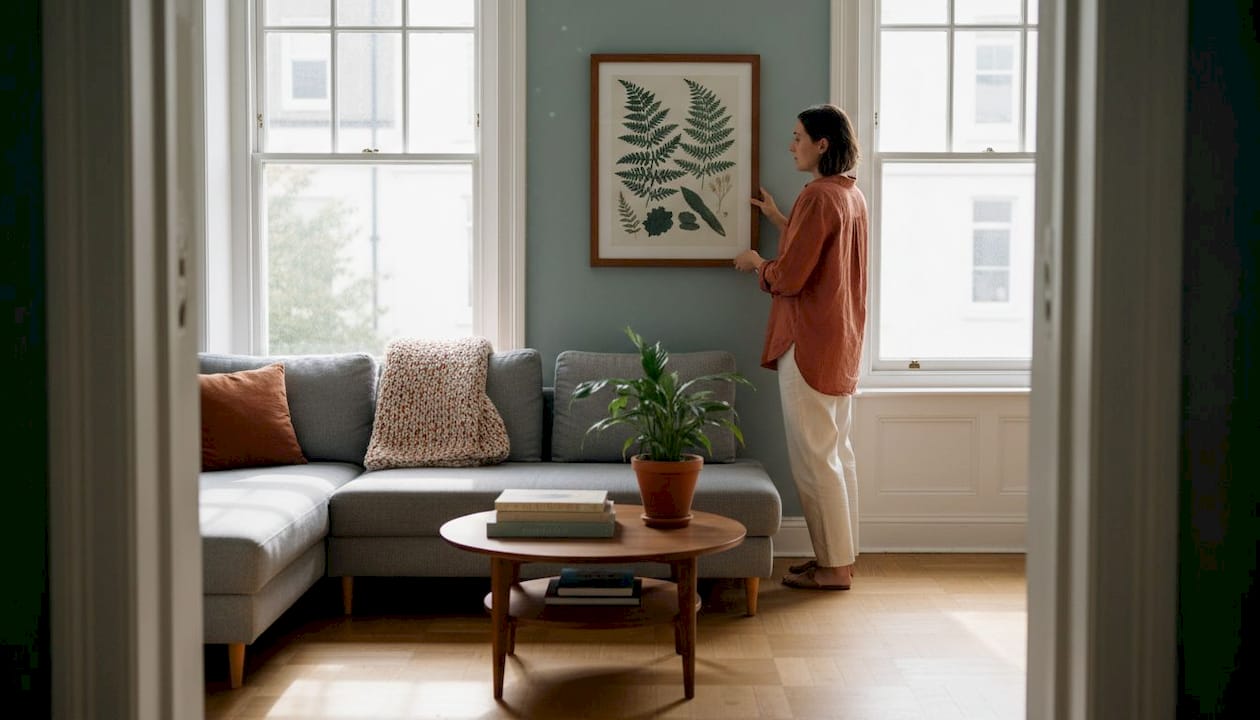
TL;DR:
- Decorative prints significantly support wellbeing by reducing stress and enhancing mood.
- Choosing the right scale, type, and placement of prints enhances emotional impact and room ambiance.
- Quality limited edition and custom prints offer authenticity, longevity, and meaningful personalization.
Most people assume that only original, one-of-a-kind artwork carries real psychological power. The idea that a print, however beautifully made, could genuinely shift your mood or reduce stress feels like a stretch. But the science says otherwise. Viewing art prints supports wellbeing, with studies showing significant reductions in cortisol, anxiety, and depression symptoms over time. This article will show you exactly how, why, and where to use decorative prints to make a lasting, meaningful impact on your home or workspace.
Table of Contents
- The psychological and emotional impact of decorative prints
- Why decorative prints surpass plain walls and generic decor
- Original art, quality prints, or reproductions: making the right choice
- Decorative prints for real-life homes and workspaces
- What most people miss when choosing decorative prints
- Ready to transform your space with decorative prints?
- Frequently asked questions
Key Takeaways
| Point | Details |
|---|---|
| Boosts wellbeing | Decorative prints reduce stress and uplift mood just by being present in your space. |
| Transformed atmospheres | Prints add texture, depth, and a unique character to any interior, going beyond blank or generic walls. |
| Flexible and affordable | Unlike original art, prints allow you to refresh your decor easily and suit any budget. |
| Customisation matters | Personalised and limited edition prints ensure your rooms reflect you or your brand for maximum impact. |
The psychological and emotional impact of decorative prints
The evidence is more compelling than most people realise. Research into biophilic art (nature-inspired imagery such as landscapes, botanicals, and water scenes) found significant improvements in wellbeing over a 12-month period, with results measured at F=18.47 and p<0.001. Landscape prints, in particular, viewing art prints supports wellbeing in ways that are directly comparable to spending time in nature itself. That is remarkable. It means that a well-chosen print on your wall is doing quiet but measurable work every single day.
Of course, the wellbeing benefits of prints are not identical for everyone. A systematic review of art and wellbeing confirms that while empirical data strongly supports the psychological benefits of viewing art, the effects are context-dependent. Biophilic prints, for example, tend to produce stronger outcomes for those dealing with chronic stress, while abstract or colourful works may energise a creative workspace more effectively. The type of print matters, and so does where you place it.
Here is where decorative prints consistently deliver their greatest emotional impact:
- Residential living rooms and lounges: Calming landscape or botanical prints reduce end-of-day tension and create a sense of sanctuary.
- Bedrooms: Soft, muted tones and serene imagery promote relaxation and better sleep quality.
- Home offices: Motivational or nature-inspired prints support focus and reduce mental fatigue.
- Hotel lobbies and guest rooms: Carefully selected prints establish a sense of place and elevate the guest experience from the first moment.
- Corporate offices and reception areas: Art communicates brand values and creates a welcoming atmosphere for both staff and visitors.
- Healthcare and wellbeing spaces: Nature imagery in particular has been shown to reduce patient anxiety and improve comfort.
“The impact of viewing art on wellbeing is real, measurable, and consistent across multiple environments, but the type and placement of artwork are critical variables.”
Pro Tip: Never underestimate the damage a poorly sized print can do. A print that is too small for its wall looks like an afterthought and loses all its psychological power. As a general rule, your artwork should occupy at least 60 to 75 per cent of the available wall width above a sofa or console table.
The good news for anyone elevating spaces with prints is that you do not need to spend thousands to get these benefits. Quality of image, thoughtful subject matter, and appropriate scale consistently matter far more than whether a piece is an original or a print.
Why decorative prints surpass plain walls and generic decor
Plain walls are not neutral. They are a missed opportunity. A bare wall does not rest the eye or calm the mind. It simply signals that a space is unfinished, and people feel that even if they cannot name it. Decorative prints, by contrast, add visual weight, texture, and a sense of depth that fundamentally changes the character of a room.
According to fine art prints for modern interiors, quality prints, particularly giclée editions and limited runs, are preferred over mass-produced options precisely because they offer authenticity and textural richness. Anchor arrangements, where one larger piece is flanked by smaller complementary works, are the most forgiving and visually successful approach when mixing different sizes or styles.
Here is how decorative prints compare to the alternatives:
| Attribute | Decorative prints | Plain walls | Generic posters |
|---|---|---|---|
| Aesthetic impact | High, adds depth and character | None | Low, often looks cheap |
| Emotional effect | Measurable mood lift | Neutral or negative | Minimal |
| Flexibility | Easy to swap or rearrange | Requires repainting | Limited by format |
| Authenticity | High, especially limited editions | N/A | Low |
| Cost range | Accessible to premium | Low upfront | Very low |
| Longevity | High quality prints last decades | Permanent | Often fades quickly |
The advantages of art prints vs originals are clear once you look at the full picture. Prints give you flexibility without sacrificing impact. Here is what they genuinely bring to a space:
- Atmosphere: A single well-chosen print can anchor the entire mood of a room, from calm and contemplative to bold and energetic.
- Conversation: Distinctive or personal artwork gives guests something to engage with, sparking genuine connection.
- Uniqueness: Limited edition or custom prints ensure your space does not look like anyone else’s.
- Adaptability: As your tastes or your rooms evolve, prints can move, be reframed, or be swapped without a decorator in sight.
Pro Tip: When building a gallery wall or grouping, always start with an anchor piece, the largest or most visually dominant print, and arrange others around it. This creates a cohesive composition rather than a random collection of frames.
Explore inspiring print styles to see how contemporary designers are combining different scales, palettes, and subjects to create truly memorable rooms.
Original art, quality prints, or reproductions: making the right choice
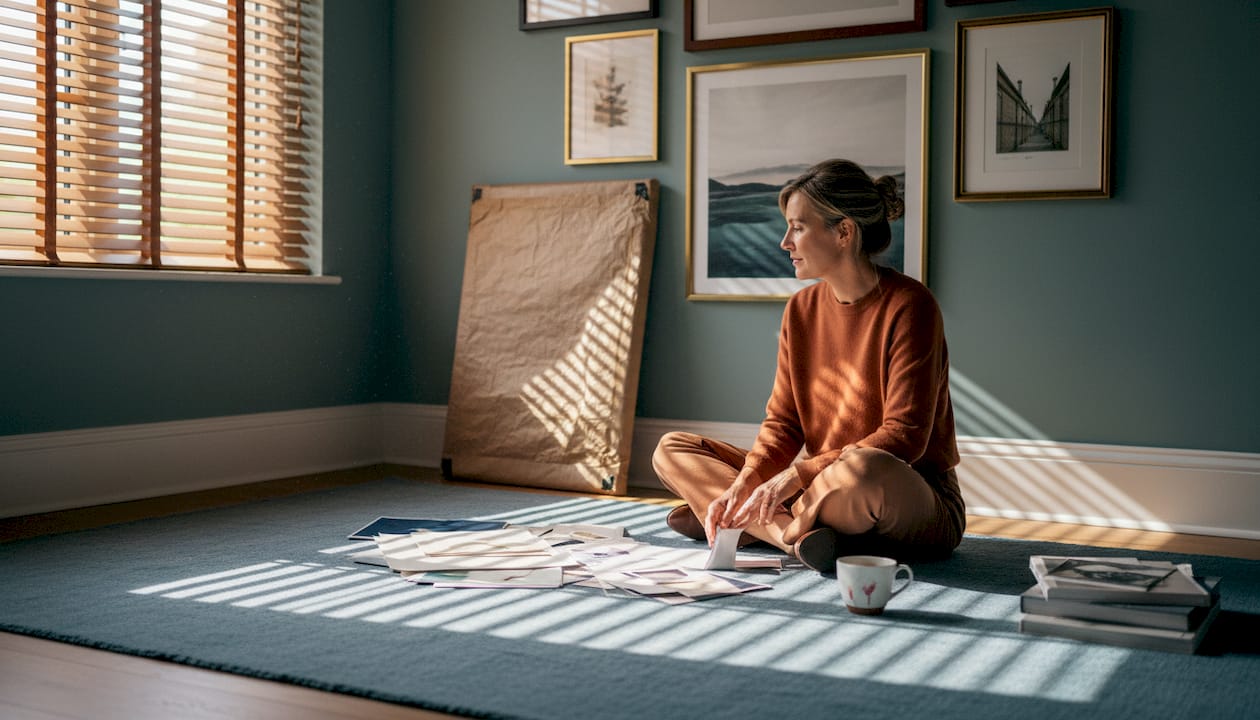
This is where many buyers get stuck. Should you invest in an original? Is a quality print just as good? And what about mass reproductions? The answer depends on your room, your goals, and your budget. Let us break it down clearly.
Originals are one-of-a-kind works created directly by the artist. They carry genuine rarity and, for some viewers, a stronger emotional or even physiological response. Research into the physiological impact of viewing original artworks suggests that originals may produce more intense psychological reactions, possibly because of the perceived authenticity and the knowledge that you are looking at something unique.
Limited edition prints are produced in a controlled, numbered run, often using giclée printing on archival paper or canvas. They combine accessibility with a genuine sense of exclusivity and are preferred by many interior designers for their quality and longevity.
Mass reproductions are printed in large quantities with little quality control. They can be affordable, but they often undermine the elegance of a space rather than enhancing it. Cheap prints trivialise a room.
| Type | Cost | Impact | Longevity | Ease of change | Authenticity |
|---|---|---|---|---|---|
| Original artwork | High | Very high | Excellent | Low (investment) | Maximum |
| Limited edition print | Medium | High | Excellent | Moderate | High |
| Mass reproduction | Low | Low to moderate | Poor | High | Low |
“A cheap reproduction does not simply fail to elevate a space. It actively works against it, signalling that the room was decorated without care or intention.”
When styling with art prints, consider the following before you buy:
- Room type and use: A bedroom calls for something personal and calming, whereas a lobby benefits from something striking and immediately readable.
- Viewing distance: Large spaces need prints with strong visual impact from across the room. Detailed or intricate works are better suited to smaller, more intimate settings.
- Budget and flexibility: If your tastes change often or your walls are rented, a quality limited edition print is a smarter investment than either a cheap reproduction or an original.
- Desired ambience: Do you want warmth, energy, serenity, or drama? Let the emotional tone of the print drive the decision, not just colour or size.
- Longevity of appeal: Trend-led prints may look dated quickly. Works with classic subject matter, abstract forms, or timeless palettes tend to age far better.
Vintage and classic prints consistently outperform trend-driven choices for longevity. A beautifully printed botanical or a restrained abstract from a quality edition will still look considered and elegant in fifteen years.
Decorative prints for real-life homes and workspaces
Theory is useful. Real-world examples are better. Here is how decorative prints work in practice across a range of spaces, from compact rented flats to large commercial interiors.
In commercial spaces, prints enhance ambiance and productivity in measurable ways. Hotels that invest in thoughtful, place-specific artwork consistently receive stronger guest reviews, and offices that include well-placed art report improved staff morale and a more professional atmosphere for client visits.
Residential spaces:
- Entryways and hallways: A single bold print creates an immediate first impression and sets the tone for the entire home. Choose something that reflects your personality rather than playing it safe.
- Living rooms and lounges: Gallery walls work beautifully here. Mix landscape prints with abstract works in a cohesive palette for depth and visual interest.
- Bedrooms: Soft botanical prints, serene coastal scenes, or gentle abstracts promote calm and signal that this is a place for rest.
- Kitchens and dining rooms: Food-inspired art, illustrated botanical prints, or warm, earthy abstracts add personality without overwhelming a functional space.
Commercial and hospitality environments:
- Hotel lobbies: Large-format prints with strong local or cultural references immediately communicate a sense of place and quality.
- Corporate offices: Rotating seasonal prints or curated collections can reflect brand identity while keeping the environment fresh and engaging.
- Restaurants and cafés: Warm, textured prints with food, botanical, or abstract themes create atmosphere and encourage guests to linger.
- Healthcare waiting areas: Calm, nature-based prints genuinely reduce patient anxiety, making them both a design and a wellbeing choice.
Personalising your wall art is particularly valuable for renters, who cannot paint walls or make permanent changes. A large custom print, or even a curated collection of personal photographs rendered in a consistent style, creates a space that feels genuinely yours without a single nail hole that cannot be filled.
Custom wall art is also ideal for commercial clients who want artwork that is exclusive to their brand, property, or project. Bespoke commissions ensure that no competitor’s lobby or hotel corridor looks identical to yours.
Pro Tip: In larger rooms, resist the urge to fill space with multiple small prints. A single oversized piece, or a tightly grouped arrangement treated as one visual unit, creates far more impact and feels more intentional than scattered small frames.
See how prints in commercial settings are being used by designers working at every scale, from boutique interiors to large hospitality projects.
What most people miss when choosing decorative prints
Here is the uncomfortable truth about decorative print choices: most mistakes are not about taste. They are about scale, context, and meaning. People buy what they like in isolation, on a screen, and then wonder why it does not work on their wall. The print itself is rarely the problem. The disconnect between the print and its environment almost always is.
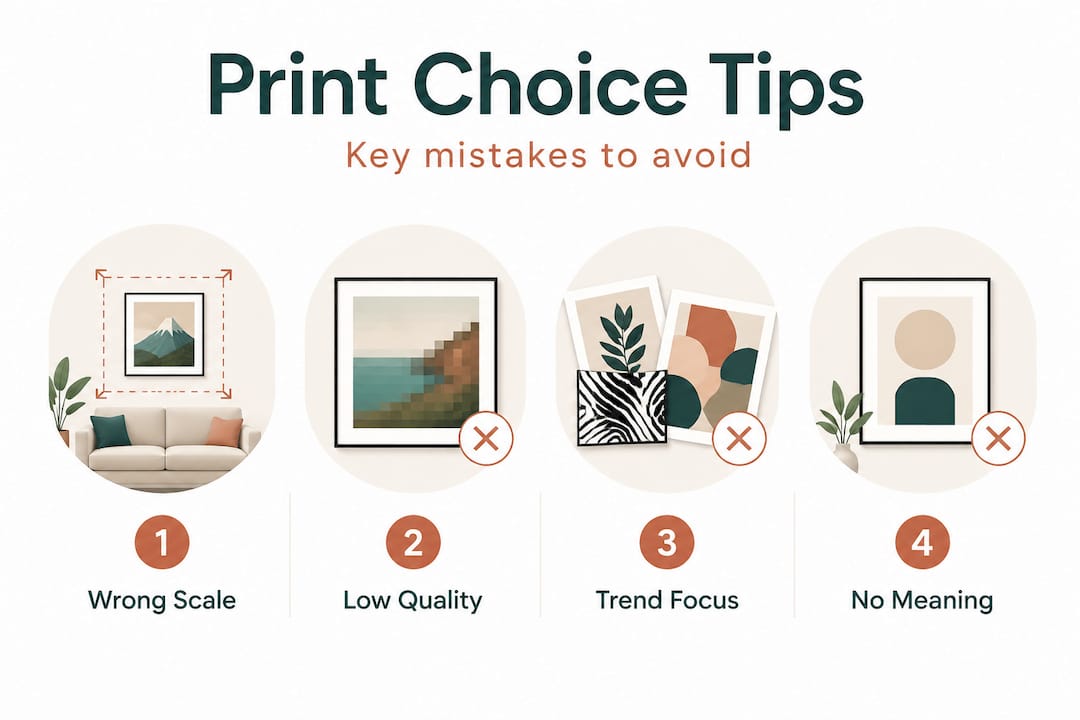
A systematic review of art and wellbeing makes this clear: the psychological benefits of viewing art are real, but they are context-dependent. The same print that transforms a bedroom into a sanctuary could feel jarring in a kitchen. Scale, lighting, surrounding colours, and even the time of day you spend in a room all affect how a print reads and how it makes you feel.
Trend-chasing is the other great trap. Prints that are chosen because they are fashionable rather than because they resonate personally tend to feel hollow within a few years. The spaces that age best are those where the art reflects genuine taste, curiosity, or memory. That is why mixing a limited edition contemporary piece with a vintage botanical or a custom commission nearly always creates more depth than buying everything from the same current trend.
There is also the question of quality. A poorly printed image on cheap paper signals carelessness, and people notice, even if they cannot articulate why. The room feels less considered. Investing a little more in a giclée print on archival paper, or a limited edition with a certificate of authenticity, pays dividends in how your space feels and how long it stays looking its best.
Read our expert art tips for a deeper look at how professionals approach these decisions, particularly when working with clients who have strong but untested instincts about what they want.
Pro Tip: When in doubt, mix three types of print in any gallery or room: one vintage or classic piece for timelessness, one limited edition for authenticity, and one custom or personal piece for meaning. This combination is almost impossible to get wrong.
Ready to transform your space with decorative prints?
Now that you understand how decorative prints work, and why scale, quality, and personal meaning matter more than following trends, choosing the right artwork becomes far more straightforward. At Frame the World, we offer a wide range of high-quality prints organised by style, theme, size, and format, so you can find exactly what suits your space rather than wading through thousands of unrelated options. If you are drawn to calming, organic aesthetics, explore our Wabi Sabi wall art collection. For something bold and energising, our colourful canvas art range brings vibrancy to any room. And if you want something truly exclusive, our custom art prints service lets you create a bespoke piece tailored to your exact space and vision.
Frequently asked questions
How do I pick the right size for decorative prints?
Choose a print that covers at least two-thirds of the wall width behind your furniture. For larger walls, a grouped arrangement treated as a single visual unit ensures balanced proportions and avoids the common mistake of undersized art losing its impact.
Do decorative prints really benefit wellbeing compared to original art?
Yes. Art prints reduce stress and improve mood in measurable ways, though research suggests that original artworks may produce a stronger physiological response for some viewers due to the perceived authenticity of the work.
Are decorative prints suitable for rental homes or offices?
Absolutely. Prints are one of the most renter-friendly options available, allowing you to personalise and transform a space completely without any permanent alterations, and they can be taken with you when you move.
Should I invest in limited edition or custom prints?
Yes, if longevity and authenticity matter to you. Giclée and limited edition prints are preferred by interior designers for their quality, exclusivity, and the genuine sense of considered taste they bring to a space.


Leave a comment
This site is protected by hCaptcha and the hCaptcha Privacy Policy and Terms of Service apply.