
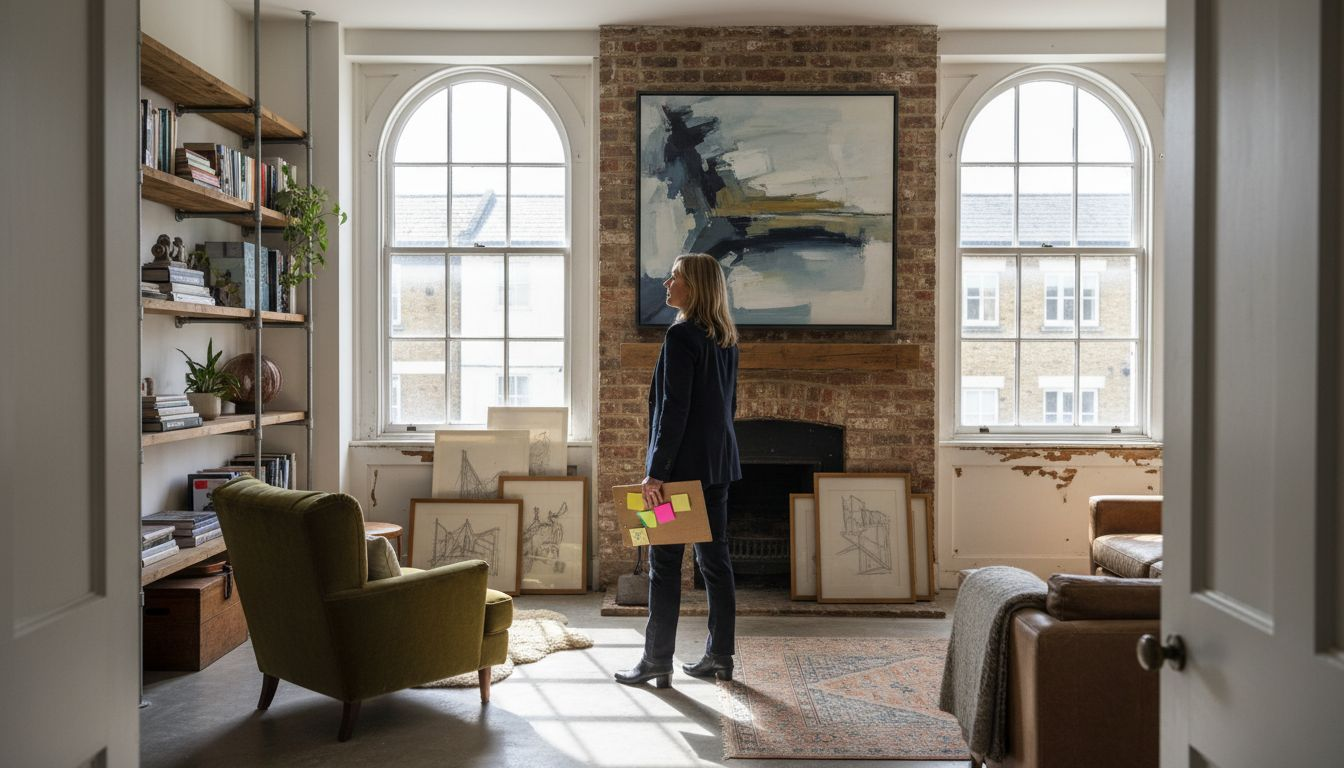
Curated artwork can increase property value by up to 10%, making it far more than a decorative choice for UK homeowners and interior designers. Beyond aesthetics, artwork serves as a strategic investment that diversifies portfolios, enhances emotional wellbeing, and transforms how spaces feel and function. This guide explores the financial, psychological, and design benefits of investing in art whilst providing actionable frameworks for making informed purchasing decisions in the UK market.
Table of Contents
- Financial Benefits Of Art Investment In The UK Market
- Emotional And Psychological Impacts Of Artwork In Interiors
- Customisation And Bespoke Artwork: Enhancing Design And Client Engagement
- Common Misconceptions About Investing In Artwork
- How Artwork Shapes Space: Influence On Perception And Ambiance
- Decision Frameworks For Choosing Artwork As An Investment
- Summary And Practical Recommendations For UK Investors And Interior Designers
- Explore Bespoke Artwork Solutions At FrameTheWorld
Key takeaways
| Point | Details |
|---|---|
| Financial value | Artwork elevates aesthetics whilst increasing UK property values by up to 10%, offering portfolio diversification. |
| Emotional impact | Personalised and bespoke art reduces stress and enhances mood, strengthening connections to spaces. |
| Customisation benefits | Over 60% of designers report higher client satisfaction with bespoke artwork tailored to project needs. |
| Investment myths | Emerging artists and limited editions appreciate in value, challenging the belief that only famous art yields returns. |
| Selection framework | Effective choices balance provenance verification, space compatibility, and alignment with financial or emotional goals. |
Financial benefits of art investment in the UK market
The UK art market represents a compelling asset class that extends beyond traditional financial instruments. Integrating curated pieces into residential or commercial properties can increase property value by up to 10%, a statistic that resonates with investors seeking tangible returns. The UK art sector has demonstrated consistent growth over the past decade, positioning artwork as a viable portfolio diversification strategy alongside equities and property.
Investing in art offers several distinct advantages. First, it provides non-correlated returns, meaning art values often move independently of stock market fluctuations. Second, physical artwork offers intrinsic enjoyment whilst appreciating, unlike many financial assets. Third, the UK market infrastructure, including established auction houses and galleries, provides robust channels for authentication and resale.
However, liquidity varies significantly across the market. Blue-chip artists command ready buyers, whilst emerging talent may require longer holding periods. Selecting pieces with verified provenance and market potential mitigates investment risks. Documentation proving authenticity, previous ownership, and exhibition history substantially enhances resale value.
Pro Tip: Focus on limited edition prints or works by emerging British artists whose styles align with current interior design trends. These often appreciate faster than mass-produced pieces whilst remaining accessible to mid-range budgets.
Key financial considerations include:
- Commission costs typically range from 10% to 25% at auction houses
- Insurance requirements for pieces valued above £5,000
- Capital gains tax implications on profits exceeding £6,000 annually
- Storage and conservation costs for maintaining artwork condition
- Resale timing aligned with market cycles for optimal returns
The art in UK show homes boosts sales 2026 trend demonstrates how developers leverage curated collections to accelerate property transactions, validating art’s commercial impact beyond personal enjoyment.
Emotional and psychological impacts of artwork in interiors
Artwork profoundly influences occupant wellbeing, with studies showing that art enhances mood and reduces stress in residential and commercial environments. Personalised pieces create emotional anchors, transforming generic spaces into meaningful environments that reflect individual identity or organisational values.
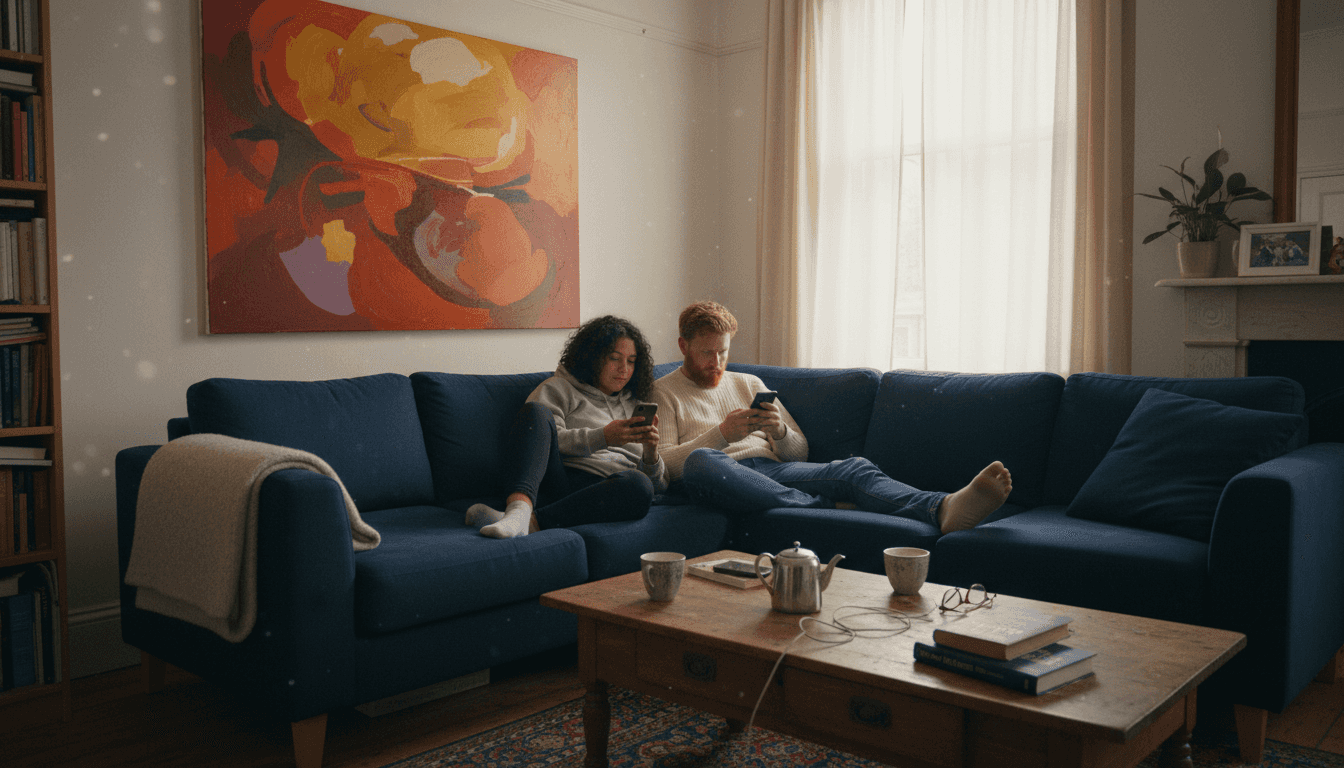
The psychological benefits extend across multiple dimensions. Colour palettes affect energy levels, with warm tones stimulating activity and cool hues promoting calm. Figurative art can evoke nostalgia or aspiration, whilst abstract pieces encourage contemplation. In commercial settings, artwork aligned with brand narratives strengthens corporate culture and client perception.
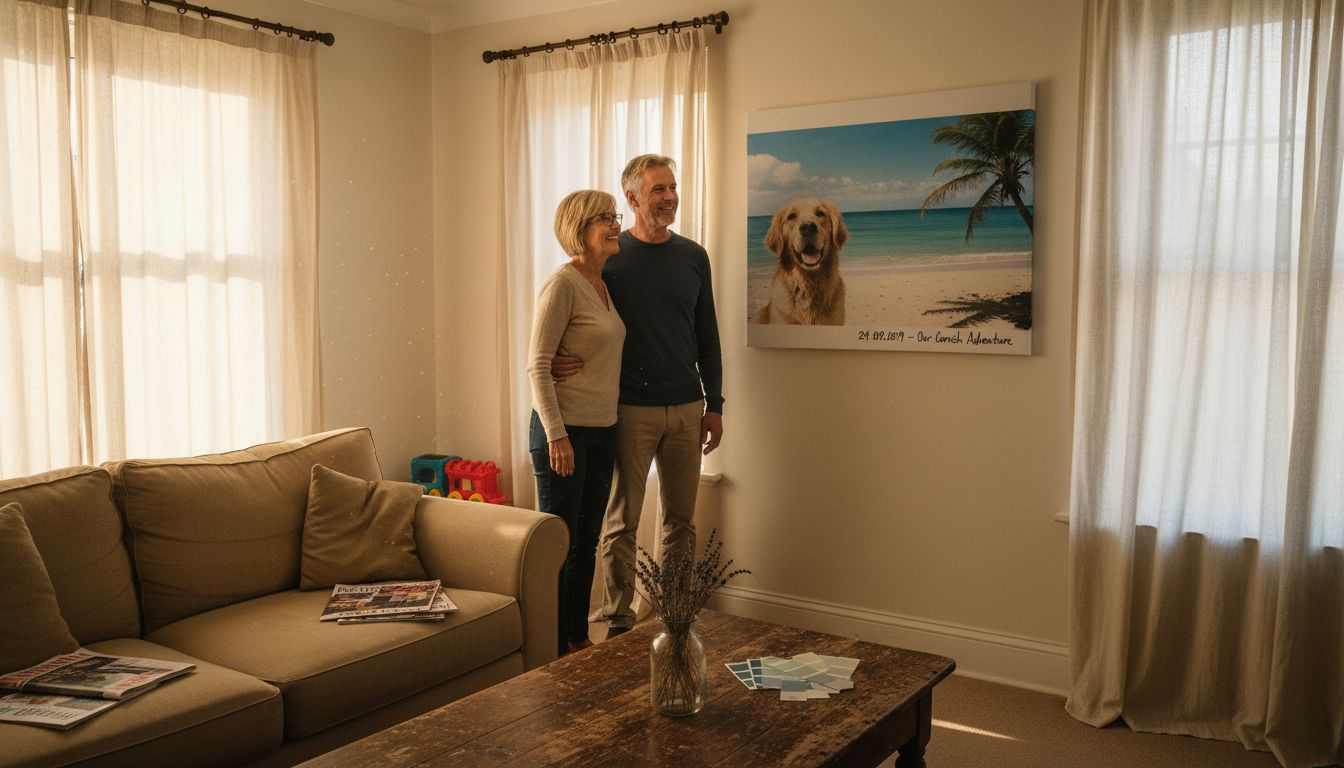
Personalisation deepens these effects. A commissioned landscape reflecting a family’s favourite holiday destination carries emotional weight that mass-produced prints cannot match. Similarly, bespoke corporate installations communicating company heritage foster employee connection and pride.
Pro Tip: Select artwork that tells a story relevant to the space’s occupants. Personal resonance amplifies emotional benefits and increases long-term satisfaction with the investment.
Using art as a design anchor establishes visual hierarchy and guides interior schemes. Key emotional benefits include:
- Reduced cortisol levels in spaces featuring natural or abstract imagery
- Enhanced creativity in work environments with stimulating visual content
- Stronger sense of identity and belonging through personalised selections
- Improved patient outcomes in healthcare settings with calming artwork
- Elevated brand perception in commercial spaces with curated collections
The how art shapes the mood of a room principle demonstrates that strategic placement and style selection transform atmospheric qualities, affecting how occupants feel and interact within spaces.
Customisation and bespoke artwork: Enhancing design and client engagement
Bespoke artwork delivers tailored solutions that ready-made prints cannot replicate. Custom commissions offer precise colour matching, size specifications, and thematic alignment with project requirements. For interior designers, this flexibility resolves common challenges like awkward wall dimensions or specific client briefs.
The customisation advantage is particularly evident in commercial projects where brand consistency matters. A hotel chain might commission a series reflecting local heritage across properties, creating cohesive identity whilst honouring regional character. Residential clients gain artwork that genuinely reflects personal narratives rather than generic aesthetics.
Client satisfaction metrics support this approach. Over 60% of interior designers report higher client satisfaction when incorporating customised artwork versus off-the-shelf alternatives. This translates to stronger referrals, repeat business, and enhanced professional reputation.
| Feature | Bespoke Artwork | Ready-Made Prints |
|---|---|---|
| Cost | £500 to £5,000+ | £50 to £500 |
| Uniqueness | One-of-a-kind original | Mass-produced |
| Client engagement | Very high, collaborative process | Low, passive selection |
| Design flexibility | Complete customisation | Limited to available inventory |
| Emotional connection | Strong personal resonance | Generic appeal |
| Investment potential | Higher if artist gains recognition | Minimal appreciation |
Pro Tip: Collaborate closely with artists throughout the creation process. Regular check-ins ensure the final piece aligns with vision whilst building relationships for future commissions.
The why personalise wall art to enhance your home style approach demonstrates how customisation elevates spaces from styled to genuinely personal. Bespoke solutions address specific design challenges whilst creating distinctive environments that stand out in competitive property or commercial markets.
Common misconceptions about investing in artwork
Several persistent myths deter potential art investors from entering the market. Challenging these misconceptions reveals opportunities for strategic acquisitions that balance financial returns with aesthetic enjoyment.
-
Only expensive, famous art appreciates significantly. Emerging artists and limited edition prints often deliver stronger percentage returns than established names. A £500 investment in a promising graduate can appreciate to £2,000 within five years as the artist gains recognition. Market data shows 15% to 25% annual appreciation for well-selected emerging talent.
-
Art is purely decorative with no financial portfolio benefits. The UK art market has generated 3% to 9% annual returns over the past 20 years, comparable to traditional investments. Art provides portfolio diversification, reducing overall risk through non-correlated asset performance. Additionally, physical enjoyment creates value beyond financial metrics.
-
Customisation is an unnecessary luxury. This overlooks the substantial satisfaction and design benefits documented across residential and commercial projects. Over 60% of interior designers confirm higher client satisfaction with bespoke pieces, justifying premium pricing through enhanced project outcomes and client relationships.
-
Artwork requires expert knowledge to invest successfully. Whilst expertise helps, accessible resources like gallery consultations, online marketplaces with authentication guarantees, and designer partnerships lower entry barriers. Starting with limited editions or prints from reputable sources builds confidence and knowledge.
-
Art investments lack liquidity. Established auction houses, online platforms, and gallery consignment programmes provide multiple exit strategies. Pieces with strong provenance and market appeal typically sell within three to six months through appropriate channels.
“Emerging British artists represented at reputable galleries have shown 18% average annual appreciation over five-year holding periods, outperforming many traditional investments whilst providing aesthetic value.”
Understanding these realities empowers homeowners and designers to make informed decisions that balance financial objectives with emotional and design benefits.
How artwork shapes space: Influence on perception and ambiance
Artwork fundamentally alters how occupants perceive and experience interiors. Beyond visual appeal, pieces influence light, colour balance, and acoustic perception, affecting spatial atmosphere and functionality.
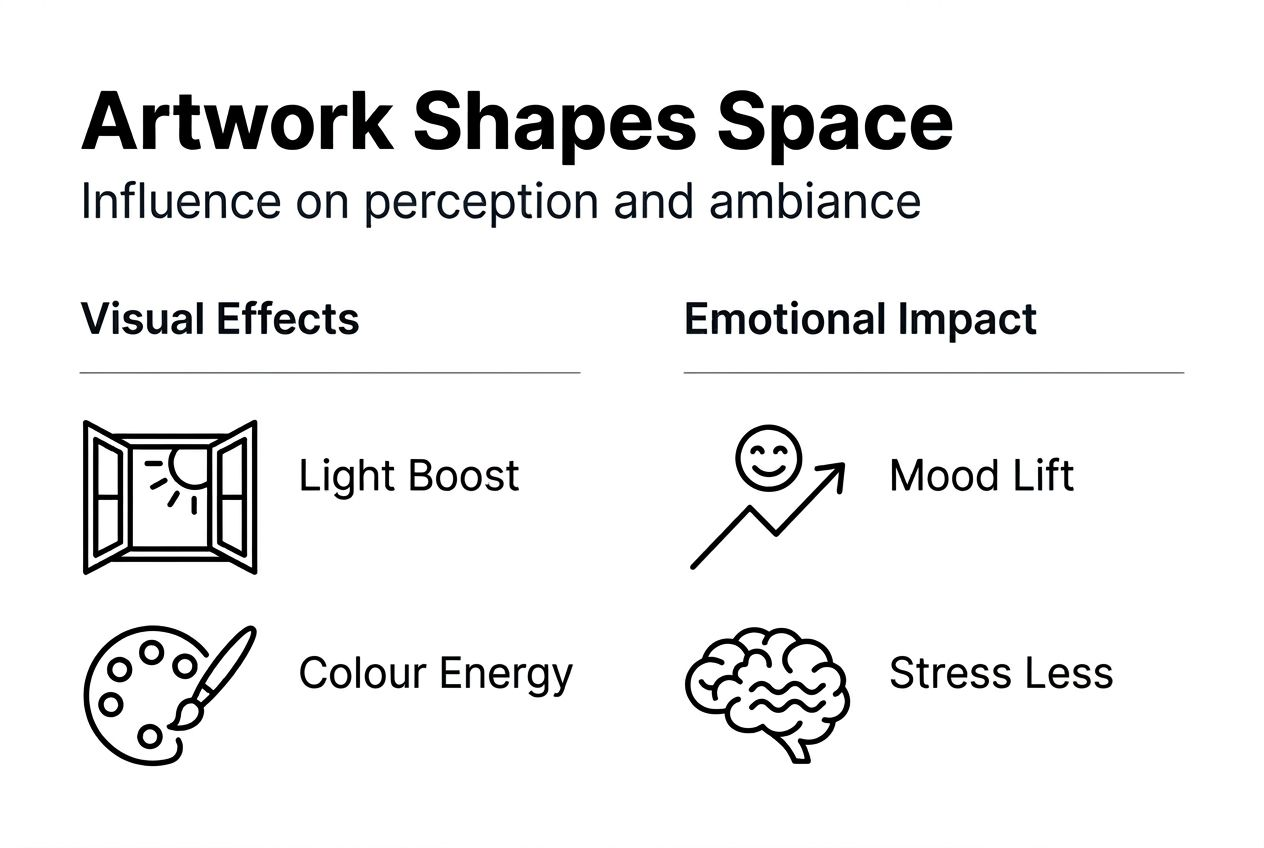
Light interaction represents a primary mechanism. Reflective surfaces in artwork can increase perceived brightness by up to 30%, reducing artificial lighting requirements. Conversely, darker pieces absorb light, creating intimate zones within open plans. Colour temperature in artwork affects psychological warmth, with oranges and reds advancing visually whilst blues and greens recede.
Acoustic properties, though subtle, contribute to spatial comfort. Textured canvases and fabric-based pieces absorb sound frequencies, reducing echo in hard-surfaced rooms. Large-scale installations strategically positioned mitigate noise pollution in commercial environments.
| Metric | Space Without Art | Space With Curated Art | Improvement |
|---|---|---|---|
| Perceived brightness | Baseline | +25% to +30% | Enhanced natural light feel |
| Acoustic comfort | Echo present | Reduced reverberation | 15% noise reduction |
| Colour balance | Neutral or monotone | Harmonised palette | Improved visual interest |
| Spatial definition | Unclear zones | Defined areas | Better functionality |
| Emotional response | Neutral | Positive engagement | Elevated mood scores |
The role of art in home style extends to circulation patterns. Statement pieces draw occupants towards specific areas, whilst gallery walls encourage lingering and conversation. In commercial settings, artwork placement guides customer flow and highlights key zones.
Key spatial influences include:
- Scale manipulation through oversized or miniature pieces affecting perceived room dimensions
- Focal point creation directing attention away from architectural flaws
- Rhythm establishment through repeated motifs creating visual continuity
- Depth illusion using perspective or layered compositions expanding perceived space
The commercial wall art modern interiors trend demonstrates how businesses leverage these spatial effects to enhance customer experience and operational efficiency. Understanding artwork’s multidimensional impact enables strategic selections that optimise both aesthetics and functionality.
Decision frameworks for choosing artwork as an investment
Selecting artwork requires systematic evaluation balancing financial objectives, emotional resonance, and design compatibility. This framework guides confident purchasing decisions for UK homeowners and interior designers.
-
Define investment goals clearly. Determine whether you prioritise financial returns, aesthetic enhancement, or combined benefits. Financial investors focus on provenance and market trends, whilst design-led buyers emphasise spatial fit and emotional connection. Hybrid approaches balance both dimensions.
-
Research market trends and authenticity rigorously. 85% of UK art buyers prioritise verified provenance when investing, recognising that documentation substantially affects resale value. Investigate artist backgrounds, exhibition histories, and comparable sale prices through auction databases and gallery records.
-
Assess space characteristics comprehensively. Measure wall dimensions, evaluate lighting conditions, and analyse existing colour schemes before purchasing. Consider sightlines from different room positions and how pieces interact with furniture arrangements. Digital visualisation tools help preview artwork in context.
-
Consider bespoke solutions for optimal alignment. Custom commissions address specific dimensional, thematic, or stylistic requirements that ready-made pieces cannot satisfy. The UK art prints advantage includes supporting local artists whilst ensuring faster delivery and easier returns compared to international purchases.
-
Evaluate documentation and liquidity factors. Request certificates of authenticity, condition reports, and provenance documentation before completing purchases. Understand resale channels appropriate for the piece’s value tier, from online marketplaces for prints under £1,000 to auction houses for higher-value works.
-
Factor ongoing costs into investment calculations. Include insurance, conservation, framing, and potential storage expenses when assessing total investment. Professional framing alone can add 15% to 30% to acquisition costs but significantly enhances presentation and preservation.
Pro Tip: Verify provenance through trusted UK market channels like established galleries, recognised auction houses, or platforms offering authenticity guarantees. Independent appraisals provide additional security for pieces valued above £2,000.
This structured approach reduces uncertainty whilst maximising the likelihood that selected artwork delivers intended financial, emotional, and design outcomes.
Summary and practical recommendations for UK investors and interior designers
Investing in artwork represents a multifaceted strategy that enhances spaces whilst building financial value and emotional wellbeing. This guide has demonstrated how curated pieces increase property values by up to 10%, diversify investment portfolios, and transform interior atmospheres through light, colour, and spatial manipulation.
The Art Investment Value Framework balances three essential pillars: financial returns through provenance-verified pieces with market potential, emotional resonance via personalised or meaningful selections, and design impact through scale, placement, and stylistic coherence. Successful investments satisfy multiple pillars simultaneously, maximising overall value.
Commissioning bespoke artwork addresses the growing demand for distinctive interiors that reflect individual identity or brand narratives. With over 60% of designers reporting higher client satisfaction through customisation, this approach delivers competitive advantages in residential and commercial projects.
Practical action steps include:
- Start with a clear budget allocation, typically 5% to 10% of total interior design spend
- Build relationships with reputable UK galleries and emerging artists for access to quality pieces
- Document all purchases with certificates of authenticity and provenance records
- Schedule regular conservation assessments for pieces valued above £1,000
- Diversify across styles, mediums, and price points to spread risk whilst building cohesive collections
Applying the decision framework checklist before each purchase ensures alignment with goals and reduces costly mistakes. Whether acquiring a £200 limited edition print or commissioning a £5,000 bespoke installation, systematic evaluation protects investment value whilst enhancing living and working environments.
Artwork investment in 2026 offers UK homeowners and designers strategic opportunities to elevate spaces, strengthen portfolios, and create meaningful environments that deliver lasting value across financial, emotional, and aesthetic dimensions.
Explore bespoke artwork solutions at FrameTheWorld
Discover unique collections that bring the principles explored in this guide to life. Our Wabi Sabi wall art embraces imperfect beauty, creating serene spaces that promote wellbeing. For energetic environments, browse our Pop Art collection featuring bold colours and dynamic compositions.
Embrace bespoke artwork through our custom print services, where your vision becomes reality. We collaborate closely with clients to create tailored pieces that align with investment goals, spatial requirements, and personal narratives. Whether furnishing a residential property or completing a commercial project, FrameTheWorld offers expert curation and flexible customisation that delivers financial and emotional value. Visit our site to explore collections that transform spaces whilst building lasting investment portfolios.
Frequently asked questions
What makes artwork a good investment in the UK?
Artwork offers portfolio diversification with 3% to 9% annual returns whilst providing aesthetic enjoyment. Pieces with verified provenance from emerging or established artists appreciate over time, particularly when aligned with interior design trends. The UK market infrastructure supports authentication and resale through established channels.
How can I verify the authenticity of art pieces before buying?
Request certificates of authenticity, provenance documentation, and condition reports from sellers. Purchase through reputable UK galleries or auction houses that guarantee authenticity. For higher-value pieces above £2,000, commission independent appraisals from accredited valuers. Digital registers and blockchain authentication are emerging verification tools.
Is bespoke artwork worth the extra cost for my interior project?
Yes, particularly when specific dimensions, colour matching, or thematic requirements matter. Over 60% of interior designers report substantially higher client satisfaction with customised pieces, justifying premium costs through enhanced project outcomes, stronger client relationships, and distinctive results that ready-made alternatives cannot achieve.
How does artwork impact the value of my property?
Curated artwork can increase property value by up to 10% by enhancing aesthetic appeal and creating emotional connections with potential buyers. Show homes featuring strategic art installations sell 12% faster than unfurnished equivalents. Quality pieces signal attention to detail and lifestyle aspirations that resonate with premium buyers.
Can investing in emerging artists be a safe financial choice?
Emerging artists represented by reputable UK galleries offer attractive risk-reward profiles, with documented 15% to 25% annual appreciation for well-selected pieces. Start with limited editions or prints priced between £200 and £1,000 to build knowledge whilst minimising exposure. Diversify across multiple artists to spread risk and increase the likelihood of significant appreciation.

Leave a comment
This site is protected by hCaptcha and the hCaptcha Privacy Policy and Terms of Service apply.