
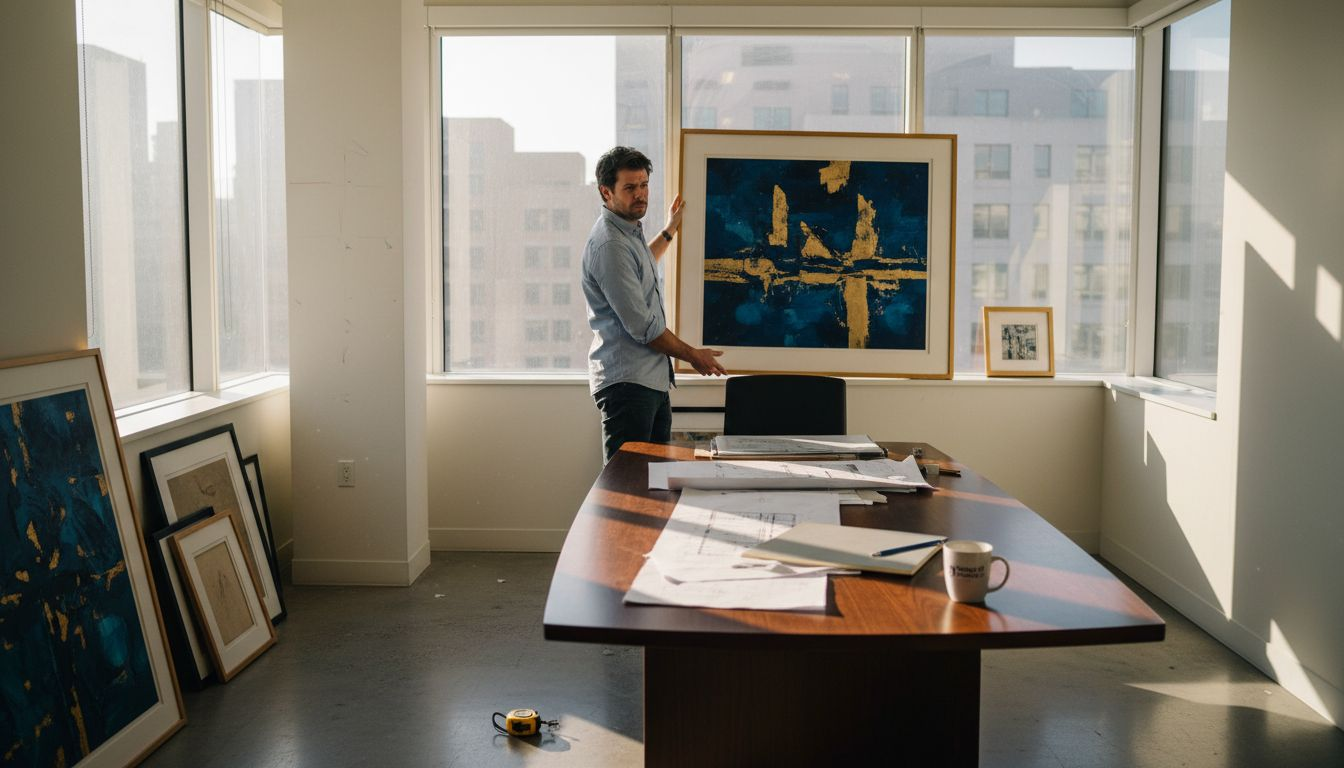
Choosing wall art often feels overwhelming. Many homeowners and interior designers struggle with unclear procurement steps, leading to mismatched décor and costly mistakes. This guide provides a structured, six-step process to help you select, order, and install artwork confidently, avoiding common pitfalls and achieving results that satisfy 80% of UK clients who follow these methods carefully.
Table of Contents
- Introduction To The Wall Art Procurement Process
- Prerequisites And Preparation
- Artwork Selection Criteria
- Budgeting And Costs
- Ordering And Customisation Process
- Delivery, Installation And Safety Considerations
- Common Mistakes And Troubleshooting
- Expected Results And Success Metrics
- Alternative Approaches And Tradeoffs
- Discover Bespoke Wall Art Tailored For Your Space
- Frequently Asked Questions
Key takeaways
| Point | Details |
|---|---|
| Six clear steps | A structured procurement process covers preparation, selection, budgeting, ordering, delivery, and evaluation. |
| Accurate measurements prevent issues | Measuring walls precisely and setting realistic budgets reduce dissatisfaction by 60%. |
| Customisation adds time | Bespoke options typically add 2 to 4 weeks to delivery, not months. |
| Professional delivery matters | Expert handling reduces damage risks by up to 70% compared to standard shipping. |
| High satisfaction rates | 80% of UK clients report satisfaction when following structured procurement processes. |
Introduction to the wall art procurement process
The wall art procurement process involves six essential steps: preparation, selection, budgeting, ordering, delivery and installation, and evaluation. Following this sequence systematically minimises costly errors and project delays. Residential projects often prioritise personal taste and room harmony, while commercial spaces focus on brand identity and professional impact. Both benefit from structured planning.
Skipping steps or rushing decisions leads to mismatched artwork that fails to enhance interior spaces. A methodical approach ensures every piece complements your environment. Understanding each phase before starting saves time and money.
The six major steps are:
- Preparation: gathering measurements, assessing style, and setting budgets
- Selection: choosing artwork that fits your space and aesthetic
- Budgeting: allocating funds for art, framing, and delivery
- Ordering: placing orders and selecting customisation options
- Delivery and installation: ensuring safe arrival and proper mounting
- Evaluation: reviewing results against success criteria
This structured sequence gives you control over outcomes. Commercial designers appreciate the clarity when managing multiple projects, while homeowners gain confidence navigating unfamiliar territory. Each step builds on the previous one, creating a logical pathway from initial concept to final installation.
Prerequisites and preparation
Before selecting artwork, gather essential information to guide your decisions. Start by measuring your wall space accurately. Record height, width, and any architectural features like windows or moulding. These dimensions determine appropriate artwork sizes and prevent ordering pieces that overwhelm or underwhelm your space.
Next, analyse your room’s existing colour scheme and lighting conditions. Natural light affects how colours appear throughout the day, whilst artificial lighting creates different moods. Understanding these factors helps you choose wall art that harmonises with your interior. Photograph your space at different times to assess lighting variations.
Establish a realistic budget range early in the process. Follow these steps:
- Determine your total budget, typically between £100 and £1000 for residential projects
- Allocate approximately 60% for artwork, 25% for framing, and 15% for delivery and installation
- Add a 10% buffer for unexpected costs or upgrades
- Research price ranges for your preferred art styles to validate your budget
Pro Tip: Create a mood board with photos of your space, colour swatches, and inspiration images before shopping for art. This visual reference keeps your selection focused and prevents impulsive purchases that clash with your interior.
Setting a flexible budget prevents surprises later. Customisation and professional framing often cost more than anticipated, so plan accordingly. This preparation phase takes only a few hours but dramatically improves your procurement outcomes.
Artwork selection criteria
Choosing artwork that enhances your space requires careful consideration of style, size, theme, and colour. Your selection should reflect both personal taste and practical suitability for the environment. Different types of wall art serve distinct purposes, from bold statements to subtle accents.
Consider your interior design style first. Contemporary spaces benefit from abstract or minimalist pieces with clean lines. Traditional rooms suit classical landscapes or portraiture. Eclectic interiors allow mixing styles, but maintain colour harmony to avoid visual chaos. Your artwork should feel like a natural extension of your existing décor.
Size matters significantly. Large walls demand statement pieces that command attention without overwhelming the space. A general rule suggests artwork should occupy 60% to 75% of available wall width. Smaller walls need subtler art that complements rather than dominates. Gallery walls work well when individual pieces are proportionally smaller.
Key selection criteria include:
- Style alignment with your interior design scheme
- Appropriate scale relative to wall dimensions and room size
- Thematic relevance to room purpose, such as calming scenes for bedrooms
- Colour coordination with existing palette and furnishings
- Personal connection to subject matter or artistic style
Pro Tip: Test artwork placement digitally before purchasing. Use augmented reality apps or simple photo editing to overlay potential pieces on wall photos. This preview helps visualise scale and colour impact, reducing selection mistakes.
Theme selection influences room atmosphere. Dining rooms benefit from food-inspired art or vibrant abstracts. Home offices need motivational or sophisticated pieces. Bedrooms require calming imagery that promotes relaxation. Match artwork themes to functional needs for maximum impact.
Budgeting and costs
Understanding cost components helps you budget effectively and avoid financial surprises. Wall art procurement involves three primary expense categories: the artwork itself, framing options, and delivery with installation services. Customisation benefits justify additional investment for those seeking tailored solutions.

Typical price ranges vary by artwork type and quality. Ready-made prints start around £50 to £200. Limited edition pieces range from £200 to £600. Bespoke or commissioned artwork costs £500 to £1500 or more, depending on size and complexity. These prices reflect artwork only, before framing and delivery.
| Cost category | Budget allocation | Typical range |
|---|---|---|
| Artwork | 60% | £100 to £800 |
| Framing | 25% | £40 to £250 |
| Delivery and installation | 15% | £30 to £150 |
Framing significantly impacts total costs. Basic frames start at £30, whilst premium options with museum-quality glass and custom matting reach £250 or more. Frame choice affects both aesthetics and artwork protection. Invest in quality framing for valuable pieces to ensure longevity.
Customisation adds both cost and lead time. Expect 10% to 30% price increases for bespoke sizing, personalised colours, or unique printing techniques. However, custom options deliver artwork perfectly suited to your specific requirements. Budget an extra 2 to 4 weeks for customised orders.
Create your procurement budget using these steps:
- Set your maximum total expenditure based on available funds
- Allocate percentages to artwork, framing, and delivery as shown above
- Research specific pieces within your artwork budget range
- Request framing quotes to validate your allocation
- Add a 10% contingency buffer for unexpected upgrades or shipping costs
Professional delivery services cost £30 to £100 but prevent damage that could require expensive replacements. Budget for this protection, especially with fragile or valuable pieces. Installation services add £50 to £150 but ensure proper mounting and safety.
Ordering and customisation process
Placing your order correctly ensures smooth processing and timely delivery. The ordering workflow involves several clear steps that guide you from selection to confirmation. Following a structured bespoke ordering process reduces errors and delays.
Begin by browsing available collections to identify base artwork that appeals to you. Most e-commerce platforms organise art by style, theme, size, and colour, simplifying searches. Save favourites to compare options side by side. Review product descriptions carefully to understand materials and printing techniques.
The complete ordering process follows these steps:
- Select your base artwork from available collections or commission a bespoke piece
- Choose customisation options including size adjustments, frame style, and printing method
- Review your complete order summary showing all selections, costs, and estimated lead time
- Provide delivery address and installation preferences if using professional services
- Complete payment and receive order confirmation with tracking information
Customisation extends lead times but delivers artwork perfectly matched to your requirements. Standard orders typically ship within 5 to 10 working days. Custom pieces require 2 to 4 additional weeks for production. Large-format printing or complex framing may add further time. Always confirm expected delivery dates before finalising your purchase.
Order confirmations should include detailed specifications, allowing you to verify accuracy before production begins. Check dimensions, colours, frame selections, and delivery addresses immediately. Contact customer service within 24 hours if corrections are needed. Early intervention prevents costly reprinting or reshipping.
Prepare your space whilst waiting for delivery. Clear the intended wall area and gather necessary installation tools. If using professional installers, schedule appointments to coincide with artwork arrival. This coordination ensures prompt installation without storage delays.
Delivery, installation and safety considerations
Safe delivery and proper installation protect your investment and ensure optimal display. Professional handling minimises damage risks that plague standard shipping. Expert framing and installation techniques preserve artwork integrity whilst creating stunning displays.
Arrange professional delivery services for valuable or fragile pieces. Specialist couriers use protective packaging and careful handling protocols. Standard postal services lack these safeguards, increasing damage likelihood. Professional delivery costs £30 to £100 but prevents expensive replacements.
Upon receiving your artwork, inspect packaging immediately. Look for crushing, tears, or moisture damage before signing delivery receipts. Photograph any issues and notify the supplier within 24 hours. Most reputable sellers offer replacement guarantees for shipping damage.
Installation requires careful planning and execution. Consider these best practices:
- Hire professional installers for large, heavy, or valuable pieces
- Use appropriate wall fixings based on artwork weight and wall type
- Position artwork at eye level, typically 145 to 152 centimetres from the floor to the centre
- Avoid hanging in direct sunlight to prevent fading
- Keep artwork away from moisture sources like bathrooms or kitchens
Professional installers possess expertise in weight distribution, wall types, and proper mounting hardware. They ensure artwork hangs securely and level, avoiding DIY mistakes that damage walls or artwork. Installation services cost £50 to £150 but deliver peace of mind.
“Professional installation reduced our damage claims by 70% whilst ensuring perfect placement every time. The modest investment protects both artwork and client satisfaction.”
Handle artwork gently during unpacking and installation. Wear clean gloves to avoid fingerprints on frames or glass. Support pieces from underneath rather than gripping edges. These precautions prevent accidental damage during the final, critical steps.
Common mistakes and troubleshooting
Avoiding frequent errors saves time, money, and frustration. Many procurement problems stem from rushed decisions or inadequate planning. Understanding common wall art selection mistakes helps you navigate the process successfully.
Neglecting accurate measurements leads to improperly scaled artwork. Pieces that are too small look lost on large walls, whilst oversized art overwhelms spaces. Always measure twice before ordering. Use painter’s tape to outline proposed artwork dimensions directly on your wall, visualising scale before purchasing.
Underestimating customisation lead times causes project delays. Standard pieces ship quickly, but bespoke options require additional production time. Plan procurement timelines backwards from your desired installation date. Add buffer time for unexpected delays or shipping issues.
Frequent mistakes include:
- Ignoring colour coordination between artwork and existing décor
- Choosing inappropriate frame styles that clash with interior design
- Skipping professional delivery, resulting in damaged or broken pieces
- Failing to budget for framing and installation costs
- Rushing selection without considering long-term appeal
Pro Tip: Take your time selecting artwork you will live with for years. Impulse purchases often lead to buyer’s remorse. View potential pieces multiple times over several days, ensuring consistent appeal before committing.
Skipping professional delivery risks significant damage. Artwork damaged during shipping requires replacement orders, doubling costs and extending timelines. The modest investment in expert handling prevents these expensive problems whilst ensuring safe arrival.
Budget oversights create financial stress. Failing to account for framing, delivery, and installation costs leaves projects incomplete or forces quality compromises. Comprehensive budgeting from the start prevents these issues. Include all expense categories in your initial planning.
Expected results and success metrics
Defining clear success criteria helps evaluate procurement outcomes objectively. Successful wall art projects achieve specific, measurable results that satisfy both aesthetic and practical requirements. UK clients report high satisfaction when artwork meets established benchmarks.
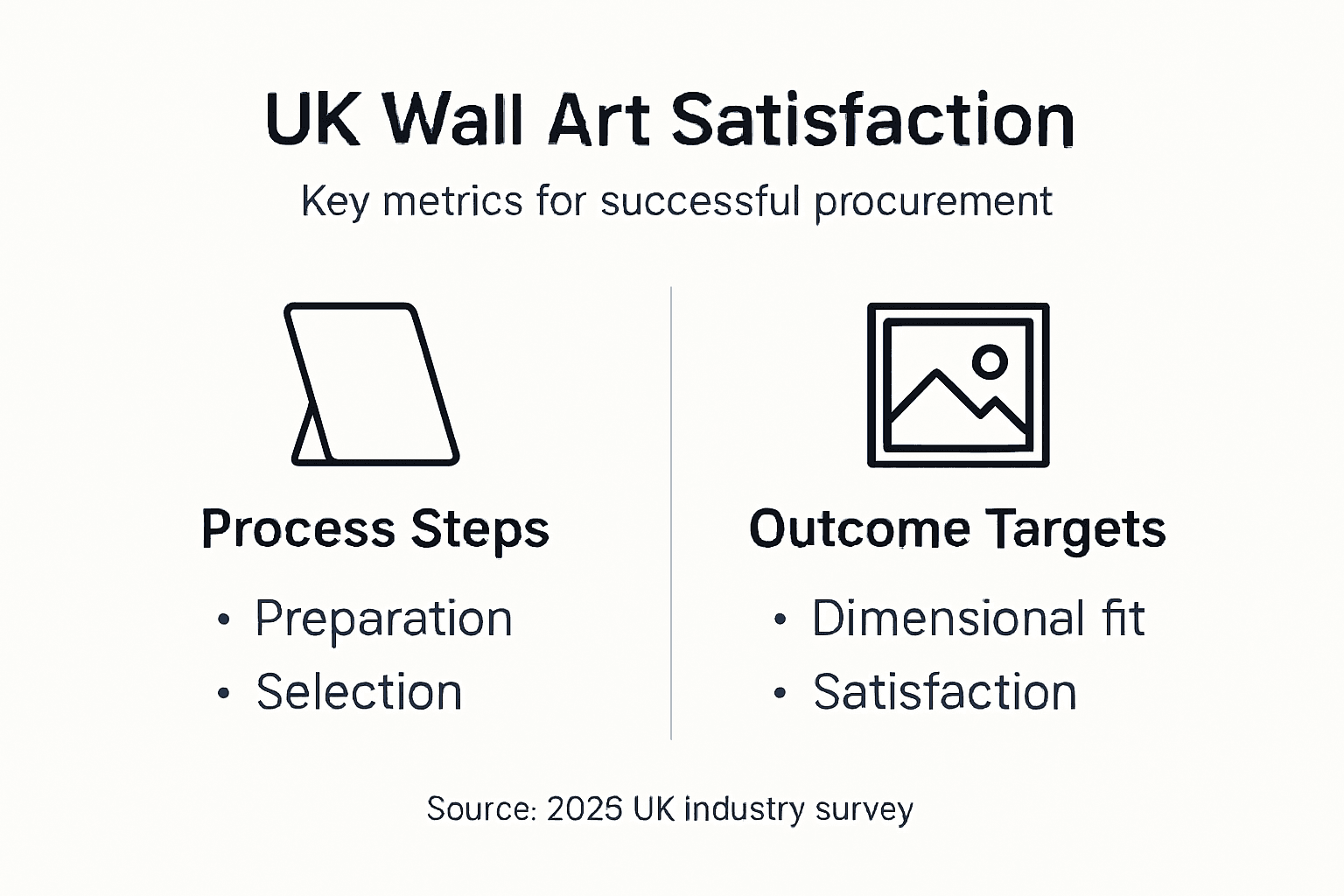
Dimensional accuracy represents the first success metric. Artwork should fit designated wall spaces within a 5% margin of planned dimensions. Proper sizing ensures visual balance and prevents awkward gaps or overwhelming presence. Measure your installed artwork against initial specifications to verify accuracy.
Aesthetic alignment confirms artwork suits your interior design scheme. Colours, style, and theme should complement existing décor without clashing. Survey family members or colleagues for feedback. Unanimous positive responses indicate successful selection.
| Success metric | Target benchmark | Measurement method |
|---|---|---|
| Dimensional fit | Within 5% of planned size | Physical measurement |
| Style alignment | 90% positive feedback | Stakeholder survey |
| On-time delivery | Within quoted timeframe | Delivery tracking |
| Damage-free arrival | Zero defects | Visual inspection |
| Overall satisfaction | 80% or higher | Client feedback |
Timely delivery and installation completion meet project schedules. Delays disrupt planning and reduce satisfaction. Track delivery against quoted timeframes. Successful projects receive artwork within promised windows, allowing scheduled installations.
Client satisfaction benchmarks provide the ultimate success measure. Industry data shows 80% of UK clients report satisfaction when following structured procurement processes. This high rate reflects careful planning, accurate execution, and professional support throughout the journey.
Damage-free arrival indicates quality packaging and careful handling. Inspect all artwork immediately upon delivery. Zero defects or damage confirm successful shipping practices. Document any issues promptly for rapid resolution.
Alternative approaches and tradeoffs
Different procurement methods suit varying needs, budgets, and timelines. Understanding options helps you choose the approach that best matches your specific requirements. Each method presents distinct advantages and limitations worth considering.
Direct artist commissions offer maximum uniqueness and personalisation. You work directly with creators to specify exact requirements, resulting in truly one-of-a-kind pieces. However, commissions typically cost 50% to 100% more than ready-made art. Production timelines extend 6 to 12 weeks or longer, depending on artist availability and piece complexity.
E-commerce platforms provide extensive variety with competitive pricing. Browse thousands of options from home, comparing styles and prices easily. Customisation services through established platforms balance personalisation with efficiency. Delivery occurs faster than direct commissions, usually within 2 to 4 weeks for custom orders.
| Approach | Uniqueness | Cost | Timeline | Best for |
|---|---|---|---|---|
| Direct artist commission | Highest | £500 to £2000+ | 6 to 12 weeks | Exclusive, bespoke requirements |
| E-commerce with customisation | Medium | £100 to £800 | 2 to 4 weeks | Balanced quality and efficiency |
| Ready-made collections | Lower | £50 to £400 | 5 to 10 days | Quick projects, tight budgets |
Homeowners often prefer e-commerce platforms for their balance of choice, cost, and convenience. You access professional-quality artwork without commission premiums or extended waits. Customisation options allow personalisation within reasonable budgets and timeframes.
Interior designers managing multiple projects benefit from e-commerce efficiency. Sourcing artwork for numerous clients simultaneously requires reliable suppliers with consistent quality and delivery. Platform ordering systems streamline procurement across many projects.
Tradeoffs involve balancing exclusivity against cost and speed. Direct commissions deliver absolute uniqueness but demand higher budgets and patience. Ready-made pieces arrive quickly and affordably but lack personalisation. E-commerce with customisation offers the middle ground most clients prefer.
Discover bespoke wall art tailored for your space
Transform your interiors with artwork specifically chosen for your unique environment. FrameTheWorld offers personalised wall art selection processes that match your style, space, and budget perfectly. Our extensive collections span contemporary abstracts, classic landscapes, and everything between.
Explore custom print services that bring your vision to life with professional quality and attention to detail. Choose from various sizes, frames, and printing techniques to create artwork that enhances your space precisely as imagined. Our expert team provides guidance throughout the process, ensuring satisfaction from selection through installation.
Browse our complete wall art collection to discover pieces that inspire and transform your home or commercial space. Quality guarantees and professional support make your procurement journey smooth and rewarding.
Frequently asked questions
How long does bespoke wall art take to deliver in the UK?
Bespoke wall art typically requires an additional 2 to 4 weeks beyond standard delivery timeframes for customisation and production. Standard pieces ship within 5 to 10 working days, whilst custom orders need extra time for size adjustments, specialised printing, or unique framing. Planning your order 4 to 6 weeks before your desired installation date prevents project delays. Always confirm expected delivery dates with your supplier during the ordering process.
What are the best methods for safely installing wall art?
Professional installers provide the safest option, especially for large, heavy, or valuable pieces. If installing yourself, use appropriate wall fixings matched to your wall type and artwork weight. Avoid hanging in direct sunlight or near moisture sources like bathrooms. Position artwork at eye level, approximately 145 to 152 centimetres from floor to centre, for optimal viewing.
How can I ensure my wall art matches my room’s style?
Consider your room’s colour palette, lighting conditions, and existing décor style before selecting artwork. Create a mood board with photos and colour swatches to guide your choices. Consult online style guides or professional designers if uncertain. Testing artwork placement digitally using augmented reality apps helps visualise compatibility before purchasing.
Are professional delivery services necessary for wall art?
Professional delivery services significantly reduce damage risks, often by 70% compared to standard postal shipping. Whilst adding £30 to £100 to costs, expert handling prevents expensive replacements and project delays. For valuable or fragile pieces, professional delivery represents a worthwhile investment that protects your purchase and ensures safe arrival in pristine condition.


Leave a comment
This site is protected by hCaptcha and the hCaptcha Privacy Policy and Terms of Service apply.