
TL;DR:
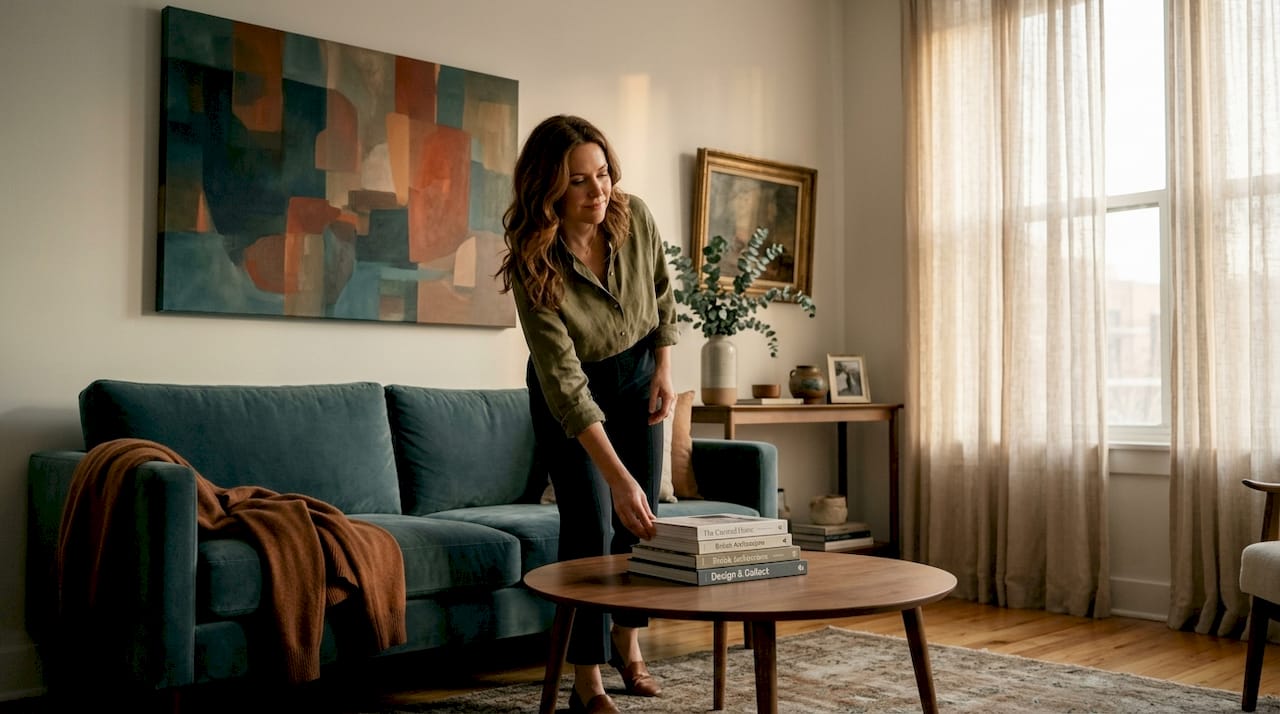
- Interior art design involves purposefully integrating artwork into a space’s functional planning to shape atmosphere and identity. It emphasizes core elements such as scale, color, and lighting, treating art as a structural component rather than mere decoration. Implementing these principles enhances room harmony, mood, and perceived value by aligning art with spatial intentions from the start.
Interior art design is one of those phrases people use confidently without quite agreeing on what it means. Ask ten people and you will get answers ranging from “hanging pictures on walls” to “the way a room feels.” Both are partially right, and both miss the point. What is interior art design, really? It is the deliberate integration of art into the functional planning of a space, where every artwork, texture, and colour choice serves a purpose beyond decoration. This guide explains the principles behind it, the genuine benefits it delivers, and how you can start applying it in your own home.
Table of Contents
- Key takeaways
- What is interior art design, and why does it matter
- The principles and elements at the core
- The real benefits of art in interior spaces
- Interior art design versus related disciplines
- How to enhance your space with interior art design
- My take on what actually makes it work
- Find art that fits your space at Frametheworld
- FAQ
Key takeaways
| Point | Details |
|---|---|
| Art goes beyond decoration | Interior art design integrates artwork into spatial planning with purpose, not as an afterthought. |
| Seven elements shape every space | Space, line, form, light, colour, texture, and pattern are the building blocks of any interior art design scheme. |
| Art builds identity and mood | Curated art prevents spaces feeling generic and contributes directly to atmosphere and emotional tone. |
| Scale, colour, and lighting matter | Poorly chosen art disrupts balance; matching these three factors to your space transforms the result. |
| Start with a concept statement | Defining your design intention early keeps art selections coherent and prevents costly drift. |
What is interior art design, and why does it matter
Interior art design sits at the intersection of two disciplines: art and interior design. It is not simply placing a print above a sofa, and it is not a purely technical exercise in spatial planning either. It is the practice of using art, both as object and as principle, to shape how a space looks, feels, and functions.
Interior design combines art and science to create aesthetic and healthy interiors, guided by seven fundamental elements: space, line, form, light, colour, texture, and pattern. Interior art design takes those same elements and treats artworks as active participants in the scheme rather than finishing touches applied at the end.
The misconception that trips most people up is the idea that you first design a room, then decorate it with art. In practice, skipping the design phase and jumping straight to decoration causes mistakes that are expensive to undo, such as poor furniture flow, inadequate lighting, and art that feels disconnected from the space around it.
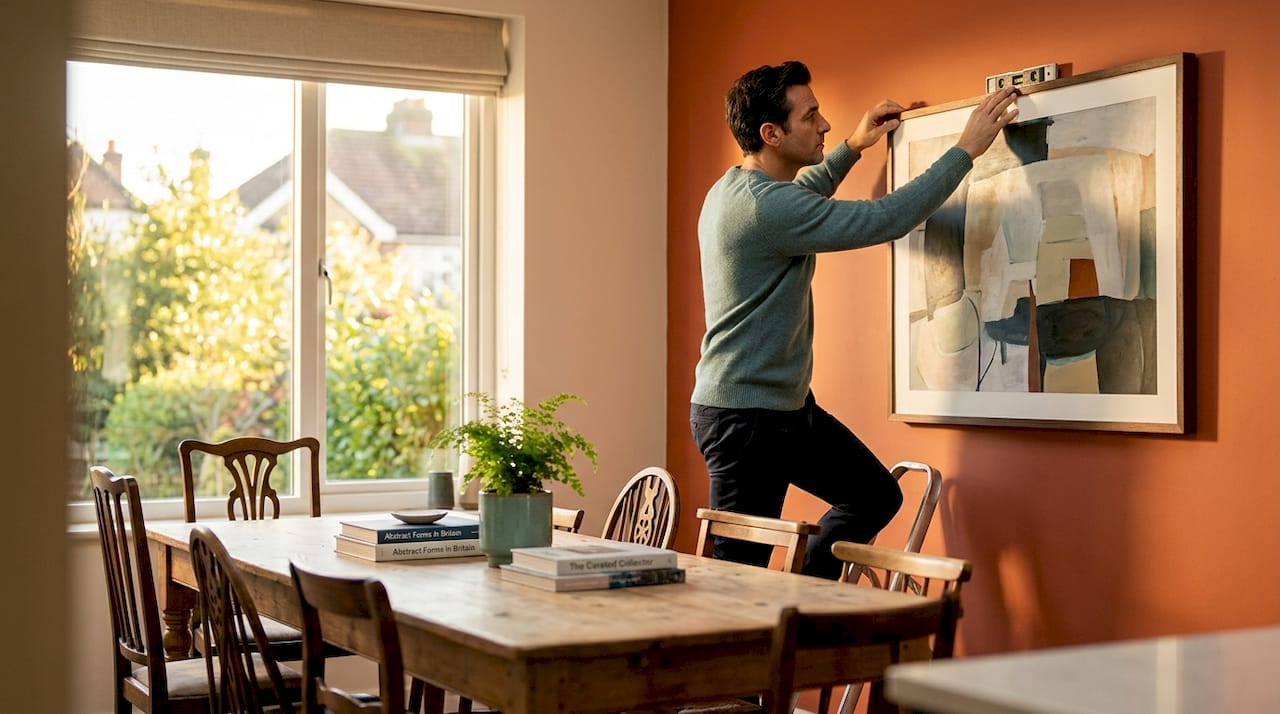
When art is considered from the start, the entire room benefits. A large canvas on a feature wall can dictate the colour palette for furnishings. A sculpture can define a circulation path. A series of prints can create rhythm along a corridor. These are not decorative flourishes. They are design decisions.
The principles and elements at the core
Understanding interior art design means understanding its building blocks. These are not abstract concepts. They are practical tools you use every time you make a decision about your space.
The seven core elements work together to guide perception and create spatial harmony:
- Space refers to both the physical dimensions of a room and the visual breathing room within it. Art can open a space or anchor it depending on scale and placement.
- Line describes the edges, shapes, and directional energy in a room. Vertical lines in tall artwork draw the eye upward, making ceilings feel higher.
- Form is the three-dimensional quality of objects. Sculptural artworks introduce form that flat walls cannot provide.
- Light is perhaps the most underestimated element. Natural and artificial light change the way a painting reads at different times of day. A gold-framed work in warm evening light feels entirely different under cool morning sun.
- Colour connects art to the rest of the room. One advanced technique worth knowing is colour drenching, where walls, trim, and furnishings share a single colour family to create an immersive, unified atmosphere that art can then punctuate or contrast.
- Texture adds sensory depth. A heavily impastoed oil painting brings tactile interest to a smooth, minimal room.
- Pattern creates rhythm and repetition. Artworks that echo patterns already present in textiles or flooring tie a scheme together without effort.
Sensory layering, the practice of combining colour, texture, and lighting to influence mood and perception, is one of the things that separates a thoughtful interior from a merely tidy one. For practical guidance on making texture work, Frametheworld’s article on texture in home decoration covers this well.
Pro Tip: Before buying any artwork, take a photo of your room and convert it to greyscale. This strips away colour distraction and lets you see whether the tonal balance of the space actually needs something lighter, darker, or more mid-toned.
The real benefits of art in interior spaces
Art does specific, measurable things to a room. These are not vague emotional benefits. Understanding them helps you make smarter choices.
-
It creates a focal point. Every room needs something for the eye to land on first. Without one, spaces feel restless and unresolved. A single well-chosen work provides personality and prevents spaces feeling flat, giving the eye a natural starting point from which to explore the rest of the room.
-
It expresses identity. Generic interiors come from generic choices. The art you select communicates your values, references, and aesthetic instincts in a way that furniture alone cannot. Two rooms with identical sofas and paint colours feel completely different when the art changes.
-
It improves atmosphere and mood. Art enriches room atmosphere and visual interest in ways that go beyond the visual. Research into environmental psychology consistently shows that curated, meaningful surroundings support wellbeing and reduce perceived stress.
-
It adds perceived and real value. Thoughtfully curated art collections increase the perceived quality of a home. For those considering resale, a coherent, well-presented interior with considered artwork reads as higher quality to buyers.
-
It brings coherence to mixed elements. When a room contains furniture from different eras or styles, a well-chosen piece of art can act as the connective tissue, pulling disparate elements into a unified whole.
Interior art design versus related disciplines
People often confuse interior art design with interior design, interior decoration, and interior architecture. The differences matter practically, especially when you are deciding who to hire or how far to take a project yourself.
| Discipline | Core focus | Technical scope | Art’s role |
|---|---|---|---|
| Interior art design | Integrating art purposefully into spatial schemes | Moderate: colour, scale, placement, lighting | Central, treated as a structural element |
| Interior design | Aesthetics and functionality of the whole space | High: spatial planning, building codes, collaboration with architects | One component among many |
| Interior decoration | Styling and surface-level presentation | Low: furniture, textiles, accessories | Finishing touch, often selected last |
| Interior architecture | Structural modifications to spaces | Very high: load-bearing walls, planning permissions | Rarely the primary concern |
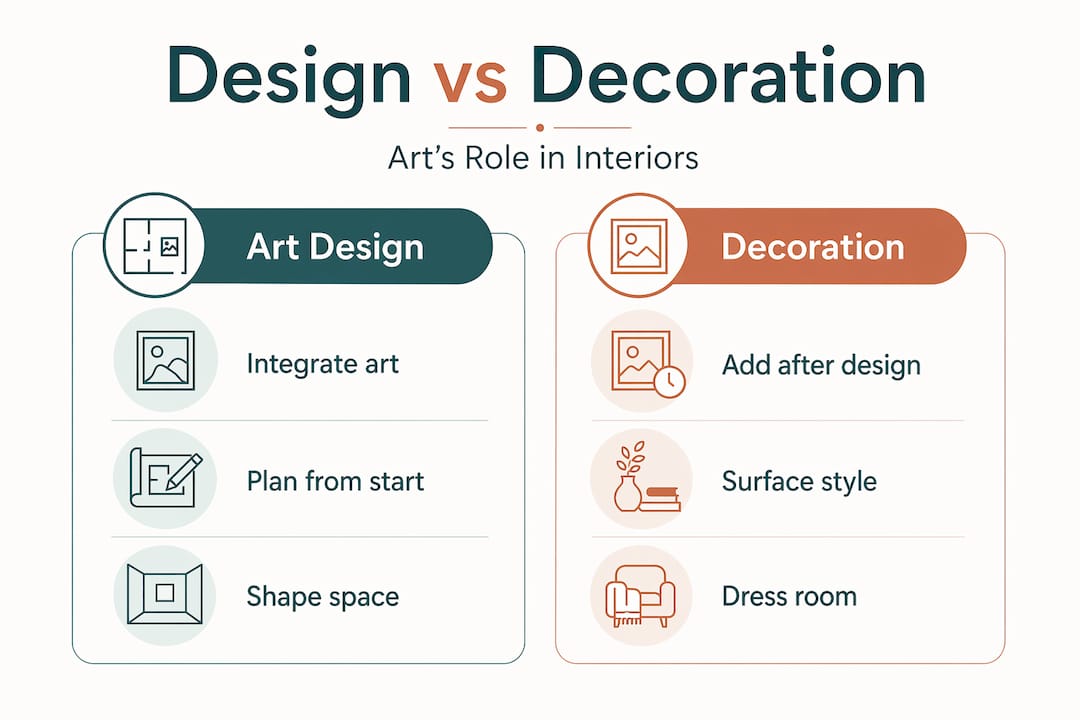
The distinction between decoration and design is the one most people miss. Interior design involves technical knowledge beyond decoration, including building codes and spatial planning. Decoration focuses on styling. Interior art design sits comfortably between the two: it does not require engineering qualifications, but it demands more rigour than simply choosing a colour you like.
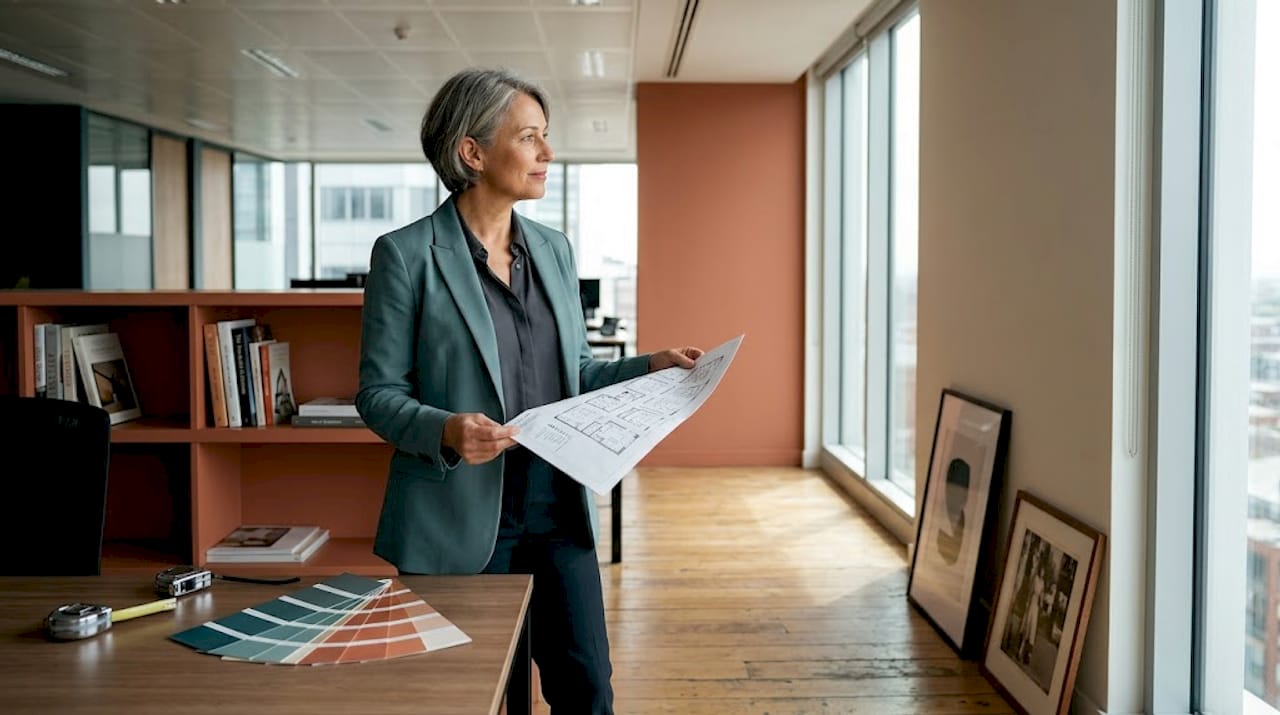
Writing an interior design concept statement early in any project is one of the most useful habits you can develop. It acts as a roadmap, guiding decisions on colour, texture, and which artworks belong in the scheme. Without it, design drift is almost inevitable. You end up with a collection of pieces you love individually that refuse to cohere as a whole.
How to enhance your space with interior art design
Knowing the principles is one thing. Applying them at home is another. Here is how to approach it practically.
Start with your space, not the art. Interior designers achieve balance and flow by planning furniture placement and lighting before introducing decorative elements. Understand the proportions of your room, where the natural light falls, and what the focal wall is before you start browsing collections.
- Scale is non-negotiable. Art selection must consider scale, colour harmony, and lighting to fit naturally in its setting. A small print on a large wall feels tentative. A canvas that is too wide for a wall makes the room feel cluttered. A general rule: the artwork should occupy roughly 50 to 75 per cent of the wall width it sits on.
- Colour harmony over colour matching. Matching a painting exactly to your cushions creates a flat, contrived look. Aim instead for artworks that share a tonal family or pick up one or two accent colours already present in the room.
- Light the art intentionally. Track lighting, picture lights, or directional spots transform how a piece reads in a room. Avoid placing art in direct sunlight, which fades pigments and creates glare.
- Resist the gallery wall reflex. A single powerful artwork almost always makes more impact than a wall covered in smaller pieces. Gallery walls require careful curation; done poorly, they read as visual noise rather than design intention.
Pro Tip: When selecting art for a specific room, use Frametheworld’s art selection checklist before purchasing. It covers scale, colour, and style considerations that save you from expensive returns.
Avoid the common mistake of treating art as the last purchase in a room refresh. The design process must be sequential, with spatial planning preceding decorating. Art chosen before furniture is finalised often clashes with what arrives later.
My take on what actually makes it work
I have seen beautifully furnished rooms that feel completely dead. I have also seen modest spaces with ordinary furniture that feel genuinely alive. The difference, almost without exception, comes down to whether art was considered as part of the design from the beginning or bolted on afterwards.
What most people miss is that interior art design is not about spending more money on art. It is about giving art a job to do. When I look at a room that works, the artwork is not sitting there being admired. It is regulating the colour temperature. It is providing the vertical emphasis the room needs. It is telling you something about the person who lives there before they say a word.
The balance between aesthetics and functionality is what separates interior art design from decoration, and it is genuinely harder to get right than it looks. Choosing a piece you love is easy. Choosing a piece that your room needs, and that you also love, requires a level of self-awareness about space that most of us have not been trained to develop.
My advice: spend more time studying your room than browsing collections. Understand what the space is lacking before you search for what to add. That shift in approach changes everything.
— Lennard
Find art that fits your space at Frametheworld
If you are ready to put these principles into practice, Frametheworld has two collections worth exploring. The Wabi Sabi wall art collection applies the principles of natural texture, warm imperfection, and calm restraint that work beautifully in rooms where you want atmosphere without visual noise. These pieces are particularly effective in rooms with natural materials, linen, and neutral palettes. For something with more energy and personality, the Pop Art collection delivers bold focal points and strong colour that suits contemporary interiors. Both collections are available in multiple sizes and formats, and the team at Frametheworld can help with bespoke options for larger or more specific projects.
FAQ
What is interior art design in simple terms?
Interior art design is the practice of integrating artwork purposefully into a space so that it contributes to the room’s function, atmosphere, and visual identity, rather than simply decorating it after the fact.
How does interior art design differ from interior decoration?
Interior decoration focuses on styling and surface presentation, including furniture and accessories. Interior art design treats art as a structural element within a broader spatial scheme, considered alongside lighting, scale, and colour from the outset.
What are the key elements of interior art design?
The seven core elements are space, line, form, light, colour, texture, and pattern. These guide how art is selected, placed, and lit within a room to create harmony and purpose.
How do I choose art that fits my interior design style?
Start by identifying your room’s tonal range and existing style, then select art that shares a colour family or echoes a texture already present. Scale and lighting should be assessed before purchasing rather than adjusted afterwards.
Does interior art design add value to a home?
Yes. Curated, coherent art choices improve the perceived quality of an interior, and a well-presented home with considered artwork consistently reads as higher quality to buyers and visitors alike.


Leave a comment
This site is protected by hCaptcha and the hCaptcha Privacy Policy and Terms of Service apply.