
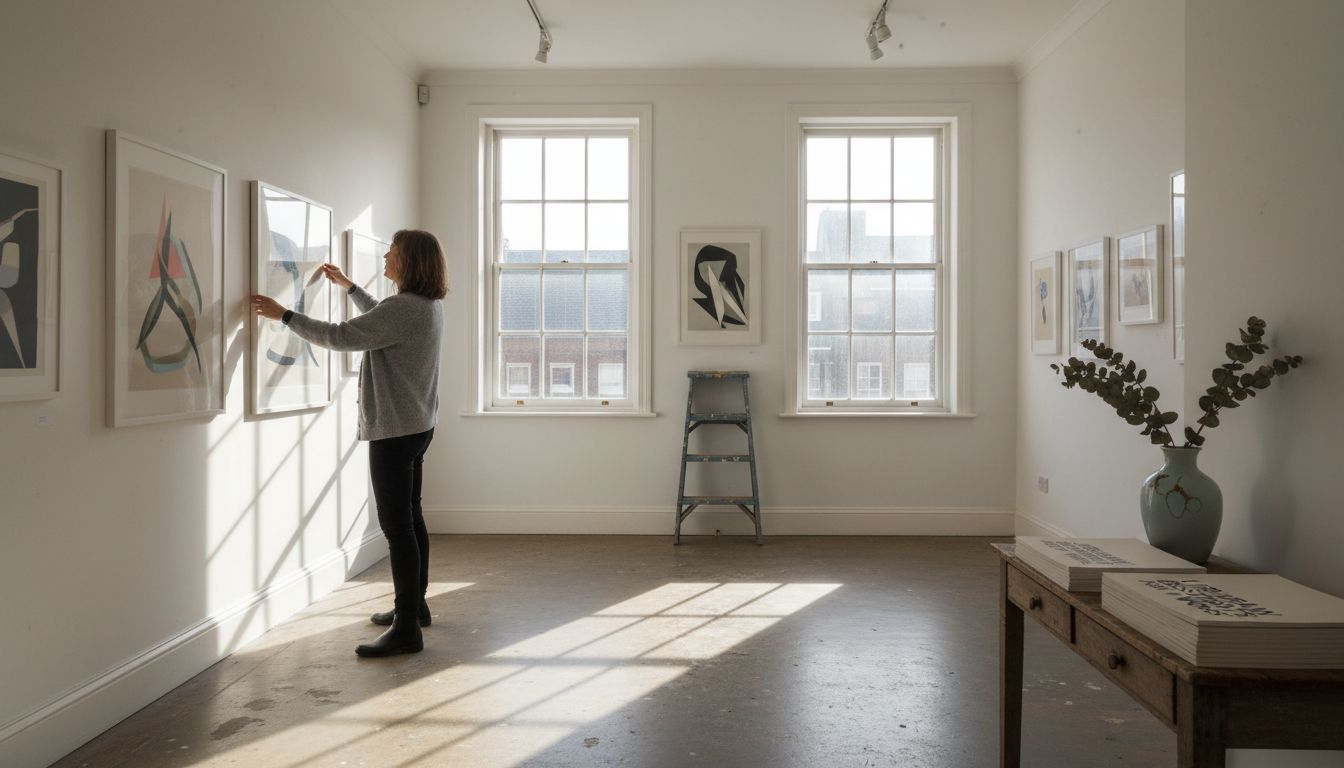
Many homeowners believe any printed artwork qualifies as a fine art print, but crucial quality differences separate true fine art prints from commercial reproductions. Understanding these distinctions empowers you to make confident purchasing decisions when selecting wall art for your home or design projects. This guide demystifies fine art prints by explaining their defining characteristics, production methods, and practical applications for creating beautiful, lasting interiors.
Table of Contents
- Understanding Fine Art Prints: Definition And Characteristics
- Printing Techniques And Materials Behind Fine Art Prints
- Common Misconceptions About Fine Art Prints
- Comparison Framework: Fine Art Prints Vs Commercial Prints
- Applying Fine Art Prints In Interior Design: Selection And Customization
- Care, Maintenance, And Longevity Of Fine Art Prints
- Enhance Your Space With Custom Fine Art Prints From FrameTheWorld
- Frequently Asked Questions About Fine Art Prints
Key Takeaways
| Point | Details |
|---|---|
| Quality Standards | Fine art prints use archival materials with artist involvement, ensuring authenticity and longevity beyond 50 years. |
| Giclée Technology | Pigment-based inks on acid-free paper create vibrant, durable prints that resist fading for decades. |
| Material Differences | Archival quality, limited editions, and craftsmanship distinguish fine art prints from mass-produced commercial prints. |
| Preservation Impact | UV-protective framing and proper care extend print lifespan and maintain visual appeal significantly. |
| Customization Value | Personalized sizing, framing, and color matching integrate prints seamlessly into residential and commercial spaces. |
Understanding Fine Art Prints: Definition and Characteristics
Fine art prints represent a distinct category of artwork characterized by rigorous production standards, archival materials, and direct artist involvement. Unlike commercial prints mass-produced without quality controls, fine art prints maintain artistic integrity through careful supervision and limited editions. Fine art prints require limited editions, archival inks, and artist supervision to ensure authenticity and quality.
The defining features set fine art prints apart from ordinary reproductions:
- Archival pigment inks resist fading and color shifts for 50+ years
- Acid-free papers prevent yellowing and deterioration over time
- Limited edition sizes create exclusivity and maintain value
- Artist approval or direct involvement ensures faithful reproduction
- Certificates of authenticity verify production standards
These quality standards ensure fine art prints deliver lasting visual impact. The materials used in production directly affect how prints age and whether they maintain their original appearance decades later.
When you invest in art prints meeting these criteria, you acquire pieces that enhance your space while preserving their beauty. The combination of archival materials and production oversight creates artwork that functions as both decoration and lasting investment. Fine art prints transform interiors by adding sophistication and personality that ordinary posters cannot match.
The perceived value extends beyond physical longevity. Limited editions carry collectibility that commercial prints lack entirely. Artist involvement guarantees the reproduction accurately captures the original work’s intent and aesthetic qualities.
Printing Techniques and Materials Behind Fine Art Prints
Giclée printing represents the gold standard for fine art reproduction, using specialized inkjet technology to achieve exceptional color accuracy and detail. This process sprays microscopic droplets of pigment ink onto paper, creating prints virtually indistinguishable from original paintings or photographs. Giclée printing with archival pigment inks on acid-free paper results in prints that can last over 100 years without degradation.
The technical distinction between ink types dramatically impacts print longevity:
- Pigment-based inks contain solid particles suspended in liquid, offering superior lightfastness
- Dye-based inks dissolve completely in liquid but fade rapidly when exposed to light
- Archival pigments maintain color intensity for 75-200 years under proper conditions
- Standard dye inks degrade within 5-25 years even with careful handling
Paper selection influences both durability and aesthetic presentation. Cotton rag papers provide museum-quality surfaces with neutral pH that prevents acid damage. These substrates feature textured surfaces ranging from smooth hot press to heavily textured cold press finishes. The texture choice affects how light interacts with the print surface, creating distinct visual effects.
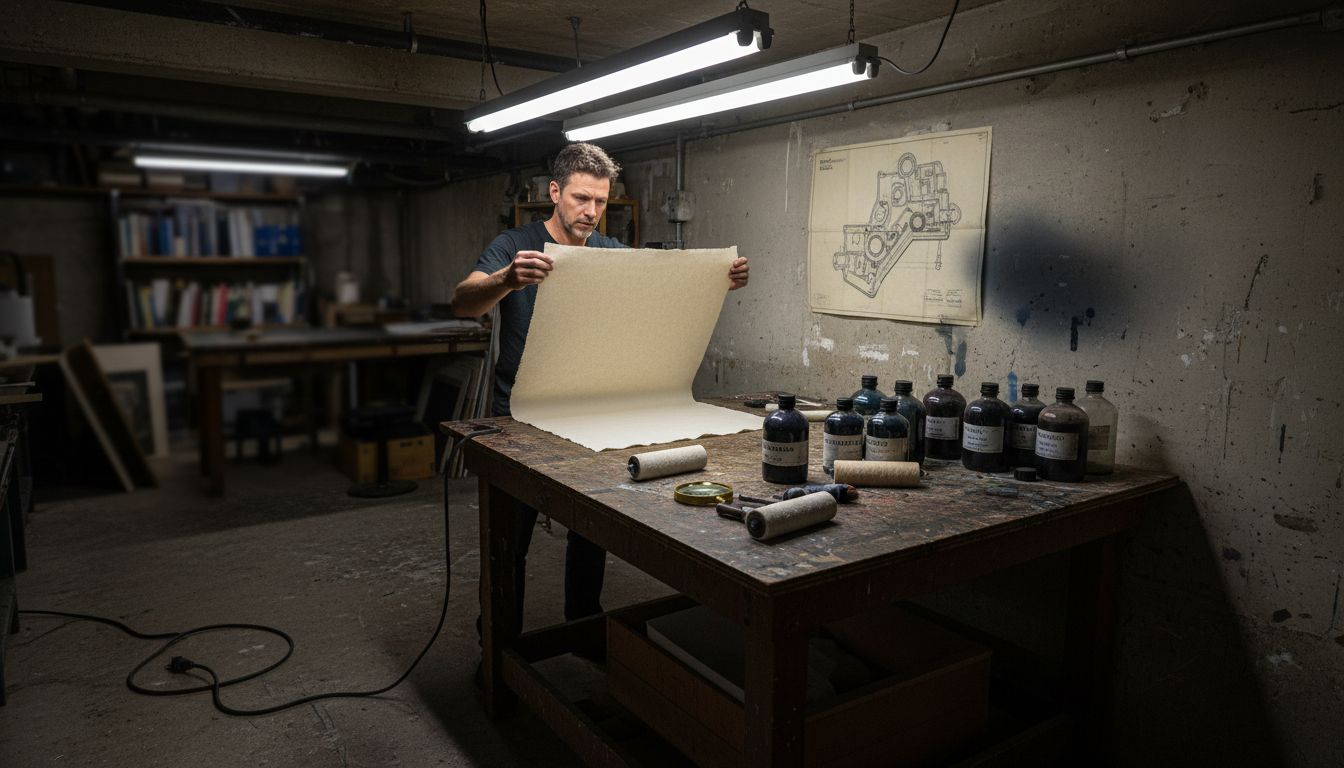
Pro Tip: Always verify that prints use pigment inks specifically labeled as archival quality. Request documentation about paper composition and ask whether materials meet ISO standards for lightfastness and longevity.
The weight and thickness of paper stock also matter significantly. Professional fine art papers typically weigh 200-400 gsm (grams per square meter), providing substantial feel and resistance to warping. Thinner papers lack durability and appear cheap by comparison.
When you choose art prints, understanding these technical specifications helps you evaluate quality claims. Manufacturers using genuine archival processes readily share detailed material information, while those cutting corners often provide vague descriptions.
Common Misconceptions About Fine Art Prints
Several persistent myths prevent buyers from making informed decisions about fine art prints. Clearing up these misunderstandings helps you recognize genuine quality and avoid disappointing purchases.
-
All printed artwork qualifies as fine art: The fine art designation requires specific materials, processes, and standards that commercial printing ignores completely.
-
Fine art prints cost prohibitively: While original paintings command high prices, quality prints offer accessible entry points starting from modest budgets without sacrificing longevity.
-
Inkjet printing always means low quality: Consumer-grade inkjet printers produce inferior results, but professional giclée equipment creates museum-quality reproductions.
-
Framing choices barely affect longevity: Improper framing accelerates deterioration through UV exposure, humidity, and acid transfer from cheap materials.
-
Limited customization options exist: Modern printing technology enables extensive personalization including size adjustments, color modifications, and format changes.
The confusion between commercial prints and fine art prints causes many buyers to overpay for mediocre quality or dismiss excellent options as inadequate. Commercial printing prioritizes speed and cost reduction, sacrificing materials and processes that ensure lasting quality. Fine art printing inverts these priorities, focusing on longevity and faithful reproduction regardless of additional expense.
Another common mistake involves assuming fine art prints must reproduce famous paintings or photographs. Contemporary artists create original digital artwork specifically designed for fine art printing, expanding options beyond traditional reproductions. These pieces offer unique aesthetics while maintaining the same archival standards.
The price differential between fine art and commercial prints reflects genuine production cost differences rather than arbitrary markup. Archival materials, slower printing speeds, and quality control measures increase expenses that serious producers cannot avoid.
Comparison Framework: Fine Art Prints vs Commercial Prints
Direct comparison reveals the substantial differences between fine art and commercial printing methods, materials, and results.
| Feature | Fine Art Prints | Commercial Prints |
|---|---|---|
| Ink Type | Archival pigment inks | Dye-based inks |
| Paper Quality | Acid-free cotton or rag | Standard wood pulp paper |
| Edition Size | Limited, numbered editions | Unlimited production runs |
| Longevity | 75-200+ years | 5-25 years |
| Resolution | 1440-2880 dpi minimum | 300-720 dpi typical |
| Color Accuracy | 98%+ to original | 70-85% approximation |
| Artist Involvement | Direct approval/supervision | None |
These technical differences translate into practical outcomes you notice immediately and over time. Fine art prints maintain color vibrancy and detail sharpness for decades, while commercial prints fade noticeably within years. The initial cost difference becomes negligible when calculated across the lifespan of each print type.
Consider these factors when choosing between print types:
- Intended display duration and location conditions
- Importance of color accuracy for the specific artwork
- Budget constraints versus long-term value considerations
- Desired exclusivity and collectibility characteristics
Pro Tip: For spaces receiving significant natural light or high-traffic areas, prioritize archival materials regardless of budget. The replacement costs and visual degradation of commercial prints quickly exceed initial savings.
The exclusivity factor carries particular weight for collectors and design professionals. Limited editions maintain value and significance that unlimited reproductions inherently lack. When you invest in art prints with proper provenance and edition numbers, you acquire pieces with genuine collectibility.
Commercial prints serve specific purposes like temporary displays or high-turnover environments where longevity matters less. However, for permanent installations in homes or professional spaces, the superior performance of fine art prints justifies the investment comprehensively.
Applying Fine Art Prints in Interior Design: Selection and Customization
Successfully integrating fine art prints into interior spaces requires thoughtful consideration of customization options, design harmony, and practical requirements. Modern printing capabilities enable extensive personalization that helps artwork complement existing aesthetics perfectly.
Customization options transform standard prints into bespoke design elements:
- Size adjustments to fit specific wall dimensions and spatial proportions
- Framing selections matching existing trim, furniture, and architectural details
- Color palette modifications to coordinate with room schemes
- Format changes between portrait, landscape, and square orientations
- Material choices affecting texture and light reflection properties
Matching print characteristics to space requirements ensures visual success. Large, open areas accommodate oversized statement pieces that would overwhelm smaller rooms. Intimate spaces benefit from smaller prints arranged in galleries or groupings. Lighting conditions influence color choices, with naturally lit rooms showcasing vibrant hues while artificial lighting may require adjustments.
Framing decisions profoundly impact both artwork protection and aesthetic integration. Custom art prints benefits extend beyond mere sizing to include frame styles that enhance rather than compete with the artwork. The framing art guide principles apply equally to residential and commercial installations.
Research demonstrates tangible benefits beyond aesthetics. Fine art prints can increase commercial property value by up to 15% and improve ambiance, benefiting client satisfaction and homeowner enjoyment. This value appreciation reflects how quality artwork elevates perceived space quality and creates memorable environments.
Real applications span diverse settings. Residential living rooms anchor around large statement prints creating focal points. Office reception areas establish brand identity through carefully selected artwork. Hospitality venues use print series to maintain visual consistency across multiple spaces. Healthcare facilities employ calming imagery to reduce patient stress.
Balancing budget against customization goals requires strategic prioritization. Invest heavily in high-visibility pieces while selecting ready-made options for secondary locations. The flexibility to customise wall art enables phased implementation matching budget availability.
Care, Maintenance, and Longevity of Fine Art Prints
Proper preservation practices ensure fine art prints maintain their beauty and value throughout their extended lifespan. While archival materials provide inherent durability, environmental factors and handling practices significantly influence actual longevity.
Essential protection measures include:
- UV-protective glazing blocks 97-99% of harmful ultraviolet light that causes fading
- Acid-free matting prevents chemical migration that yellows prints over time
- Sealed backing boards exclude dust, insects, and environmental pollutants
- Proper spacing between glass and print surface prevents moisture condensation
- Climate-controlled environments maintaining 40-50% relative humidity
Direct sunlight represents the primary threat to print longevity regardless of ink quality. Even archival pigments degrade when exposed to intense UV radiation for extended periods. Position artwork away from windows receiving direct sun or install UV-filtering window treatments.
Humidity extremes cause paper dimensional changes leading to warping, cockling, or worse deterioration. Excessive moisture promotes mold growth while extreme dryness makes paper brittle. Maintaining stable humidity levels prevents these structural problems entirely.
Pro Tip: Use museum-grade materials exclusively for framing valuable prints. The modest additional cost provides vastly superior protection compared to standard framing supplies. Consult professional framers experienced with archival techniques for optimal results.
Regular maintenance routines extend print life significantly:
- Dust frames gently using microfiber cloths monthly
- Inspect for signs of moisture, insect activity, or backing deterioration annually
- Check hanging hardware for secure attachment preventing falls
- Rotate display locations if some areas receive more light exposure
The framing art for preservation guidelines provide comprehensive instructions for protecting your investment. Following these practices ensures prints remain vibrant and structurally sound for generations.
Avoiding common mistakes prevents avoidable damage. Never use adhesive tapes directly on prints, as they cause permanent staining and paper damage. Avoid hanging prints in bathrooms or kitchens where humidity and temperature fluctuate dramatically. Refrain from touching print surfaces with bare hands, as skin oils transfer and attract dirt.
When properly cared for using archival framing and appropriate display conditions, fine art prints easily outlast their owners. Many museum collections contain prints exceeding 150 years old that remain in excellent condition through consistent preservation practices.
Enhance Your Space with Custom Fine Art Prints from FrameTheWorld
Transform your interior vision into reality with custom fine art prints tailored specifically to your space requirements and aesthetic preferences. FrameTheWorld combines archival quality materials with extensive customization options, enabling you to create truly unique wall art that reflects your personal style. Our wall art selection guide walks you through the selection process, while our expert framing guide ensures your prints receive museum-quality presentation and protection for lasting beauty.
Frequently Asked Questions About Fine Art Prints
What materials define a fine art print?
Fine art prints use archival pigment inks rated for 75+ years of lightfastness combined with acid-free cotton or rag papers meeting museum preservation standards. Artist involvement, limited editions, and quality control distinguish them from commercial reproductions.
How long do fine art prints typically last?
Properly produced fine art prints using archival materials last 75-200 years when displayed under appropriate conditions with UV-protective glazing. Commercial prints using dye inks fade noticeably within 5-25 years regardless of care.
Can I customize a fine art print to fit my space?
Modern printing technology enables extensive customization including size adjustments, color modifications, framing options, and format changes. These personalization options help prints integrate seamlessly with existing interior design schemes.
Are fine art prints expensive compared to commercial prints?
Initial costs run higher for fine art prints due to archival materials and production standards, but superior longevity provides better long-term value. The price difference becomes negligible when calculated across decades of display versus frequent replacements.
How do I properly care for fine art prints?
Use UV-protective glazing, acid-free matting, and sealed backing when framing prints. Display away from direct sunlight and maintain stable humidity at 40-50%. Dust gently monthly and inspect annually for signs of deterioration.


Leave a comment
This site is protected by hCaptcha and the hCaptcha Privacy Policy and Terms of Service apply.