
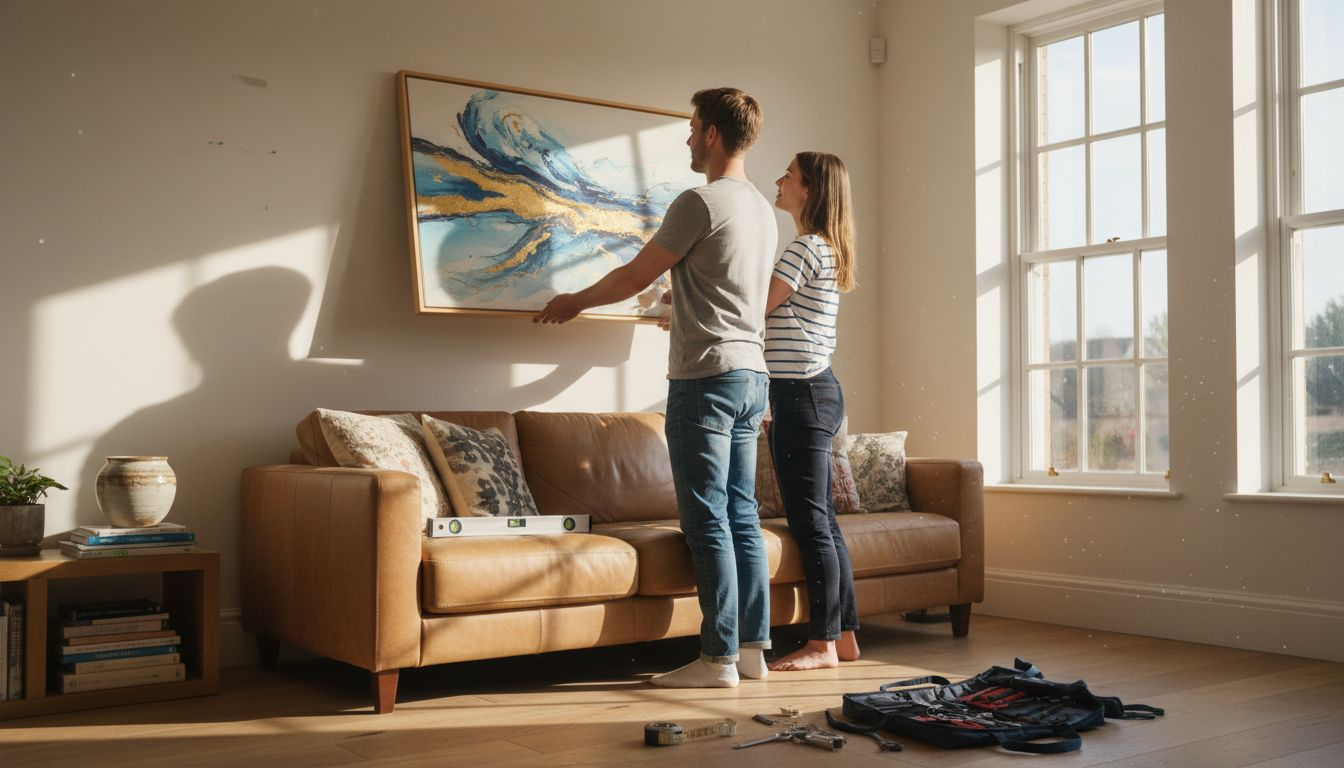
Choosing bespoke wall art can feel daunting when balancing personal style with the unique demands of a British home or commercial space. Your walls are more than just architectural boundaries—they shape atmosphere and reflect identity. Thoughtfully tailored artwork transforms interiors by introducing harmony through spatial composition principles and adding emotional resonance. This guide empowers you to assess your environment, select the perfect format, and personalise every detail for a truly distinctive result.
Table of Contents
- Step 1: Assess Your Space and Style Needs
- Step 2: Choose Your Artwork Format and Size
- Step 3: Customise Art Details and Personalisation
- Step 4: Review and Approve the Bespoke Design
- Step 5: Install and Display Your Bespoke Wall Art
Quick Summary
| Key Point | Explanation |
|---|---|
| 1. Assess Your Space and Style | Evaluate wall dimensions and existing decor to guide artwork choices. Factors like colour and room architecture matter. |
| 2. Choose Artwork Size Wisely | Select size and format carefully to enhance room dynamics. Sizes should align with wall space, ensuring balanced visual impact. |
| 3. Personalise Your Art | Customise elements like colours and materials to reflect your unique style and story, enhancing the piece’s significance. |
| 4. Review Artwork Thoroughly | Conduct a meticulous review to ensure the final piece meets your expectations and aligns with your vision. |
| 5. Install Artwork Correctly | Pay attention to installation techniques and proper placement for maximum aesthetic effect in your space. |
Step 1: Assess Your Space and Style Needs
Creating bespoke wall art begins with a thoughtful assessment of your specific environment and personal aesthetic. Understanding the spatial dynamics and design vision for your room will guide every subsequent decision in crafting the perfect artwork.
To successfully evaluate your space, start by conducting a comprehensive visual survey. Measure the precise dimensions of your wall, considering factors like room height, available hanging space, and surrounding furniture. Principles of spatial composition play a critical role in determining how artwork will interact with your environment. Pay attention to these key elements:
- Colour palette of existing furnishings and wall surfaces
- Natural and artificial lighting conditions
- Room’s architectural characteristics
- Desired emotional atmosphere
- Scale and proportion relative to surrounding elements
Your artwork should harmonise with the room’s existing design language while also introducing visual intrigue. Consider how the piece will create balance through positive and negative spatial relationships, ensuring it enhances rather than overwhelms the space.
Effective wall art transforms a room from merely functional to deeply personal and visually compelling.
Practical considerations matter as much as aesthetic choices. Evaluate wall strength, potential mounting requirements, and visibility from different angles. Some spaces demand bold, statement pieces, while others benefit from more subtle, nuanced artworks.
Expert recommendation: Photograph your space and create a digital mockup to visualise potential artwork placements before making a final selection.
Step 2: Choose Your Artwork Format and Size
Selecting the ideal artwork format and size is crucial in creating a stunning visual statement that perfectly complements your space. Your choice will dramatically influence the room’s overall aesthetic and emotional impact.
Begin by understanding how key elements of artistic composition determine the effectiveness of your wall art. Artwork size and format are not merely aesthetic decisions but strategic choices that can transform a room’s perception and atmosphere. Consider these fundamental approaches:
- Large format pieces create dramatic focal points
- Smaller artworks work brilliantly for gallery-style arrangements
- Vertical formats enhance ceiling height perception
- Horizontal formats can visually widen a space
The right artwork size can dramatically alter a room’s spatial dynamics and emotional resonance.
Practical considerations are equally important. Measure your wall space precisely, accounting for furniture placement and architectural features. A useful technique is using painter’s tape to outline potential artwork dimensions directly on the wall, allowing you to visualise the final placement.
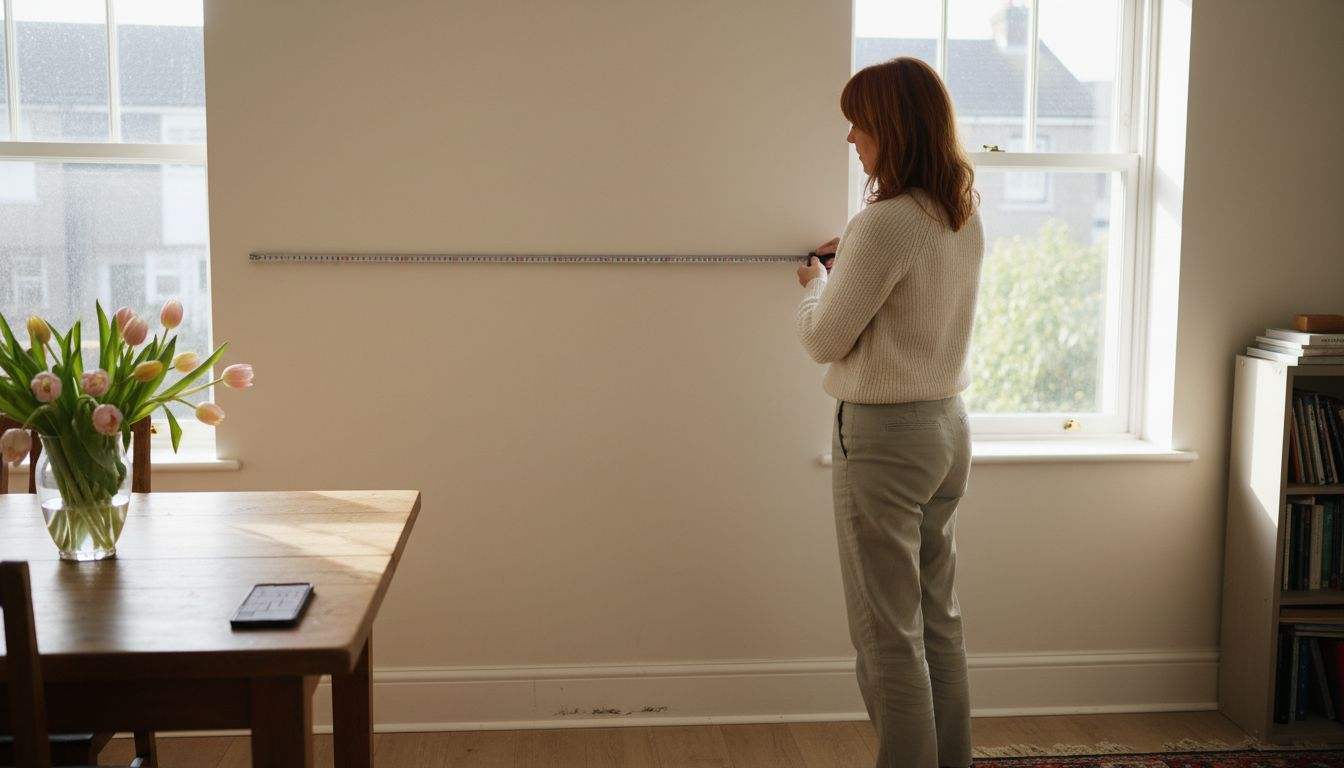
Remember that scale matters immensely. Oversized artwork can overwhelm smaller rooms, while tiny pieces might look lost in spacious areas. The general design rule suggests artwork should cover approximately two-thirds to three-quarters of the available wall space.
Here’s how different artwork formats influence room perception:
| Format Type | Visual Effect | Best For |
|---|---|---|
| Large Statement | Creates strong focal point | Spacious, main walls |
| Small Cluster | Adds intimacy and interest | Corridors, gallery walls |
| Horizontal Piece | Expands room width visually | Living rooms, long walls |
| Vertical Piece | Enhances sense of room height | Entryways, narrow spaces |
Expert suggestion: Take a photograph of your space and use digital editing tools to experiment with different artwork sizes and formats before making a final purchase.
Step 3: Customise Art Details and Personalisation
Personalising your wall art transforms a generic piece into a meaningful expression of your unique style and narrative. Bespoke art creation offers an opportunity to craft something truly extraordinary that resonates with your personal aesthetic and space.
The personalisation journey involves multiple creative dimensions. Consider these key customisation approaches:
- Colour palette matching your room’s existing scheme
- Material selection reflecting personal texture preferences
- Unique finishing techniques that add depth and character
- Incorporating personal symbolism or meaningful imagery
- Commissioning original artwork from local artists
Personalised art is more than decoration – it’s a narrative of your individual journey and emotional landscape.
Consulting with artists allows you to translate your vision into a tangible piece. Interior design personalisation is about creating spaces that authentically reflect your lifestyle, values, and personal history.
Technical considerations matter as much as aesthetic choices. Discuss mounting options, material durability, and potential environmental interactions with your chosen artist. Collaborative design ensures the final artwork meets both artistic and practical requirements.
A summary of practical versus aesthetic considerations when customising wall art:
| Consideration Type | Examples | Importance for Outcome |
|---|---|---|
| Practical | Mounting, durability | Ensures longevity and safety |
| Aesthetic | Colour, symbolism | Enhances personal connection |
| Technical | Materials, finishes | Affects texture and appearance |
Expert suggestion: Collect visual references, mood boards, and personal artefacts to help artists understand your precise creative vision.
Step 4: Review and Approve the Bespoke Design
The review and approval stage represents a critical moment in your bespoke wall art journey, where your artistic vision transforms from concept to potential reality. Design approval workflows provide a structured approach to ensuring your artwork meets every expectation.
During the review process, focus on these key evaluation criteria:
- Colour accuracy compared to initial specifications
- Compositional alignment with your space
- Texture and material quality
- Technical execution of design details
- Overall emotional resonance with your original vision
A meticulous review ensures your bespoke artwork becomes a true reflection of your personal aesthetic.
Engaging in professional artwork evaluation requires clear communication and constructive feedback. Request digital mockups or physical samples that allow you to assess the artwork from multiple perspectives. Pay close attention to how the piece interacts with lighting, surrounding décor, and the room’s architectural characteristics.
Critical review steps involve examining the artwork’s technical specifications alongside its emotional impact. Do not hesitate to request modifications that align the piece more closely with your original concept. Collaborative refinement is key to achieving the perfect bespoke artwork.
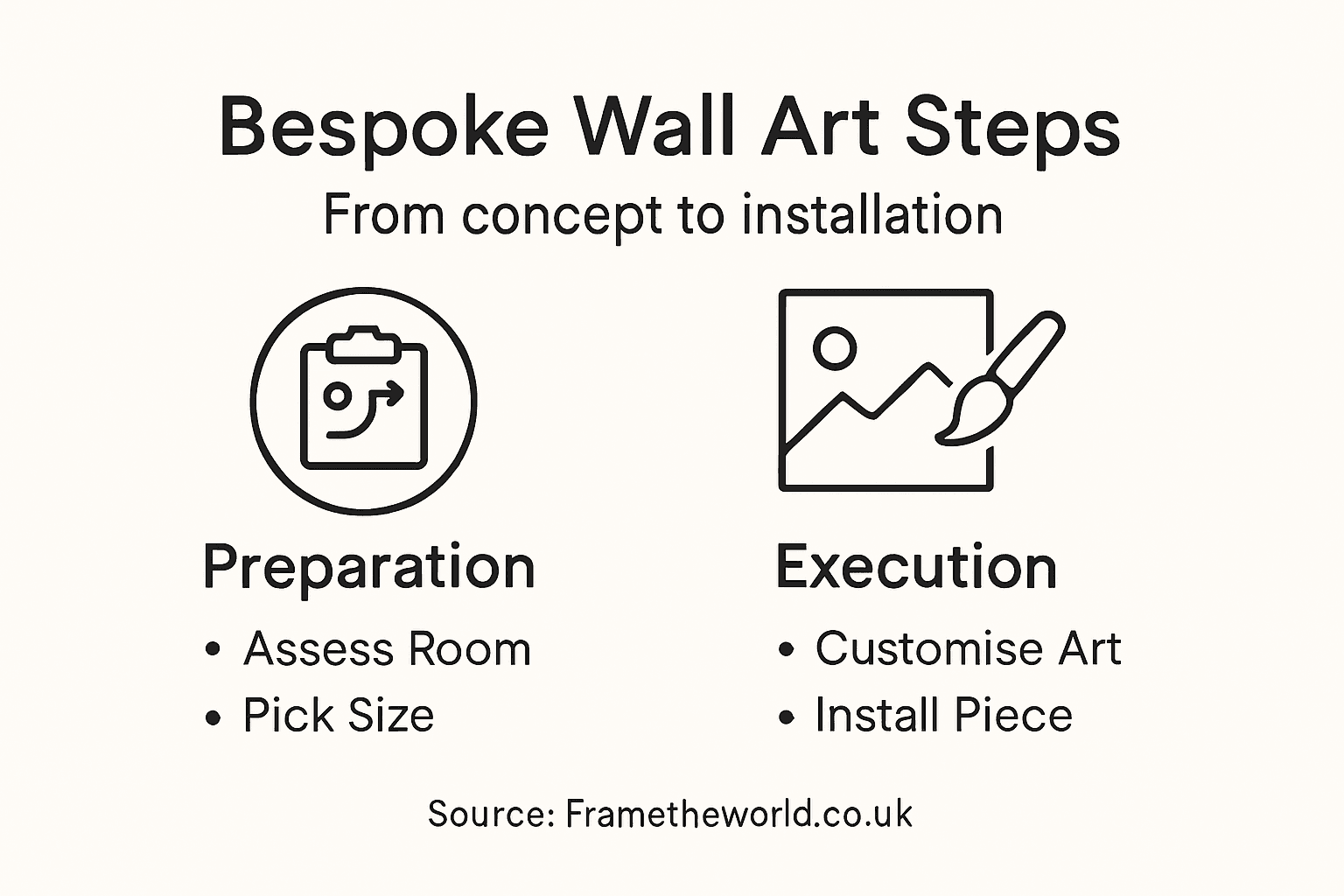
Expert suggestion: Create a detailed checklist of your design expectations before the review to ensure comprehensive and objective evaluation.
Step 5: Install and Display Your Bespoke Wall Art
Successfully installing your bespoke wall art transforms your meticulously crafted piece from concept to stunning visual reality. Art installation techniques require precision, care, and strategic planning to ensure your artwork achieves maximum aesthetic impact.
Prepare for installation by gathering these essential tools:
- Spirit level
- Electric drill
- Appropriate wall anchors
- Measuring tape
- Pencil for marking
- Protective gloves
- Soft cleaning cloth
Proper installation is the final brushstroke that completes your artistic vision.
Follow preservation standards to protect your investment. Careful wall preparation is crucial - ensure the surface is clean, dry, and structurally sound before mounting. Consider the artwork’s weight, using robust fixings that match both the wall type and piece’s specifications.
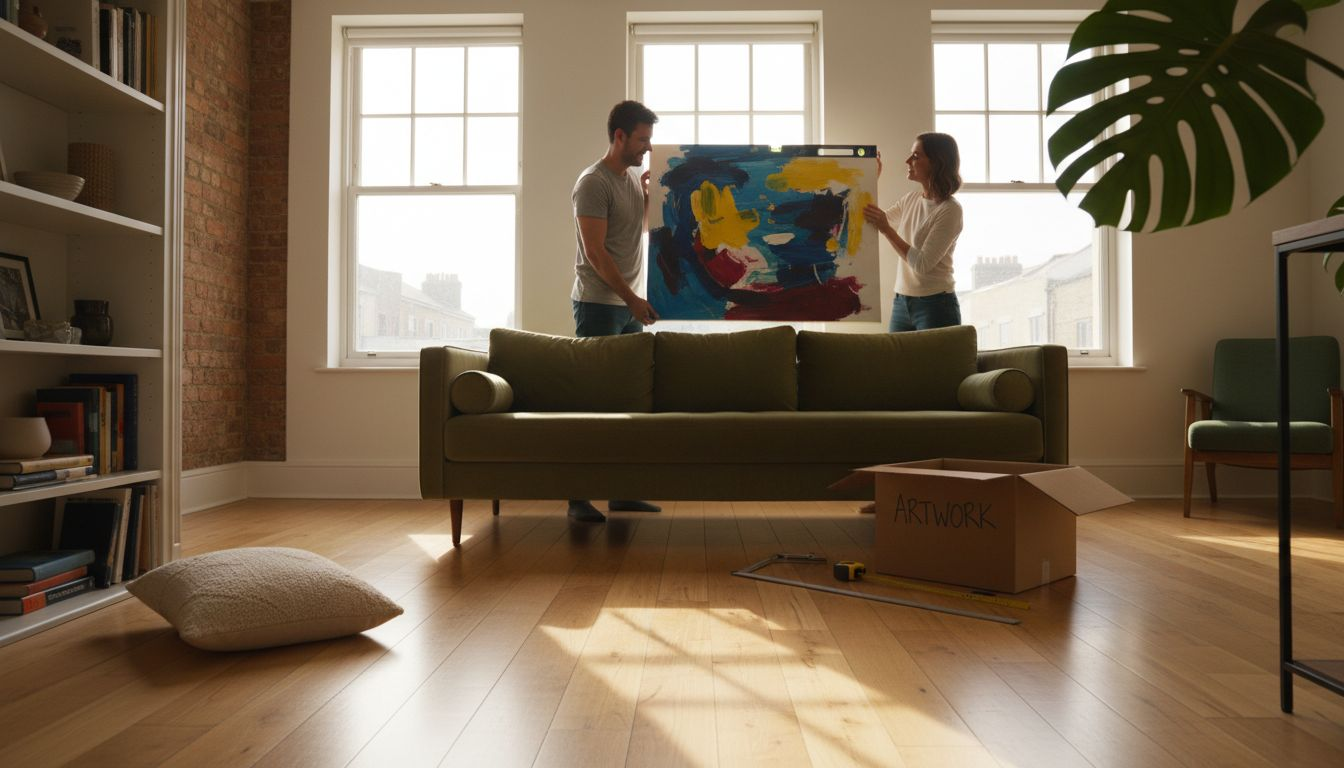
Location matters immensely. Position your artwork at eye level, typically around 145-152 centimetres from the floor, accounting for furniture placement and room flow. Lighting considerations can dramatically enhance your artwork’s presentation, so experiment with ambient and directional lighting to create the perfect visual effect.
Expert suggestion: Use removable adhesive tape to create a precise template of your artwork’s positioning before drilling, minimising potential wall damage.
Transform Your Space with Bespoke Wall Art Solutions
Finding the perfect wall art that truly resonates with your personal style and fits your room can feel overwhelming. This guide breaks down the essential steps to assess your space, select the right format and size, and customise every detail for a unique artistic statement. If you have struggled with creating balance, matching your colour palette, or envisioning how different artwork will look on your walls, Frametheworld.co.uk offers tailored solutions that turn your vision into reality.
Explore our curated collections, including the timeless Wabi Sabi Wall Art – Hand‑Painted Abstract Texture & Imperfection or discover inspiring options with Vertical Wall Art – Hand-Painted Modern Art Pieces. These selections are crafted to help you achieve the ideal scale and emotional impact discussed in the article. Plus, if you want something truly personalised, take advantage of Frametheworld’s bespoke services to collaborate on artworks designed specifically for your environment.
Start transforming your walls today with confidence by visiting Frametheworld.co.uk. Bring your space to life with art that combines quality craftsmanship, thoughtful design, and personal meaning. Don’t wait until the perfect piece slips away—explore your options now and create the captivating atmosphere your home deserves.
Frequently Asked Questions
How do I assess my space for bespoke wall art?
To assess your space, measure your wall dimensions, considering factors like height and surrounding furniture. Visualise how the artwork will interact with your existing colour palette and lighting before making further decisions.
What is the best size for bespoke wall art?
The best size for bespoke wall art depends on the room’s scale; artwork should typically cover two-thirds to three-quarters of the wall space to create the right balance. Use painter’s tape to outline dimensions on the wall for a clear visual reference.
How can I personalise my wall art effectively?
You can personalise your wall art by matching the colour palette to your room and incorporating meaningful symbols or imagery. Collect visual references and personal artefacts to help articulate your unique vision to the artist.
What should I look for during the review process of my bespoke artwork?
During the review process, evaluate the colour accuracy, compositional alignment, and the overall emotional resonance of the artwork. Clear communication and constructive feedback are essential for ensuring the artwork reflects your initial vision.
How can I ensure proper installation of my bespoke wall art?
To ensure proper installation, gather tools such as a spirit level and appropriate wall anchors, and prepare the wall surface beforehand. Position the artwork at eye level, around 145-152 centimetres from the floor, for optimal visual impact.

Leave a comment
This site is protected by hCaptcha and the hCaptcha Privacy Policy and Terms of Service apply.