
TL;DR:
- Artwork selection for new developments should be integrated from the design stage, reflecting architectural context and community identity. Early collaboration with artists and careful planning for public art requirements enhance cultural vibrancy, property value, and community engagement. Properly scaled, colored, and thoughtfully chosen artwork creates a sense of place, accelerating sales and elevating development profiles.
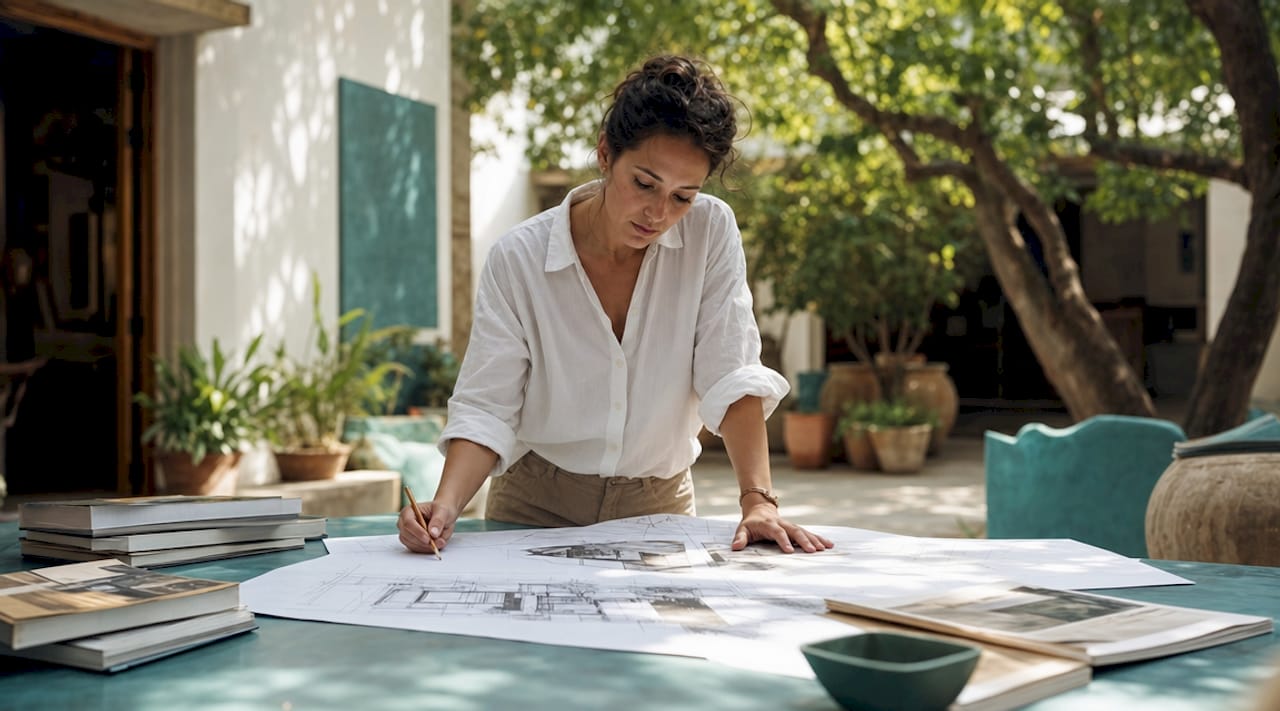
Artwork selection for new developments is defined by one principle: the best piece is the one that belongs to its space, not merely placed within it. Whether you are a homeowner personalising a new build or a developer curating an entire scheme, the decisions you make about art shape how people feel about a property long before they notice the finishes. Getting those decisions right means understanding architectural context, community identity, planning obligations such as Section 106, and the practical realities of scale, colour, and light. This guide covers every dimension of that process.
1. Tips for choosing artwork for new developments: start with context
The single most common mistake in artwork selection for new developments is treating art as decoration applied at the end of a project. Art chosen without reference to the building’s character, the surrounding neighbourhood, or the people who will live there tends to feel generic. It adds nothing to the story of the place.
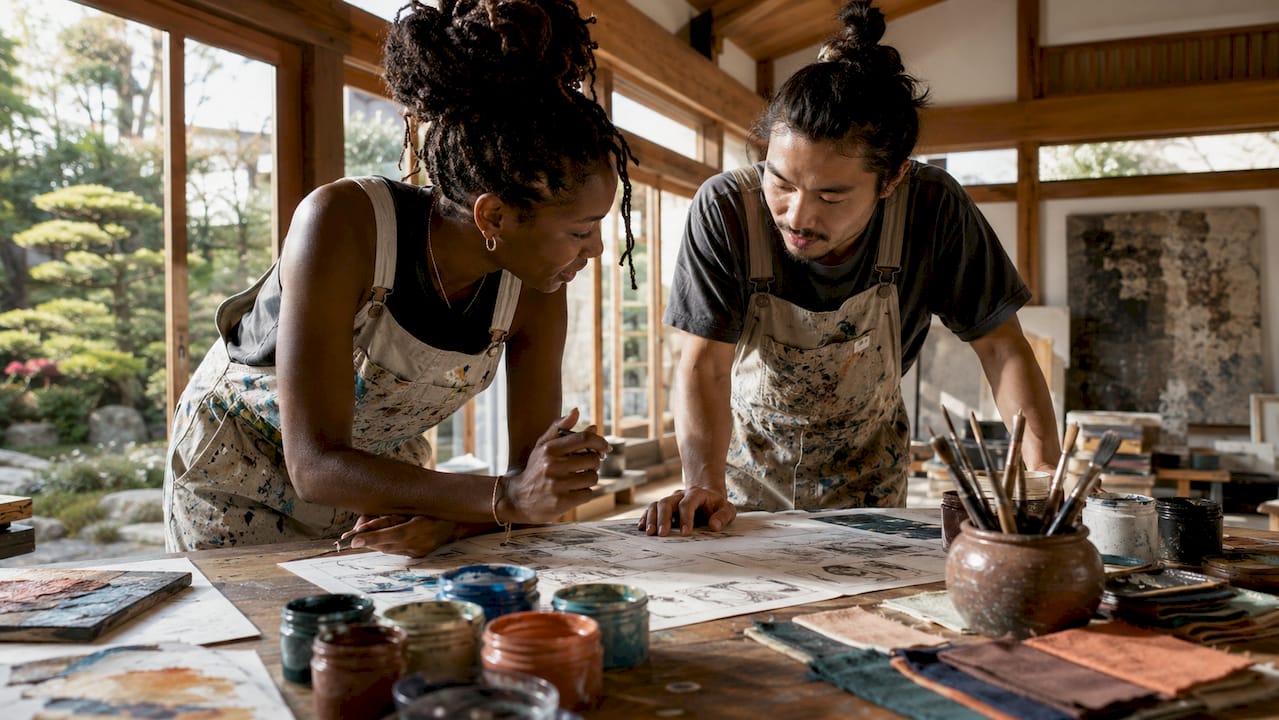
Before you browse a single image, ask three questions. What is the architectural language of the development? Who is the community this project serves? And what emotional response should the artwork produce? Answering these honestly gives you a brief that will guide every subsequent decision, from medium and scale to colour palette and artist selection.
Specialist intermediaries such as Artelier work with developers at this early stage to translate project goals into an art strategy. Their involvement is particularly valuable when public art is required under planning conditions, because they bring both curatorial expertise and procurement knowledge to the process.
2. Why early artist collaboration transforms development outcomes
Engaging artists early in the design process, rather than at the fit-out stage, transforms functional spaces into culturally vibrant ones with measurable social and economic benefits. When an artist understands the structural logic of a building, they can respond to it. The result is site-specific work that feels inevitable rather than incidental.
The ULI Art in Place project, which studied artist and developer collaborations across North America, identified shared vocabulary as one of the most critical success factors. Developers speak in timelines, costs, and specifications. Artists speak in concepts, materials, and intent. Building a shared language between these two worlds early on prevents costly misunderstandings later.
Practical steps for early collaboration include:
- Invite artists to attend design team meetings during the concept stage, not after planning approval
- Use an open call or competitive selection process, managed by a specialist intermediary if needed, to identify artists whose practice aligns with the project’s values
- Agree upfront on timelines, maintenance responsibilities, and what success looks like for the commission
- Involve the local community in the selection process to build genuine buy-in and cultural relevance
Pro Tip: If budget is limited, a single well-placed commission in a communal entrance or public-facing façade delivers more impact than several generic prints distributed across individual units.
3. How to comply with Section 106 public art requirements
Section 106 agreements in the UK frequently require developers to incorporate public art in major new developments through competitive selection processes aligned with heritage and community well-being. Failing to plan for this obligation from the outset can delay planning approval and increase costs significantly.
A compliant Section 106 public art strategy typically follows these steps:
- Form a multidisciplinary team including the lead architect, planning consultant, and an art specialist or intermediary at the earliest possible stage.
- Develop a public art strategy document that outlines the project’s cultural ambitions, proposed locations for artwork, indicative budget, and procurement approach.
- Issue an open artist call or managed competition to ensure transparency and quality. Artelier and similar intermediaries manage this process on behalf of developers, reducing procurement risk while ensuring regulatory approval.
- Shortlist and select through a panel that includes community representatives, the planning authority, and design team members.
- Manage delivery and installation with clear contractual terms covering fabrication, installation, insurance, and long-term maintenance.
| Stage | Key action | Who leads |
|---|---|---|
| Pre-planning | Develop art strategy | Developer and art consultant |
| Planning submission | Include public art brief | Planning consultant |
| Artist selection | Open call and shortlist | Intermediary or art specialist |
| Delivery | Fabrication and installation | Artist and project manager |
| Post-completion | Maintenance and documentation | Developer or management company |
Public art enhances community pride, well-being, and regeneration while raising a development’s profile and promoting inclusivity. For developers, this is not just a compliance exercise. It is a genuine opportunity to differentiate a scheme.
4. Selecting artwork that suits space, scale, and colour
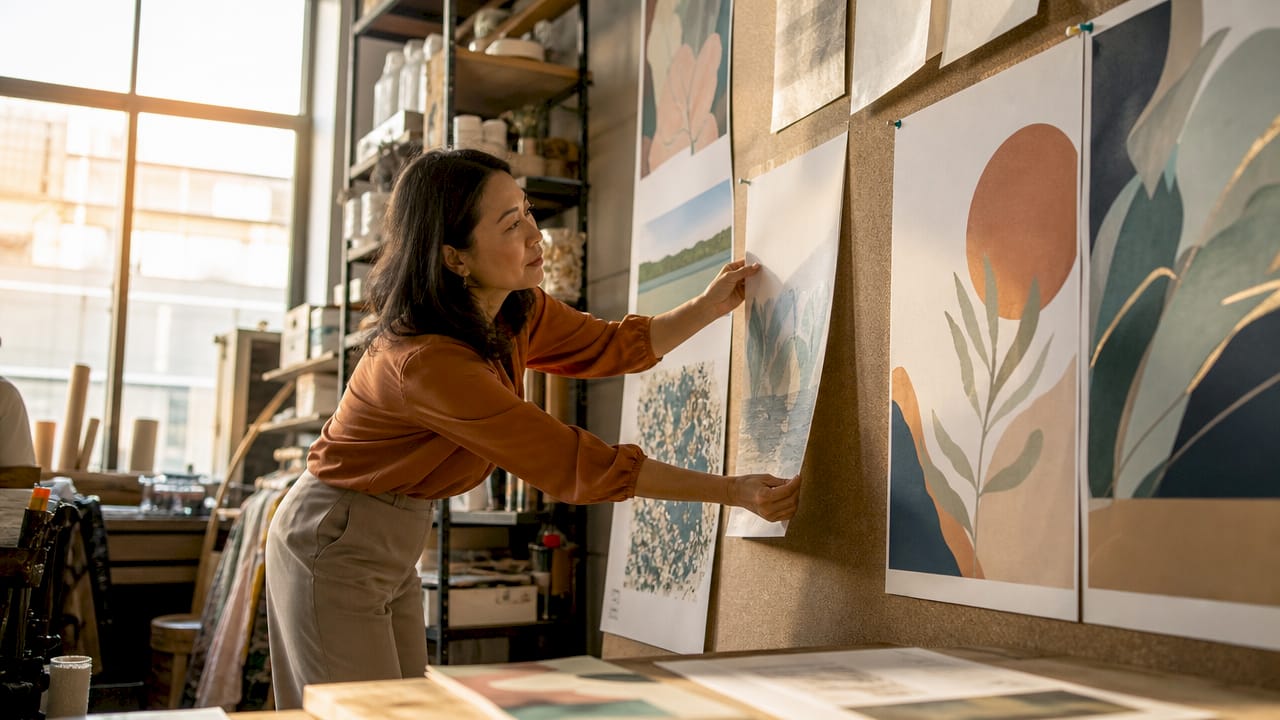
Proportion is the most underestimated factor in choosing art for spaces. Artwork should fill roughly two thirds to three quarters of the available wall space above furniture. A piece that is too small reads as an afterthought; one that is too large overwhelms the room and competes with the architecture rather than complementing it.
Colour is equally nuanced. Art need not match room colours precisely. The most successful pairings create a dialogue between the artwork and its environment, using accent tones from the room’s palette to generate interest without monotony. Attempting an exact match flattens the space and removes the visual tension that makes a room feel alive.
Key artwork selection tips for new homes:
- Assess natural light at different times of day before committing to a position. North-facing rooms with cool, consistent light suit works with warm tones; south-facing rooms can handle bolder, more saturated pieces
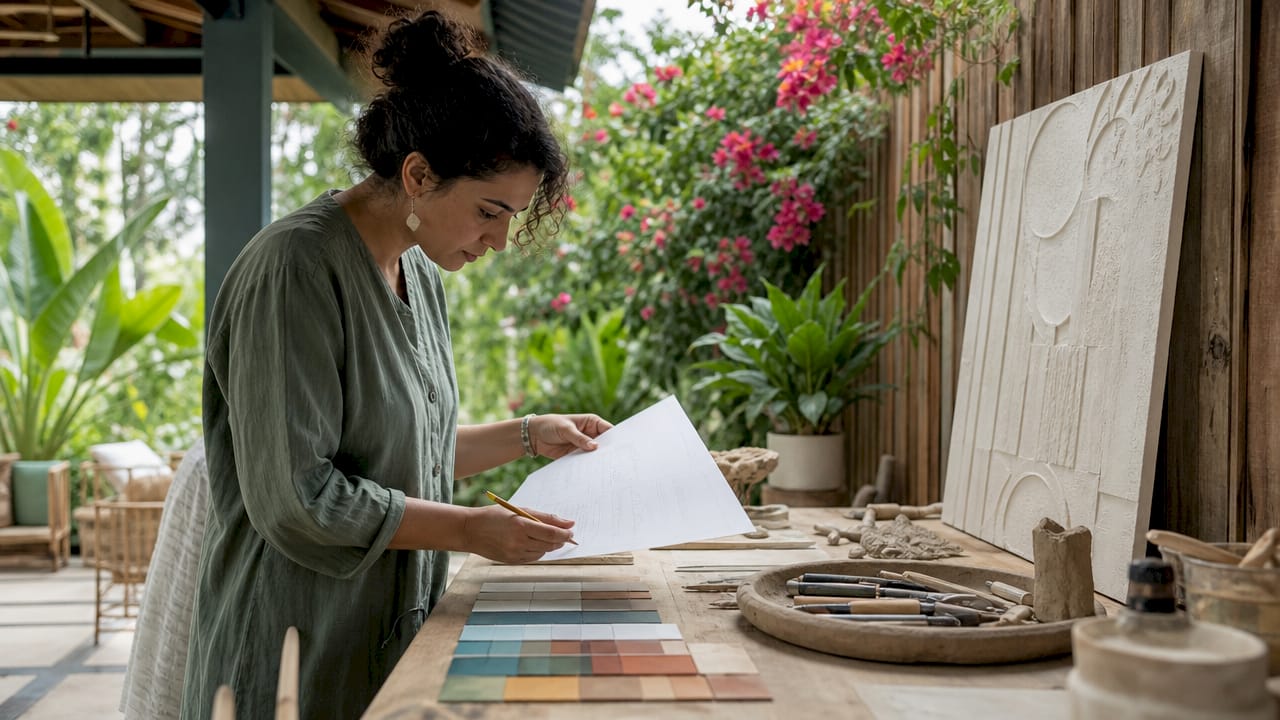
- Consider diverse art forms beyond canvas paintings. Sculptures, textured mixed-media pieces, and textile works add dimensional interest and prevent the over-curated uniformity that makes new builds feel like show homes
- Hang artwork at eye level, which is approximately 145 to 150 centimetres from floor to centre of the piece. Most people hang art too high
- In open-plan spaces, treat each functional zone as its own wall, selecting art that reinforces the purpose of that area rather than applying a single aesthetic across the whole floor
Pro Tip: For new build show homes, matching art with interiors works best when you select two or three accent colours from the soft furnishings and find artwork that contains at least one of them, rather than sourcing art first and decorating around it.
5. How artwork boosts marketability and community appeal
Property developments with integrated art spaces or curated displays achieve faster lease-ups and higher community engagement rates. The Monroe Street Market development in Washington DC is a frequently cited example: its artist-in-residence programme and curated public art contributed directly to increased cultural vibrancy and commercial performance. Art is not a soft benefit. It is a measurable driver of value.
The distinction between generic and site-specific art matters enormously here. Generic prints signal that a developer has treated art as a budget line item. Commissioned or locally sourced work signals investment in place and community. Buyers and renters notice the difference, even when they cannot articulate why.
| Approach | Community impact | Commercial impact |
|---|---|---|
| Generic decorative prints | Low engagement, no local connection | Minimal effect on sales velocity |
| Curated collections by local artists | Moderate engagement, cultural relevance | Moderate improvement in perception |
| Site-specific commissioned artwork | High engagement, strong identity | Faster sales, higher perceived value |
Choosing artwork that reflects local heritage or involves local artists strengthens community ties in ways that no amount of marketing copy can replicate. For developers working on regeneration schemes, this is particularly powerful. Art becomes part of the narrative of a place, and that narrative sells. Understanding art’s role in interior design is the starting point for making those decisions confidently.
6. Practical checklist for developers and homeowners
Effective artwork selection does not require an unlimited budget. It requires a clear process. The following checklist applies whether you are selecting a single piece for a new home or managing a public art programme across a large development.
- Set your budget early and protect it. Art budgets are frequently raided when construction costs overrun. Ringfencing the art allocation from the outset prevents this and signals to planning authorities that the commitment is genuine
- Establish a timeline that works backwards from completion. Commissioned works can take six to eighteen months to produce. If you begin the selection process at practical completion, you have already missed the window
- Live with artwork for several days in situ before finalising your choice. Digital previews are useful for shortlisting but they cannot replicate how a piece reads in natural light across a full day. This step prevents costly errors
- Mix price points deliberately. A single high-value commissioned piece in a prominent location, supported by more affordable prints or limited editions elsewhere, creates a coherent collection without requiring a gallery-level budget
- Use an art selection checklist to document decisions. Recording why each piece was chosen, where it will be placed, and how it will be maintained protects the integrity of the collection over time
- Invite community input where appropriate. For larger schemes, a public consultation on shortlisted artworks builds support and reduces the risk of negative responses post-completion
Pro Tip: When working with a tight budget, commissioning bespoke artwork for one or two focal points and supplementing with quality prints elsewhere is far more effective than spreading a modest budget thinly across every wall.
Key takeaways
Artwork selection for new developments succeeds when art is integrated from the design stage, scaled correctly to its space, and chosen to reflect the community it serves rather than simply filling a wall.
| Point | Details |
|---|---|
| Start with context | Define architectural character and community identity before selecting any artwork. |
| Engage artists early | Site-specific commissions require artist involvement at the concept stage, not at fit-out. |
| Plan for Section 106 | Public art obligations under Section 106 require a formal strategy, open selection, and specialist management. |
| Proportion and colour | Artwork should fill two thirds to three quarters of wall space and converse with room colours rather than match them. |
| Art drives value | Curated and commissioned art accelerates sales, strengthens community identity, and raises development profile. |
Why art selection deserves more than a last-minute decision
I have seen the consequences of treating artwork as an afterthought more times than I care to count. A developer completes a beautifully designed scheme, the interiors are polished, the landscaping is considered, and then someone orders a batch of generic prints from a catalogue two weeks before the show home opens. The result is a space that looks finished but does not feel inhabited. Buyers walk through and something is slightly off, even if they cannot name it.
The uncomfortable truth about artwork selection for new developments is that it requires the same rigour as any other design decision. That means starting early, being specific about what you want the art to do, and resisting the temptation to match colours so precisely that the work loses all tension. The best art in a new home or development creates a moment of genuine surprise. It makes a room feel like it belongs to someone, or somewhere, specific.
I would also push back on the idea that public art obligations are a burden. Section 106 requirements, handled well, give developers a legitimate reason to commission something genuinely ambitious. Some of the most memorable residential schemes in the UK are remembered precisely because of their public art. That is not a coincidence.
The practical advice I return to most often is simple: give yourself time, involve the right people early, and resist the urge to play it safe. Safe art is forgettable art, and forgettable art does nothing for a development’s identity or its value.
— Lennard
How Frametheworld can help you choose the right art
Frametheworld offers curated collections designed specifically for contemporary interiors, including the Wabi Sabi wall art range of hand-painted abstract pieces that work particularly well in new build environments where texture and warmth are needed to soften clean architectural lines. For developments seeking bolder statement pieces, the Pop Art collection delivers high-impact works suited to communal areas and show homes. Frametheworld also offers bespoke and hand-painted options for clients who need artwork tailored to specific dimensions, colour schemes, or project briefs. Whether you are furnishing a single apartment or curating a full development, the platform makes it straightforward to find pieces that fit your space and your budget.
FAQ
What is Section 106 and how does it affect artwork in new developments?
Section 106 is a planning agreement in the UK that can require developers to fund or incorporate public art as a condition of planning consent. Compliance typically involves a competitive artist selection process managed by a specialist intermediary and aligned with local heritage and community well-being.
How early should artwork be selected for a new development?
Artwork should be considered at the concept and design stage, not at fit-out. Commissioned works can take six to eighteen months to produce, and early engagement allows art to be integrated with the architecture rather than applied as a cosmetic afterthought.
What size artwork is right for a new home?
Artwork should fill roughly two thirds to three quarters of the available wall space above furniture. Pieces that are too small look incidental; pieces that are too large compete with the room rather than complementing it.
Does artwork need to match the room’s colour scheme?
No. Art should create a dialogue with the room by picking up accent colours from soft furnishings or architectural details. Exact colour matching flattens the space and removes the visual interest that makes a room feel considered and alive.
Can artwork genuinely improve property sales?
Yes. Developments with curated or site-specific art achieve faster lease-ups and stronger community engagement. Art signals investment in place and creates emotional connection, both of which influence buyer and renter decisions.

Leave a comment
This site is protected by hCaptcha and the hCaptcha Privacy Policy and Terms of Service apply.