

Choosing art for your space often feels like a balancing act between style and conscience. Many eco-conscious homeowners and interior designers now demand wall art that reflects both aesthetic taste and genuine environmental responsibility. With growing awareness around issues such as the pollution caused by oil and acrylic paints, the search for truly sustainable alternatives has become essential. This guide breaks through common myths and explains what defines minimal environmental impact in modern wall art, so you can decorate with confidence and clarity.
Table of Contents
- Defining Sustainable Wall Art And Common Myths
- Main Types And Materials Used Today
- Key Environmental And Health Benefits
- Risks, Greenwashing, And How To Choose Wisely
- Alternatives To Traditional Wall Décor
Key Takeaways
| Point | Details |
|---|---|
| Sustainable Wall Art Meaning | It encompasses artworks with minimal environmental impact from production to disposal, focusing on responsible practices throughout the lifecycle. |
| Common Myths Debunked | Sustainable art is striking and not prohibitively expensive, and its environmental impact is substantial when considering material sourcing and lifecycle. |
| Material Awareness | Opt for natural, biodegradable, and locally sourced materials to reduce carbon footprint and promote ethical practices in art. |
| Beware of Greenwashing | Verify sustainability claims through direct inquiries about materials, sourcing practices, and certifications to avoid misleading products. |
Defining Sustainable Wall Art and Common Myths
Sustainable wall art goes beyond just using recycled paper or eco-friendly frames. It means choosing artworks created with minimal environmental impact throughout their entire lifecycle—from production to installation to eventual disposal.
True sustainable wall art considers several interconnected factors. The materials used, manufacturing processes, transportation methods, and the artist’s practices all matter equally. Many assume sustainability is simply about the final product, but the journey matters just as much.
What Makes Wall Art Sustainable?
Several key elements distinguish sustainable wall art from conventional options:
- Natural, non-toxic materials such as water-based inks, recycled paper, or sustainably sourced timber frames
- Local or regional production to reduce carbon footprint from shipping
- Minimal chemical use in printing and finishing processes
- Biodegradable or fully recyclable components that don’t harm ecosystems
- Ethical manufacturing practices ensuring fair wages and safe working conditions
- Artist accountability with transparent supply chains you can trace
Traditional paint media presents genuine environmental challenges. Oil and acrylic paints contain volatile organic compounds and synthetic pigments that release harmful emissions. This is precisely why many sustainable artists now explore natural alternatives like plant-based pigments and mineral dyes.
Debunking Common Myths
Myth 1: “Sustainable art can’t be beautiful or modern.”
False. Sustainable doesn’t mean compromising aesthetics. Contemporary artists prove daily that eco-conscious art rivals any conventional piece in visual impact and sophistication.
Myth 2: “It’s too expensive to buy sustainable wall art.”
Whilst some sustainable pieces cost more upfront, they often last longer and maintain their value. Plus, customisation options through platforms like Frametheworld allow you to balance budget with sustainability preferences—you choose the level of eco-consciousness that fits your situation.
Myth 3: “Sustainable art has no real environmental impact.”
This misses the larger picture. Art plays a genuine role in fostering environmental awareness and shifting how we live. Sustainable wall art isn’t just decoration; it’s a statement about the values you bring into your space.
Myth 4: “All eco-friendly materials are equal.”
They’re not. Greenwashing exists in the art world too. Always check production methods, certifications, and the artist’s actual practices—not just marketing claims.
Truly sustainable wall art combines environmental responsibility with artistic integrity. It’s not about being perfect; it’s about making intentional choices.
Pro tip: When browsing sustainable wall art options, ask sellers directly about materials, production location, and waste management practices. Transparent brands welcome these questions.
Main Types and Materials Used Today
Sustainable wall art today uses a diverse range of materials, each with distinct environmental benefits. Understanding what’s available helps you make informed choices that align with your values and aesthetic preferences.
The shift towards eco-conscious materials reflects both artist innovation and consumer demand. Rather than settling for conventional options, creators now have genuine alternatives that perform equally well whilst reducing environmental harm.
Plant-Based and Natural Fibres
Artists increasingly turn to natural materials that biodegrade safely. Recycled paper, bamboo, and organic cotton canvases eliminate reliance on synthetic substrates that persist in landfills for decades.
These materials offer practical advantages beyond their environmental credentials:
- Bamboo grows rapidly without pesticides or fertilisers, making it highly renewable
- Organic cotton canvases contain no harmful chemical treatments used in conventional textiles
- Hemp fabric requires minimal water compared to standard cotton
- Recycled paper stocks divert waste from landfills whilst reducing virgin fibre demand
- Cork backing provides a sustainable alternative to plastic or foam supports
Water-based inks complement these materials perfectly. Unlike petroleum-based inks, they contain no volatile organic compounds and wash out harmlessly during production.
Here’s a summary of popular sustainable wall art materials and their unique advantages:
| Material Type | Environmental Advantage | Artistic Benefit |
|---|---|---|
| Bamboo | Highly renewable, low pesticides | Distinctively textured look |
| Organic Cotton | No toxic treatments, compostable | Soft canvas finish |
| Hemp | Minimal water use, biodegradable | Durable and natural texture |
| Recycled Paper | Diverts landfill waste, reusable | Smooth and versatile surface |
| Cork | Renewable and recyclable | Natural, warm appearance |
Reclaimed and Upcycled Materials
Creative artists repurpose existing materials into striking wall art. Reclaimed wood frames, salvaged metal elements, and upcycled textiles reduce manufacturing waste significantly.
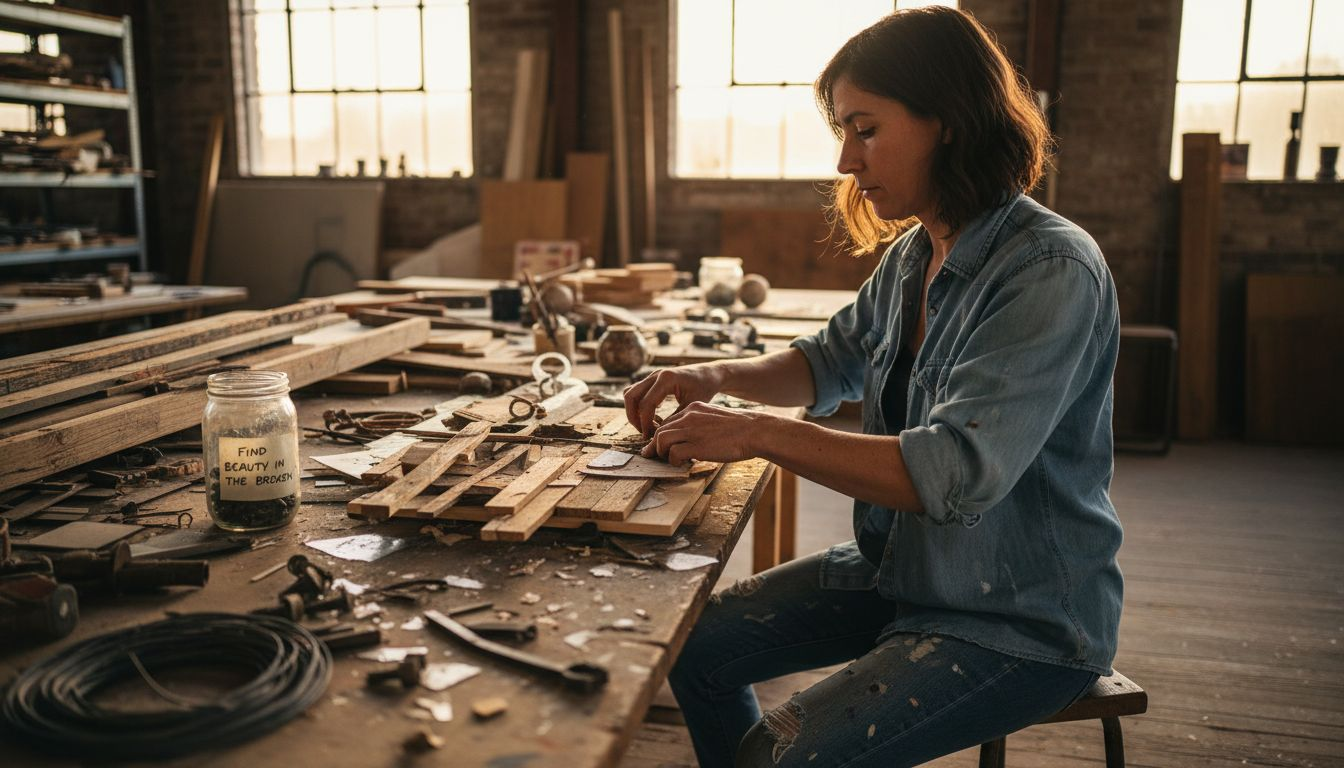
This approach offers something traditional production can’t deliver: genuine uniqueness. Each piece carries history and character whilst preventing perfectly usable materials from becoming waste.
Sustainable Printing Technologies
Sustainable art materials minimise carbon footprint and promote circular economy principles. Modern printing methods now match traditional techniques in quality whilst substantially reducing environmental impact.
Key innovations include:
- Digital printing with eco-friendly inks, eliminating screen waste
- Waterless printing processes that conserve thousands of litres of water per year
- Soy-based inks derived from renewable agricultural crops
- Cold-press techniques that reduce energy consumption
The best sustainable material is one you’ll treasure for decades. Longevity matters more than how eco-friendly the production was.
Choosing Materials for Your Space
Your choice depends on several factors: your budget, aesthetic preference, and which environmental aspects matter most to you. A sustainable frame made locally might outweigh a distant eco-certified canvas in terms of overall impact.
Frametheworld’s customisation options allow you to select specific materials, finishing techniques, and framing approaches that match your sustainability priorities. You’re not locked into predefined packages.
Pro tip: Request detailed material specifications from sellers before purchasing—ask about ink types, substrate sourcing, and manufacturing locations to verify genuine sustainability claims.
Key Environmental and Health Benefits
Choosing sustainable wall art isn’t just an aesthetic decision—it creates tangible environmental and health improvements in your home and beyond. The benefits ripple outward, affecting everything from indoor air quality to global resource consumption.
When you select sustainable options, you’re voting with your wallet for practices that genuinely matter. This isn’t marketing speak; the science backs it up.
Reduced Chemical Exposure Indoors
Conventional wall art often releases harmful chemicals into your living space. Traditional inks, synthetic dyes, and chemical-laden finishes off-gas volatile organic compounds (VOCs) that accumulate in closed indoor environments.
Sustainable materials like water-based inks and natural dyes eliminate chemical exposure, creating healthier indoor air. This matters especially for families with children, elderly relatives, or anyone with respiratory sensitivities.
The health improvements include:
- Better air quality throughout your home without synthetic off-gassing
- Reduced respiratory irritation from toxic fumes
- Fewer allergy triggers from chemical residues
- Improved sleep quality in bedrooms decorated with non-toxic pieces
- Peace of mind knowing your décor doesn’t compromise health
Environmental Impact Beyond Your Walls
Sustainable wall art reduces demand for resource-intensive production. When you buy pieces made from recycled materials or sustainably harvested sources, you prevent virgin resource extraction and the pollution that accompanies it.
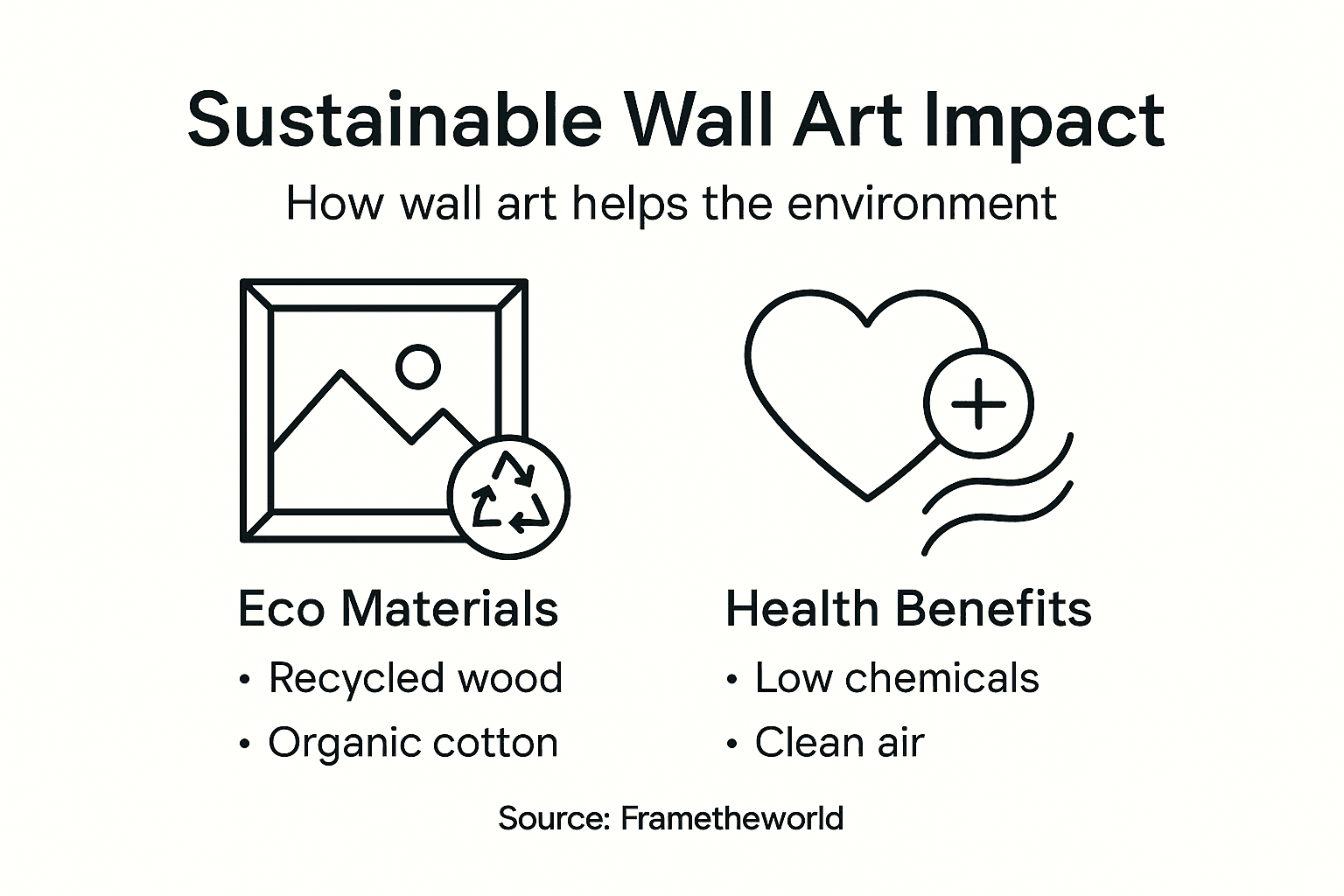
Less manufacturing waste means fewer toxins entering waterways and soil. Fewer transported goods means lower carbon emissions. These collective choices create measurable environmental improvement.
Psychological and Creative Benefits
Environmental art enhances creativity, personal development, and well-being whilst raising awareness about ecological responsibility. Living with sustainable wall art creates a visual reminder of your environmental values.
This psychological connection matters more than most people realise. Your surroundings influence your mindset and daily choices. Sustainable art reinforces commitment to living consciously.
Durability Equals Reduced Waste
Sustainable pieces typically outlast conventional wall décor. High-quality materials resist fading, maintain their integrity, and remain visually striking for decades rather than years.
When art lasts longer, you buy less frequently. Less consumption means less waste, less manufacturing, and less environmental footprint overall.
Sustainable wall art transforms your space into a healthier environment whilst reducing your ecological impact—two benefits that reinforce each other.
Pro tip: Choose pieces from artists who provide longevity guarantees or durability information—this signals confidence in their work and helps you invest in art that genuinely lasts.
Risks, Greenwashing, and How to Choose Wisely
Not all claims about sustainable wall art hold up under scrutiny. Greenwashing—marketing products as environmentally friendly when they’re not—thrives in the art world just like everywhere else. Learning to spot it protects both your wallet and your values.
The problem is real. Greenwashing poses genuine risks to consumer trust and brand reputation, and unfortunately, enforcement remains inconsistent across jurisdictions. You can’t always rely on labels or marketing claims alone.
Common Greenwashing Tactics in Wall Art
Watch out for these deceptive practices:
- Vague language like “eco-friendly” or “natural” without specific certifications
- Green packaging that disguises unsustainable production methods
- Hidden sourcing where companies refuse to disclose where materials come from
- Misleading certifications from obscure organisations without real environmental standards
- Single-attribute claims highlighting one green feature whilst ignoring harmful practices elsewhere
- False sustainability narratives that sound compelling but lack concrete evidence
The trickiest part? Some companies genuinely try to be sustainable but communicate poorly. Others deliberately deceive. You need a system to tell the difference.
How to Verify Genuine Sustainability
Ask direct questions before purchasing. Transparent sellers welcome scrutiny; greenwashers dodge it.
Key verification steps:
- Request specific material sourcing information and manufacturing locations
- Ask about certifications and which organisations issued them
- Inquire about waste management and chemical disposal practices
- Request proof of fair labour practices in production facilities
- Check whether the company provides environmental impact statements
- Look for third-party audits or independent verification
Accuracy of disclosure and responsible sourcing mitigate greenwashing risks significantly. Companies that disclose transparently tend to be genuinely committed.
Red Flags to Avoid
Seller won’t provide specific details about materials, manufacturing, or sourcing. That’s a major warning sign. Legitimate sustainable artists take pride in explaining their processes.
Customisation platforms like Frametheworld allow you to specify exactly what you want—materials, sourcing, finishing techniques. This transparency matters. The ability to choose specific components signals genuine flexibility rather than predetermined “sustainable” packages.
Greenwashing thrives on vagueness. Specificity is your best defence against misleading claims.
Building Your Verification Checklist
Before you buy, verify these essentials:
- Certifications from recognised organisations (FSC for wood, GOTS for organic cotton)
- Manufacturer transparency about production locations
- Clear explanation of what makes the piece sustainable
- Longevity guarantees showing confidence in durability
- Artist background and documented commitment to sustainable practices
Pro tip: Contact sellers with your sustainability questions in writing and keep their responses—documented evidence of their claims protects you if you later discover misleading marketing.
Alternatives to Traditional Wall Décor
Traditional wall décor—mass-produced prints, synthetic wallpapers, and chemically treated finishes—dominates high street shops. But plenty of compelling alternatives exist that offer better aesthetics, environmental credentials, and personal meaning.
Switching away from conventional options doesn’t mean sacrificing style. Modern sustainable alternatives often outperform traditional choices on every measure.
Eco-Friendly Wallpapers and Wall Coverings
Sustainable wall décor includes eco-friendly wallpapers made from recycled or organic materials. These alternatives eliminate the chemical fumes associated with vinyl wallpaper whilst maintaining visual impact.
Wallpapers from natural materials offer distinct advantages:
- Plant-based options using bamboo, grass, or cork that biodegrade safely
- Recycled paper stocks reducing virgin fibre demand significantly
- Non-toxic adhesives that don’t off-gas harmful chemicals
- Breathable surfaces preventing mould and moisture problems
- Easy removal without damaging walls or leaving toxic residue
These work beautifully as accent walls or full-room installations. The texture and depth rival conventional wallpaper whilst genuinely supporting sustainability.
Reclaimed Wood and Natural Panels
Reclaimed wood panels transform walls with authentic character and history. Unlike new timber, salvaged wood requires no additional forest harvesting and carries the warmth of repurposed materials.
Natural fibre wall hangings—woven textiles, macramé, and tapestries from organic cotton or hemp—add texture without toxic treatments. They’re lightweight, repositionable, and often handcrafted by artisans.
Compare traditional and sustainable wall décor approaches to see the differences:
| Décor Type | Typical Ingredients | Impact on Environment | Customisation Potential |
|---|---|---|---|
| Traditional Prints | Synthetic inks, plastics | High waste, chemical emissions | Limited, mass-produced |
| Eco-Friendly Wallpapers | Recycled fibre, plant adhesives | Reduced landfill, fewer toxins | High, unique patterns |
| Reclaimed Wood Panels | Salvaged timber | Preserves forests, minimises waste | Custom fit, authentic look |
| Natural Fibre Hangings | Organic cotton, hemp | Low impact, compostable | Colours, weaving styles |
Creative Non-Traditional Alternatives
Creative wall décor options include photographs, mirrors, accent panels, and 3D wall art that personalise spaces uniquely whilst maintaining lower costs. These choices work exceptionally well when sourced sustainably.
Consider these flexible approaches:
- Custom photography displays from your own images or ethical photographers
- Sustainable 3D panels made from recycled materials creating dimensional interest
- Reclaimed mirrors reflecting light whilst adding vintage appeal
- Natural fibre textiles functioning as functional art and insulation
- Living walls incorporating real plants for air purification and visual impact
Blending Alternatives Strategically
The most compelling interiors combine multiple approaches. A reclaimed wood feature wall paired with sustainable wallpaper accent sections and curated wall art creates layered visual interest.
Mix textures, materials, and styles intentionally. This prevents monotony whilst allowing you to showcase your environmental values through thoughtful design choices.
The best alternative to traditional wall décor isn’t a single product—it’s a combination reflecting your aesthetic whilst respecting environmental limits.
Pro tip: Layer sustainable wall treatments—use wallpaper on lower sections paired with artwork above for visual richness whilst minimising material waste and costs.
Discover Truly Sustainable Wall Art That Fits Your Values and Space
Choosing sustainable wall art means balancing environmental impact, material transparency, and lasting beauty. If you want to avoid greenwashing and select pieces made with care—from natural fibres to ethical production—you deserve options that put these commitments front and centre. Frametheworld.co.uk understands the challenge of finding genuine eco-conscious décor without sacrificing style or quality.
Explore our wide selection of high-quality artworks that allow you to customise everything from materials to framing techniques. Whether you prefer plant-based canvases, reclaimed frames, or water-based inks, you can create a personalised wall art experience that reflects your dedication to sustainability and health. Take control by browsing ready-to-buy collections or request bespoke pieces tailored for your home or commercial project.
Start your journey towards a healthier, more responsible living space today at Frametheworld. Make an informed choice with transparent sourcing and craftsmanship you can trust. Your walls can do more than decorate they can express your values too.
Frequently Asked Questions
What is sustainable wall art?
Sustainable wall art refers to artwork created with minimal environmental impact, using eco-friendly materials and practices throughout its lifecycle, from production to disposal.
Why should I choose sustainable wall art over traditional options?
Choosing sustainable wall art not only enhances your living space aesthetically but also contributes to better indoor air quality, reduces chemical exposure, and supports ethical manufacturing practices.
How can I identify genuine sustainable wall art?
To identify genuine sustainable wall art, look for specific materials, certifications, and transparent production practices. Ask sellers about sourcing, waste management, and their environmental impact statements.
What materials are commonly used in sustainable wall art?
Common materials for sustainable wall art include natural fibres like organic cotton and hemp, recycled paper, bamboo, and reclaimed wood, all of which have distinct environmental advantages and artistic benefits.
Recommended
- What Is Wall Art and Why It Matters
- Statement Wall Art: Transforming Modern Living Spaces
- 7 Innovative Wall Art Ideas 2026 for Urban Interiors
- Statement Wall Art: Transforming Every Living Space
- Cracks in Walls: Cosmetic or Structural Concern?
- Painter & Home Renovation in Belgium : Why Choose Eutradesmen?


Leave a comment
This site is protected by hCaptcha and the hCaptcha Privacy Policy and Terms of Service apply.