

Finding the perfect wall art can feel overwhelming when you want something that truly reflects your style. Modern wall art offers more than decoration, bringing a sense of bold expression and personality to British homes and projects. By focusing on artistic innovation and embracing contemporary movements, modern pieces help create living spaces that feel current, thoughtful, and uniquely yours.
Table of Contents
- Defining Modern Wall Art And Its Purpose
- Popular Styles And Artistic Movements
- Materials, Formats And Presentation Options
- Choosing The Right Piece For Your Space
- Common Mistakes And Practical Solutions
Key Takeaways
| Point | Details |
|---|---|
| Modern Wall Art as Expression | Modern wall art transcends mere decoration, serving as a powerful form of visual expression and dialogue within contemporary interiors. |
| Diverse Artistic Movements | Familiarity with key modern art movements allows individuals to curate pieces that reflect personal identity and emotional resonance. |
| Integration with Space | Wall art selection should harmonise with room purpose, dimensions, and design elements, enhancing the overall aesthetic narrative. |
| Avoiding Common Pitfalls | Awareness of common mistakes in wall art selection, such as size mismatches and poor placement, can help achieve a cohesive interior design. |
Defining Modern Wall Art And Its Purpose
Modern wall art represents far more than simple decorative elements - it’s a dynamic form of visual expression that transforms interior spaces through innovative design and powerful aesthetic statements. Modern artistic movements fundamentally challenge traditional artistic conventions by emphasising experimentation, abstraction, and emotional engagement.
At its core, modern wall art serves multiple critical purposes:
- Provokes intellectual and emotional responses
- Reflects contemporary social landscapes
- Transforms ordinary spaces into extraordinary environments
- Communicates personal identity and aesthetic sensibilities
Unlike traditional decorative pieces, modern wall art emerged as a radical departure from historical artistic styles. Artistic innovation became the primary driving force, with artists rejecting conventional representation in favour of more abstract, expressive forms. Modernist artistic approaches deliberately push boundaries, using unconventional materials and techniques to challenge viewers’ perceptions.
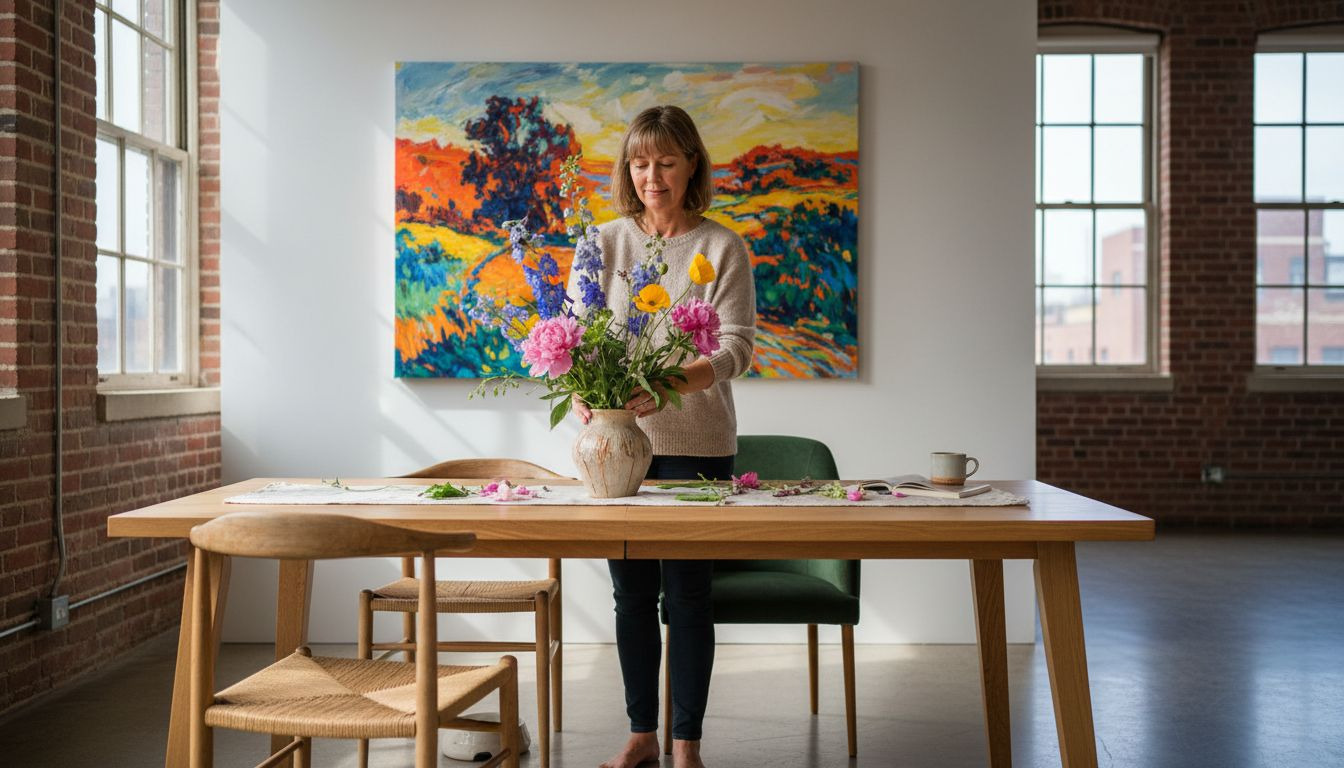
The purpose extends beyond mere aesthetic pleasure - modern wall art functions as a cultural dialogue, inviting viewers to engage with complex ideas and emotional landscapes. It transforms blank walls into narrative spaces that communicate personal stories, societal critiques, and individual perspectives.
Pro tip: When selecting modern wall art, choose pieces that resonate with your personal narrative and spark meaningful conversations in your living spaces.
Popular Styles And Artistic Movements
Contemporary artistic movements have dramatically transformed the landscape of wall art, offering diverse visual languages that speak to different aesthetic sensibilities and emotional experiences. Each movement represents a unique approach to artistic expression, challenging traditional boundaries and reimagining how art interacts with interior spaces.
The most influential modern art movements include:
- Realism: Capturing life’s authentic details with precision
- Impressionism: Emphasising light, colour, and emotional atmosphere
- Cubism: Fragmenting subjects into geometric abstract forms
- Expressionism: Conveying intense emotional experiences
- Pop Art: Celebrating contemporary popular culture
- Minimalism: Embracing simplicity and essential visual elements
- Photorealism: Creating hyper-detailed representations of reality
Artistic styles provide homeowners and designers with powerful tools for personal storytelling. Expressionist pieces, with their bold brush strokes and intense colour palettes, can inject raw emotional energy into a room, while Minimalist works offer serene, contemplative spaces that create a sense of calm and sophistication.
Understanding these movements allows individuals to curate wall art that not only decorates but communicates. Each style carries its own visual language, philosophical underpinnings, and potential to transform an interior from a mere living space into a narrative environment that reflects personal identity and aesthetic appreciation.
Below is a comparison of popular modern art movements, their unique features, and the atmosphere they typically create in interiors:
| Movement | Key Artistic Feature | Interior Atmosphere Created |
|---|---|---|
| Realism | True-to-life depiction | Classic sophistication |
| Impressionism | Focus on light and colour | Soft, airy ambience |
| Cubism | Abstract geometric forms | Energetic, avant-garde feel |
| Expressionism | Emotional intensity | Bold, dynamic spaces |
| Pop Art | Popular culture imagery | Playful, vibrant character |
| Minimalism | Simplicity, clean lines | Serene, uncluttered environment |
| Photorealism | Hyper-detailed realism | Modern, striking clarity |
Pro tip: Select wall art that resonates with your emotional landscape and complements your interior’s existing design narrative.
Materials, Formats And Presentation Options
Contemporary art preservation has revolutionised how wall art is created, displayed, and experienced in modern interiors. The traditional boundaries of artistic presentation have dramatically expanded, offering unprecedented flexibility and creative expression for homeowners and designers.
Modern wall art presentation options include:
- Canvas prints: Classic and versatile
- Metal wall art: Sleek and contemporary
- Acrylic glass mounts: Sophisticated and minimalist
- Mixed media installations: Dynamic and interactive
- Digital art displays: Technology-integrated experiences
- Sustainable material compositions: Environmentally conscious designs
- Three-dimensional wall sculptures: Sculptural and architectural
Innovative materials have transformed wall art beyond traditional mediums. Contemporary artists and designers now experiment with cutting-edge technologies like 3D printing, sustainable composites, and digital rendering techniques. These approaches allow for unprecedented personalisation, enabling artworks that can dynamically interact with interior spaces and reflect individual aesthetic preferences.
Presentation strategies have become increasingly sophisticated, moving far beyond simple framing. Artists and designers now consider environmental interaction, viewer engagement, and the artwork’s broader narrative context. This holistic approach means wall art is no longer just a decorative element but a living, breathing component of interior design that communicates personal stories and emotional landscapes.
Pro tip: Consider the interplay between your wall art’s material, lighting, and surrounding space to create a truly immersive visual experience.
Choosing The Right Piece For Your Space
Interior design experts emphasise that selecting the perfect wall art is an intricate process that goes far beyond simple aesthetic preferences. The artwork must harmonise with the room’s existing design, complement architectural features, and reflect the intended emotional atmosphere of the space.
Key considerations when selecting wall art include:
- Room purpose: Determine the emotional tone you want to create
- Wall dimensions: Match artwork size to available space
- Colour palette: Coordinate with existing room colours
- Lighting conditions: Consider how natural and artificial light interact
- Personal narrative: Select pieces that resonate with your identity
- Furniture style: Ensure artwork complements existing design elements
- Budget constraints: Balance quality with financial considerations
Spatial dynamics play a crucial role in wall art selection. Large-format prints work brilliantly in open living areas, creating visual anchors and drawing the eye, while smaller, more intricate pieces suit intimate spaces like hallways or reading nooks. The artwork’s medium - be it canvas, metal, or digital print - should harmonise with the room’s overall design language and functional requirements.
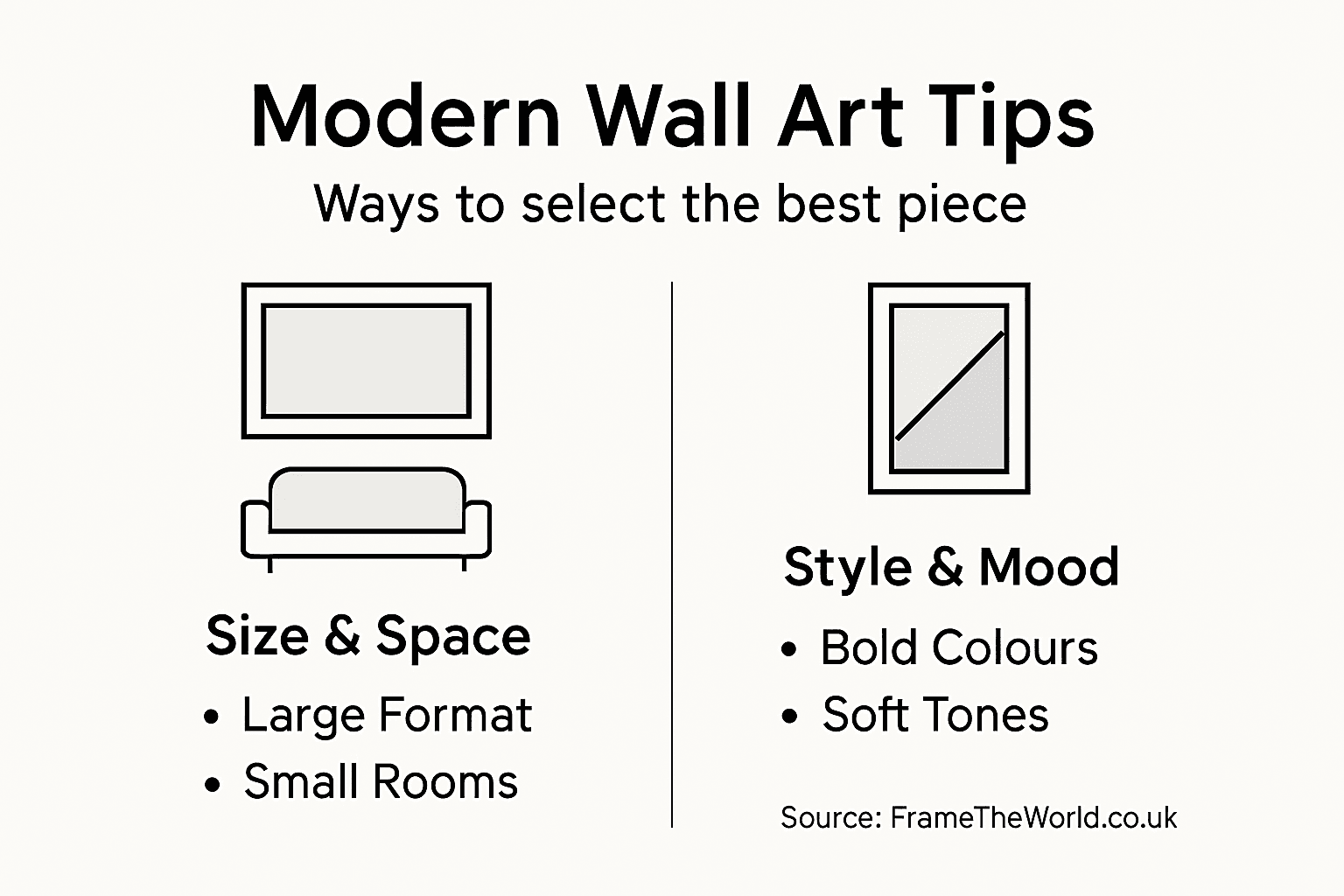
Successful wall art integration requires a holistic approach that considers not just visual aesthetics, but also emotional resonance and spatial functionality. Each piece should feel like an intentional extension of the room’s narrative, transforming blank walls into compelling storytelling canvases that reflect personal style and create meaningful atmospheric experiences.
Pro tip: Create a visual mockup or use digital visualization tools to preview how your chosen artwork will interact with your specific space before making a final purchase.
Common Mistakes And Practical Solutions
Wall art selection strategies reveal numerous potential pitfalls that can dramatically undermine your interior design efforts. Understanding these common mistakes and their practical solutions is crucial for creating harmonious and visually compelling spaces.
Common wall art selection mistakes include:
- Size mismatches: Choosing artwork disproportionate to wall space
- Colour inconsistency: Selecting pieces that clash with existing decor
- Poor placement: Hanging art at incorrect heights or locations
- Overcrowding: Adding too many pieces in a single area
- Ignoring lighting: Failing to consider how light impacts artwork
- Style disconnection: Selecting art that contradicts room’s aesthetic
- Budget-driven compromise: Prioritising price over quality and relevance
Spatial awareness demands careful consideration when integrating wall art. Professional designers recommend creating visual balance by measuring wall spaces precisely, understanding proportion, and maintaining strategic negative space. A single oversized piece can transform a room, while multiple small artworks can create dynamic gallery-like environments when arranged thoughtfully.
Technical execution matters as much as aesthetic selection. Proper mounting, appropriate framing, and strategic lighting can elevate even modest artworks into stunning design statements. The key is treating wall art not as mere decoration, but as an integral component of your interior narrative that communicates personal style and emotional depth.
The following table highlights common wall art selection errors and practical solutions to ensure harmonious interiors:
| Mistake Type | Impact on Space | Expert Solution |
|---|---|---|
| Size mismatch | Visual imbalance | Measure and scale artwork appropriately |
| Colour inconsistency | Clashing visual elements | Coordinate with existing colour scheme |
| Overcrowding | Cluttered, chaotic appearance | Use negative space for balance |
| Poor placement | Ineffective focal points | Position art at eye level |
| Budget compromise | Low quality or unsuitable art | Prioritise relevance and craftsmanship |
Pro tip: Create paper templates of your artwork and temporarily tape them to walls to visualise placement and proportions before making permanent installations.
Elevate Your Living Space with Modern Wall Art from FrameTheWorld
Selecting the right modern wall art to transform your interior can feel overwhelming when faced with choices about size, style, and emotional impact. This article highlights the challenge of balancing aesthetic harmony and personal narrative, emphasising the importance of artwork that communicates your identity while complementing your space. Whether you seek bold expressionist pieces or serene minimalist designs, the key is finding art that truly resonates with your vision.
FrameTheWorld.co.uk offers a carefully curated collection designed to meet these needs. Explore our Contemporary Minimalist Art | Modern Hand Painted Wall Art for serene and sophisticated pieces or discover fresh inspirations in our New Arrivals – Fresh Hand-Painted Artworks. Each artwork can be tailored to your spatial dimension and personal taste, ensuring a seamless integration into your interior atmosphere. Start your transformation now and bring your walls to life by visiting FrameTheWorld to find the perfect artistic statement that turns your home into a vibrant narrative environment.
Frequently Asked Questions
What is modern wall art and how does it differ from traditional art?
Modern wall art is a dynamic form of visual expression that emphasizes experimentation, abstraction, and emotional engagement, contrasting with traditional art styles that focus on representational forms. It serves to provoke intellectual and emotional responses, reflecting contemporary social landscapes and communicating personal identity.
What are some popular modern art movements for wall art?
Some influential modern art movements include Realism, Impressionism, Cubism, Expressionism, Pop Art, Minimalism, and Photorealism. Each movement offers a unique approach to artistic expression, creating diverse atmospheres in interior spaces.
How can I choose the right wall art for my space?
To select the perfect wall art, consider the room’s purpose, wall dimensions, existing colour palette, lighting conditions, personal narrative, furniture style, and budget constraints. Harmonising these elements will help create a cohesive and emotionally resonant environment.
What common mistakes should I avoid when selecting wall art?
Common mistakes include choosing artwork that is the wrong size for the wall, selecting pieces with clashing colours, overcrowding artwork in a single area, and poor placement heights. Awareness of these pitfalls and their solutions can enhance the overall coherence of your interior design.


Leave a comment
This site is protected by hCaptcha and the hCaptcha Privacy Policy and Terms of Service apply.