
TL;DR:
- Digital art integration allows for flexible, scalable displays that enhance interior design with personalized, repeatable visuals. Combining traditional and digital methods expands creative possibilities while maintaining craftsmanship and emotional depth. Proper workflow and display methods make digital art a cost-effective way to influence space atmosphere and occupant experience.
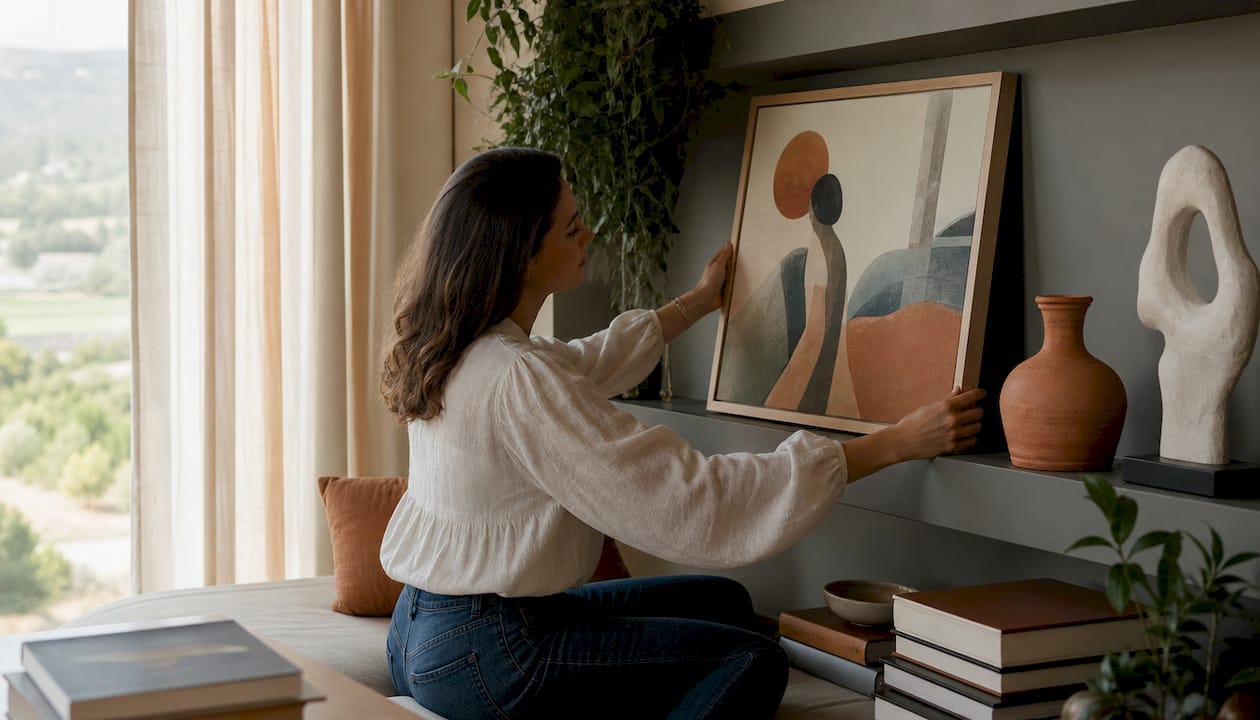
Digital art integration is the practice of embedding digitally created or digitally reproduced artworks into physical environments to enhance their visual character and personalisation. Homeowners, interior designers, and art enthusiasts are increasingly choosing this approach because it offers creative flexibility that traditional formats alone cannot match. The ability to scale, edit, and reproduce a digital artwork without any loss of quality makes it a practical choice for both residential living rooms and high-footfall commercial spaces. Frametheworld works with exactly this principle, helping clients find and personalise art that fits their space precisely.
Why integrate digital art: the core benefits
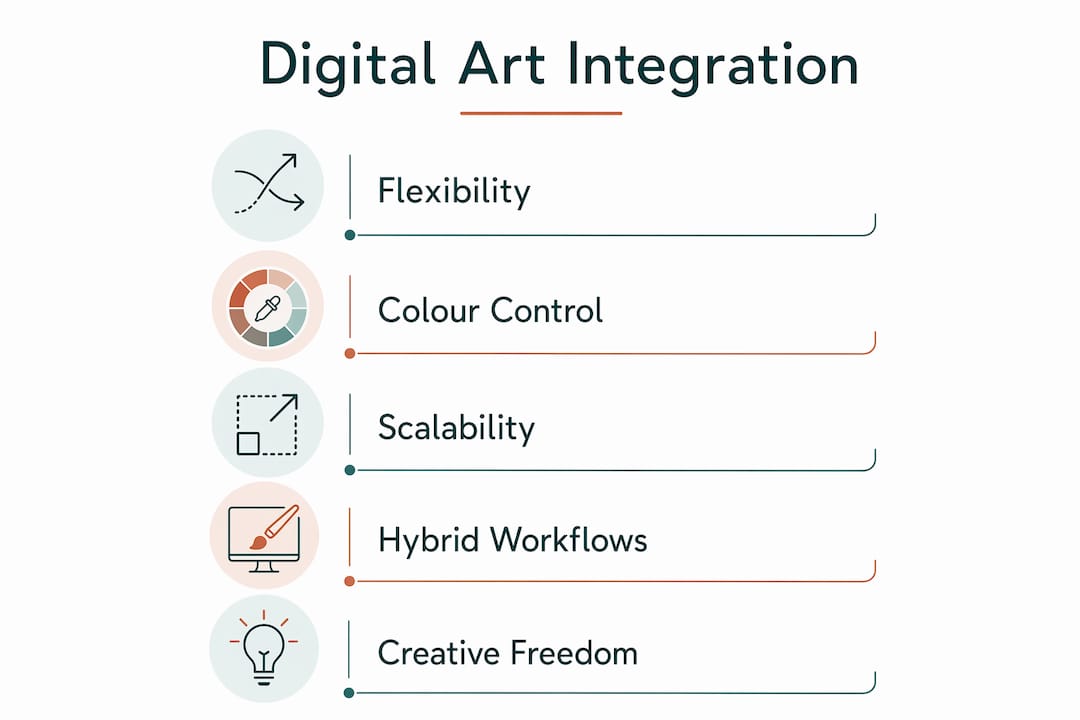
Digital art delivers advantages that physical media simply cannot replicate at the same speed or cost. Unlimited undo, layers, and vast colour options mean an artist or designer can refine a piece to match a room’s exact palette without starting from scratch. That flexibility translates directly into faster, more confident decision-making for anyone decorating a space.
The practical benefits of digital art integration include:
- Flexibility and editability. A digital file can be resized from a small accent print to a full feature wall without any degradation in quality. This makes it straightforward to adapt one artwork across multiple rooms or locations.
- Unlimited colour range. Digital tools give access to colour palettes far beyond what physical pigments can achieve, making it easier to match or contrast specific interior tones.
- Easy reproduction and sharing. Digital files can be displayed on screens or printed in various sizes without quality loss, enabling consistent use across an entire property or brand environment.
- Regular refreshment. Swapping out a digital artwork costs far less than commissioning or purchasing a new physical piece. Spaces can be updated seasonally or to reflect changing tastes.
- Reduced material waste. Digital creation avoids the physical materials consumed in traditional production, making it a lower-impact choice for environmentally conscious homeowners and designers.
Pro Tip: When selecting a digital artwork for print, always request a file at 300 DPI or higher. This guarantees the print looks sharp at any size, from A3 to a large-format wall installation.
How does digital art complement traditional art forms?
Digital and traditional art are not rivals. Integrating digital and traditional creates a dialogue that expands creative possibilities rather than closing them off. The most interesting interiors today often combine both: a hand-painted canvas alongside a precisely reproduced digital print, each making the other look stronger by contrast.
Hybrid workflows in practice
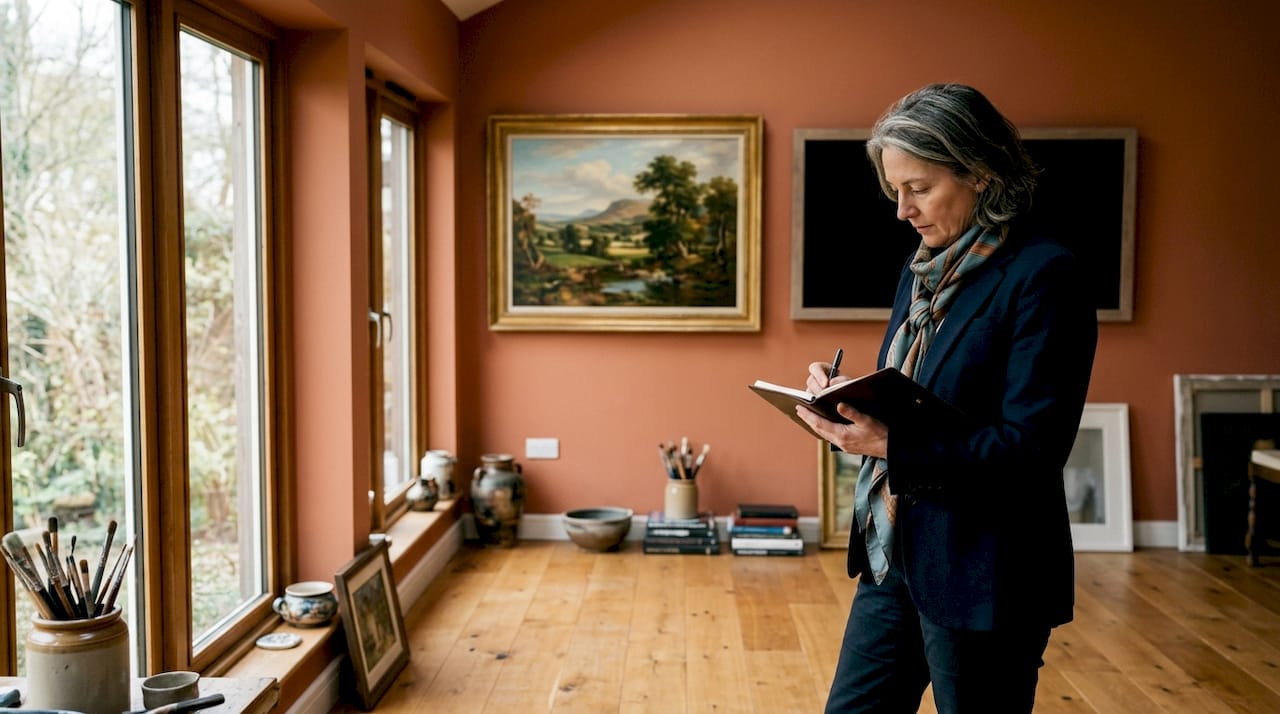
Hybrid workflows merge physical sketches with digital editing, allowing artists to retain the warmth and texture of hand-made marks while gaining the precision of digital tools. An artist might sketch in charcoal, photograph the result, and then refine colour and composition digitally before the piece goes to print. The final work carries the soul of a hand-drawn piece with the technical accuracy needed for a specific interior brief.
This approach is reshaping contemporary aesthetics in a measurable way. Designers working on residential projects use hybrid pieces to add depth that purely digital or purely traditional works sometimes lack. A watercolour texture printed at large scale, for example, brings organic warmth to a modern kitchen that a flat digital graphic would not achieve on its own.
Preserving craft alongside digital precision
Hybrid approaches preserve the texture and soul of traditional art while adding the scalability and colour-matching benefits of digital production. This matters enormously in interior design, where a piece must work at a specific size, in a specific light, against specific wall colours. Digital tools make that level of control achievable without sacrificing the handmade quality that gives art its emotional resonance.
Pro Tip: If you are working with a hybrid piece, ask the artist to supply both the original scan and the final digital file. The scan gives you a record of the hand-made process, which adds provenance and story to the work.
Tools like AI image extension, such as the outpainting feature from Wallpics, can also help designers adapt an existing artwork to fill a larger wall space without distorting the original composition. This is particularly useful when a client falls in love with a piece that is slightly too small for their intended wall.
What practical methods enable digital art integration?
Bringing digital art into a physical space involves more than choosing an image and sending it to print. The process from creation to installation follows a clear sequence that any homeowner or designer can apply.
- Select or commission the artwork. Decide whether you want a ready-made digital print, a bespoke commission, or a hybrid piece. Define the wall dimensions, the dominant colours in the room, and the mood you want to create before approaching an artist or platform.
- Prepare the file for output. Digital art demands knowledge of colour theory and composition to produce work that holds up at large scale. Confirm the file resolution and colour profile (sRGB for screen display, CMYK or Adobe RGB for print) with your supplier before production begins.
- Choose your display method. Options range from traditional framed prints to digital frames, backlit panels, and projector-based installations. Each method suits different budgets and spatial contexts. A digital frame works well in a home study; a backlit panel suits a commercial reception area.
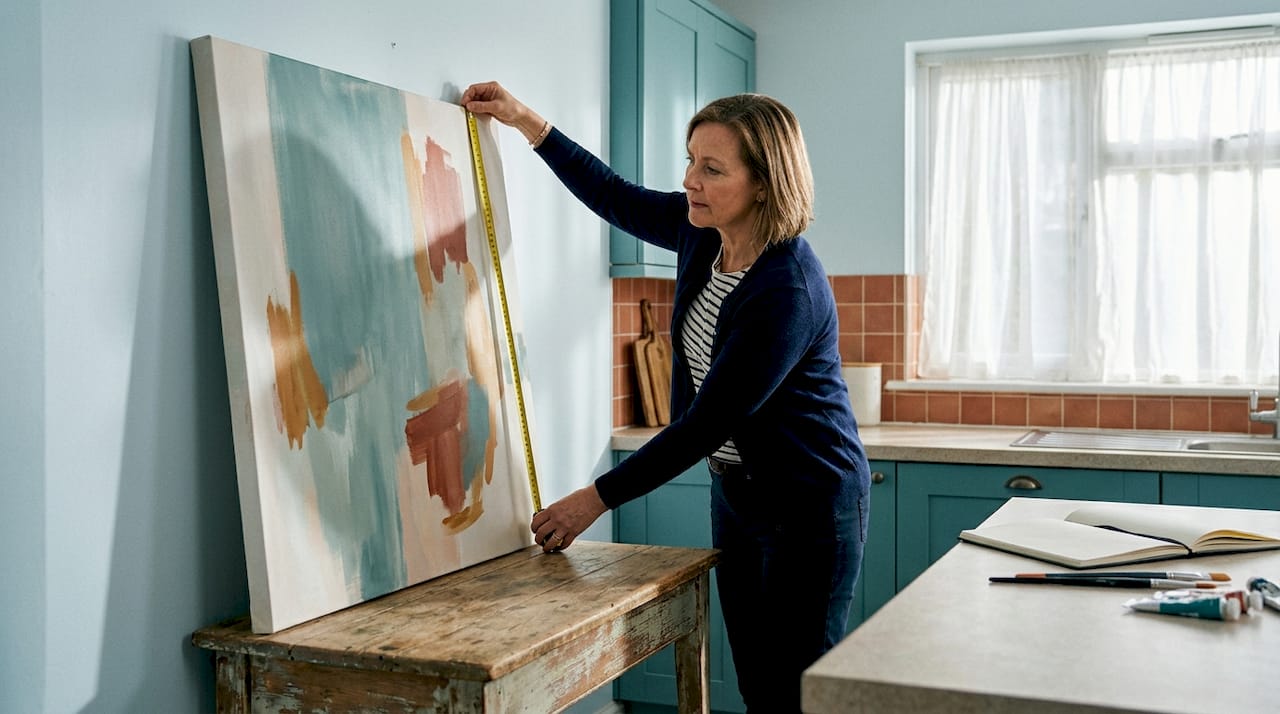
- Scale and colour-match on site. Use a printed proof or a digital mock-up placed against the actual wall before committing to full production. Lighting conditions change how colours read, and a proof prevents costly reprints.
- Install with the framing in mind. The frame or mounting method is part of the artwork’s visual impact. A thin metal frame reads very differently from a deep wooden box frame, even around the same image. Frametheworld’s expert framing guide covers the key decisions in detail.
- Plan for rotation. One of the strongest reasons to use digital art is the ability to refresh a space without major cost. Build a small library of artworks from the start so you can rotate pieces as seasons or moods change.
Digital canvases reduce inhibition in the creative process through flexible editing tools, which means artists can iterate quickly when a client requests changes during the installation planning phase. That speed benefits everyone involved in a project.
How does digital art affect space aesthetics and occupant experience?
Digital art changes how a room feels, not just how it looks. The ability to select from an enormous range of colours, compositions, and styles means a space can be tuned to a very specific emotional register. A calm, muted abstract print lowers the visual temperature of a busy open-plan office. A bold, high-contrast piece energises a hotel lobby.
The key ways digital art shapes occupant experience include:
- Mood calibration. Colour and composition directly affect how people feel in a space. Digital art gives designers precise control over both, making it easier to achieve a target atmosphere.
- Spatial enhancement. A large-format horizontal print can make a narrow room feel wider. A vertical piece draws the eye upward in a low-ceilinged space. Digital reproduction makes large-format work accessible at a fraction of the cost of a commissioned painting.
- Narrative coherence. A curated set of digital prints can tell a consistent visual story across multiple rooms or floors of a commercial building, reinforcing a brand identity or a design theme without repetition.
- Psychological stimulation and calm. Research in environmental psychology consistently links visual art in workplaces and homes to reduced stress and increased creative thinking. Digital art makes it practical to introduce this benefit at any budget level.
- Brand expression in commercial spaces. Retailers, hospitality venues, and offices use digital art in modern design to communicate values and personality to clients and staff alike. A bespoke digital print series is far more cost-effective than a full interior refit.
Fast revisions and seamless collaboration make digital art the dominant choice in commercial design fields, precisely because client feedback can be incorporated quickly without discarding completed work.
Key takeaways
Digital art integration is the most flexible and cost-effective way to personalise a residential or commercial space, combining creative precision with the ability to refresh and adapt over time.
| Point | Details |
|---|---|
| Flexibility over traditional formats | Digital art scales, edits, and reproduces without quality loss, suiting any wall size or display method. |
| Hybrid approaches add depth | Combining physical and digital techniques produces work with both handmade warmth and technical precision. |
| Practical workflow matters | File resolution, colour profiling, and on-site proofing prevent costly errors before installation. |
| Emotional and spatial impact | Colour and composition choices in digital art directly shape mood, spatial perception, and brand identity. |
| Cost-effective refreshment | Building a small library of digital artworks allows regular rotation without significant additional spend. |
Digital art is not a shortcut. It is a different kind of skill.
I have heard the argument many times: digital art is easier, so it is somehow less valid. That view is wrong, and it does the medium a disservice. Digital art requires the same mastery of fundamental art principles as any traditional form. Light, shadow, composition, and colour theory do not become optional because you are working on a screen rather than a canvas.
What digital art does offer is a different kind of creative freedom. The ability to experiment without permanent consequence changes how artists think. It encourages bolder choices, faster iteration, and a willingness to try approaches that would be too risky on a physical canvas. That is not a weakness. It is a genuine creative advantage.
Where I think the real opportunity lies is in the hybrid space. The most interesting work I see coming through interior design projects right now combines hand-made marks with digital precision. Neither medium alone achieves what the two together can. Homeowners and designers who understand this stop asking “digital or traditional?” and start asking “how do I use both?”
My practical advice: do not treat digital art as a budget alternative to traditional work. Treat it as a distinct medium with its own strengths, and commission or select accordingly. The custom art options available today make it entirely possible to get a piece that is both digitally precise and visually rich.
— Lennard
How Frametheworld helps you bring digital art into your space
Frametheworld offers a curated range of wall art collections that sit naturally alongside digital prints and hybrid works. The Wabi Sabi wall art collection features hand-painted abstract textures that complement the precision of digital pieces, creating the kind of layered interior that feels considered rather than assembled. For bolder spaces, the Pop Art collection brings high-contrast, graphic energy that pairs well with modern digital aesthetics. Frametheworld also offers bespoke commissions and customisation options, making it straightforward for homeowners and designers to request pieces tailored to specific dimensions, colour schemes, and project briefs.
FAQ
What does integrating digital art into a space actually mean?
Digital art integration means embedding digitally created or reproduced artworks into a physical environment, whether as framed prints, backlit panels, or digital frame displays. The goal is to use the flexibility of digital formats to personalise and enhance the visual character of a room.
Is digital art as valid as traditional art?
Digital art demands the same foundational skills as traditional media, including colour theory, composition, and an understanding of light and shadow. The medium is different; the artistic rigour is not.
What are the main benefits of digital art for interior spaces?
The primary benefits are flexibility of scale, ease of reproduction, precise colour control, and the ability to refresh a space regularly without significant cost. These qualities make digital art particularly well-suited to both residential and commercial interiors.
How does digital art work alongside traditional pieces?
Digital and traditional art complement each other rather than competing. Hybrid approaches, where physical drawings are developed further using digital tools, produce work that carries both handmade texture and technical precision.
Do I need specialist equipment to display digital art at home?
Not necessarily. A high-quality framed print produced from a digital file requires no specialist equipment beyond the frame itself. Digital frames and backlit panels are options for those who want to display changing artworks, but a standard print remains the most accessible and widely used format.


Leave a comment
This site is protected by hCaptcha and the hCaptcha Privacy Policy and Terms of Service apply.