
TL;DR:
- Art profoundly influences a living room’s emotional atmosphere by shaping mood and identity through color, composition, and style. Selecting large, intentionally placed pieces that reflect personal taste enhances wellbeing and fosters connection, while textile art improves acoustics. Proper placement and style choices ensure art supports relaxation, focus, and the expression of individual identity.
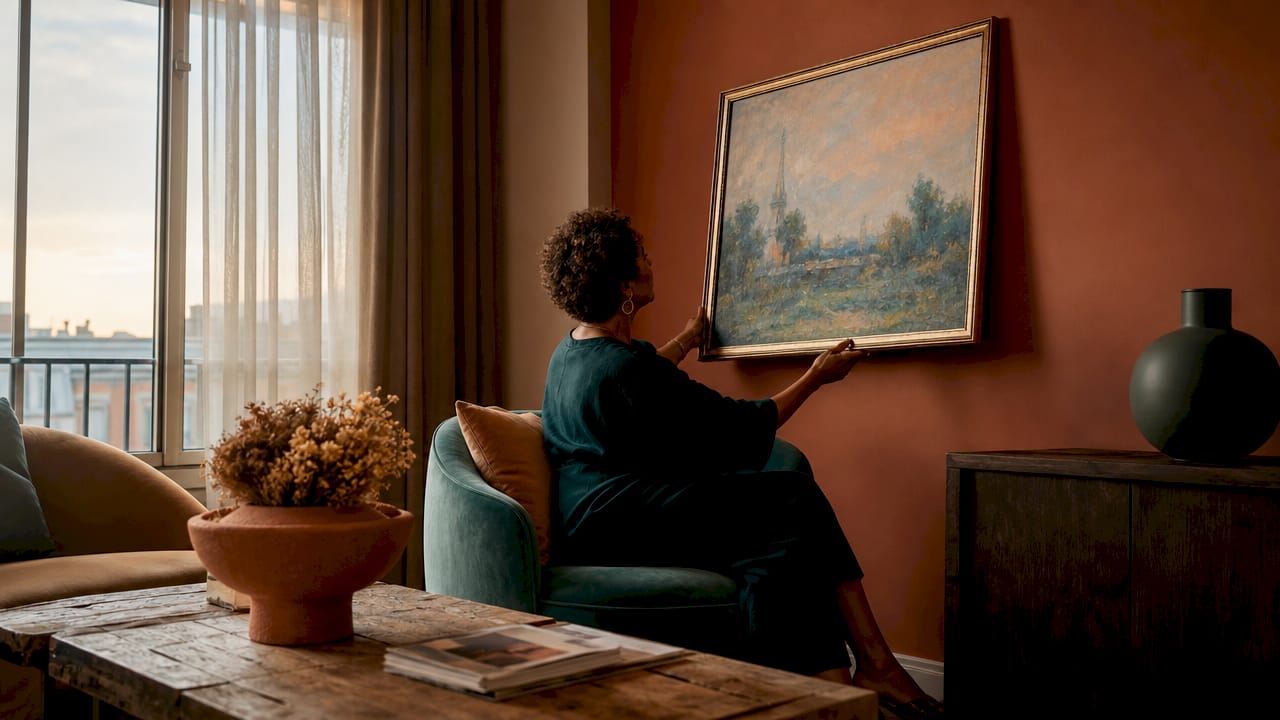
Art is defined as the single most powerful tool a homeowner has for shaping the emotional atmosphere of a living room. Unlike furniture or lighting, art communicates identity, directs mood, and anchors a space in ways that purely functional objects cannot. Neuroaesthetic research confirms that viewing art you love increases blood flow to the brain’s pleasure centres by up to 38%, making the living room wall far more than a decorative afterthought. Frametheworld curates collections specifically designed to help homeowners make that impact intentional, not accidental.
How does art influence emotional atmosphere in living rooms?
The role of art in living rooms goes well beyond visual decoration. Art directly shapes how a room feels to everyone who enters it. Environmental psychology describes this as “affective priming,” where visual stimuli set the emotional tone before a single word is spoken.
“Art functions as emotional architecture in a home, helping define character and mood intentionally rather than as an afterthought.” Interior design professionals, cited in research on art-integrated living spaces
Colour is the fastest-acting variable. Cooler tones such as blues and greens promote calm and lower stress, while bold contrasts increase alertness. A deep teal seascape above a sofa creates a fundamentally different psychological environment than a high-contrast geometric print in red and black. The role of colour in art is not stylistic preference alone. It is a measurable influence on cortisol levels and cognitive restoration.
Composition and imagery matter equally. Landscapes, botanical prints, and soft Impressionistic scenes trigger what environmental psychologists call “soft fascination,” a state of relaxed attention that restores mental energy. This is why Impressionistic and Romanticism styles consistently produce higher positive emotional responses, particularly in modern and Nordic living room environments. The science supports what good interior designers have known for decades: the right artwork is not a luxury. It is a functional component of a well-designed room.
Pro Tip: If your living room doubles as a workspace, choose art with soft, nature-inspired imagery rather than bold abstract prints. Soft fascination supports focus and recovery simultaneously.
What are the best practices for selecting and placing art?
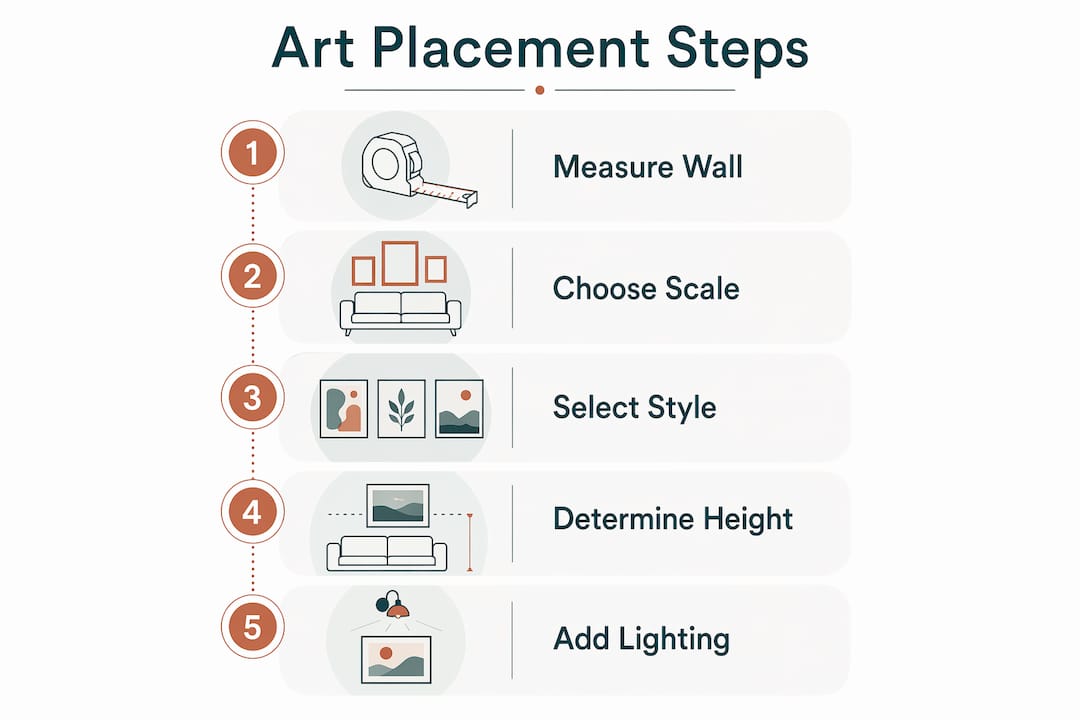
Selecting art for a living room requires the same care as choosing a sofa or flooring. The wrong piece in the wrong position creates visual noise rather than calm. These principles cut through the guesswork.
Scale: one strong piece beats many small ones
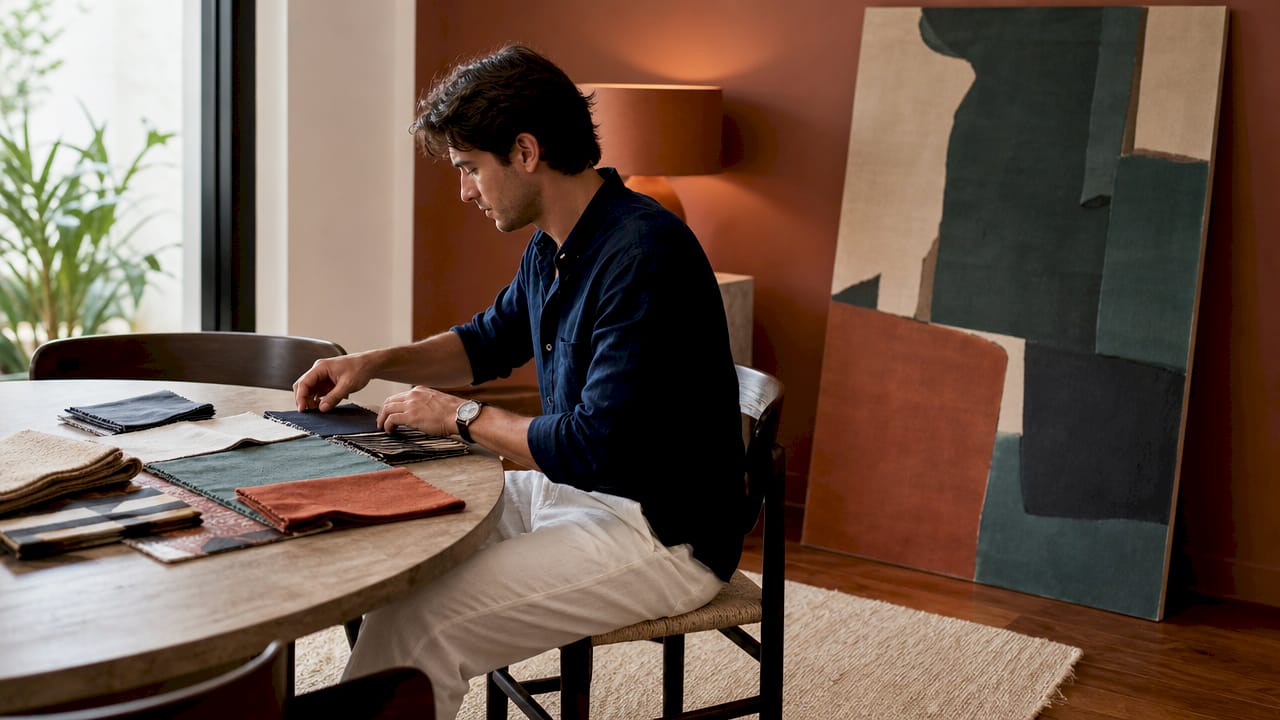
A single large-scale piece consistently outperforms a gallery wall when the goal is a calm focal point. Multiple small frames compete for attention and fragment the eye’s natural resting place. A canvas measuring 100cm x 140cm above a sofa creates immediate visual authority. Smaller pieces work best when grouped with clear intention and consistent framing, not scattered across a wall.
Over-cluttering walls with numerous small artworks creates visual noise that undermines the restful quality most homeowners want from their living rooms. Prioritising one or two well-chosen pieces reduces that noise and gives the room room to breathe.
Colour: connect art to your existing furnishings
The most cohesive living rooms integrate one or two accent colours from existing soft furnishings directly into the artwork. If your cushions carry a dusty terracotta, an artwork with warm ochre and rust tones will feel deliberate rather than coincidental. This technique creates visual flow without requiring a complete redecoration.
Hanging height: precision matters
The professional standard places the centre of artwork at 57–60 inches from the floor. This aligns with average eye level and creates a natural visual connection between the art and the furniture below it. Most homeowners hang art too high, which disconnects it from the room and makes ceilings feel lower. Measure before you drill.
Here is a quick reference for art placement decisions:
| Situation | Recommended approach |
|---|---|
| Large sofa, empty wall | Single canvas, 100cm+ wide, centred above sofa |
| Narrow wall between windows | Tall vertical print, hung at eye level |
| Low-ceilinged room | Horizontal format art to widen the visual field |
| Open-plan living area | Bold, large-scale piece to anchor the zone |
Pro Tip: Use painter’s tape on the wall to mock up the size of a potential artwork before buying. Scale surprises are the most common reason homeowners return art.
For a full art selection checklist covering style, scale, and placement, Frametheworld’s 2026 guide walks through every decision point.
Which art styles work best for living room design trends?
Art style selection is not purely aesthetic. Different styles produce measurably different psychological outcomes, and matching style to room purpose is the difference between a living room that restores and one that overstimulates.
Impressionistic and Romanticism art
Impressionistic, Post-Impressionistic, and Romanticism styles produce the strongest positive emotional responses in modern and Nordic interiors. These styles favour soft edges, warm palettes, and natural subjects, all of which align with the calm, welcoming atmosphere most living rooms aim for. They also age well, avoiding the trend-dependency that makes some contemporary styles feel dated within a few years.
Bold abstract and Pop Art
Bold abstract art and Pop Art serve a different function. They energise a room, signal confidence, and create immediate visual impact. These styles suit living rooms used for entertaining rather than unwinding. A high-contrast abstract in a social living space reads as a conversation piece. The same piece in a quiet reading corner works against the room’s purpose.
Textile art and tapestries
Textile wall art and tapestries offer a benefit most homeowners overlook: acoustic dampening. Woven and fabric-based pieces absorb sound, which reduces echo in hard-floored open-plan spaces. They also add tactile depth that flat prints cannot replicate. In co-living spaces, where acoustic comfort is a genuine concern, textile art solves two problems at once.
The role of art in co-living spaces mirrors its function in private homes, but the social dimension is amplified. Art in shared living rooms must balance individual expression with collective comfort, making neutral but characterful styles like Wabi Sabi and nature photography particularly effective.
Here is a comparison of the most popular styles by room type and emotional effect:
| Art style | Best room type | Primary emotional effect |
|---|---|---|
| Impressionistic | Relaxed living room, bedroom | Calm, warmth, nostalgia |
| Bold abstract | Social, entertaining space | Energy, conversation, confidence |
| Nature photography | Open-plan, co-living | Calm, connection, soft fascination |
| Textile/tapestry | Any room with hard floors | Warmth, acoustic comfort, texture |
| Wabi Sabi | Minimalist, Nordic interiors | Stillness, authenticity, depth |
For guidance on how art shapes mood across different styles, Frametheworld’s blog covers the psychology behind each approach in detail.
How does living room art express identity and create connection?
The living room is the primary space where homeowners make a statement about who they are. Art is the most direct vehicle for that statement. Unlike paint colours or furniture, art carries explicit content: a subject, a style, a cultural reference, or a personal memory.
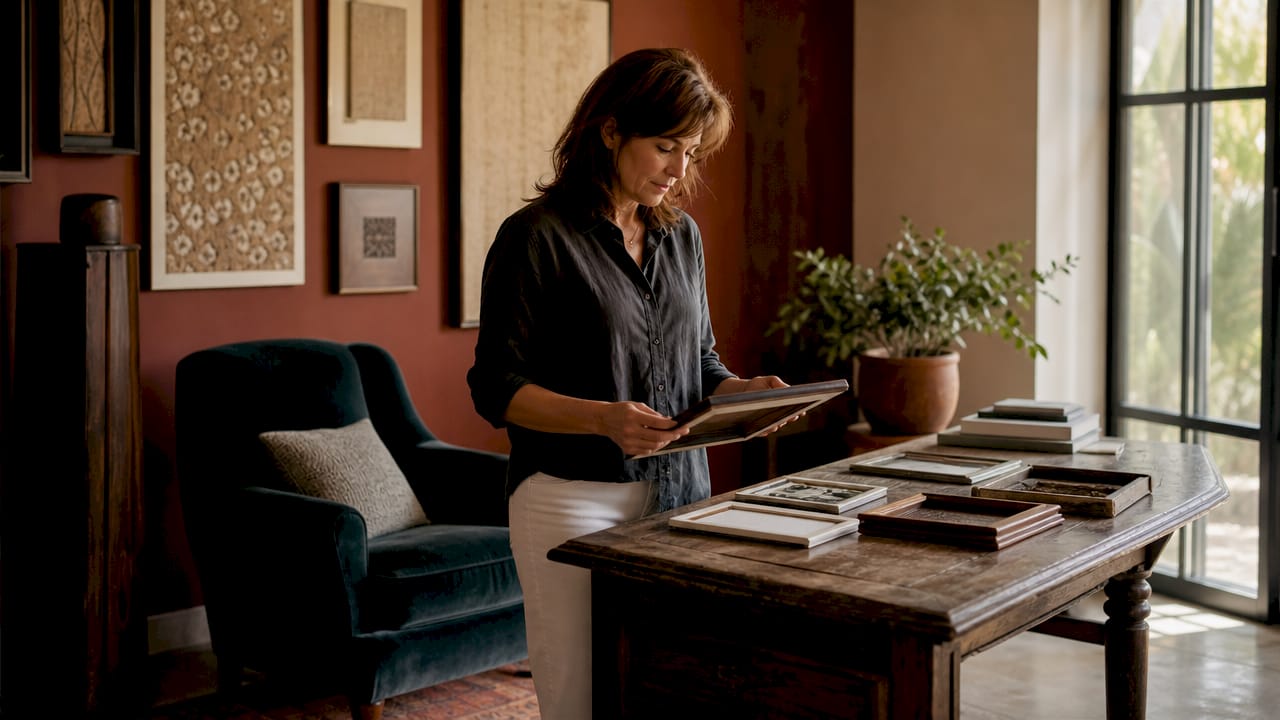
Curating art that reflects travel, heritage, or personal interests transforms a living room from a generic space into a considered one. A print from a Japanese woodblock tradition signals different values than a bold Pop Art canvas, and both signal something entirely different from a family of botanical studies. The living room is the space that defines character and emotional experience for both inhabitants and guests, making art selection a genuinely personal act.
Art also functions as a social catalyst. Guests respond to art before they respond to furniture. A striking piece above a fireplace invites comment, creates common ground, and gives a room a story. Interior designers working on luxury residential projects consistently report that art integrated at the design stage, rather than added afterwards, produces the most cohesive and socially engaging spaces.
- Choose at least one piece that has a personal story behind it. Guests ask about art, and the story behind a piece creates genuine connection.
- Avoid art chosen purely for colour matching. Rooms decorated this way feel curated for a catalogue, not for a person.
- Rotate art seasonally if your tastes evolve. A living room that changes slightly over time feels alive rather than static.
Pro Tip: If you are building a collection over time, start with one strong anchor piece and add around it. Buying art in a single session often produces a room that feels decorated rather than collected.
Key takeaways
Art is the most direct tool a homeowner has for shaping mood, expressing identity, and creating a living room that genuinely supports wellbeing.
| Point | Details |
|---|---|
| Art affects mood measurably | Viewing loved art increases brain pleasure-centre blood flow by up to 38%, reducing stress. |
| Scale over quantity | One large, well-chosen piece creates more calm than multiple small frames competing for attention. |
| Hang at eye level | Centre artwork at 57–60 inches from the floor to connect it visually with room furnishings. |
| Match style to room purpose | Impressionistic art calms; bold abstract energises. Choose based on how the room is used. |
| Colour connects art to the room | Pull one or two accent colours from existing furnishings into the artwork for visual cohesion. |
Art in living rooms: what I have learned from years of watching people choose wrong
Most homeowners treat art as the last decision, the thing you buy after the sofa arrives and the walls look bare. That single habit is responsible for more disappointing living rooms than any other design mistake I have encountered.
Art selected under those conditions is almost always too small, too safe, or chosen to match rather than to lead. The result is a room that feels finished but not felt. There is a difference, and you notice it the moment you walk in.
The insight that changed how I think about this comes from the concept of emotional architecture. Art is not decoration applied to a room. It is a structural element of how the room feels. When you treat it that way, every other decision becomes easier. You know what mood you are building toward, and you select everything else in service of that.
The other thing I would push back on is the gallery wall. It is everywhere, and I understand the appeal. But in most living rooms, it creates exactly the kind of visual noise that undermines the calm people are trying to build. One piece, chosen with real intention, does more work than twelve pieces chosen for variety. Quality over quantity is not a cliché here. It is the actual principle.
Finally, do not underestimate textile art. Tapestries and woven pieces are consistently the most underused medium in British living rooms, and they solve acoustic problems that no print ever will. If your room echoes, a large woven piece is both the aesthetic and the practical answer.
— Lennard
Frametheworld’s collections for your living room
Frametheworld brings together curated wall art collections designed specifically for living spaces, from hand-painted Wabi Sabi pieces that add quiet depth to minimalist rooms, to bold Pop Art prints that anchor social spaces with confidence. The Wabi Sabi collection is particularly well suited to Nordic and modern interiors, offering the textural authenticity and stillness that mass-produced prints rarely achieve. Frametheworld also supports bespoke commissions for homeowners who want a piece built around a specific palette, scale, or theme. For practical guidance on placement and style matching, the living room wall decor guide is a useful starting point.
FAQ
How does art improve wellbeing in a living room?
Viewing art you love increases blood flow to the brain’s pleasure centres by up to 38%, reducing stress and improving mood. Nature-inspired and Impressionistic art also trigger cognitive restoration through a state of relaxed attention.
What size artwork works best above a sofa?
A canvas at least two thirds the width of the sofa creates the most balanced proportion. Hanging the centre at 57–60 inches from the floor connects the art visually to the furniture below it.
Which art styles suit a calm, relaxing living room?
Impressionistic, Romanticism, and nature photography styles produce the strongest calming effects. Cooler colour palettes in blues and greens lower stress, while soft-edged compositions support mental restoration.
Can art in a living room help with noise?
Textile art and tapestries act as acoustic dampeners, absorbing sound and reducing echo in hard-floored or open-plan spaces. They are the most practical art medium for acoustic comfort.
How do I use art to reflect my personal identity?
Choose at least one piece with a genuine personal connection, whether through travel, heritage, or a subject that matters to you. Art selected for meaning rather than colour matching creates rooms that feel personal rather than generic.

Leave a comment
This site is protected by hCaptcha and the hCaptcha Privacy Policy and Terms of Service apply.