
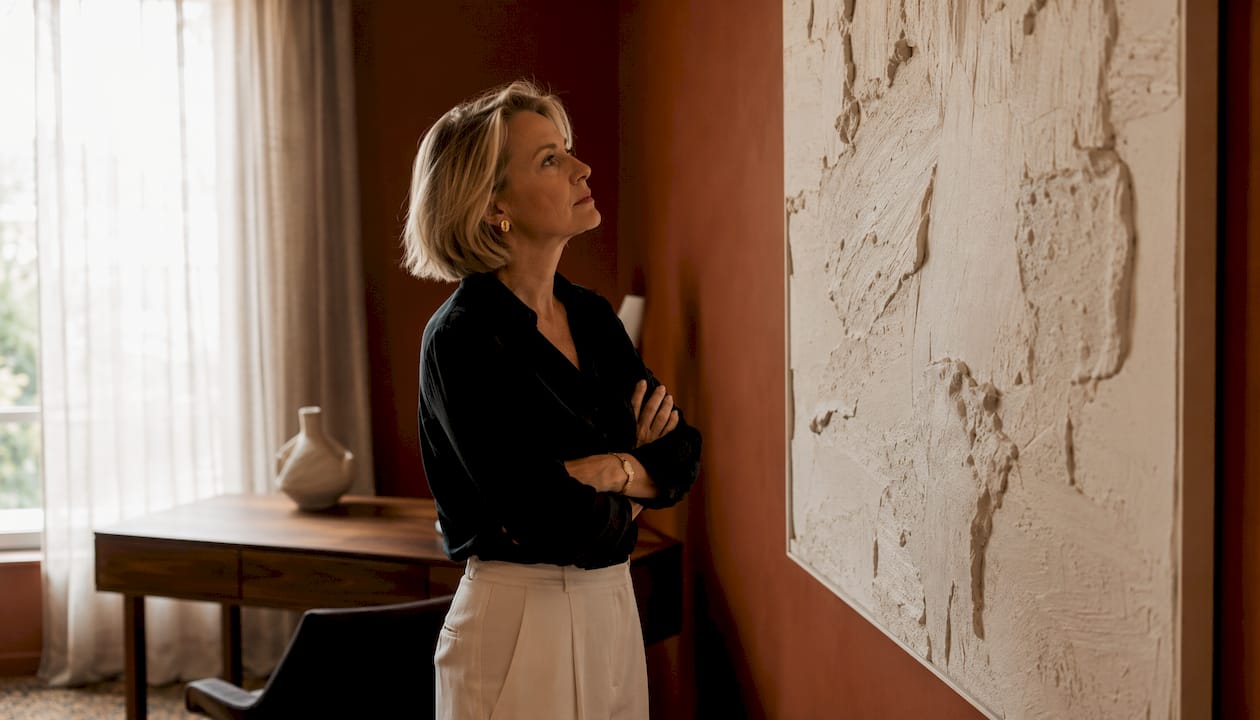
Textured art is not simply decoration. It is the difference between a room that looks finished and one that genuinely feels alive. The main textural art types used in UK interiors today fall into four primary categories: plaster art, palette knife oil paintings, mixed media canvases, and sculptural installations. Each brings a distinct sensory quality to a space, from the earthy, organic weight of layered plaster to the kinetic energy of thick impasto brushwork.
Here is a quick reference for the major types:
- Plaster art: natural, tactile surfaces with an organic, mineral finish; interacts dynamically with light
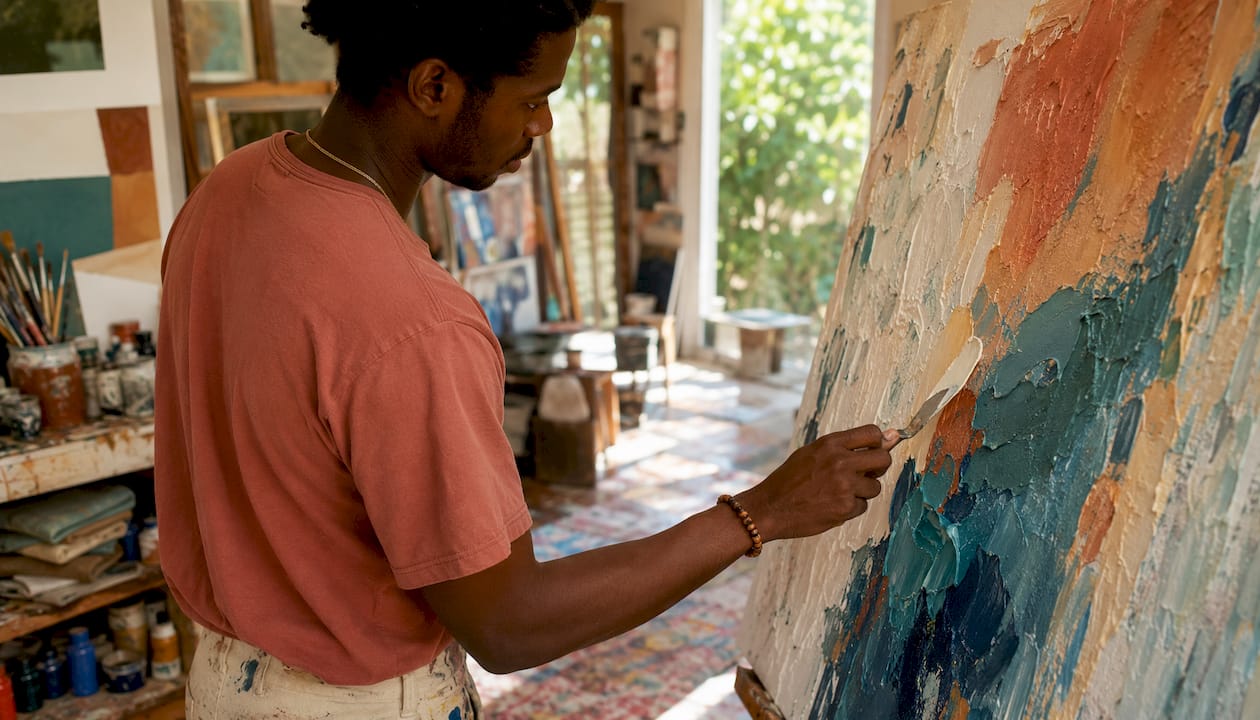
- Palette knife paintings: high-relief oil paint applied with a blade, creating expressive ridges and movement
- Mixed media canvases: layered combinations of materials (fabric, sand, resin, paper) for complex, multi-dimensional surfaces
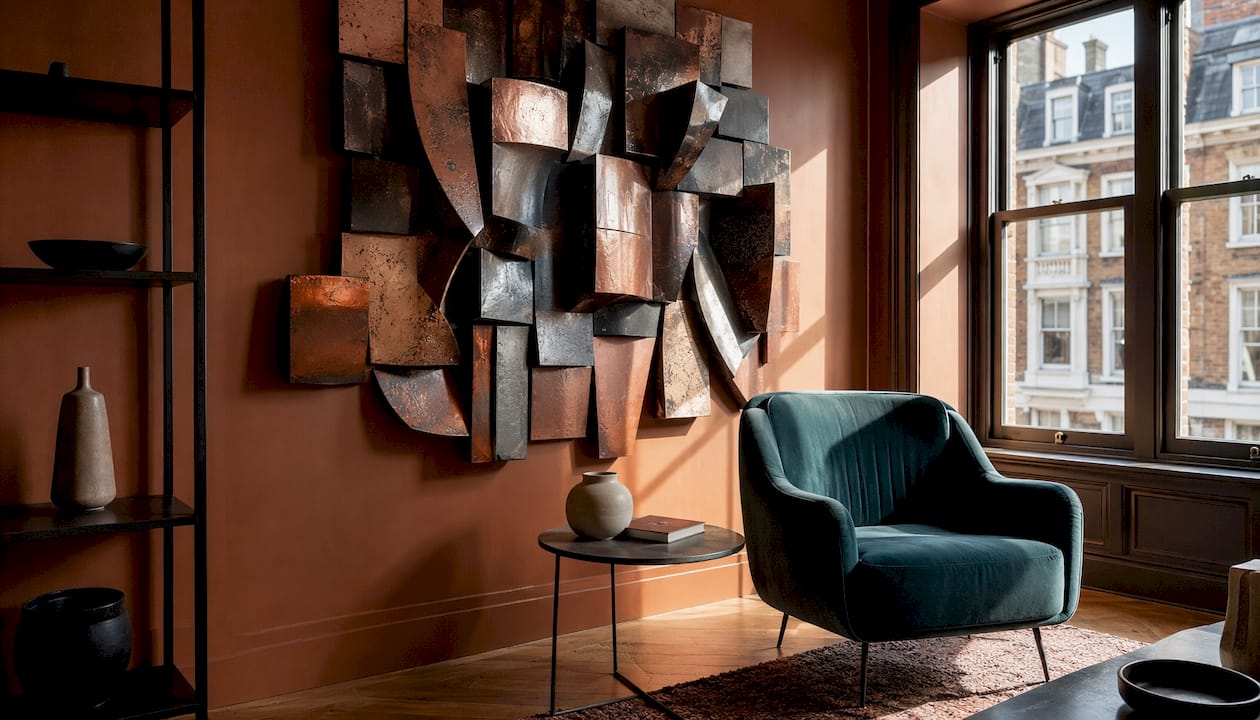
- Sculptural installations: three-dimensional wall-mounted or freestanding pieces that cast real shadows and occupy physical space
- Metal wall art: durable, versatile pieces that shift in appearance as ambient light changes throughout the day
Together, these forms of textural wall decor do something flat prints simply cannot: they respond to light, invite touch, and alter the perceived depth of a room. Frametheworld specialises in hand-painted textured wall art, including its popular Wabi Sabi collection, which brings this sensory richness directly to UK homes and commercial interiors.
Table of Contents
- What are the main types of textured art and their materials?
- How does textured art work across different interior design styles?
- How to choose the right textured art for your interior
- Tactile versus visual texture: what the difference means for your space
- Frametheworld brings hand-painted textured art to your walls
- Key takeaways
What are the main types of textured art and their materials?
Understanding what each type is made from helps enormously when choosing for a specific space. The materials are not incidental; they determine how a piece behaves under different lighting conditions, how it ages, and how much maintenance it demands.
Plaster art
Plaster art uses natural mineral compounds applied in layers to canvas or board, building a three-dimensional surface that is genuinely tactile. The finish is earthy and organic, somewhere between a sculpted relief and a painted canvas. Because the surface is uneven, it catches light differently at different times of day, meaning the piece looks subtly different in morning sun versus evening lamplight. It suits neutral, Japandi, and organic modern interiors particularly well.
Palette knife paintings
Rather than a brush, the artist uses a flexible metal blade to drag, press, and layer oil or acrylic paint directly onto canvas. The result is pronounced ridges, peaks, and valleys of pigment that create a genuinely sculptural surface. Colours appear more saturated because the paint sits thicker, and the directional marks give the work a sense of movement and energy. These pieces work well as focal points in contemporary and minimalist rooms where the art is expected to carry the space.
Mixed media canvases
Mixed media combines painting with physical materials: fabric scraps, sand, resin, paper, wire, or found objects embedded into the surface. The layering creates a richness that is both visual and tactile, sitting somewhere between a painting and a low-relief sculpture. Because the materials vary so widely, mixed media pieces can be tuned to almost any interior style, from bohemian to industrial.
Sculptural installations
These are the most overtly three-dimensional category. Wall-mounted sculptural pieces extend into the room, casting real shadows that shift as the light changes. Metal sculptures are particularly notable here: they can be backlit for dramatic effects and work well in entrance halls, stairwells, and double-height voids where a flat piece would be lost.
Comparison table
| Type | Typical materials | Surface quality | Common settings |
|---|---|---|---|
| Plaster art | Lime plaster, mineral pigments, canvas | Tactile, matte, organic | Living rooms, bedrooms, Japandi/organic modern |
| Palette knife painting | Oil or acrylic paint, canvas | High relief, expressive | Contemporary, minimalist, statement walls |
| Mixed media canvas | Paint, fabric, sand, resin, paper | Layered, complex | Bohemian, eclectic, industrial |
| Sculptural installation | Metal, wood, ceramic, resin | Three-dimensional, shadow-casting | Entrance halls, commercial spaces, voids |
| Metal wall art | Steel, aluminium, copper | Reflective, dynamic | Industrial, modern, outdoor-adjacent spaces |
Key material considerations:
- Plaster and mixed media surfaces are porous; avoid placing them in high-humidity rooms without a protective sealant
- Oil-based palette knife paintings benefit from occasional light dusting with a soft, dry cloth; avoid moisture entirely
- Metal pieces may require a protective lacquer coat in coastal UK locations where salt air accelerates oxidation
- Sculptural installations need wall fixings rated for their weight; always check load-bearing capacity before hanging
How does textured art work across different interior design styles?
The adaptability of textured art is one of its genuine strengths. Unlike a figurative print that locks you into a specific mood, a well-chosen textured piece can anchor or complement almost any interior aesthetic. The key is matching the character of the texture to the spirit of the style.
Contemporary and minimalist interiors
In a minimalist room, a single large-format palette knife painting or plaster panel does the work of an entire gallery wall. The role of art in interior design here is to provide the sole point of visual complexity in an otherwise restrained space. Neutral tones with pronounced surface relief work best: cream, warm white, stone, and charcoal. The texture provides interest without introducing colour conflict.
Bohemian and eclectic interiors
Bohemian spaces thrive on layering, and mixed media canvases fit naturally into that logic. Pieces incorporating natural fibres, earthy pigments, or found materials echo the global, collected quality of the style. The texture adds depth without competing with the patterns and fabrics that already populate a boho room.
Industrial interiors
Exposed brick, concrete, and steel call for art that can hold its own against raw, hard surfaces. Metal wall sculptures and large mixed media pieces with dark, matte finishes work well here. The shadow-casting quality of sculptural pieces complements the directional, often dramatic lighting typical of industrial-style spaces.
Japandi and organic modern interiors
Wabi Sabi art, which celebrates natural imperfection and the beauty of handmade surfaces, is almost purpose-built for Japandi interiors. Plaster art and hand-painted textured canvases in muted, earthy tones align directly with the wabi-sabi philosophy of finding value in irregularity. For 2026 interior design trends, this pairing is among the most requested in UK residential projects.
Style-matching quick guide:
- Contemporary/minimalist: palette knife paintings, plaster panels in neutral tones
- Bohemian/eclectic: mixed media canvases with natural materials and earthy pigments
- Industrial: metal sculptures, dark mixed media, shadow-casting installations
- Japandi/organic modern: Wabi Sabi plaster art, hand-painted textured canvases in warm neutrals
- Traditional/transitional: sculptural relief panels, textured oil paintings in classic colour palettes
How to choose the right textured art for your interior
Choosing well comes down to a handful of practical criteria, and getting them right saves you from the common mistake of buying a piece you love in isolation but that fights with everything around it.
Selection criteria to work through:
- Room size and scale: a small plaster panel on a large wall looks timid; an oversized sculptural piece in a narrow hallway overwhelms. Aim for art that occupies roughly two-thirds of the wall width above a sofa or console
- Lighting conditions: rooms with strong directional natural light will amplify the shadow play of textured surfaces; north-facing rooms benefit from warmer-toned pieces that compensate for cooler ambient light
- Furniture style and material: the texture of the art should either echo or deliberately contrast the dominant materials in the room; a rough plaster piece above a smooth marble console creates productive tension
- Colour palette: textured art in neutral tones is the most versatile, but a palette knife painting in a bold accent colour can anchor a room’s entire scheme
- Tactile preferences and maintenance: plaster and mixed media surfaces require more careful handling than a sealed oil painting; consider who uses the room and how accessible the piece will be
Scale and material durability matter more than most buyers anticipate. A piece that looks perfect in a photograph can feel wrong in a room if the proportions are off or the surface finish clashes with the surrounding materials. Texture in home decoration is most effective when it is considered as part of the whole room, not selected in isolation.
Pro Tip: Position a directional spotlight or picture light at a 30–45 degree angle to a textured piece rather than directly above it. This raking light catches the surface relief and throws the shadows that make the texture visible from across the room. Without it, even a heavily textured piece can read as flat under flat ambient lighting.
When integrating textured art with other decorative elements, treat it as the anchor rather than an afterthought. Choose the art first, then build the cushions, throws, and accessories around its tones and surface character. This approach, recommended consistently by interior design professionals, produces more coherent results than trying to find art that matches existing décor.
Tactile versus visual texture: what the difference means for your space
Texture in interior design divides into two distinct categories: tactile texture, which is a physical three-dimensional surface you can feel, and visual texture, which is an optical effect created through pattern, print, or tonal variation on a flat surface. Both have a place in interior art, but they produce very different results in a room.
Tactile texture, the kind found in plaster art, palette knife paintings, and sculptural installations, does something that visual texture cannot: it changes with the light. A piece that appears almost monochrome under overcast morning light can reveal extraordinary depth and shadow detail under a warm evening lamp. This responsiveness is what designers mean when they describe textured art as a “living” element in a room.
Visual texture, by contrast, is consistent regardless of lighting. A printed canvas with a sand-like pattern looks the same at noon and midnight. It is easier to maintain, more predictable, and often less expensive, but it does not engage the room in the same dynamic way.
Frametheworld’s curated collections are built around this principle, combining genuine tactile surfaces with considered colour work so that pieces function both as art and as active contributors to the atmosphere of a room. The Wabi Sabi range, in particular, uses hand-applied plaster and paint techniques that produce surfaces no two pieces share exactly, which is precisely the point.
For rooms where maintenance is a concern, a hybrid approach works well: a tactile focal piece on the main wall, supported by visual texture in cushions, rugs, and wallcoverings. The style guide principles for layering texture this way consistently produce spaces that feel considered rather than decorated.
Frametheworld brings hand-painted textured art to your walls
If you have spent time reading about textural art types and are now ready to find something specific for your space, Frametheworld is the direct route. Every piece in the collection is hand-painted, which means the texture is genuine: built up by an artist’s hand, not printed or simulated. The Wabi Sabi Wall Art collection is the strongest starting point for anyone drawn to plaster-effect surfaces, organic forms, and the quiet depth of neutral tones. Pieces are available in a range of sizes, and bespoke commissions are open for homeowners and interior designers who need something made to specific dimensions or colour requirements.
For commercial projects, large-scale installations, or simply a piece that needs to work within a particular scheme, Frametheworld’s customisation service means you are not limited to what is currently in stock. Browse the full collection, request a bespoke commission, or contact the team directly at frametheworld.co.uk to discuss your project.
Key takeaways
Textured art transforms a room not through colour alone but through the physical and optical depth that tactile surfaces create, making it one of the most effective single investments in any interior scheme.
| Point | Details |
|---|---|
| Four primary types | Plaster art, palette knife paintings, mixed media canvases, and sculptural installations cover the main categories of textural wall decor. |
| Material determines behaviour | Surface material dictates how a piece responds to light, ages over time, and integrates with surrounding décor. |
| Style compatibility | Textured art adapts across contemporary, minimalist, bohemian, industrial, and Japandi interiors when matched to the room’s material character. |
| Lighting is critical | Raking light at 30–45 degrees reveals surface relief and shadow play; flat ambient lighting can flatten even heavily textured pieces. |
| Frametheworld for bespoke pieces | Frametheworld offers hand-painted textured canvases and bespoke commissions, including the Wabi Sabi collection, for UK homes and commercial interiors. |

Laat een reactie achter
Deze site wordt beschermd door hCaptcha en het privacybeleid en de servicevoorwaarden van hCaptcha zijn van toepassing.