

Finding the right wall art for expansive city interiors often feels like a balancing act between bold expression and practical function. In spaces shaped by modern architecture and busy lifestyles, large-scale wall art stands out as much more than mere decoration. It acts as a powerful anchor that transforms rooms, influences movement, and deepens the connection between occupants and their surroundings, making every space—whether home or office—distinctive and memorable. Here you will discover what defines large-scale wall art, its unique impact, and how it reshapes both residential and commercial environments.
Table of Contents
- Defining Large Scale Wall Art And Its Role
- Main Types And Materials Used
- Benefits For Home And Commercial Spaces
- Selecting The Right Style And Proportions
- Installation, Safety, And Maintenance Essentials
- Common Mistakes And What To Avoid
Key Takeaways
| Point | Details |
|---|---|
| Significance of Scale | Large-scale wall art transforms spaces and establishes focal points, enhancing both aesthetics and emotional engagement. |
| Material Choices Matter | Selecting the right material, such as canvas or mixed media, impacts durability and visual effects in different environments. |
| Installation and Safety | Proper installation is crucial for the longevity and safety of large artworks; consider wall types and weight distribution. |
| Common Mistakes to Avoid | Measure wall spaces accurately and ensure artwork complements existing décor to avoid overwhelming or mismatched aesthetics. |
Defining large scale wall art and its role
Large-scale wall art represents significantly more than a decorative afterthought. It functions as a dominant visual element that commands attention and transforms the spatial experience of a room. Unlike traditional smaller artwork, large-scale pieces occupy substantial wall surfaces, typically spanning several metres in width or height, creating what designers call an anchor point. These works span numerous mediums including canvas paintings, mixed media installations, and even new media formats that incorporate digital elements. The critical distinction lies not merely in size but in how these pieces interact with the physical space and the people inhabiting it.
The fundamental role of large-scale wall art operates on three distinct levels. First, it creates immersive visual experiences that fundamentally alter how viewers perceive and move through a space. When you hang a substantial artwork, you’re not simply adding decoration; you’re establishing a dialogue between the architecture, the occupant, and the artwork itself. This interaction amplifies emotional responses and establishes visual hierarchy within the room. For residential spaces, this means a carefully selected large-scale piece can transform a bland corner into a focal point that defines the entire aesthetic direction of your interior. In commercial environments, these artworks communicate brand identity and set the tone for visitor experience from the moment someone enters.
What makes large-scale wall art particularly valuable is its ability to control the viewing process itself. The scale demands that viewers engage with the piece from different distances and angles, creating a multisensory relationship with the space. A piece measuring two metres across forces you to step back and absorb it wholly, then move closer to appreciate detail. This movement creates spatial awareness and highlights how viewers interact with scale and spatial relationships. When designing modern interiors, this dynamic becomes instrumental. Rather than filling empty wall space arbitrarily, large-scale artwork serves as an intentional architectural element that influences traffic flow, defines zones within open-plan spaces, and anchors furniture arrangements. The piece essentially reshapes how the entire room functions, not just aesthetically but experientially.
Pro tip: Start by measuring your wall space and considering viewing distance; large-scale art creates maximum impact when positioned at least two to three metres away from where people naturally stand or sit, allowing the full composition to register visually.
Main types and materials used
Large-scale wall art exists across a spectrum of approaches, each suited to different spaces and aesthetic goals. The primary categories include canvas paintings, which remain the traditional foundation of wall art but scaled dramatically to create focal points; mixed media installations that layer multiple materials and textures; and site-specific art designed for particular locations. Canvas remains popular because it offers flexibility in both residential and commercial settings. You can order bespoke large-format canvases from platforms specialising in customisation, allowing you to match your exact colour palette and dimensions. Canvas also provides texture through brushwork that becomes more visible and tactile at larger scales, engaging viewers on a sensory level most smaller pieces cannot achieve.
Mixed media represents the more experimental territory. These pieces combine paint, fabric, wood, metal, resin, or unconventional materials like reclaimed timber or industrial elements. The advantage here is dramatic visual interest and depth. When light hits layered materials, it creates shadow play that changes throughout the day, making the artwork evolve with your space’s natural light conditions. Installation art incorporating various materials demands significant planning during the design phase because it requires consideration of wall integrity, weight distribution, and installation complexity. A mixed media piece weighing 50 kilograms requires different mounting solutions than a lightweight canvas. Many interior designers consult with installation specialists to ensure the artwork integrates seamlessly with the space rather than appearing hastily attached.
Photographic prints and digital artwork on specialist materials have emerged as practical alternatives for contemporary interiors. Large-format photography printed on canvas, dibond, or acrylic creates clean, modern aesthetics without the weight concerns of traditional installations. Acrylic in particular produces striking visual depth and luminosity. For commercial spaces, these materials withstand heavy foot traffic and environmental fluctuations better than canvas. The material choice ultimately depends on your space’s requirements, maintenance capacity, and the emotional effect you want to achieve. A loft with concrete walls suits raw mixed media installations, whilst a corporate office might benefit from clean photographic prints on minimalist materials.
Pro tip: Request samples of materials before committing to large-scale pieces; viewing how light interacts with canvas, acrylic, or mixed media in your actual space ensures the final installation delivers the visual impact you envisioned.
Here’s a concise comparison of materials commonly used for large-scale wall art:
| Material | Visual Impact | Durability | Ideal Setting |
|---|---|---|---|
| Canvas | Rich texture, classic | Moderate, needs care | Homes, offices |
| Acrylic | Glossy, luminous finish | Highly durable | Commercial, modern |
| Mixed Media | Dramatic, layered effect | Varies by materials | Industrial, creative |
| Dibond | Sleek, contemporary | Resistant to damage | High-traffic locations |
Benefits for home and commercial spaces
Large-scale wall art delivers tangible advantages that extend far beyond aesthetic appeal. The most immediate benefit involves spatial transformation. When you introduce a substantial artwork into a room, it fundamentally alters how people perceive that space. Large-scale art adds depth and dimension through perspective illusions that make rooms feel larger and more dynamic than they actually are. A narrow corridor becomes visually expansive when a carefully chosen landscape or abstract piece stretches across its length. In residential settings, this psychological expansion matters enormously. Homeowners often struggle with compact living areas, and strategic large-scale artwork provides a cost-effective solution to make spaces feel more generous without renovation. For commercial environments, this benefit translates into customer perception. A corporate lobby with expansive wall art communicates confidence and intentionality, setting expectations about the calibre of services or products within.
The psychological and emotional impact deserves separate attention. Large-scale wall art creates focal points that inspire and establish mood within a space. When visitors enter a room, their eye naturally gravitates toward significant artworks. This guides their movement and shapes their emotional response to the environment. In residential homes, you control this narrative directly. A bold abstract piece sets an energetic tone, whilst a serene landscape creates calm and contemplation. In commercial spaces, this becomes a branding tool. Hotels use large-scale art to communicate their hospitality philosophy. Tech companies select dynamic installation pieces to signal innovation and creativity. Retail environments employ striking artwork to differentiate themselves from competitors and create memorable shopping experiences. The artwork essentially becomes part of your spatial identity.
Practically speaking, large-scale wall art solves numerous design challenges simultaneously. It masks architectural flaws, draws attention away from awkward proportions, and unifies disparate elements within a room. When furniture arrangement feels disjointed or walls appear bare, a cohesive large-scale piece anchors the entire scheme. For commercial spaces, this efficiency matters financially. Rather than investing in multiple smaller artworks or costly renovations, one strategic piece delivers maximum visual impact. Additionally, customisation options allow spaces to feel personalised, whether selecting from existing collections or commissioning bespoke work. This personalisation increases occupant satisfaction and creates spaces that genuinely reflect individual taste or brand identity.
Pro tip: Select artwork that complements your space’s natural light sources; pieces positioned near windows or in brightly lit areas create entirely different visual effects than those in softer lighting, so always view your chosen piece in the actual location before final installation.
Selecting the right style and proportions
Choosing the right large-scale artwork requires balancing two competing considerations: the physical dimensions of your wall and how those dimensions interact with your furniture, architectural features, and overall room layout. This is where understanding scale becomes critical. Scale refers to the relative size of elements within a piece and how those elements compare to your actual environment. A painting that looks stunning in a gallery’s expansive white space might overwhelm a modest bedroom, whilst artwork that feels appropriately sized in a showroom can appear undersized when installed in your home. The relationship between artwork, wall space, and viewer distance determines whether the piece enhances or distracts from your interior.
Format proportions matter substantially more than most people realise. Research into artistic composition reveals that rectangular formats create stronger visual harmony than square or circular pieces in large-scale applications. Horizontal rectangles work beautifully above sofas or stretching across wide walls, drawing the eye laterally and creating a sense of openness. Vertical rectangular pieces suit floor-to-ceiling walls and narrow spaces, creating visual lift and emphasising height. Square formats demand more considered placement because they lack the directional movement of rectangles. A practical approach involves measuring your wall space, then selecting artwork that occupies approximately 60 to 75 percent of that wall without touching the edges. This creates breathing room whilst ensuring the piece commands attention. For walls measuring three metres across, aim for artwork roughly two metres wide. For walls measuring two metres across, target approximately 1.2 to 1.5 metres.
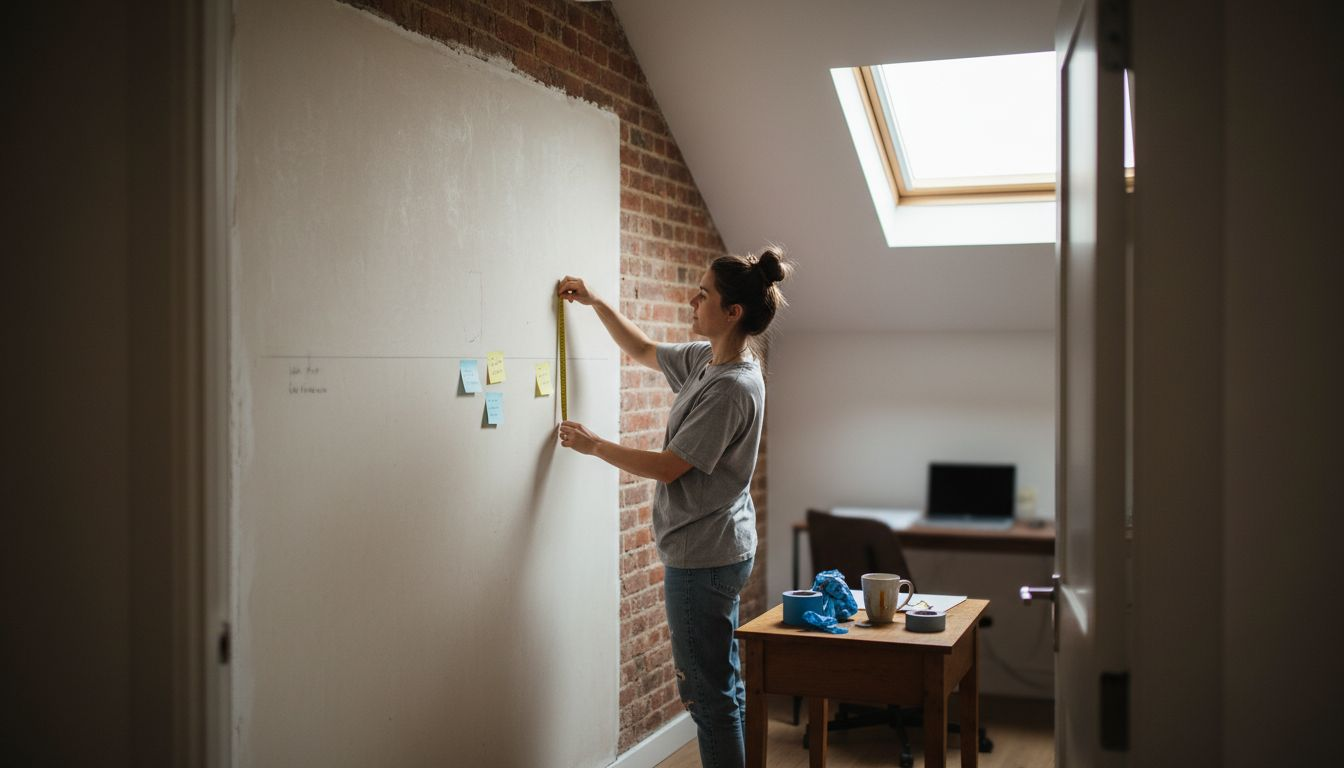
Style selection should complement rather than compete with your existing interior narrative. Modern minimalist spaces demand clean lines and restrained colour palettes. Traditional homes suit representational artwork or classic abstract compositions. Industrial lofts embrace bold, unconventional materials and dramatic colour contrasts. Eclectic spaces offer freedom to mix styles, though maintaining some visual coherence prevents spaces from feeling chaotic. Consider your room’s dominant colours, lighting conditions, and the mood you want to cultivate. A vibrant red abstract piece energises a workspace but might overstimulate a bedroom. Neutral toned artwork with subtle detail creates calm without feeling boring. The artwork you select should feel inevitable within your space, as though it was always meant to be there rather than appearing as an afterthought.
Pro tip: Create a scale mockup by taping brown paper to your wall in the dimensions you’re considering; live with this outline for a few days to confirm the proportions feel balanced before purchasing artwork, preventing costly mistakes with oversized or undersized pieces.
Installation, safety, and maintenance essentials
Proper installation separates a successful large-scale artwork installation from a frustrating one. The foundation begins with understanding your wall composition. Solid plaster, brick, or concrete walls accept traditional anchors and fastening systems readily. Drywall requires specialised anchors designed to distribute weight across a broader surface area without puncturing through. Older properties with lath and plaster demand different approaches than modern stud-framed walls. Before purchasing mounting hardware, identify your wall type by drilling a small pilot hole or consulting a structural assessment if you are uncertain. Weight distribution matters critically. A large canvas weighing 15 kilograms requires different mounting solutions than a 50 kilogram mixed media installation. Heavy pieces demand structural anchors rated for significantly more than the artwork’s actual weight, ideally at least double the load capacity. Professional installation services exist specifically for this reason, and their cost often represents excellent value when compared to potential wall damage or safety incidents.
Safety considerations extend beyond secure hanging. Ensure mounting hardware is rated for the artwork’s weight and the wall type you are working with. Install pieces at appropriate heights where they cannot be accidentally struck by tall individuals or falling objects. In commercial spaces with public access, confirm that installations comply with local safety regulations and building codes. Heavy artworks should never be hung above areas where people regularly work or sleep without additional reinforcement. Regularly inspect hanging systems, particularly for mixed media installations, as movement and temperature fluctuations can gradually affect mounting integrity over time. Replace any hardware showing signs of stress or corrosion immediately rather than waiting for failure.
Maintenance preserves your artwork’s appearance for years. Canvas pieces benefit from regular dusting using soft brushes or microfibre cloths. Acrylic and photographic prints require slightly different care; use non-abrasive materials and avoid chemical cleaners that might damage finishes. Control environmental conditions by maintaining stable temperature and humidity levels, ideally between 45 and 55 percent relative humidity. Direct sunlight fades artwork gradually, so consider UV-protective glazing or strategic placement away from south-facing windows. Mixed media pieces with varied materials require attention to each component’s specific needs; consult care instructions provided by the artist or supplier. Annual inspections of hanging systems and artwork condition prevent minor issues from becoming major problems. Document your artwork with photographs and records noting installation date, specifications, and any professional services used.
Pro tip: Invest in a quality stud finder and use it to locate wall studs before installation; fastening large-scale artwork directly to studs provides maximum security and eliminates concerns about drywall anchor failure, particularly for heavier pieces weighing over 20 kilograms.
This table summarises installation and safety essentials for large-scale wall art:
| Factor | Why It Matters | Practical Tip |
|---|---|---|
| Wall type | Affects mounting options | Identify via pilot drill or expert |
| Weight of artwork | Ensures safe, lasting installation | Use anchors rated for double weight |
| Location | Prevents accidental impacts | Hang away from heavy traffic zones |
| Regular checks | Maintains artwork integrity | Inspect hardware annually |
Common mistakes and what to avoid
One of the most prevalent errors people make involves selecting artwork without considering actual wall space constraints. Homeowners and designers often fall in love with a piece in a showroom or online, then discover it overwhelms their space when installed. The reverse problem occurs equally often: artwork that appears appropriately sized in isolation feels lost on larger walls. This happens because viewing artwork in different contexts fundamentally changes perception. A two metre wide canvas in a gallery with soaring ceilings reads differently than the same piece in a domestic lounge. Always measure your wall space precisely and request dimensions from sellers before committing to purchases. Even better, create a cardboard template or use painter’s tape to outline the proposed artwork on your wall, then live with this outline for several days before purchasing. This simple step prevents costly mistakes and ensures your final selection feels proportionate rather than awkward.
Another common misstep involves ignoring wall preparation and installation requirements. Rushing installation to display artwork quickly leads to holes in wrong locations, damaged plaster, and unstable hanging systems. Large-scale pieces demand proper planning. Identify wall studs, use appropriate anchors for your wall type, and invest in installation hardware rated for at least double the artwork’s weight. Cheap picture hooks fail. Inadequate fasteners slip. The consequence is artwork crashing down, potentially injuring someone below or damaging both the piece and your walls. Similarly, many people neglect to consider how lighting affects artwork appearance. A vibrant painting looks completely different under warm incandescent bulbs versus cool LED lighting versus natural daylight. Artwork positioned facing windows experiences constant colour shifts throughout the day. Planning lighting strategically during the selection process prevents disappointment when your piece arrives.
Style mismatches represent another significant oversight. Selecting artwork based purely on personal preference without considering your interior’s existing aesthetic creates visual discord. A bold contemporary abstract piece clashes with traditional period furniture. Delicate botanical prints feel out of place in an industrial loft. Your artwork should enhance your interior narrative, not contradict it. This does not mean playing it safe with bland choices. Rather, it means selecting pieces that genuinely complement your space’s character whilst potentially adding an unexpected accent or fresh perspective. Additionally, people often underestimate the importance of colour relationships. Artwork featuring warm terracotta tones conflicts with a cool blue colour scheme. Neutral artworks work more versatilely, though you sacrifice the emotional impact of bold colour choices. Consider creating a mood board with fabric swatches, paint samples, and artwork images to visualise how elements interact before making final decisions.
Pro tip: Order samples of canvas or material finishes before committing to large-scale pieces; viewing how different surfaces reflect light in your actual space with your specific lighting conditions prevents selecting pieces that look completely different once installed than they appeared online.
Transform Your Space with Large Scale Wall Art Today
The challenge of selecting the perfect large-scale wall art lies in balancing scale, style, and spatial harmony while ensuring your artwork truly complements your interiors. Many struggle with choosing pieces that transform rooms without overwhelming the space or clashing with existing decor. Understanding how to measure your wall and factor in lighting and furniture layout is essential but can feel daunting without expert guidance.
At Frametheworld.co.uk, we specialise in solving exactly these concerns. Our extensive collection offers customisation options that let you tailor artwork to your room’s dimensions and aesthetic, helping you create a cohesive focal point that anchors your space. Whether you seek bold canvases, sleek acrylics, or unique mixed media pieces, our flexible solutions cater to both private homes and commercial environments.
Discover how large-scale wall art can redefine your interiors by exploring our ready-to-buy collections or start your bespoke project with us now. Visit Frametheworld.co.uk to find the ideal statement piece that delivers the immersive visual impact your space deserves.
Frequently Asked Questions
What is large-scale wall art and how does it enhance interior spaces?
Large-scale wall art is a significant visual element that occupies substantial wall areas, transforming the spatial experience of a room. It creates immersive visual experiences, establishes focal points, and can influence the emotional response of viewers, making a room feel more dynamic and interconnected.
How do I choose the right size of large-scale artwork for my wall?
To choose the right size, measure your wall space and aim for artwork that occupies approximately 60 to 75 percent of the wall without touching the edges. This allows breathing room while ensuring the piece commands attention, enhancing the overall aesthetics of your interior.
What materials are commonly used for large-scale wall art, and how do they differ in impact?
Common materials include canvas, acrylic, and mixed media. Canvas provides rich texture and a classic look, acrylic offers a glossy finish and strength for contemporary aesthetics, while mixed media creates dramatic layered effects, adding depth and interest to the artwork.
How can I properly install large-scale wall art to ensure safety and stability?
To ensure safe installation, identify your wall type to select appropriate mounting hardware. Heavy pieces require structural anchors rated for double their weight. Regularly inspect the hanging systems and ensure the artwork is installed at safe heights to prevent accidents.
Recommended
- Styling Large Wall Art | FrameTheWorld
- Art for Hotels: From Lobby to Suite | FrameTheWorld
- Collaborating with Interior Designers | FrameTheWorld
- Art That Tells a Brand Story | FrameTheWorld
- Modello Silver And Black Wall Art – Wish Interiors
- 7 Inspiring Examples of Kitchen Transformations to Try - WordPress


Leave a comment
This site is protected by hCaptcha and the hCaptcha Privacy Policy and Terms of Service apply.